Weighted Blanket for Anxiety Suppliers and Manufacturers
Compare 26 verified suppliers offering Weighted Blanket for Anxiety products with details on location, lead times, and MOQ. Review product features like material and weight to select the right partner for your needs; review the available evidence before requesting comparable quotations from suitable candidates.
Suppliers List
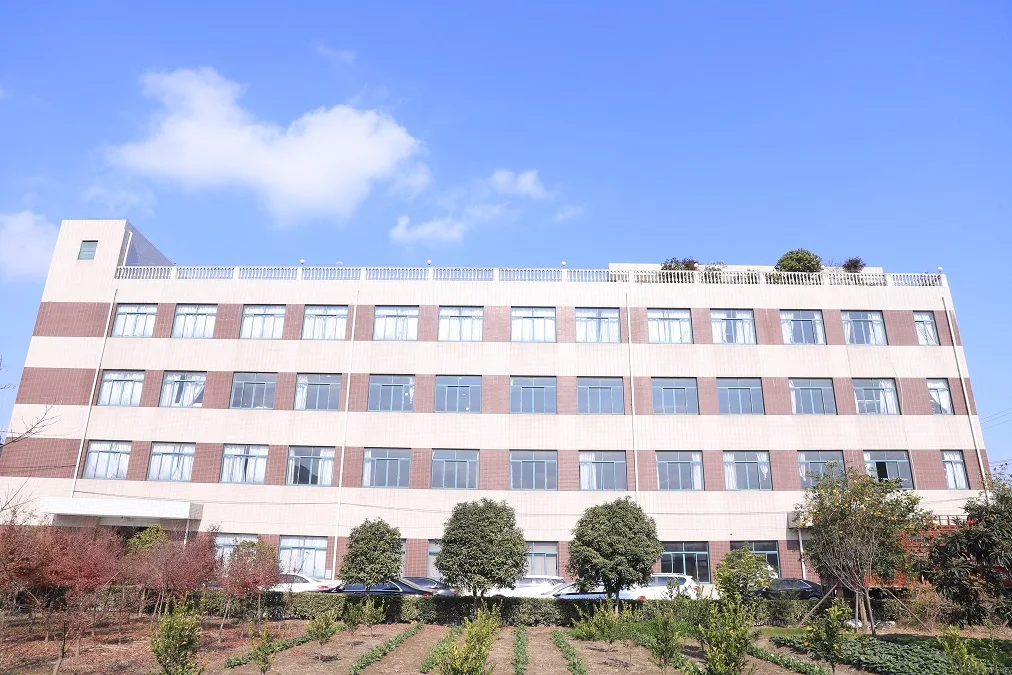
Wuxi Jhome Technology Co., Ltd.
- Trading Company
- Jiangsu, China
- Lead time30 days
- Avg. response≤ 3h
Main productsWeighted Blanket,Flannel Blanket,Bedding Sets,Carpets,Ergonomic Dog Mattress
Main marketsNorth America(60.00%), Western Europe(10.00%), South Asia(8.00%), Eastern Asia(5.00%), South America(5.00%), Eastern Europe(3.00%), Southern Europe(3.00%), Northern Europe(3.00%), Southeast Asia(3.00%)
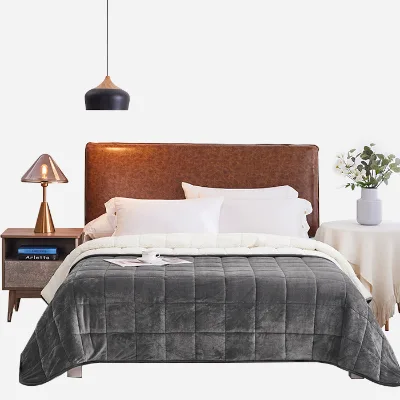
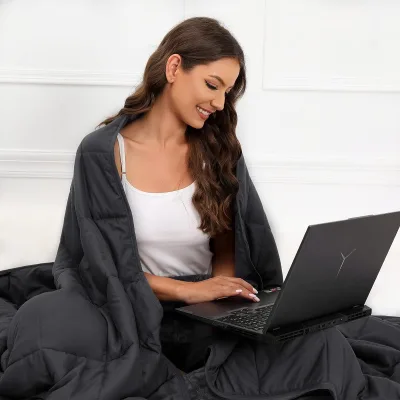
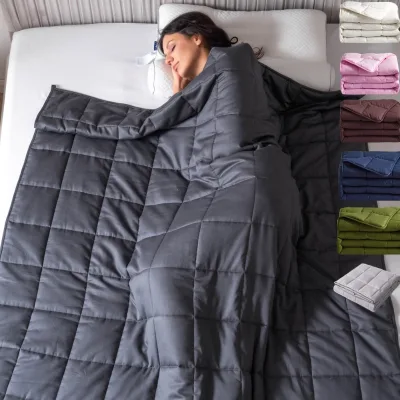
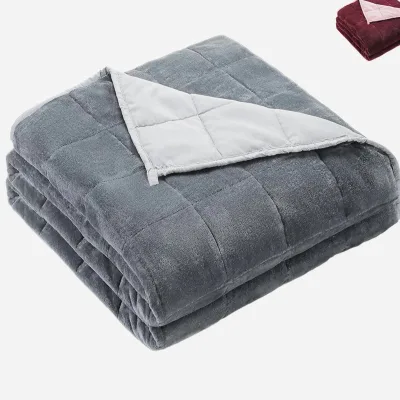
Heavy Weighted Blankets Weighted Blanket Anxiety Adult Weighted Sleep Blanket for Winter
$18.00 - $34.00
MOQ: 10
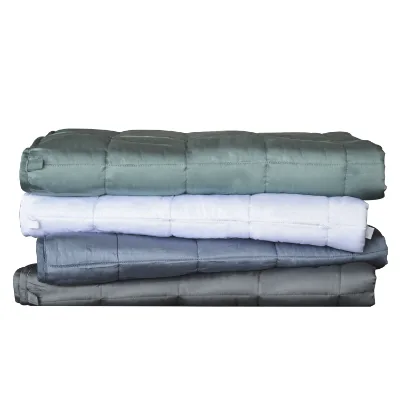
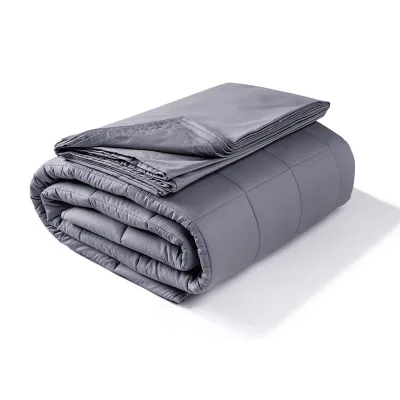
Huizhoushi Jimiaimi Fushi Youxiangongsi
- Trading Company
- Lead time旺季: "1 - 2":7,"3 - 1000":25,"> 1000":"To be negotiated", 淡季: "1 - 2":7,"3 - 1000":25,"> 1000":"To be negotiated"
- Avg. response≤ 9h
Main productsPrinted Jeans, Bathrobe, Blanket / Hoodie Blanket, Pillow & Cushion, Changing Robe/ Beach Towel
Ningbo Jemo Textile Tech Co., Ltd.
- Trading Company
- Zhejiang, China
- Lead time0 days
- Avg. response≤ 1h
Main productsWeighted Blanket, Knitted Blanket, Outdoor Blanket, Bed Sheet Sets, Comforter And Duvet
Main marketsSouth America(30.00%), North America(20.00%), Oceania(10.00%), Western Europe(10.00%), Southern Europe(10.00%), Northern Europe(10.00%), Eastern Europe(10.00%)
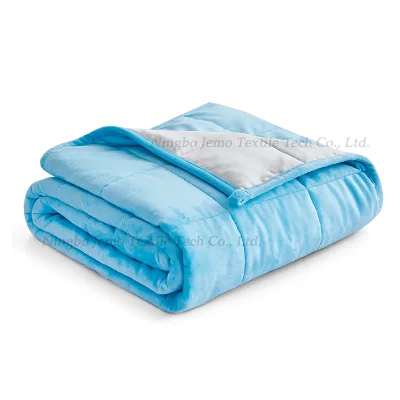
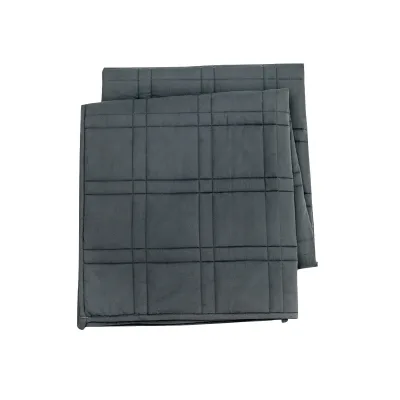
100% Non-Toxic Glass Beads Decompression Sleep Breathable Quilted Weighted Blanket for Anxiety
$11.80 - $15.90
MOQ: 10 pieces
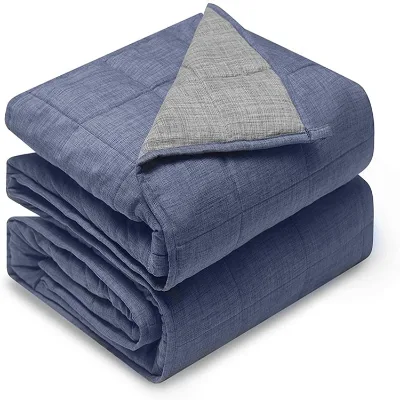
Autism Double Layer Throw Soft Thick Anxiety Sensory Weighted Blanket for Adults
$7.50 - $15.50
MOQ: 10 pieces
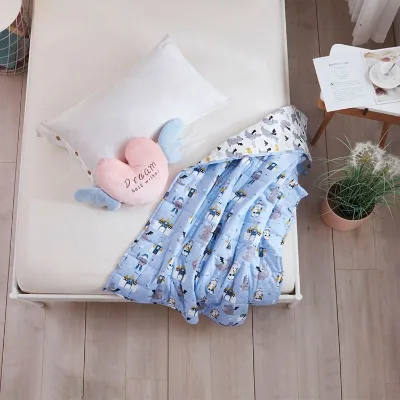
Custom Weight Selection Materials Anxiety Reduction Sleep Optimization Gift Weighted Blanket
$7.11 - $15.24
MOQ: 10 pieces
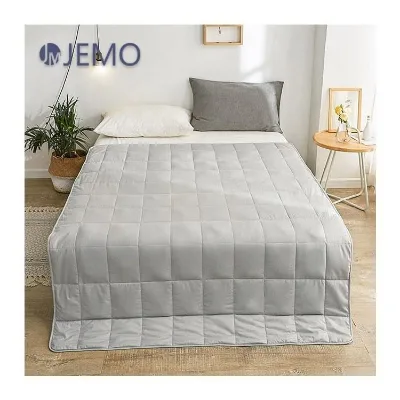
Summer Outfit 100% Cotton Cool Felt Material Large Custom 15 Lbs Anxiety Weighted Blanket
$7.50 - $15.00
MOQ: 10 pieces
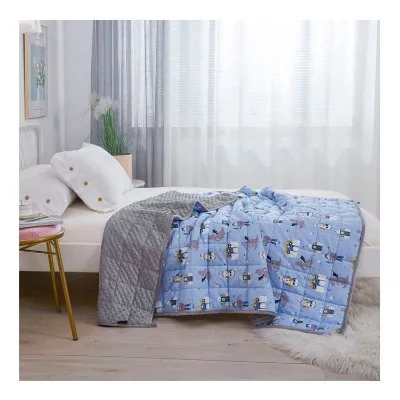
Customize Fleece Weighted Blanket Heated Blanket Adult Minky Weighted Blankets for Calming
$7.00 - $15.00
MOQ: 10 pieces
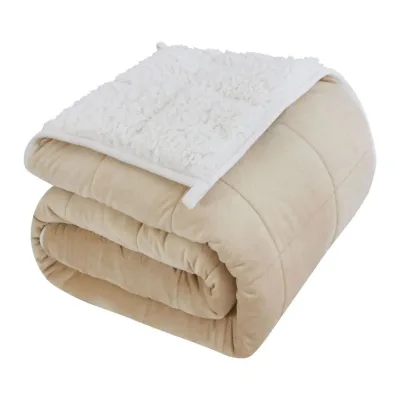
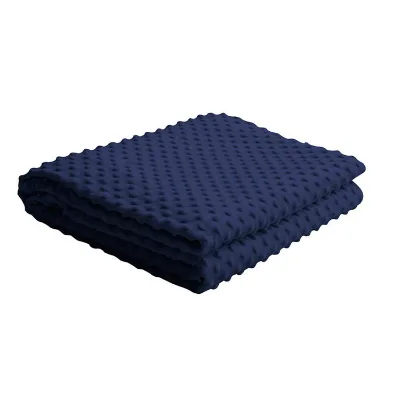
Four Seasons Customized Color Comfortable Hand Feeling Minky Weighted Blanket
$7.00 - $15.00
MOQ: 10 pieces

Hangzhou Mosheng Textiles Co., Ltd.
- Verified by BV
- Trading Company,Manufacturer/Factory
- China Zhejiang
- Lead time45 days
- Avg. response≤ 10h
Main productsWeighted Blanket, Comforter, Bed Sheet Set, Pillow, Mattress Topper, Mattress Pad, Mattress Protector, Fabric, Reading Pillow, Cushion
Main marketsSouth America,Eastern Europe,Mid East,North America,Southeast Asia,Eastern Asia,Oceania,Western Europe,Africa


$15.80 - $26.80
MOQ: 200 Pieces

15 Pounds Hot Sale Glass Beads Weighted Blanket for Kids Anxiety Calming
$15.80 - $26.80
MOQ: 200 Pieces

Quality Assurance Best Weighted Blanket Manufacturer Weighted Blanket Certificated Therapy
$15.80 - $26.80
MOQ: 200 Pieces

Wholesale Customized Color Soft Cotton Adult and Kid Weighted Blanket for Anxiety
$15.80 - $26.80
MOQ: 200 Pieces

Minky Zipper Weighted Blanket Anxiety Autism Stress Pressure Kids Children Heavy Blanket
$15.00 - $25.00
MOQ: 200 pcs

Huaian Goodlife Textile Co., Ltd.
- Verified by TUVRHEINLAND
- Combined
- China Jiangsu
- Lead time15 days
- Avg. response≤ 7h
Main productsTowel, Bathrobe, Bedding Set, Pajamas
Main marketsOthers(foreignTradeCapacity.exportBusinessCapacityMarketOther),Europe,North America

WEIFANG YIPPEE TEXTILE TECHNOLOGY CO., LTD.
- Trading Company
- China Shandong
- Lead time0 days
- Avg. response≤ 17h
Main productsMuslin Swaddle Blanket, Sweatpants, T-Shirt, Hoodies, Sweatshirt, Shorts, Spunlace Non Woven Fabric, Pajamas, Towels, Blanket


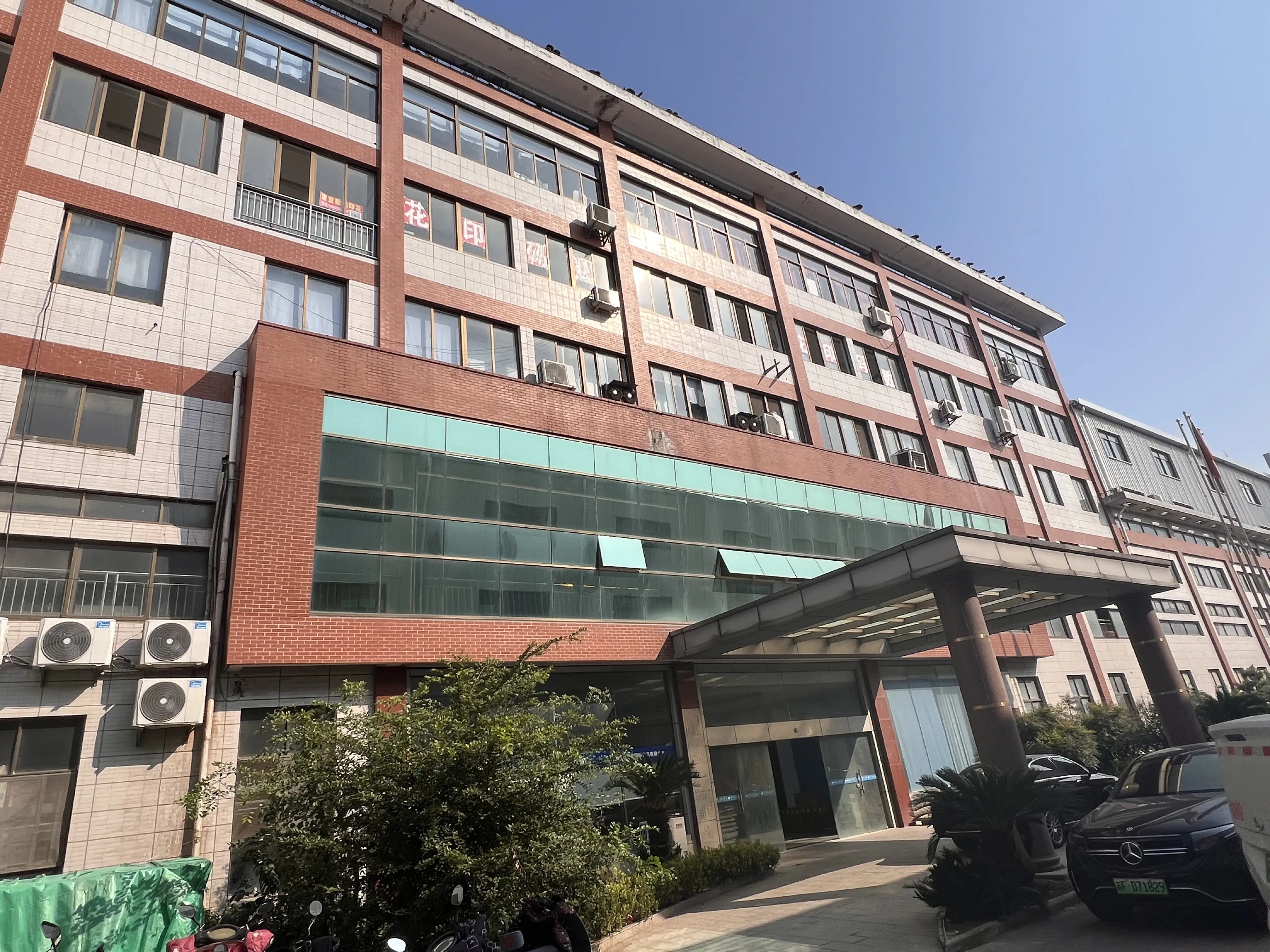
Gravity Blanket for Sleep, Stress and Anxiety
MOQ: 100 Pieces
- Manufacturer, Trading Company
- Jiangsu, China
- Lead time30 days
- Avg. response≤ 14h
Main productsTable linens,Blankets,Bed linens,Sofa cover chair Cover,Christmas series
Main marketsOceania(20.00%), North America(20.00%), Domestic Market(5.00%), South Asia(5.00%), Southern Europe(5.00%), Northern Europe(5.00%), Central America(5.00%), Western Europe(5.00%), Eastern Asia(5.00%), Mid East(5.00%), South America(5.00%), Africa(5.00%), Southeast Asia(5.00%), Eastern Europe(5.00%)

ANHUI WETEX TEXTILES CO., LTD.
- Verified by BV
- Combined
- China Anhui
- Lead time30 days
- Avg. response≤ 4h
Main productsFeather Down Pillow, Duvet Insert, Quilt Insert
Main marketsEurope
Zhangjiagang Acoshine Hometextile Co., Ltd.
- Manufacturer, Trading Company
- Jiangsu, China
- Lead time30 days
- Avg. response≤ 13h
Main productsBlanket,Cushion,Bathrobe
Main marketsWestern Europe(30.00%), North America(30.00%), Southeast Asia(20.00%), South Asia(2.00%), Southern Europe(2.00%), Northern Europe(2.00%), Central America(2.00%), South America(2.00%), Eastern Asia(2.00%), Mid East(2.00%), Oceania(2.00%), Africa(2.00%), Eastern Europe(2.00%)
- Manufacturer, Trading Company
- Lead time旺季: "1 - 5000":45,"> 5000":"To be negotiated", 淡季: "1 - 5000":45,"> 5000":"To be negotiated"
- Avg. response≤ 6h
Main productsPillows, Mattress Pads & Toppers, Quilts, Weighted Blanket, Bedding Set

Hangzhou Dowin Hometextile Co., Ltd.
- Verified by TUVRHEINLAND
- Combined
- China Zhejiang
- Lead time60 days
- Avg. response≤ 8h
Main productsSheet Set, Pillow, Comforter, Mattress Protective Cover
Main marketsEurope,Australia

Shanghai David International Trade Co., Ltd.
- Verified by TUVRHEINLAND
- Combined
- China Shanghai
- Lead time15 days
- Avg. response≤ 7h
Main productsPromotional Gifts, Gift Sets, Tshirts, Hats, Hot Packs, Hot Cold Packs, Ice Packs, Bags, Umbrellas, Water Bottles
Main marketsSouth America,Africa,Southeast Asia/ Mideast,East Asia(Japan/ South Korea),Domestic,Europe,Australia,North America


High Quality Double Use Weighted Blanket for Anxiety Soft and Fluffy Fleece Blanket
$30.00 - $45.00
MOQ: 1 Pieces

Summer New Cooling Weighted Blanket Reduce Stress Promote Deep Sleep Quilt
$20.00 - $25.00
MOQ: 1 Pieces

$9.90 - $15.90
MOQ: 500 Pieces

High Quality Anxiety Insomnia Autism 15lbs/20lbs/25/30 Lbs Zonli Weighted Blanket
$9.90 - $15.90
MOQ: 500 Pieces
Luan East West International Trade Co., Ltd.
- Verified by SGS Group
- Trading Company
- Lead time30 days
- Avg. response≤ 4h
Main productsFunctional Duvet & Blankets, Functional Pillows, Functional Bedding Sets, Functional Eye Masks, Functional Baby Sleepwear
Main marketsNorth America(60%), Oceania(20%), Western Europe(20%)
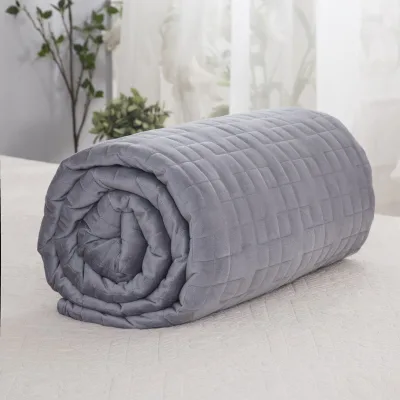
Custom Size Summer Plush Autism Anxiety Weighted Weight Blanket for Best You
$12.00 - $18.36
MOQ: 10 pieces
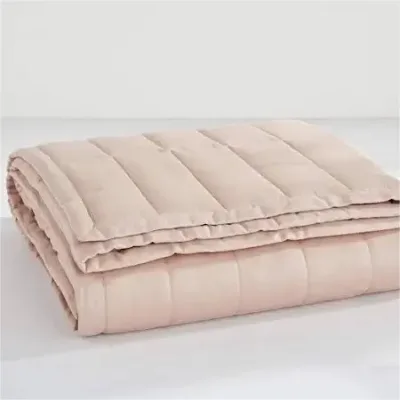
Top Selling 100% Cotton Anxiety Autism Blanket Bamboo Breathable Weighted Blanket for Therapy
$13.32 - $16.40
MOQ: 100 pieces
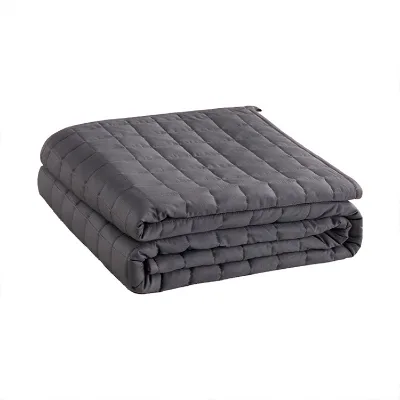
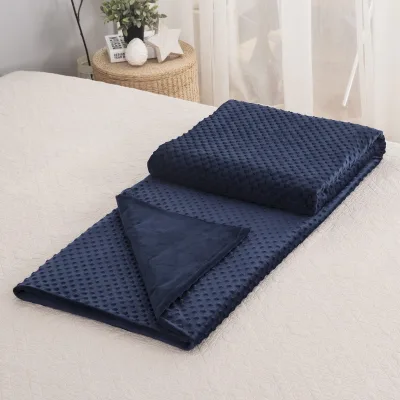
High Quality Cheap Price Lap Autism Weighted Anxiety Weight Blanket With Fast Delivery
$12.00 - $16.00
MOQ: 100
Nantong Rhino Homeware Co., Ltd.
- Manufacturer, Trading Company
- Jiangsu, China
- Lead time30 days
- Avg. response≤ 4h
Main productsWeighted Blanket/Bedding Sets/Pillow/Comforter/Pregnancy Pillow/Bedspread,electric blanket
Main marketsDomestic Market(40.00%), North America(25.00%), Eastern Europe(15.00%), Western Europe(15.00%), Northern Europe(5.00%)

ANHUI KINGSON HOUSEHOLD PRODUCTS CO., LTD.
- Trading Company
- China Anhui
- Lead time30 days
- Avg. response≤ 11h
Main productsWeighted Blanket, Knit Weighted Blanket, Down Comforter, Camping Blanket, Pillows, Bedding Set, Camping Mat, Sandy Blanket
Main marketsSoutheast Asia/ Mideast,East Asia(Japan/ South Korea),Europe,Australia,North America


Custom Diamond Pattern Weighted Blanket Anxiety Heavy Blanket Manufacturer Sensory
$15.00 - $20.00
MOQ: 50 Pieces


Cotton Weighted Blankets for Adults Oeko Cotton Weighted Blanket Soft Travel Blanket
$13.95 - $15.98
MOQ: 100 Pieces


Hangzhou Winde Home Furnishing Co., Ltd.
- China Jiangsu
- Lead time0 days
- Avg. response≤ 6h
Main productsBedding, Bedding Set, Duvet Cover Set, Bed Sheet Set, Hotel Bedding, Crib Bedding, Baby Bedding, Blanket, Bedspread, Towel

Home Bedding Anxiety Sensory Heavy Gravity Blanket Customized Weighted Blanket
$22.00 - $40.00
MOQ: 100 Pieces

High Quality Pressure Release Gravity Sensory Weighted Blanket for Sleep Stress and Anxiety
$22.00 - $40.00
MOQ: 100 Pieces
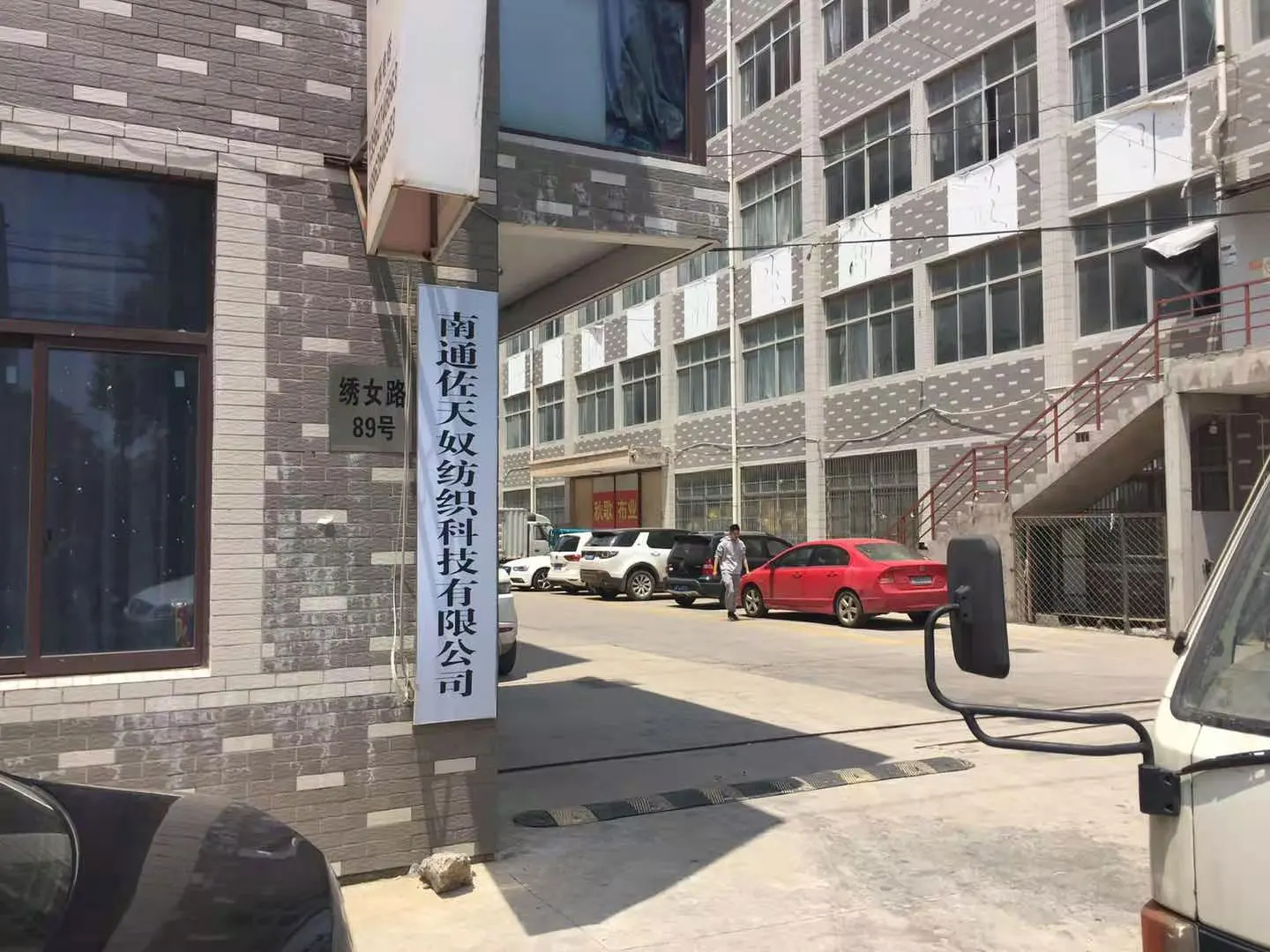
Nantong Zotenu Textile Technology Co., Ltd.
- Manufacturer, Trading Company
- Jiangsu, China
- Lead time35 days
- Avg. response≤ 13h
Main productsWeighted Blankets,Gravity blanket,Calm Blanket,Deep Sleep Blanket,Sensory Blanket
Main marketsNorth America(75.00%), Western Europe(20.00%), Domestic Market(5.00%)
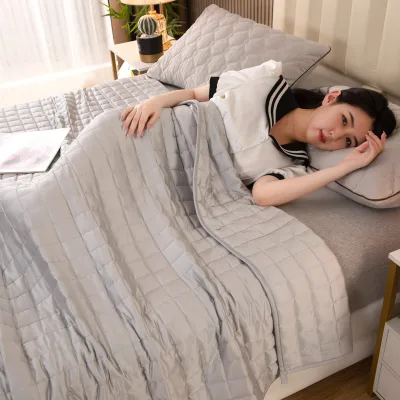
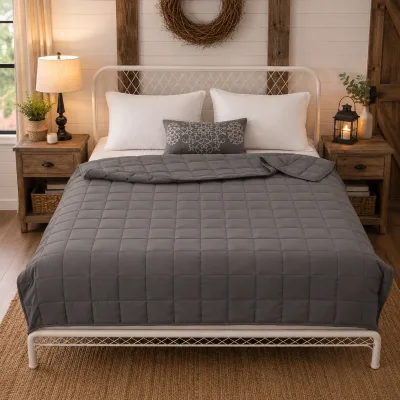
Wholesale Customized Hospital Release Anxious Comfortable Healthy Weighted Blanket
$4.07 - $6.10
MOQ: 1 pieces

Shanghai Easun Group Imp & Exp Co., Ltd.
- Verified by TUVRHEINLAND
- Trading Company
- China Shanghai
- Lead time15 days
- Avg. response≤ 22h
Main productsBlankets, Home Slippers, Bedding Sets, Towel, Amenity Kits, Airline Supply, Hospital Supply, Hotel Supply, Railway Supply, Pillow&Case
Main marketsAfrica,Southeast Asia/ Mideast,Europe

Ningbo V.k. Industry And Trading Co., Ltd.
- Verified by SGS
- Combined
- China Zhejiang
- Lead time60 days
- Avg. response≤ 3h
Main productsFlannel Fleece Blanket, Sherpa Throw Blanket, Dog Waterproof Blanket, Fleece Bathrobe, PVC Leather, TV Blanket, Down Coat, PV Fleece Blanket, Bazin Riche, Ice Bath Tub
Main marketsSouth America,Africa,Southeast Asia/ Mideast,East Asia(Japan/ South Korea),Domestic,Europe,Australia,North America

Shandong Angel Home Textile Co., Ltd.
- Combined
- China Shandong
- Lead time30 days
- Avg. response≤ 13h
Main productsMattress Cover, Mattress Protector, Duvet, Comforter, Pillow, Blanket, Bedding Linen, Home Textile
Main marketsSouth America,Africa,Southeast Asia/ Mideast,East Asia(Japan/ South Korea),Domestic,Europe,Australia,North America


Premium Quality Weighted Blanket Forautism Insomnia
MOQ: 100 Pieces

Hangzhou Gravity Industrial Co., Ltd.
- Verified by SGS Group
- Manufacturer, Trading Company
- Lead time30 days
- Avg. response≤ 5h
Main productsFuton Mattress, Memory Foam Mattress, Bean Bag Sofa, Compressed Sofa, Kids Play Mat
Main marketsNorth America(50%), Northern Europe(30%), Domestic Market(20%)
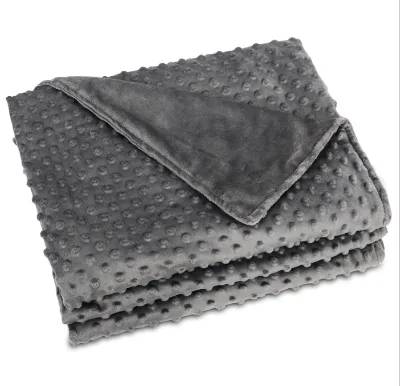
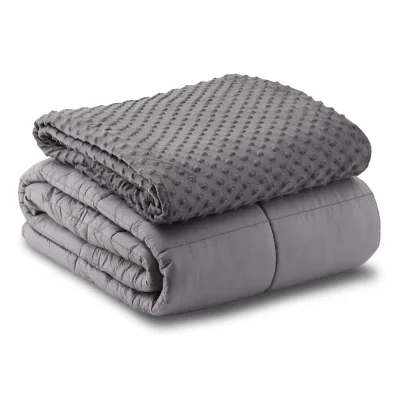
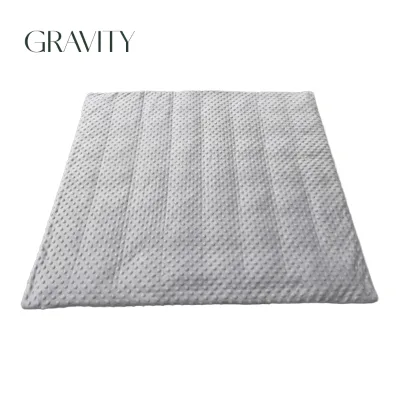
Heavy Stress Security High Quality Minky Cover and Weighted Blanket for Anxiety
$15.30 - $19.70
MOQ: 5 pieces

PUYANG SELFAIDING INDUSTRIAL CO., LTD.
- Verified by SGS
- Manufacturer
- China Henan
- Lead time15 days
- Avg. response≤ 3h
Main productsAdult Bib, Pet Pad, Underpad, Baby Bib, Protective Panties, Washable Sanitary Pad, Compression Stockings, Patient Care Clothing, Pet Nest, Pet Toy

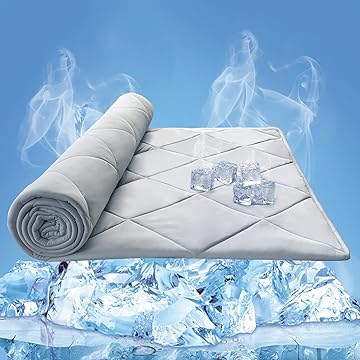
Breathable Heavy Blanket Soft Summer Cooling Weighted Blanket for Deep Sleeping
$4.87 - $6.78
MOQ: 200 Pieces


- Manufacturer, Trading Company
- Lead time旺季: "1 - 500":45,"> 500":"To be negotiated", 淡季: "1 - 500":45,"> 500":"To be negotiated"
- Avg. response≤ 5h
Main productsDuvet, Pillow, Mattress Topper, Weighted Blanket, Bedding Set
Hangzhou Kuangs Textile Co., Ltd.
- Manufacturer, Trading Company
- Lead time旺季: "1 - 1000":35,"> 1000":"To be negotiated", 淡季: "1 - 1000":35,"> 1000":"To be negotiated"
- Avg. response≤ 5h
Main productsPet Mats, Pet Beds, Heated Pet Beds, Pet Clothing, Pet Toys
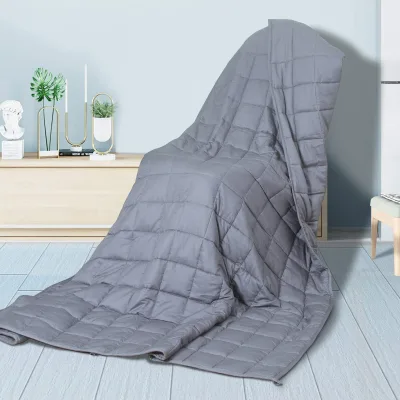
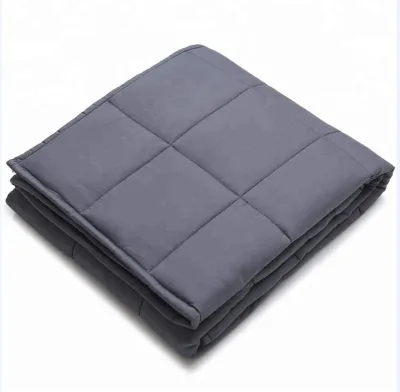
Custom Weighted Blanket Inner Autism Minky Blanket Light Weight With Glass Beads
$8.00 - $10.90
MOQ: 10
Hangzhou Jiuhui Textile Co.,Ltd
- Verified by Intertek
- Manufacturer, Trading Company
- Lead time20 days
- Avg. response≤ 4h
Main productsWeighted Blanket, Blanket, Bedding Set, Mattress Protector, Pillow
Main marketsDomestic Market(50%), North America(25%), Oceania(15%)

HANGZHOU PERSERPRO GARMENT CO., LTD.
- Other
- China Zhejiang
- Lead time45 days
- Avg. response≤ 21h
Main productsKnitwear, Kid's Knitwear, Pet Clothes, Men's Knitwear, Knitting Blanket, Sweater, Knitting Accessories, Ladie's Knitwear, Blanket
Main marketsSouth America,Eastern Europe,Mid East,North America,Western Europe










Comprehensive Sourcing Guide
Weighted Blanket for Anxiety Supplier Concentration and Factory Types
When sourcing a Weighted Blanket for Anxiety, buyers will notice that supplier listings cluster around a small number of material and construction types: glass-bead-filled polyester blankets, bamboo cooling versions, and organic or cotton sensory designs. Location data in current results points to Jiangsu and Guangdong as active sourcing provinces, which is consistent with China's broader home-textile manufacturing base. However, location labels alone do not tell you whether the listing is backed by an actual factory. Some suppliers in this category are explicitly labeled as trading companies, which means they aggregate production from multiple workshops rather than running their own sewing lines. That is not automatically a disadvantage, but it changes who controls quality, lead time, and customization.
The practical first step is classifying each candidate before you compare prices. A factory-type supplier is usually the better route when you need custom weights, sizes, logos, or bead distributions, because engineering changes go directly to the production floor. A trading-company supplier can still work well for standard catalog items with modest MOQs, such as the 10-piece minimums seen on anxiety-focused adult weighted blankets. When evaluating concentration, avoid assuming that every listing in the category comes from the same province or the same type of company. Verify the entity behind each listing, ask directly whether the supplier manufactures in-house, and record the answer alongside the displayed location and main-product categories so your comparison later rests on confirmed data rather than assumptions from search positions.
How to Verify Weighted Blanket for Anxiety Suppliers
Verification for a Weighted Blanket for Anxiety starts with confirming that the supplier actually produces what the listing describes. Ask for evidence tying the supplier to the specific product type: recent production photos showing bead-quilting or pocket-stitching work, a sample run of the exact filling material such as glass beads, and clarification of who owns the sewing capacity. Where a listing already displays useful signals, record them and test them. Response time is one such signal; current results show suppliers responding in as little as 3 hours and as long as 9 hours, which gives you a measurable baseline before you even send an inquiry. Establish whether those response speeds hold during your working hours, not just during the supplier's.
Next, verify product claims against the spec sheet. Listings in this category advertise features such as anti-pilling, non-toxic construction, and specific fabric compositions like 100% polyester, bamboo, or cotton. None of those claims should be taken at face value; request test reports or third-party verification for the fabric and the filling, and confirm the exact weight tolerance you can expect on a 7lb, 15lb, or 20lb unit. Confirm the sample timeline in writing, since displayed sample times of 5 to 7 days only mean something if the supplier repeats them in a quotation. Finally, verify customization depth. Many listings state that logos, sizes, and colors can be customized, but you should confirm which changes affect tooling, which affect only printing, and which require a higher MOQ. Document every verification step so you can compare suppliers on evidence rather than on listing language.
What to Compare Across Weighted Blanket for Anxiety Suppliers
Build a comparison table before requesting quotes so that every Weighted Blanket for Anxiety supplier is scored on the same dimensions. The most useful displayed attributes in this category include lead time, MOQ, response speed, location, supplier type, and main-product breadth. Lead times in current results range widely: one supplier lists 30 days, while another shows tiered lead times of 7 days for 1–2 units, 25 days for 3–1000 units, and negotiated terms above 1000 units. That distinction matters enormously if your launch calendar depends on a first small order followed by scaling. MOQs also vary from 1 piece to 10 pieces across visible listings, which directly affects your sampling and trial-order budget.
Beyond logistics, compare product construction on the details that differentiate anxiety-focused weighted blankets: filling material (glass beads versus alternatives), fabric (polyester, bamboo, cotton), weight range (7lbs through 20lbs appear in listings), and size options including customized dimensions. Price must be compared at matched specifications; visible price ranges run from roughly 13.90 to 45.00 USD per unit depending on material and features, so a bamboo cooling blanket and a heavy polyester winter blanket are not comparable at face value. Also compare responsiveness after the first reply, not just the advertised response time, because a supplier that answers quickly on day one but slowly during sampling is a risk. Finally, weigh the main-products line. A supplier whose catalog is centered on blankets and bedding will likely handle custom weighted construction better than a diversified supplier listing jeans, bathrobes, and cushions alongside blankets.
Common Weighted Blanket for Anxiety Sourcing Risks
The most frequent risk in this category is weight inaccuracy. A Weighted Blanket for Anxiety is a functional product: a blanket labeled 15lbs or 20lbs must deliver that weight within a tight tolerance, or the therapeutic purpose fails and customer complaints follow. Listings advertise specific weights and glass-bead fillings, but nothing in a listing proves consistency across a production run. Require a documented weight tolerance in the purchase contract and verify it with an independent scale check on incoming samples. The second major risk is filling migration, where beads pool in one section because the internal quilting pattern is too coarse. Photograph and cut open a sample to inspect pocket construction before approving mass production.
Fabric and safety claims carry their own risks. Terms like anti-pilling, non-toxic, and organic cotton appear across supplier listings, yet verification documents are not automatically provided. Insist on lab reports for the specific fabric used, especially if you sell into markets where textile safety compliance is enforced. A third risk is specification drift: a listing may show one size, such as 60×80 inches, while the supplier's quotation quietly changes dimensions, fabric count, or filling. Freeze the specification sheet before deposit. Finally, beware of tiered-lead-time structures where fast turnarounds apply only to tiny quantities and large orders fall into "to be negotiated" territory. Get the actual lead time for your real order quantity in writing, including peak-season adjustments, because a 25-day quoted lead time at 1000 units may stretch considerably during high season if that clause is not negotiated upfront.
Weighted Blanket for Anxiety Regional Sourcing and Logistics
Regional sourcing decisions for a Weighted Blanket for Anxiety should start from the confirmed data rather than generic cluster assumptions. Current supplier results show origins in Jiangsu and Guangdong, two provinces with deep home-textile ecosystems, but each listing must be checked individually because supplier type varies even within one region. A trading company based in Jiangsu may source sewing from workshops anywhere, so the province label describes the exporter, not necessarily the factory. Map each supplier's claimed origin, its supplier type, and its main products, then use that map to decide where to concentrate sampling spend. Shipping heavy goods also changes the calculus: weighted blankets filled with glass beads are dense, and single gross weights in listings reach 7 to 11 kilograms per package, so freight cost per unit can differ sharply from lightweight textile categories.
Logistics planning should account for the weight of the product at every stage. Confirm packed dimensions, such as the 46×37×34 cm single-package size shown in one listing, so you can calculate container loading accurately and avoid surprises at booking. Ask each supplier whether they ship ex-works, FOB, or delivered, and who handles export documentation. For a category this heavy, even small differences in packaging compression or carton configuration meaningfully change ocean-freight economics. Compare suppliers not only on production lead time but on total door-to-door timeline, including sample transit, mass-production, and consolidation. When two suppliers quote similar unit prices, the one closer to a major export port with better packaging density often wins on landed cost, so model that before committing.
Weighted Blanket for Anxiety Commercial Terms and Order Planning
Commercial terms for a Weighted Blanket for Anxiety order should be locked down before any deposit. Start with the MOQ structure: visible listings in this category show minimums of 1, 5, and 10 pieces depending on the supplier and product, which makes small trial orders feasible, but confirm whether the quoted unit price holds at your target volume. Price ranges in current results span roughly 13.90 to 45.00 USD, so ask each supplier for a tiered price sheet at, for example, trial, mid, and full volumes, with identical specifications at every tier. Clarify payment method and any escrow-style protection the platform or supplier offers, and never wire funds outside a documented channel. Confirm what the price includes: custom logo, packaging, labels, and sample costs all change the effective unit economics.
Order planning should sequence sampling, pilot, and scale deliberately. Use the low-MOQ listings to order a small batch first, inspect weight accuracy, bead distribution, and fabric quality, then scale only after that batch passes. Build the supplier's stated lead time into your calendar with a buffer, and remember that tiered lead-time structures, such as 7 days for tiny quantities and 25 days or negotiated terms for larger runs, mean your reorder timeline will differ from your sample timeline. Agree on a reordering process in writing, including whether tooling or custom logos carry setup fees on repeat orders. Finally, define acceptance criteria in the contract: weight tolerance, size tolerance, fabric composition, and packaging standard. A Weighted Blanket for Anxiety lives or dies on consistent quality across reorders, so the terms you negotiate now determine whether scaling is smooth or contested.
FAQs
What is the minimum order quantity for weighted blankets?
The minimum order quantity varies by product, with some listings requiring 10 pieces while others accept just 1 piece. Buyers should verify the specific MOQ for each item before placing an order to ensure it meets their procurement needs.
Where are these weighted blankets manufactured?
Most suppliers listed manufacture these products in Jiangsu, China, while some items originate from Guangdong, China. The place of origin is clearly stated in product attributes, helping buyers identify the specific manufacturing region for their sourcing requirements.
How long does it take to receive an order?
Standard lead times are typically around 30 days, though some suppliers offer faster options during off-peak seasons. For large orders exceeding 1000 units, the lead time may require negotiation, so confirm the exact schedule with the supplier directly.
What materials are used in these weighted blankets?
Common materials include 100% polyester, 100% bamboo, and 100% organic cotton. The filling material is usually glass beads, and features like anti-pilling or non-toxic properties are often highlighted in the product specifications for quality assurance.
What is the price range for these blankets?
Prices generally range from 13.90 to 45.00 per unit depending on the material and weight. Specific listings show costs between 18.00 and 34.00 for standard models, while premium cooling or custom options may reach higher price points within the market.
Can I customize the size and logo of the blanket?
Yes, many suppliers offer customized sizes and logos as indicated in the product attributes. Options include accepting customized dimensions and adding a custom logo, allowing buyers to tailor the product to their specific branding and sizing requirements.
How quickly do suppliers respond to inquiries?
Response times vary, with some suppliers replying within 3 hours and others taking up to 9 hours. Buyers should check the specific response time listed for each supplier to ensure timely communication regarding their sourcing questions and order details.