Wet Steam Gluten Making Machine Suppliers and Manufacturers
Source 24 verified suppliers for Wet Steam Gluten Making Machine equipment. Compare CE-certified manufacturers and trading companies based on lead times, MOQs, and warranty terms. Review product specifications and request quotes to streamline your procurement process; review the available evidence before requesting comparable quotations from suitable candidates.
Suppliers List
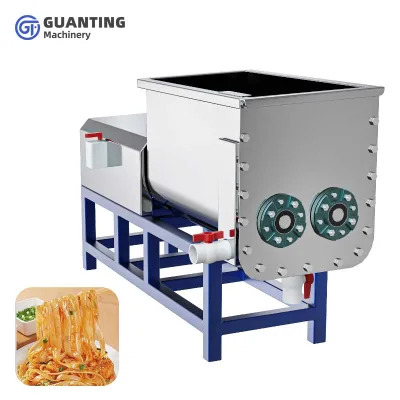
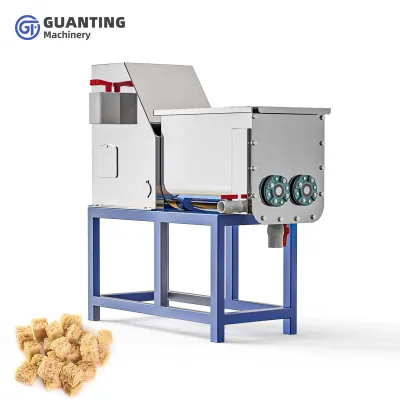
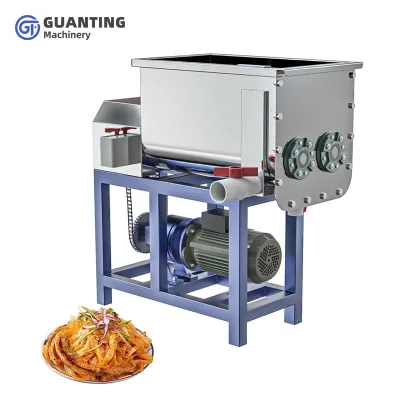
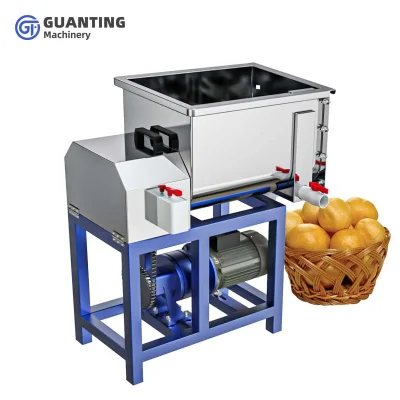
Tangshan Guanting Machinery Equipment Manufacturing Co., Ltd.
- Verified by Intertek
- Manufacturer, Trading Company
- Lead time20 days
- Avg. response≤ 2h
Main productsCommercial Vegetable Cutter Machine, Commercial Dough Mixer, Commercial Dough Sheeter Machine, Bone Cutting Machine, Meat Mincer Machine
Main marketsNorth America(30%), Eastern Europe(15%), Southeast Asia(15%)
Zhengzhou Share Machinery Co., Ltd.
- Verified by BV
- Trading Company,Manufacturer/Factory
- China Henan
- Lead time15 days
Main productsRoll Forming Machine, Purlin Making Machine, Storage Rack Making Machine, Hydraulic Baler, Brick Making Machine, Quilting Machine, Bag Printing Machine, Soap Stamping Machine, Water Well Drilling Rig, Wax Granules Making Machine
Main marketsSouth America,Eastern Europe,Mid East,North America,Southeast Asia,Eastern Asia,Oceania,Western Europe,Africa
Zhengzhou Share Machinery Co., Ltd.
- Trading Company
- Lead time旺季: "1 - 1":7,"> 1":"To be negotiated", 淡季: "1 - 1":7,"> 1":"To be negotiated"
- Avg. response≤ 3h
Main productsConstruction Machinery/Industrial Machinery/Printing Machinery
HE NAN PENG HUI MACHINERY AND EQUIPMENT CO., LTD.
- Verified by CTI
- Manufacturer/Factory
- China Henan
- Lead time15 days
Main productsMeat Processing Machine, Fruit Processing Machine, Vegetable Processing Machine, Seafood Processing Machine, Grain Product Processing Machine, Snack Machine, Nuts Processing Machine, Quilting Machine, Textile Machine, Paper Product Processing Machine
Main marketsSouth America,Eastern Europe,Mid East,North America,Southeast Asia,Eastern Asia,Oceania,Western Europe,Africa

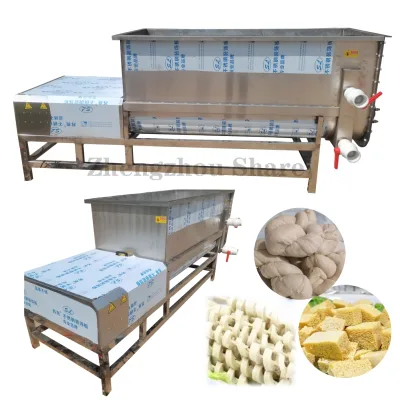
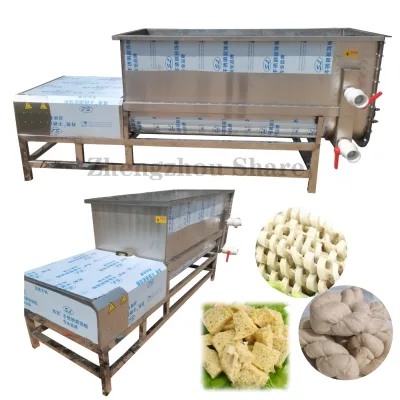
Wheat Gluten Washer Maker Gluten Washing Machine Flour Seitan Proteins Making Machine
$4400.00 - $4900.00
MOQ: 1 Pieces

Automatic Stainless Steel China Wheat Seitan Making Machine Gluten String Forming Machine
$2500.00 - $3500.00
MOQ: 1 Pieces

High Quality Small Seitan Production Maker Wheat Gluten Maker Making Machine BBQ
$2500.00 - $3500.00
MOQ: 1 Pieces
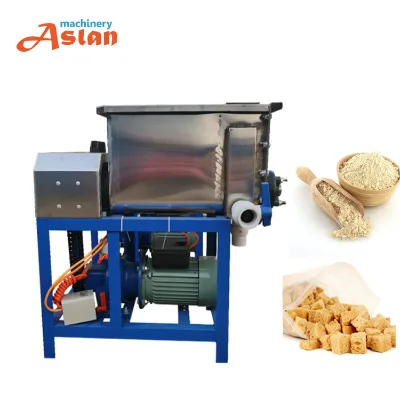
Zhengzhou Aslan Machinery Co., Ltd.
- Verified by Intertek
- Trading Company
- Lead time10 days
- Avg. response≤ 6h
Main productsFood Machine, Packing Machine, Vegetable Processing Machine , Meat Processing Machine , Nuts Processing Machine
Main marketsSouth America(35%), North America(30%), Eastern Europe(5%)
Henan Share M&E Equipment Co.,Ltd
- Verified by SGS Group
- Trading Company
- Lead time7 days
- Avg. response≤ 3h
Main productsTextile Machinery, Printing Machinery, Construction Machinery, Wood Machinery
Main marketsNorth America(20%), South America(20%), Eastern Europe(10%)

Hebei Africa Machinery Co., Ltd.
- Trading Company,Manufacturer/Factory
- China Hebei
- Lead time0 days
Main productsFlour Mill, Flour Milling Machine, Wheat Processing Machine, Flour Grinder, Roller Mill, Silo, Flour Cylinder Mill, Wheat Milling Machine, Flour Grinding Machine, Flour Machine
Main marketsSouth America,Eastern Europe,Mid East,North America,Southeast Asia,Africa


China Hba Flour Making Machine
MOQ: 1 Sets
Wuhan G-Young Industry & Trade Co., Ltd.
- Verified by SGS
- Trading Company
- China Hubei
- Lead time60 days
Main productsFried Instant Noodles Production Line, Non-Fried Instant Noodle Machine, Stick Noodle Making Machine, Fresh Noodle Making Equipment, Spaghetti Production Line, Macaroni Production Line, Rice Vermicelli Production Line
Main marketsAfrica,Others(foreignTradeCapacity.exportBusinessCapacityMarketOther)


$100000.00 - $1000000.00
MOQ: 1 Sets

$100000.00 - $1000000.00
MOQ: 1 Sets

Best Electric Instant Noodle Making Machine Steaming Noodle Processing Machine
$50000.00 - $500000.00
MOQ: 1 Pieces

Beijing Meckey Engineering Co.
- Manufacturer/Factory
- China Beijing
- Lead time150 days
Main productsCorn Starch Equipment, Starch and Glucose Engineering, Cassava Topica Starch Machine, Starch Glucose Design, Wheat Starch Technology, Potato Starch Production Line, Milk Powder Machinery, Reactor Fermentater, L-Lysine Technology, Corn Powder Glucose Projects
Main marketsSouth America,Eastern Europe,Mid East,North America,Southeast Asia,Africa
Qingdao HICOCA Food Machinery Co., Ltd
- Combined
- China Shandong
- Lead time15 days
Main marketsOthers(foreignTradeCapacity.exportBusinessCapacityMarketOther),Southeast Asia/ Mideast,East Asia(Japan/ South Korea)


Air Dried Instant Noodle Making Line/Non-Fried Noodle Processing Machine
$80000.00 - $2090000.00
MOQ: 1 Sets
Shandong Arrow Machinery Co., Ltd.
- Verified by SGS
- Combined
- China Shandong
- Lead time60 days
Main productsBreakfast Cereals Machine, Fortified Rice Machine, Textured Protein Machine, Pet Food Machine, Fish Feed Machine, Food Extruder, Snacks Machinery, Food Drying Machine, Plant Based Meat Making Machine, Vegan Meat Machine
Main marketsSoutheast Asia/ Mideast,Europe,North America
Zhengzhou Jawo Machinery Co., Ltd.
- Trading Company
- Henan, China
- Lead time10 days
- Avg. response≤ 5h
Main productsFruit and vegetable processing machine,Grain processing machine,Meat processing machines,Drying Machines,Building Machines
Main marketsNorthern Europe(15.00%), Mid East(10.00%), Western Europe(10.00%), Oceania(9.00%), Eastern Europe(8.00%), South America(8.00%), North America(8.00%), South Asia(6.00%), Southeast Asia(6.00%), Africa(6.00%), Southern Europe(5.00%), Eastern Asia(5.00%), Domestic Market(2.00%), Central America(2.00%)
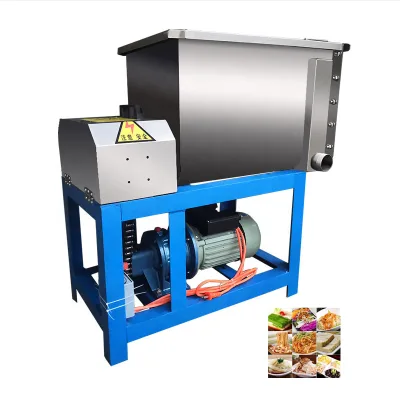
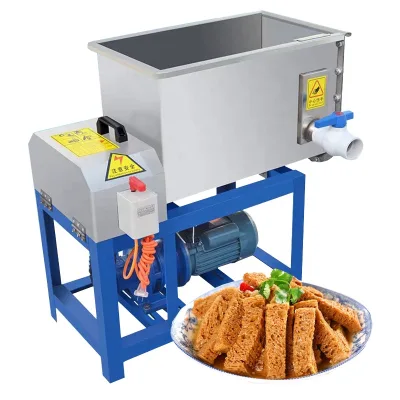
Wheat Gluten Washing Making Machine Gluten Free Flour Producing Machine With High Quality
$710.95 - $2033.17
MOQ: 1 sets
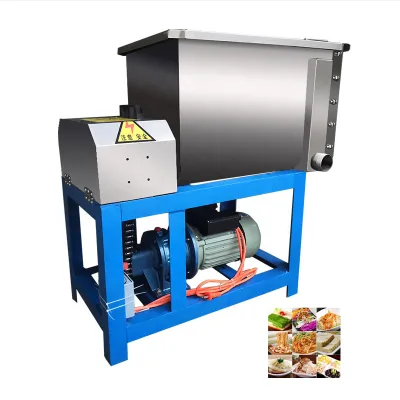
Gluten Seitan Making Machine Vegan Gluten Free Pasta Machine With Lowest Price
$713.39 - $2040.16
MOQ: 1 sets
Zhengzhou Shuliy Machinery Co., Ltd.
- Verified by SGS
- Trading Company,Manufacturer/Factory
- China Henan
- Lead time0 days
Main productsPacking Machinery, Food Processing Machinery, Agriculture Processing Machinery, Wood Processing Machinery, Plastic Processing Machinery, Charcoal Processing Machinery, Baler Machinery, Recycling Machinery, Metal Processing Machinery

Shanghai Target Industry Co., Ltd.
- Verified by TUVRHEINLAND
- Combined
- China Shanghai
- Lead time30 days
Main productsCake Production Machine, Biscuit Machine, Chocolate Machine, Candy Machine, Confectionery Machinery, Packing Machine, Marshmallow Machine, Candy&Biscuit&Chocolate Mould, Cookie Machine, Food Machine
Main marketsSoutheast Asia/ Mideast,North America

Shandong Chemsta Machinery Manufacturing Co., Ltd.
- Verified by BV
- Combined
- China Shandong
- Lead time30 days
Main productsOil Press, Soya Protein Machine, Oil Project
Main marketsSouth America,Africa,Southeast Asia/ Mideast,East Asia(Japan/ South Korea),Domestic,Europe,Australia,North America

Non-GMO Gluten-Free Soybean Isolate Protein Powder Flake Granular Making Machine
$8000000.00 - $20000000.00
MOQ: 1 Pieces


Non-GMO Isolate Soybean Protein Making Machine with High Quality
$8000000.00 - $20000000.00
MOQ: 1 Pieces
Jinan Saibainuo Extrusion Machinery Co., Ltd.
- Verified by BV
- Trading Company,Manufacturer/Factory
- China Shandong
- Lead time23 days
Main productsPet Food Machine, Fish Feed Machine, Corn Flakes Machine, Breakfast Cereals Machine, Puff Snacks Food Machine, Textured Soya Protein Vegetable Machine, Bread Crumbs Machine, Nutritional Powder Baby Food Machine, Pasta Macaroni Machine, Bugles Chips Machine
Main marketsSouth America,Eastern Europe,Mid East,North America,Southeast Asia,Eastern Asia,Oceania,Western Europe,Africa

Shanghai Nancheng Machinery Co., Ltd.
- Verified by BV
- Trading Company,Manufacturer/Factory
- China Shanghai
- Lead time38 days
Main productsWater Bottling Line, Milk Processing Line, Yogurt Processing Line, Juice Processing Line, Uht Sterilizer, Milk Pasteurizer, Homogenizer, Water Treatment System, Filling Machine, Sleeve Shrink Labeling Machine
Main marketsSouth America,Eastern Europe,Mid East,North America,Southeast Asia,Eastern Asia,Oceania,Western Europe,Africa
Beijing Zhongli Machinery Science & Technology Co., Ltd.
- Verified by SGS
- Combined
- China Beijing
- Lead time30 days
Main productsFood Machine, Bread Production Line, Danish Pasty Forming Machine Line, Multi-Head Stuffing Bun Forming Line, Pie Forming Machine Line, Baguette/Toast Machine Line, Pizza Forming Machine Line, Full Automatic Flatbread Machine Line, Donut Machine Line, Multi-Head Pastry Pancake Forming Line
Main marketsSoutheast Asia/ Mideast

Zhengzhou Bogen Machinery Equipment Co., Ltd.
- Verified by CTI
- Trading Company
- China Henan
- Lead time30 days
Main productsPeanut Butter Machine, Spice Grinder, Meat Grinder, Meat Slicer, Meat Chopper, Potato Washing and Peeling Machine, Vegetables and Fruits Cutting Machine, Sausage Stuffer, Sausage Filler, Sausage Making Machine
Main marketsAfrica,Europe,North America

Jinan Saibainuo Food Machinery Co.,Ltd
- Verified by TUVRHEINLAND
- Trading Company,Manufacturer/Factory
- China Shandong
- Lead time45 days
Main productsPet Food Making Machine, Animal Food Making Machine, Textured Soy Protein Machine, Microwave Oven, Corn Flakes Machine, Snack Food Machine, Fish Feed Making Machine, Pasta Macaroni Making Machine
Main marketsSouth America,Eastern Europe,Mid East,North America,Southeast Asia,Eastern Asia,Oceania,Western Europe,Africa

Zhengzhou Hento Machinery Co., Ltd.
- Verified by SGS
- Trading Company,Manufacturer/Factory,Group Corporation
- China Henan
- Lead time15 days
Main productsMeat Processing Machinery, Egg Processing Machinery, Dairy Processing Machinery, Fruit & Vegetable Processing Machinery, Grain Product Making Machines, Snack Machines, Nuts Processing Machinery, Packing Machines, Drying Machines, Commodity Making Machines
Main marketsSouth America,Eastern Europe,Mid East,North America,Southeast Asia,Eastern Asia,Oceania,Western Europe,Africa

JINAN MT MACHINERY & EQUIPMENT CO., LTD.
- Trading Company,Manufacturer/Factory
- China Shandong
- Lead time45 days
Main productsCorn Flakes Machine, Corn Puffs Machine, Pet Food Machine, Floating Fish Feed Machine, Fortified Rice Machine
Main marketsSouth America,Mid East,North America,Southeast Asia,Eastern Asia,Western Europe,Africa

Automatic Corn Flakes Making Machine Breakfast Twin Screw Cereal Extruder Machine
$8500.00 - $9500.00
MOQ: 1 Sets


Good Price Corn Flakes Breakfast Cereals Production Line Making Machine
$8500.00 - $9500.00
MOQ: 1 Sets

Jinan Dayi Extrusion Machinery Co., Ltd.
- Manufacturer
- China Shandong
- Lead time30 days
Main productsFood Machine, Snack Machine, Food Extruder, Pellet / 3D Food Machine, Corn Flakes /Breakfast Cereal Machine
Main marketsSouth America,Africa,Southeast Asia/ Mideast,East Asia(Japan/ South Korea),Europe
Shanghai Jimei Industry Co., Ltd.
- Verified by BV
- Trading Company
- China Shanghai
- Lead time23 days
Main productsBiscuit Machine, Cake Machine, Cookie Machine, Bread Machine
Main marketsOthers(foreignTradeCapacity.exportBusinessCapacityMarketOther)


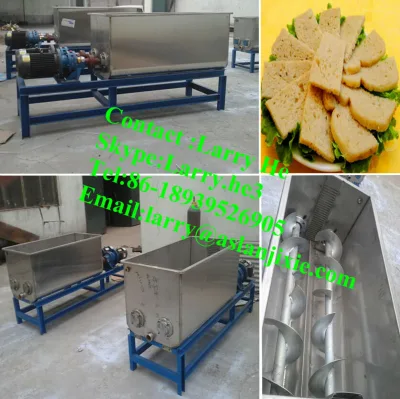
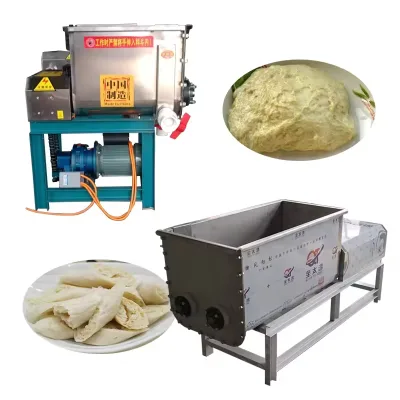
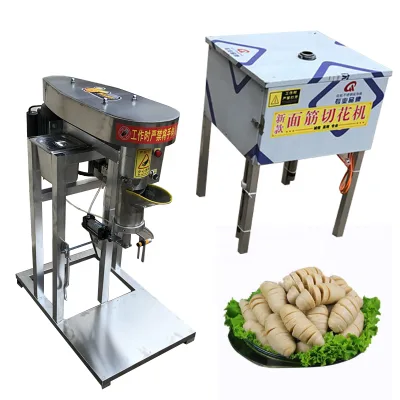
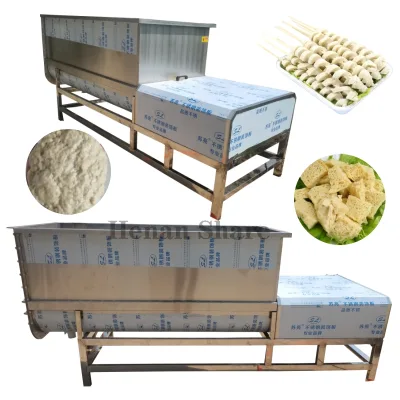


Comprehensive Sourcing Guide
Wet Steam Gluten Making Machine Supplier Concentration and Factory Types
Suppliers of wet steam gluten making machines on international B2B platforms are concentrated in China, and the current results show two province-level origins explicitly listed: Hebei and Henan. Hebei appears as the place of origin for several listed gluten washing and gluten making units, while Henan appears as a supplier location. Buyers should treat these as the visible reference points, but they should also confirm where a specific machine is actually produced, because a listing origin and a factory address do not always match. When broader results do not display a location, buyers can identify clusters indirectly by checking which listings state a place of origin, which company profiles show food machinery as a core category, and which profiles link the gluten machine to related dough or grain product equipment.
The company types visible in these results are a mix of manufacturers, trading companies, and combined manufacturer/factory profiles. Several profiles list main products such as commercial vegetable cutters, dough mixers, dough sheeters, bone cutting machines, and meat mincers, indicating food machinery specialists, while others list unrelated industrial equipment such as roll forming machines or brick making machines, indicating diversified factories or traders. Both types can supply valid machines: manufacturers may offer deeper technical control, and trading companies may offer wider catalogs. The practical point is to determine early which type you are dealing with, because it affects who controls production, who inspects the unit, and who handles warranty claims.
How to Verify Wet Steam Gluten Making Machine Suppliers
Verification should start with the credentials actually displayed in supplier results, then extend to documents the buyer requests directly. In the current results, system certifications include CE on one profile and ISO 9000, ISO 14001, and ISO 9001 on another, and on-site verification badges include Intertek and BV. These are meaningful filters, but they belong to specific profiles, not to every supplier on the page. A buyer should record which badge and which certification each candidate shows, then ask for the certificate number and scope so it can be checked against the issuing body. Note that system certifications cover management processes, not the specific machine, so a factory test report remains necessary.
Product-level evidence is the second verification layer. Several gluten machine listings state that a machinery test report is provided and that video outgoing inspection is provided, and one profile lists sample processing, graphic processing, and customized on demand among its research and development capabilities. Buyers should request these reports before placing an order and ask for a live video inspection of the exact unit being shipped, including the machine running with flour dough so the gluten washing and steaming cycle is visible. For manufacturers, verify the factory name on the invoice matches the verified profile. For trading companies, confirm who is contractually responsible for spare parts and warranty service, since one profile advertises a two-year warranty on listed machines.
What to Compare Across Wet Steam Gluten Making Machine Suppliers
Use the dimensions suppliers actually display rather than assuming every profile shows the same data. In the current results, quoted prices for gluten making and washing machines range from roughly 408 to 999 US dollars per unit depending on model, weight, and capacity, and one listing shows a minimum order quantity of one unit. Lead times shown include 15 and 20 days, and one profile shows a response time of two hours. These values are per supplier and per listing; a buyer should build a comparison sheet with columns for listed price range, MOQ, stated lead time, response speed, verification badge, certification, location, and company type, then fill it only from what is displayed or confirmed in writing.
Technical comparison matters as much as commercial comparison. Listed machine weights range from 95 to 165 kilograms, voltages span 220, 240, and 380 volts, and one pressing-type unit lists a 2.2 kilowatt motor, stainless steel material, a 10 to 30 kilogram capacity, and a 1000 by 410 by 860 millimeter footprint. Compare these attributes against your workshop power supply, floor loading, and output target. Also compare warranty length, customization availability, and whether the seller is manufacturer or trading company. Finally, compare main product lines: a supplier whose catalog is built around dough, gluten, and grain machinery is more likely to support spare parts and technical questions than one listing the machine alongside unrelated industrial equipment.
Common Wet Steam Gluten Making Machine Sourcing Risks
The most common risk is treating displayed attributes as universal. Verification badges, CE marking, ISO certifications, test reports, and video inspections appear on individual profiles in these results, not across all 24 suppliers on the page. A buyer who assumes every supplier holds the same credentials risks buying from an unverified profile. The same applies to prices: the low end of the listed range corresponds to lighter, smaller-capacity units, and assuming the cheapest listed price buys a heavy-duty 165-kilogram machine leads to disputes after ordering. Always match the quoted price to the exact model, weight, voltage, and capacity specification sheet.
A second risk cluster involves classification and logistics. Some listings sit under grain product making machines while others sit under other food processing machinery, and keywords overlap with gluten-free flour, pasta, and seitan making equipment, so a machine optimized for washing gluten dough may not be the same as one for shaping or molding seitan. Confirm the function you need in writing. Other risks include voltage mismatch with local supply, omission of water drainage requirements for washing units, and wooden packing versus other packing preferences. Finally, brand names shown on listings, such as those visible in the results, may not match the factory that ships the unit; confirm the brand, model number, and nameplate details before deposit payment to avoid receiving a substituted product.
Wet Steam Gluten Making Machine Regional Sourcing and Logistics
The confirmed origin signals in these results are Hebei and Henan, China, both major provinces for food and grain processing machinery manufacturing. Hebei is explicitly listed as the place of origin for several gluten washing and gluten making machines, including the 95, 110, and 121 kilogram models, and Henan is listed as a supplier location. Buyers sourcing multiple machines or planning a combined line of dough mixers, sheeters, and gluten washers may find it efficient to source from suppliers within the same province to consolidate inspection trips and container loading. However, logistics terms matter more than geography: confirm which supplier arranges inland transport to the port and which shipping terms apply.
Machine dimensions and weights drive freight cost. Listed units range from 95 to 165 kilograms with footprints around one meter, meaning several units can fit in a single shipment, and one supplier lists wooden packing, which is appropriate for sea freight. Confirm packing specifications in the contract, including whether the machine is shipped upright or disassembled. Lead times of 15 to 20 days shown in the results refer to production, not transit; add ocean or air transit time separately. For buyers in markets with 220 or 240 volt single-phase supply, confirm voltage and plug type before shipment, since listed machines support 220, 240, and 380 volt configurations, and changing electrical specifications after arrival is costly.
Wet Steam Gluten Making Machine Commercial Terms and Order Planning
Start order planning with the MOQ and price structure visible in the results. At least one supplier lists a minimum order quantity of one unit, which suits pilot testing before scaling, and listed unit prices range from about 408 to 999 US dollars depending on model. For a first order, a single-unit purchase lets you validate the washing and steaming cycle on your flour before committing to multiple machines. For repeat orders, negotiate based on confirmed specifications rather than the listing price, since listings for the same supplier's machines vary by weight, capacity, and accessories. Payment should be structured so a meaningful balance remains until the machinery test report and video outgoing inspection, both of which several listings state are provided, have been completed.
Timeline planning should account for production lead times of 15 to 20 days shown in these results, plus shipping, customs clearance, and installation. Order spare parts, particularly the motor and any belts or seals, with the first order, since one profile lists the motor as a core component. Confirm the warranty term in the contract; a two-year warranty appears on multiple listings, but the buyer must record who services claims and whether parts ship free. Finally, define acceptance criteria in writing: voltage, capacity in kilograms per batch, material grade, packing type, and nameplate details, so that inspection, payment release, and any dispute resolution reference a shared specification rather than marketing descriptions.
FAQs
What does a Wet Steam Gluten Making Machine do?
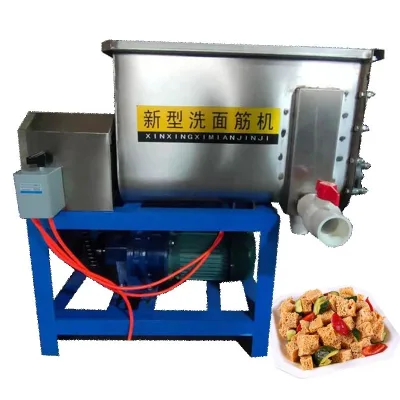
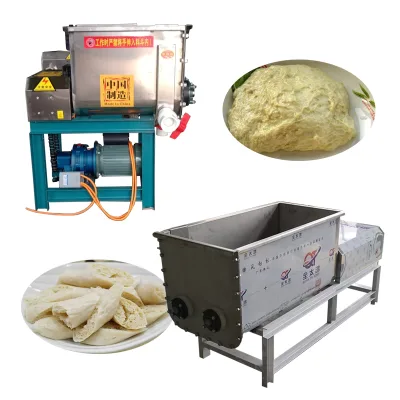
It washes wheat dough to separate gluten from starch and can use wet steam or heating to process the extracted gluten into a finished product. Most models listed are fully automatic, run on 220/240/380V, and are built with stainless steel contact parts. Buyers should confirm whether washing, pressing, and shaping stages are combined in one unit or require separate machines.
How much does a gluten making machine cost?
Listed prices for gluten making and washing machines range from about 408 to 999 USD per unit, depending on capacity and configuration. Smaller single-head washers sit at the lower end, while larger pressing and shaping models cost more. Request a current quotation with your target capacity, voltage, and destination port, as prices change with specifications and order volume.
What is the typical MOQ and lead time?
Minimum order quantity starts at one unit, which suits trial purchases and small food workshops. Lead times on the page range from 15 to 20 days after order confirmation, depending on the supplier and model. Confirm the exact production schedule before paying, and ask whether wooden export packing and pre-shipment inspection videos are included in the quoted lead time.
Which certifications should I verify before ordering?
Some suppliers on this page hold CE certification, and one trading company lists ISO 9000, ISO 9001, and ISO 14001 systems, with verification by Intertek or BV. Certification applies to the company or management system, not automatically to every machine. Always request the CE certificate number, the machinery test report, and a video outgoing-inspection record for the specific model you intend to buy.
What warranty and after-sales support can buyers expect?
Several gluten machine listings state a two-year warranty, with machinery test reports and video outgoing-inspection provided before shipment. Support scope beyond the warranty period varies by seller, so confirm in writing what covers motor and core components. Ask whether spare parts, remote guidance, or on-site service are offered, and get the response commitment documented in the purchase contract.
Can the machine be customized for different capacities?
Customization is available from at least one supplier, whose vertical pressing model handles roughly 10 to 30 kg per batch with 2.2kW power on a 380V supply. Other listings advertise high productivity with automatic operation and sample or customized processing capability. Before ordering, share your flour input volume, desired gluten output, and available power supply so the supplier can confirm a suitable configuration.