Wood Stove Suppliers and Manufacturers in China
Compare 18 verified Wood Stove suppliers from China Shandong, Guangdong, and Shanxi. Review lead times, certifications, and product specs like CE and ISO9001. Contact suppliers directly to request quotes for indoor and outdoor models; review the available evidence before requesting comparable quotations from suitable candidates.
Suppliers List

Qingdao Legend Metal Products Co., Ltd.
- Verified by SGS
- Trading Company
- China Shandong
- Lead time30 days
- Avg. response≤ 25h
Main productsPatio Heater, Outdoor Heater, Outdoor Gas Heater, Indoor Fireplace, Indoor Stove, Gas Fireplace, Wood Burning Fireplace, Gas Stove, Wood Burning Stove, Gas Fire Pit
Main marketsAfrica,Europe,Australia

- Combined
- China Guangdong
- Lead time23 days
- Avg. response≤ 22h
Main productsMetal Stamping Parts, Stamping Parts, Metal Sheet Parts, CNC Parts, Metal Spare Parts, Turning Parts, CNC Machining Parts, Laser Cutting Metal Parts, Metal Brackets, Pressed Parts
Main marketsSoutheast Asia/ Mideast,East Asia(Japan/ South Korea),Europe,Australia,North America
Shanxi C-Trying Machinery Equipment Co., Ltd
- Verified by SGS
- Trading Company
- China Shanxi
- Lead time30 days
- Avg. response≤ 2h
Main productsGasoline Generator, Diesel Generator, DC Generator, Gas Generator, Permanent Magnet Generator, Submersible Mixer, Centrifugal Fan, Solar Generator, Solar Panel, Generator Parts
Main marketsAfrica

Qingdao Vold Machinery Manufacturer Co., Ltd.
- Combined
- China Shandong
- Lead time30 days
- Avg. response≤ 5h
Main productsPedal Go Kart, Kids Balance Bike, Kids Tricycle, Kids Mini Digger, Fire Ring, BBQ
Main marketsEurope,North America


Square Wood Stove with Mesh Spark Screen
Contact supplier

Jinan Chaowan Furnace Technology Co., Ltd.
- Verified by CTI
- Manufacturer/Factory
- China Shandong
- Lead time0 days
- Avg. response≤ 3h
Shengzhou Huimei International Trade Co., Ltd.
- Verified by TUVRHEINLAND
- Combined
- China Zhejiang
- Lead time30 days
- Avg. response≤ 5h
Main productsWood Stove, Charcoal Stove, Pellet Stove
Main marketsAfrica,Southeast Asia/ Mideast,North America


Small Wood Burning Stove Cheap Wood Stoves for Sale Wood Stove Camping Outdoor
$31.50 - $42.00
MOQ: 10 pieces

Jilin Artel New Materials Co., Ltd.
- Verified by BV
- Trading Company
- China Jilin
- Lead time30 days
- Avg. response≤ 3h
Main productsFishing Sinker, Camping Stove, Firewood Stove, Fishnet Sinker, Wood Burning Stove, Outdoor Stove, Fishing, Lead Free Sinker
Main marketsEast Asia(Japan/ South Korea)

HENAN JINBAILAI INDUSTRIAL CO., LTD.
- Verified by BV
- Trading Company
- China Henan
- Lead time23 days
- Avg. response≤ 4h
Main productsBBQ, Gas Fire Pit, Wood Fireplace, Stove, Steel Planter, Metal Decors, Garden Furniture, Garden Landscape
Main marketsEurope,North America
Xuzhou Best Arts & Crafts Co., Ltd.
- Verified by SGS Group
- Manufacturer, Trading Company
- Jiangsu, China
- Lead time30 days
- Avg. response≤ 6h
Main productsEcodesign Ready Stove, Wood Stove, Insert Stove, Cast Iron Stove, Fireplace
Main marketsNorthern Europe(40%), Western Europe(20%), North America(15%)
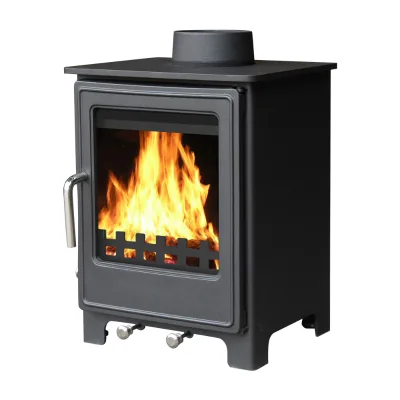
Wood Stove with Grate and Ashtray Easy to Clean Ash Wood Safe Real Fire
$197.85 - $218.24
MOQ: 20 sets
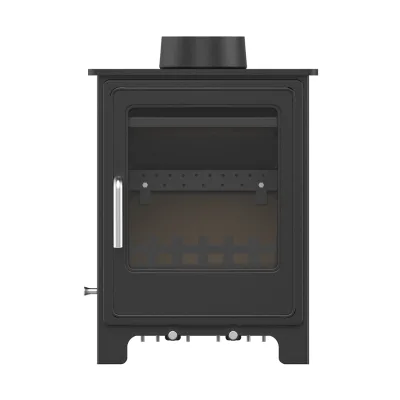
$194.00 - $214.00
MOQ: 20 sets
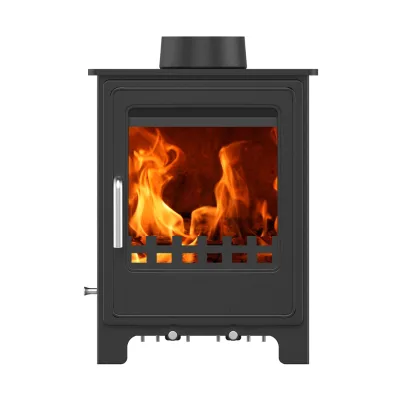
$200.59 - $221.27
MOQ: 20 sets

Suzhou Rainbow Environmental Equipment Co., Ltd.
- Combined
- China Jiangsu
- Lead time60 days
- Avg. response≤ 1h
Main productsFireplace Chimney, Stove Chimney, Stainless Steel Chimney, Steel Pipe, Cartoon Steel Pipe, Flue Kits, Flue Pipe, Fireplace, Stove, Chimney
Main marketsDomestic,Europe,Australia,North America

Qingdao Tianhua Yihe Foundry Factory
- Verified by TUVRHEINLAND
- Manufacturer/Factory
- China Shandong
- Lead time23 days
- Avg. response≤ 1h
Main productsSheet Metal Fabrication, Metal Welding Parts, Steel Fabrication Parts, CNC Machining Parts, Cast Iron/Steel/Stainless Steel/Aluminum Casting, Bollard, Agricultural Machinery Parts, Pump Parts, Auto Parts, Machinery Parts
Main marketsSouth America,Eastern Europe,Mid East,North America,Southeast Asia,Eastern Asia,Oceania,Western Europe,Africa

Portable Wood Burning Stove Herd Camping Stove Wood BBQ Rack Stainless Steel Stove
$10.00 - $30.00
MOQ: 50 Pieces

Outdoor Charcoal Firewood Burning Stoves Stainless Steel Kitchen Equipment Cooking Stoves
$10.00 - $30.00
MOQ: 50 Pieces

Zhejiang Haoda Electrical Appliance Co., Ltd.
- Combined
- China Zhejiang
- Lead time30 days
- Avg. response≤ 4h
Main productsFloor Cleaner, Deep Fryer, Infrared Ceramic Cooker, Electric Hotplate, Electric Buffet Warmer, Electric BBQ, Electric Chopper, Vacuum Cleaner, Air Fryer
Main marketsSoutheast Asia/ Mideast,Europe,North America

Guangzhou Sunrry Kitchen Equipment Co., Ltd.
- Verified by CTI
- Trading Company,Manufacturer/Factory
- China Guangdong
- Lead time30 days
- Avg. response≤ 3h
Main productsCommercial Kitchen Solutions, Turnkey Kitchen Solutions, Catering Equipment, Restaurant Equipment, Commercial Refrigeration Equipment, Commercial Bakery Equipment, Commercial Cooking Equipment, Stainless Steel Equipment, Commercial Food Prep Equipment, Commercial Kitchen Equipment
Main marketsSouth America,Eastern Europe,Mid East,North America,Southeast Asia,Eastern Asia,Oceania,Western Europe,Africa
Shaanxi Ruitai Kitchen Industry Co., Ltd.
- Verified by SGS Group
- Manufacturer, Trading Company
- Lead time7 days
- Avg. response≤ 2h
Main productsKitchen Equipment, Kitchenware, Wok Stove
Main marketsSoutheast Asia(40%), North America(30%), Africa(10%)
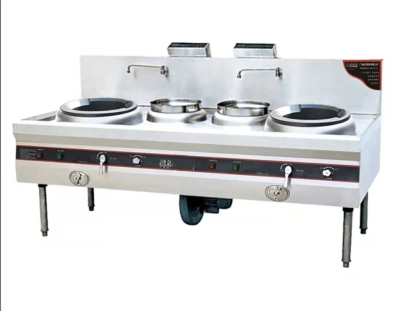
Multiple Burner Gas Stove with High Quality
$742.92 - $804.83
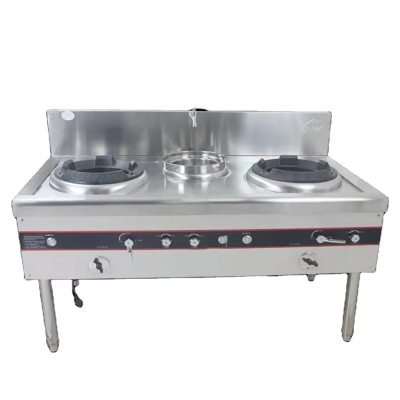
Cooking Stoves /Stainless Steel Kind Gas
$720.00 - $780.00

Jiangmen SHT Metal Products Co., Ltd.
- Manufacturer
- China Guangdong
- Lead time30 days
- Avg. response≤ 3h
Main productsPizza Oven, BBQ Grill, Outdoor Kitchen, Gas Grill, Kitchen Cabinet, Barbecue Grill, Charcoal Grill, BBQ Gas Grill, Outdoor Grill, Gas Pizza Oven
Main marketsEurope,Australia,North America

Shandong Zhanhong Metal Products Co., Ltd
- Verified by BV
- Manufacturer/Factory
- China Shandong
- Lead time23 days
- Avg. response≤ 5h
Main productsFire Pit, Garden Planter, BBQ Fireplace, Screen
Main marketsEastern Europe,Mid East,North America,Eastern Asia,Oceania,Western Europe

Ningbo Jewin Electrical Appliances Co., Ltd.
- Verified by BV
- Trading Company,Manufacturer/Factory
- China Zhejiang
- Lead time23 days
- Avg. response≤ 7h
Main productsAir Fryer, Air Fryer Oven, Water Filter, Water Dispenser, Blender, Stand Mixer, Juicer, Ice Maker, Coffee Maker, Washing Machine
Main marketsSouth America,Eastern Europe,Mid East,North America,Southeast Asia,Eastern Asia,Oceania,Western Europe,Africa

$14.90 - $15.50
MOQ: 100 Pieces

$12.70 - $13.20
MOQ: 100 Pieces

$14.60 - $15.10
MOQ: 100 Pieces
- Verified by TUVRHEINLAND
- Trading Company,Manufacturer/Factory
- China Zhejiang
- Lead time23 days
- Avg. response≤ 6h
Main productsKitchenwares, Homewares, Kitchen Gadgets, Kitchen Utensils, Kitchen Accessories, Home Organizations, Kitchen Tools
Main marketsSouth America,Eastern Europe,Mid East,North America,Southeast Asia,Eastern Asia,Oceania,Western Europe,Africa


Comprehensive Sourcing Guide
Wood Stove Supplier Concentration and Factory Types
Current data indicates a concentration of Wood Stove manufacturers and trading entities within specific Chinese provinces, notably Shandong, Guangdong, and Shanxi. Suppliers in Shandong often list diverse heating solutions including indoor fireplaces, gas stoves, and outdoor heaters, suggesting a broad manufacturing base for residential and commercial heating units. In contrast, facilities in Guangdong frequently specialize in portable camping stoves and metal stamping parts, indicating a cluster focused on lightweight, outdoor, and precision-engineered metal components. Shanxi-based suppliers appear to integrate generator production with Wood Stove offerings, potentially signaling a facility capable of handling complex metal fabrication and power equipment alongside heating appliances.
The company types observed vary significantly, ranging from pure trading companies to combined entities offering both OEM and ODM services. Some suppliers are verified by third-party agencies like SGS, which adds a layer of credibility to their operational claims, while others display ISO9001:2015 and ISO14001:2015 certifications, highlighting a focus on quality management and environmental standards. Buyers should note that a trading company may offer a wider variety of models from different factories, whereas a combined or manufacturing entity might provide more direct control over customization and production timelines. Understanding whether a supplier is a factory or a trader is essential for negotiating prices and verifying the origin of specific product attributes like material composition or safety features.
How to Verify Wood Stove Suppliers
Verification begins with checking for recognized third-party audit reports and system certifications that confirm a supplier's operational legitimacy. For instance, some suppliers in the current results hold SGS verification status, while others display ISO9001:2015 and ISO14001:2015 certificates, which are critical for ensuring consistent manufacturing quality and environmental compliance. Buyers must request these documents directly rather than relying on summary badges, as the specific scope of the certification determines its relevance to Wood Stove production. Additionally, confirming the supplier's physical location against their claimed address is a fundamental step to ensure they are not merely a middleman without direct access to the manufacturing floor.
Beyond certifications, buyers should assess the depth of product evidence provided, such as detailed specifications for models like the RWS-02 or VDCS180. These records often include precise dimensions, material types like stainless steel or cast iron, and safety features such as flame safety devices or overheating protection. A legitimate supplier will provide comprehensive product attributes including packing standards, origin details, and specific model numbers that can be cross-referenced with shipping documents. If a supplier cannot provide detailed technical sheets or if the product attributes seem inconsistent with the claimed manufacturing capabilities, this serves as a red flag. Buyers should also verify the response time, as a delay in communication often correlates with a lack of transparency or operational inefficiency in the supply chain.
What to Compare Across Wood Stove Suppliers
When evaluating potential partners, the lead time is a primary metric that varies significantly between different supplier types and locations. Current data shows lead times ranging from 23 days to 30 days, with some suppliers offering faster turnaround for specific items. This variation often depends on the complexity of the product, such as whether it requires custom metal stamping or standard assembly. Buyers must compare these timelines against their own inventory needs, understanding that a shorter lead time might come at a higher cost or with limited customization options. It is crucial to clarify whether the quoted lead time includes production, quality control, and packaging, or if it only covers the manufacturing phase.
Another critical comparison point is the Minimum Order Quantity (MOQ) and the associated pricing structure. Results indicate MOQs ranging from as low as 1 unit for portable camping stoves to 100 or 24 units for larger indoor wood burning stoves. This disparity highlights the difference between suppliers catering to small-scale retail or dropshipping versus those serving bulk commercial projects. Buyers should also compare response times, which can range from under two hours to over twenty-five hours, as this impacts the speed of negotiation and problem resolution. Additionally, the availability of customization services, such as logo printing or specific color finishes, should be weighed against the MOQ requirements, as some suppliers may only offer customization for larger orders.
Common Wood Stove Sourcing Risks
One significant risk involves the discrepancy between product descriptions and actual manufacturing capabilities, particularly regarding safety certifications and material quality. While some listings claim CE certification and the inclusion of flame safety devices, buyers must verify if these claims apply to the specific model being ordered or if they are generic statements. There is a risk that a supplier might list a product with high-efficiency features like overheating protection but deliver a unit with different specifications. This mismatch can lead to compliance issues in the destination market, especially for indoor heating appliances that must meet strict safety standards. Buyers should insist on pre-shipment inspections to ensure the physical product matches the advertised attributes.
Another risk is the potential for supply chain disruptions due to the diverse nature of the supplier base, which includes trading companies and combined manufacturers. Trading companies may not have direct control over production schedules, leading to delays if the underlying factory faces capacity issues. Furthermore, the variation in packaging standards, from wood pallets to cloth bags or export cartons, can affect the safety of the goods during transit. If a supplier uses inadequate packaging for heavy items like cast iron stoves, the risk of damage increases significantly. Buyers should also be wary of suppliers who do not clearly state their origin or who provide vague information about their main products, as this can indicate a lack of specialization or transparency in their operations.
Wood Stove Regional Sourcing and Logistics
Geographic location plays a pivotal role in determining shipping costs and logistics efficiency for Wood Stove procurement. Suppliers in Shandong, Guangdong, and Shanxi offer distinct advantages based on their proximity to major ports and industrial hubs. For instance, facilities in Guangdong, such as those in Shenzhen, may benefit from established logistics networks for exporting smaller, portable camping stoves, while Shandong-based manufacturers might be better positioned for shipping larger, heavier indoor units. Buyers should calculate the total landed cost by factoring in freight charges from these specific regions, as distance and port accessibility can significantly impact the final price. Understanding the regional strengths helps in selecting a supplier that aligns with the specific logistical requirements of the order.
Logistics planning must also account for the specific dimensions and weight of the products, which vary widely across different models. Data shows product sizes ranging from compact camping stoves measuring 180x180x215 mm to larger indoor units with dimensions like 950x950x1420 mm. These variations dictate the type of container required and the number of units that can be shipped per container, directly affecting freight efficiency. Buyers should verify the packing details, such as whether items are packed on wood pallets or in color boxes, to ensure they fit standard shipping configurations. Additionally, the origin of the product, whether from Shenzhen or other specific cities, should be confirmed to avoid unexpected customs delays or misclassification of goods during international transit.
Wood Stove Commercial Terms and Order Planning
Commercial terms regarding pricing and payment structures are essential for effective order planning and budget management. Current data reveals price ranges for portable stoves starting as low as $4.41 up to $7.50, while larger indoor units may have different pricing tiers based on volume and customization. Buyers must clarify whether these prices are based on FOB, CIF, or other Incoterms, as this determines who bears the risk and cost during transit. It is also vital to understand if the quoted price includes all necessary certifications and packaging materials, as hidden costs can erode profit margins. Establishing a clear price structure early in the negotiation process helps prevent disputes and ensures that the final invoice matches the initial agreement.
Order planning should also consider the customization options and the associated lead times for non-standard requests. Many suppliers indicate that customization is available, but this often extends the production timeline beyond the standard lead time. Buyers need to coordinate their marketing and sales schedules with the supplier's production capacity to avoid stockouts or missed delivery windows. Furthermore, the availability of OEM and ODM services should be evaluated to determine if the supplier can support private labeling or specific design modifications. By aligning the order volume with the supplier's capacity and lead time, buyers can ensure a smooth supply chain that meets market demand without unnecessary delays or inventory buildup.
FAQs
What is the typical lead time for Wood Stove orders?
Manufacturers generally require 23 to 30 days to produce and ship wood stoves. This timeframe allows for quality checks and proper packaging. Buyers should confirm exact schedules with suppliers before placing orders to ensure timely delivery for their projects.
What is the minimum order quantity for wood stoves?
Minimum order quantities vary significantly by product type. Portable camping stoves often have an MOQ of just one unit, while indoor wood burning stoves typically require orders of 24 to 100 units. Buyers should check specific product listings for exact thresholds.
Are wood stoves certified for safety standards?
Many portable and camping wood stoves carry CE certification to ensure compliance with safety regulations. Some manufacturers also hold ISO9001:2015 and ISO14001:2015 system certifications. Buyers should verify specific product certificates and request test reports to confirm safety compliance.
What materials are used in Wood Stove construction?
Stoves are commonly constructed from stainless steel for durability and heat resistance. Some models feature heat-resistant glass and power-coated finishes. Indoor stoves may include modern styles with black or silver colors. Buyers should review product specifications to confirm material composition.
Where are Wood Stove manufacturers located?
Manufacturers are primarily located in China, specifically in Shandong, Guangdong, and Shanxi provinces. These regions offer diverse production capabilities ranging from trading companies to combined manufacturing facilities. Buyers can filter suppliers by location to optimize logistics and shipping costs.
What features do modern wood stoves offer?
Modern wood stoves often include features like flame safety devices, folding designs for portability, and easily assembled structures. Some models offer customization options and remote control capabilities. Buyers should evaluate specific product attributes to match their functional requirements and usage scenarios.