Wooden Surveying Tripod for Theodolite Suppliers and Manufacturers
Compare 15 verified suppliers offering Wooden Surveying Tripod for Theodolite with details on lead times, response times, and certifications. Review product specifications like material and weight to select the right option for your project needs; review the available evidence before requesting comparable quotations from suitable candidates.
Suppliers List

- Trading Company
- China Jiangsu
- Lead time15 days
- Avg. response≤ 2h
Main productsLaser Level, Surveying Instrument, Surveying Equipment, Leica Prism, Survey Prisms, Levelling Staffs, Tribrachs and Adapters, Instrument Tripods, Automatic Level, Laser Line
Main marketsSoutheast Asia/ Mideast,Europe,Australia,North America


Wooden Tripod for Theodolite with Double Locks (Screw-Clamp & Fast Clamp)
$40.00 - $42.00
MOQ: 1 Pieces


1.55m Aluminum Tripod with Double Locks for Theodolite, Total Station, Autolevel
$31.00 - $32.00
MOQ: 1 Pieces

Mount Laser (Changzhou) Instrument Co., Ltd.
- Verified by SGS
- Combined
- China Jiangsu
- Lead time15 days
- Avg. response≤ 3h
Main productsSurveying Tripod, Surveying Pole, Surveying Prism, Adapter Tribrach, Leveling Staff, Auto Level, Theodolite, Optical Collimator
Main marketsSouth America,Africa,Southeast Asia/ Mideast,East Asia(Japan/ South Korea),Europe,Australia,North America


Factory Price Land Surveying Wooden Tripod for Total Station Survey Tripod Stand
$36.99 - $53.50
MOQ: 5 Pieces

Henan Dayu Import And Export Co., Ltd.
- Verified by TüVRheinland
- Trading Company
- Lead time0 days
- Avg. response≤ 3h
Main productsGPS RTK, Total Station, Auto Level, Unmanned Ship, Surveying Accessories

SHANGRAO HAODI IMP&EXP TRADING CO., LTD.
- Verified by BV
- Trading Company
- China Jiangxi
- Lead time15 days
- Avg. response≤ 4h
Main productsGnss Rtk, Total Station, Slam Scanner, Optical Level & Laser Plummet, Theodolite, Level Staff&Tripod, Measuring Wheel, Prism Pole&Prism Set, Tribrach and Adapter, Surveying Accessories
Main marketsSouth America,Africa,Southeast Asia/ Mideast


Surveying Accessories Fiberglass Tripod for Total Station Serveying Device
$45.00 - $53.00
MOQ: 1 Pieces


Suzhou Zeland Electronic Technology Co., Ltd.
- Verified by SGS
- Trading Company
- China Jiangsu
- Lead time15 days
- Avg. response≤ 6h
Main productsTotal Station, Mini Prism, High Pressure Washer, Rtk Gnss, Aluminum Tripod, Battery and Charger for Total Station, Fogger Machine, Auto Level, Self Levelling Staff, Tribrach
Main marketsSouth America,Eastern Europe,Mid East,North America,Southeast Asia,Eastern Asia,Oceania,Western Europe,Africa


Carbon Fiber Surveying Tripod for Prism Pole Surveying Instrument Total Station
$70.00 - $75.00
MOQ: 1 Pieces


High Quality Heavy Duty Wooden Tripod for Surveying Instrument Total Station
$68.00 - $69.00
MOQ: 1 Pieces

Shanghai Hexin Survey Instrument Co., Ltd.
- Verified by BV
- Trading Company
- China Shanghai
- Lead time30 days
- Avg. response≤ 12h
Main productsRtk GPS, Total Station, Theodolite, Auto Level, Tripod, Prism, Prism Pole, Leveling Staff, Collimator, Tribrach
Main marketsSouth America,Africa,Southeast Asia/ Mideast

Shaanxi Deruite Industry & Trading Co., Ltd.
- Trading Company
- Shaanxi, China
- Lead time0 days
- Avg. response≤ 6h
Main productsSURVEYING INSTRUMENT AND ACCESSORIES,TOTAL STATION,THEODOLITE,AUTOLEVEL,COLLIMATOR
Main marketsSouthern Europe(10.00%), Oceania(10.00%), Northern Europe(10.00%), Southeast Asia(10.00%), Eastern Europe(10.00%), South America(10.00%), North America(10.00%), South Asia(7.00%), Mid East(5.00%), Africa(5.00%), Eastern Asia(5.00%), Western Europe(5.00%), Central America(3.00%)
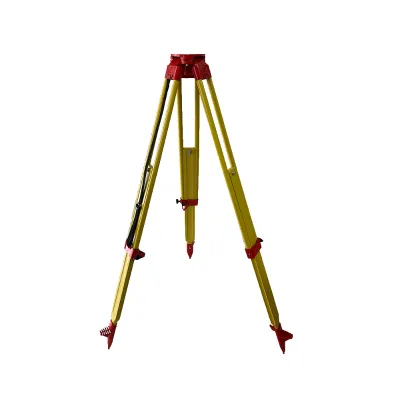
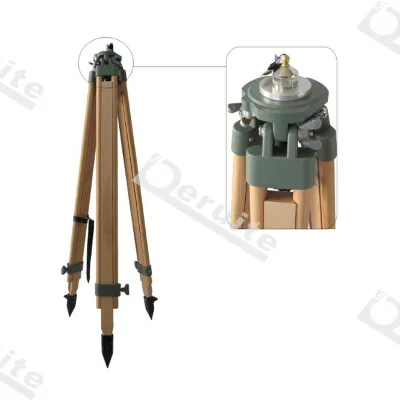
Professional Wood Surveying Tripod with Screw Lock for Theodolite and Total Station SDI001-2
$68.00 - $75.00
MOQ: 1 pieces
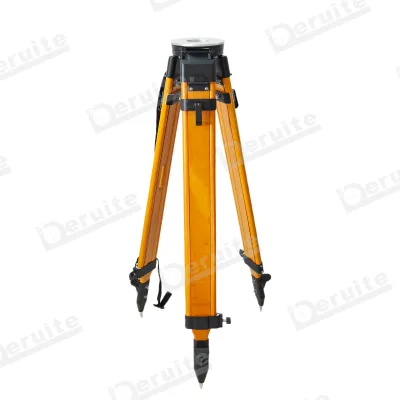
$63.36 - $70.52
MOQ: 1 pieces
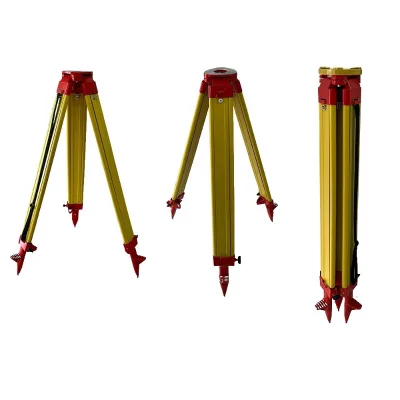
Wooden Tripod SDI001-2 for Total Station and Theodolite
$68.00 - $75.00
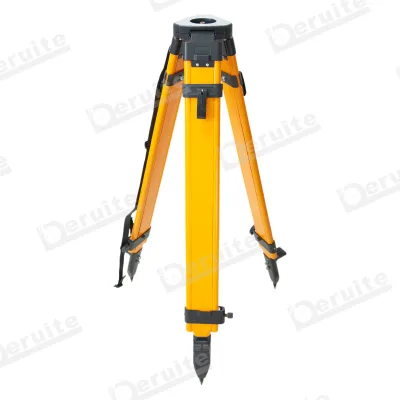

Shaanxi Deruite Industry and Trade Co., Ltd.
- Verified by BV
- Trading Company
- China Shaanxi
- Lead time23 days
- Avg. response≤ 6h
Main productsSurveying Instrument, Accessories, Tripod, Staff, Prism, Prism Poles
Main marketsSouth America,Africa,Southeast Asia/ Mideast,East Asia(Japan/ South Korea),Europe,Australia,North America

Shanghai Apekstool Optoelectronic Technology Co., Ltd.
- Trading Company
- Shanghai, China
- Lead time3 days
- Avg. response≤ 2h
Main productsGNSS RTK GPS Receiver,Total station,Electronic theodolite,Auto level,Laser level
Main marketsSouth America(20.00%), Africa(20.00%), Southeast Asia(18.00%), Mid East(15.00%), Eastern Asia(10.00%), Domestic Market(5.00%), North America(5.00%), Eastern Europe(1.00%), South Asia(1.00%), Southern Europe(1.00%), Northern Europe(1.00%), Central America(1.00%), Western Europe(1.00%), Oceania(1.00%)
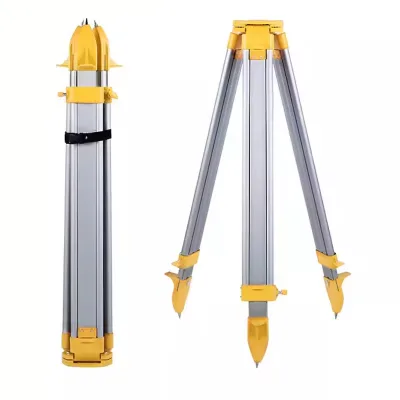
Heavy Duty Surveying Tripod Aluminum Tripod for Total Station Theodolite GPS Survey Equipment
$30.66 - $36.79
MOQ: 10 pieces
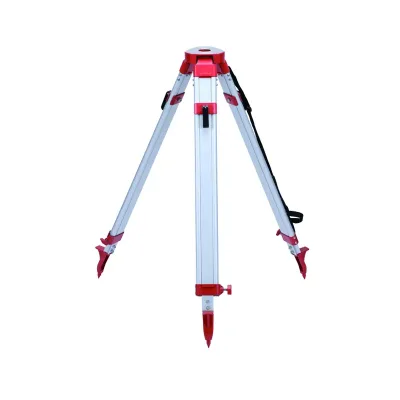

- Trading Company,Manufacturer/Factory,Group Corporation
- China Tianjin
- Lead time23 days
- Avg. response≤ 14h
Main productsSurveying Instrument Surveying Equipment, Laser Scanners Laser Trackers Lidar Slam, Total Stations Reflectorless Total Stations, Automatic Level Digital Level Transit Level, Electronic Theodolite Laser Theodolite, Surveying Tripods Laser Tripod Prism Tripod, GPS Pole Prism Pole Laser Pole GPS Tripod, Leveling Staffs Laser Level Grade Laser Level, Monitoring Prism Mini Prism Prism Tribrach, Laser Measure Traverse Prism Kit
Main marketsSouth America,Eastern Europe,Mid East,North America,Southeast Asia,Eastern Asia,Oceania,Western Europe,Africa


Geomaster 75mm Tripod Center Screw for Light-Duty Surveying Tripods-Aluminum Tripods, Wooden Tripods
Contact supplier
MOQ: 100 Pieces


Nanjing Haoce Surveying And Mapping Technology Co., Ltd.
- Trading Company
- Jiang Su, China
- Lead time5 days
- Avg. response≤ 4h
Main productsGNSS RTK,GPS RECEIVER,Total station,theodolite,level
Main marketsSoutheast Asia(60.00%), Mid East(20.00%), Africa(20.00%)

Shenzhen Bokai Photoeletric Technology Co., Ltd.
- Verified by SGS
- Combined
- China Guangdong
- Lead time15 days
- Avg. response≤ 6h
Main productsSurveying Instrument
Main marketsSouth America,Africa,Southeast Asia/ Mideast,East Asia(Japan/ South Korea),Domestic,Europe,Australia,North America
Jining Dingsheng Surveying And Mapping Instrument Co., Ltd.
- Verified by Intertek
- Trading Company
- Lead time10 days
- Avg. response≤ 2h
Main productsGNSS Receiver, Total Station, Auto Level, Theodolite, 3D Laser Scanner
Main marketsSouth America(30%), North America(20%), Southeast Asia(20%)
Sanming Sky Beidou Surveying And Mapping Equipment Co., Ltd.
- Verified by SGS Group
- Trading Company
- Lead time14 days
- Avg. response≤ 1h
Main productsRTK, Total Station, Auto Level, Theodolite, 3D Laser Scanner
Jiangbei District Qianlixing Surveying And Mapping Instruments Business Department
- Trading Company
- Chongqing, China
- Lead time0 days
- Avg. response≤ 2h
Main productsRTK,total station
Main marketsAfrica(30.00%), South Asia(20.00%), South America(20.00%), North America(15.00%), Western Europe(15.00%)
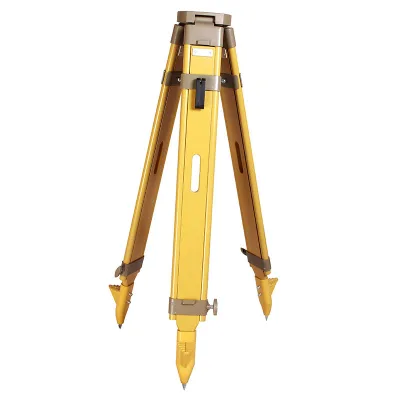
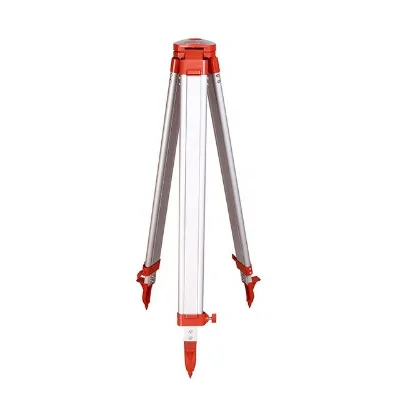


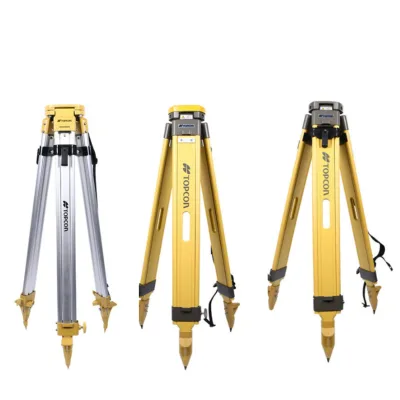
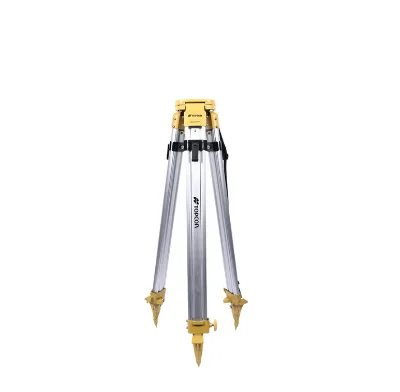


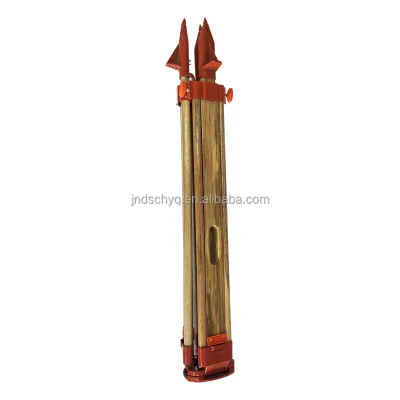
Comprehensive Sourcing Guide
Wooden Surveying Tripod for Theodolite Supplier Concentration and Factory Types
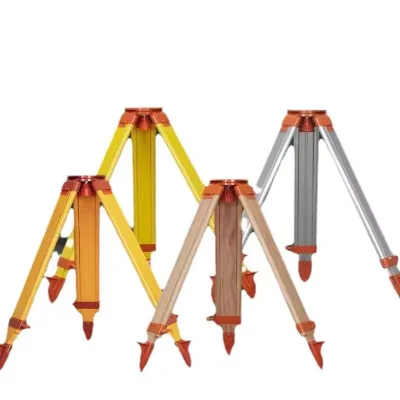
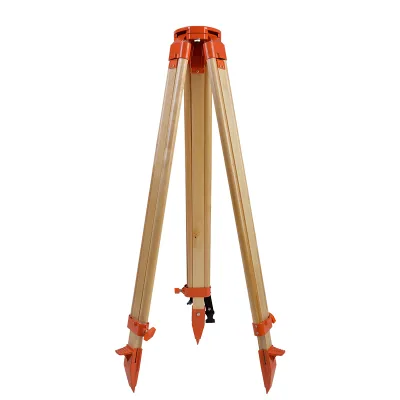
Current data indicates a concentration of suppliers in China Jiangsu, where specific manufacturers and trading companies offer wooden surveying tripods for theodolite. The observed supplier types include Trading Companies and Combined entities, suggesting a mix of direct factory operations and intermediary distribution networks. Some suppliers list main products ranging from laser levels to surveying prisms, while others focus specifically on instrument parts and accessories like telescopic tripods. This clustering in Jiangsu implies a regional supply chain advantage for wooden materials, such as beech wood, which appears in product specifications for heavy-duty models. Buyers should verify if the supplier is a direct manufacturer or a trading company to understand the depth of their production control and customization capabilities.
When assessing factory types, note that some entities offer ODM and OEM services with own brand capabilities, while others operate primarily as trading firms. The presence of ISO9001:2015 certification in some profiles suggests a baseline for quality management, though other suppliers may list NIL for system certification. Buyers must distinguish between suppliers who manufacture the beech wood tripods in-house and those who source them from third parties. The variation in company types affects the ability to request custom modifications, such as specific clamping styles or head dimensions. Understanding whether a supplier is a trading company or a combined manufacturer is critical for negotiating lead times and ensuring the structural integrity of the wooden components used in surveying equipment.
How to Verify Wooden Surveying Tripod for Theodolite Suppliers
Verification begins by checking for specific system certifications like ISO9001:2015, which some suppliers display, while others may lack visible credentials. Buyers should look for third-party verification badges such as SGS, which appears in product attributes for certain wooden tripods, indicating that the product has undergone specific standard checks. It is essential to confirm if the supplier is verified by external agencies, as this adds a layer of trust regarding their business legitimacy and product quality. The absence of a certification does not automatically disqualify a supplier, but it requires deeper due diligence into their production history and past client references. Always request proof of these certifications directly rather than relying solely on profile summaries.
Response time and communication speed are also key verification metrics, with observed response times ranging from 1.44 to 2.68 units. A faster response time often correlates with better customer service and more active supply chain management. Buyers should test the supplier's responsiveness by asking specific questions about material sourcing, such as the origin of the beech wood or the specific clamping mechanisms used. Additionally, verify the supplier's ability to provide detailed product attributes, including weight, extended length, and head thread specifications. If a supplier cannot immediately provide these technical details, it may indicate a lack of direct product knowledge or reliance on generic listings. Confirming these details ensures the supplier can meet the precise requirements of your surveying projects.
What to Compare Across Wooden Surveying Tripod for Theodolite Suppliers
When comparing suppliers, focus on lead times, which are observed at 15 days for some orders, and minimum order quantities (MOQ) that can vary from 1 piece to 5 pieces. Price ranges also differ significantly, with some wooden tripods listed between 27.00 and 37.00, while others range from 40.00 to 77.00. These variations often reflect differences in material quality, such as the use of beech wood versus other timber, or the complexity of the locking mechanisms like side screws versus dual locks. Buyers should create a comparison matrix that includes these financial and logistical metrics to identify the most cost-effective option that still meets quality standards. Do not assume that a lower price indicates inferior quality, but verify the material specifications to ensure durability.
Another critical comparison point is the customization availability and after-sales service terms. Some suppliers explicitly state that customization is available, offering options for specific lengths or head styles, while others may have limited flexibility. Warranty periods, such as the 1-year warranty found in several product listings, should be compared alongside the scope of after-sales support. Check if the supplier offers specific services like repair or replacement for damaged wooden legs. Additionally, compare the product standards, such as SGS certification, and the origin of the goods, which is consistently listed as Jiangsu, China, or simply China. These factors collectively determine the long-term value and reliability of the supplier partnership for your surveying equipment needs.
Common Wooden Surveying Tripod for Theodolite Sourcing Risks
One significant risk involves the variability in material quality, particularly regarding the type of wood used. While beech wood is a common specification for heavy-duty tripods, some suppliers may not clearly disclose the wood grade or treatment process. This can lead to issues with durability, especially in harsh environmental conditions where moisture resistance is crucial. Buyers must verify the material composition and ask for evidence of wood treatment to prevent warping or cracking. The absence of detailed material specifications in a product listing is a red flag that requires immediate clarification before placing an order. Ensuring the wood is properly treated is essential for maintaining the stability of theodolite and total station instruments.
Another risk is the inconsistency in product dimensions and weight, which can affect the balance and portability of the surveying setup. Product attributes show collapsed lengths ranging from 1020mm to 110cm and extended lengths up to 180cm, with weights varying from 3.9kg to 6.7kg. If a supplier provides inaccurate dimensions, it could lead to compatibility issues with existing instruments or transport difficulties. Additionally, the clamping style, such as side screws or twist locks, must match the instrument requirements to ensure secure mounting. Buyers should request physical samples or detailed technical drawings to confirm that the dimensions and locking mechanisms meet their specific operational needs. Failure to verify these physical attributes can result in equipment failure during critical surveying tasks.
Wooden Surveying Tripod for Theodolite Regional Sourcing and Logistics
Sourcing from China Jiangsu offers logistical advantages due to the region's established manufacturing infrastructure for surveying instruments. The concentration of suppliers in this area facilitates efficient shipping and potentially lower freight costs for bulk orders. However, buyers must account for the lead time of 15 days, which includes production and initial processing before shipment. Understanding the specific logistics capabilities of the supplier is vital, as some may offer standard export cartons while others use soft bags or custom packaging. The origin of the product, consistently listed as Jiangsu or China, suggests a centralized supply chain that can streamline the procurement process. Buyers should inquire about the specific shipping methods and packaging standards to ensure the wooden tripods arrive without damage.
Logistics planning also involves considering the impact of regional trade policies and customs regulations on the import of wooden products. Since the tripods are made of wood, they may be subject to specific phytosanitary requirements or inspections upon arrival in the destination country. Buyers should verify if the supplier handles the necessary documentation for wood export, such as fumigation certificates, to avoid delays at customs. The packaging type, whether standard export cartons or soft bags, plays a crucial role in protecting the product during transit. Additionally, the weight of the tripods, ranging from 3.9kg to 6.7kg, affects shipping costs and handling requirements. Proper logistics planning ensures that the equipment arrives on time and in perfect condition for immediate use in the field.
Wooden Surveying Tripod for Theodolite Commercial Terms and Order Planning
Commercial terms vary significantly among suppliers, with payment options including PayPal, TT, Western Union, and Trade Assurance. Buyers should prioritize suppliers that offer secure payment methods like Trade Assurance to protect their financial interests. The minimum order quantity (MOQ) is another critical factor, with some suppliers accepting orders as low as 1 piece, while others require a minimum of 5 pieces. This flexibility allows buyers to test the product quality before committing to larger volumes. Additionally, the price range, which spans from 27.00 to 77.00, should be evaluated against the specific features and warranty terms offered. Understanding these commercial terms helps in budgeting and planning the procurement cycle effectively.
Order planning must also consider the warranty and after-sales service provisions, which are typically listed as 1 year or Yes for support. Buyers should clarify the scope of the warranty, including coverage for material defects or manufacturing errors. The availability of customization, such as specific lengths or head styles, should be confirmed early in the planning phase to avoid delays. Suppliers offering OEM support can tailor the product to specific brand requirements, which is beneficial for companies looking to standardize their equipment. Finally, verify the response time and communication channels to ensure timely updates on order status. Effective order planning ensures that the wooden surveying tripods are delivered when needed, supporting the continuity of surveying operations without interruption.
FAQs
What is the price range for wooden surveying tripods?
Prices for wooden surveying tripods range from 27 to 77 dollars per unit depending on the specific model and material specifications. Some heavy-duty beech wood options cost around 74 dollars, while lighter aluminum alternatives start near 29 dollars. Buyers should verify exact pricing based on their required length and load capacity before ordering.
What is the minimum order quantity for these tripods?
The minimum order quantity varies by supplier, with some accepting single units while others require a batch of five pieces. Most listings indicate an MOQ of one piece for standard models, but specific heavy-duty wooden tripods may have different thresholds. Always confirm the specific MOQ with the supplier before finalizing your purchase order.
How long does it take to receive the tripods?
The standard lead time for these surveying tripods is approximately 15 days from the date of order confirmation. This duration covers manufacturing and initial packaging processes. Buyers should account for additional shipping time based on their destination and the selected logistics method to ensure timely project completion.
Are these tripods made from beech wood?
Yes, many heavy-duty wooden tripods listed are constructed from beech wood to ensure strength and durability. These materials provide stability for total stations and theodolites during field operations. Some models also feature side screw clamping styles and flat or triangular heads with standard 5/8 inch threads for compatibility.
Do the suppliers offer customization services?
Customization is available for many of these surveying tripods, including custom-made processing and specific branding options. Suppliers support OEM services and can adjust dimensions or features to meet unique project requirements. Buyers should discuss their specific customization needs directly with the supplier to ensure the final product matches their technical specifications.
What certifications do the suppliers hold?
Some suppliers hold ISO9001:2015 certification for their quality management systems, while others may not list specific system certifications. Product standards often reference SGS verification for specific items. Buyers should request current certification documents from the supplier to verify compliance with international quality and safety standards before placing large orders.
Where are these tripods manufactured?
These surveying tripods are manufactured in Jiangsu, China, which is a known hub for testing instruments and equipment. The origin is consistently listed as Jiangsu for most wooden and aluminum models. Buyers should verify the specific factory location if local sourcing or specific regional manufacturing capabilities are required for their supply chain.
What warranty is provided for the tripods?
Most wooden and aluminum surveying tripods come with a one-year warranty covering manufacturing defects and structural integrity. After-sales service is typically available to address any issues arising during the warranty period. Buyers should confirm the specific warranty terms and claim procedures with the supplier to ensure adequate protection for their investment.