Wooden Soft Touch Cooking Spoon Suppliers and Manufacturers
Source 28 verified suppliers for Wooden Soft Touch Cooking Spoon products. Compare key dimensions including location, lead time, MOQ, response time, and certifications to identify suitable partners. Review product details and request quotes directly from the listed manufacturers; review the available evidence before requesting comparable quotations from suitable candidates.
Suppliers List

- Verified by BV
- Combined
- China Zhejiang
- Lead time23 days
- Avg. response≤ 3h
Main productsDisposable Tableware, Food Box, Paper Cup
Main marketsSouth America,Africa,Southeast Asia/ Mideast,Europe,Australia,North America

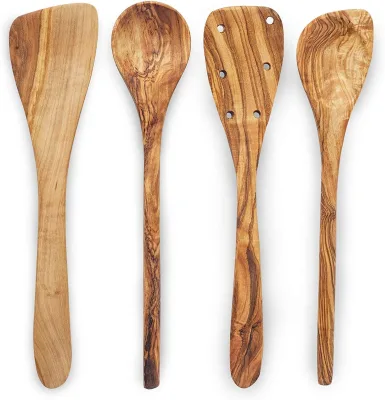
Wooden Cooking Spoon for Soups and Stews with Heat-Resistant Design Comfortable Handle
$0.01 - $0.06
MOQ: 50 Pieces

Extra Long Handle Wooden Spoon for Commercial Kitchen Bulk Food Preparation
$0.01 - $0.06
MOQ: 50 Pieces

Wooden Spoon with Extended Handle for Commercial Kitchen Use and Professional Catering
$0.01 - $0.06
MOQ: 50 Pieces

Handcrafted Rustic Style Unfinished Wooden Spoons for Cooking Baking and Display
$0.01 - $0.06
MOQ: 50 Pieces

Anhui Taicheng Paper & Plastic Technology Co., Ltd.
- Verified by SGS
- Trading Company
- China Anhui
- Lead time30 days
- Avg. response≤ 6h
Main productsDisposable Paper Cups, Compostable Lids, Disposable Cutlery, Biodegradable Tableware, Disposable Food Box, Disposable Plate, Disposable Tableware, Kraft Paper Food Container, Sugarcane Tableware, Cornstarch Tableware
Main marketsSouth America,Africa,Southeast Asia/ Mideast,Europe,North America
Wuyuan Meimei Houseware Co., Ltd.
- Verified by Intertek
- Manufacturer, Trading Company
- Lead time15 days
- Avg. response≤ 2h
Main productsWood Rolling Pin, Wood Cutting Board, Wood Lemon Juicer, Wood Meat Hammer, Wood Tray
Main marketsDomestic Market(72%), North America(25%), Mid East(3%)
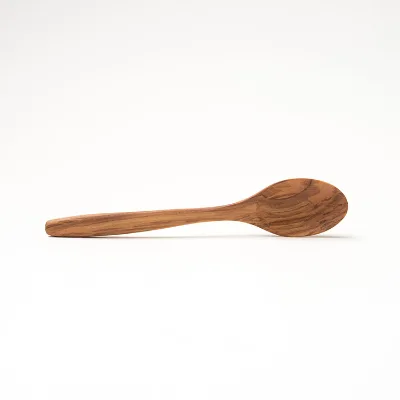
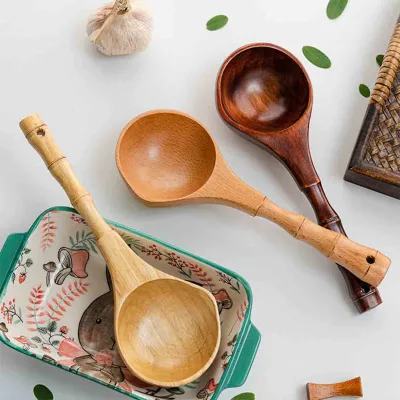
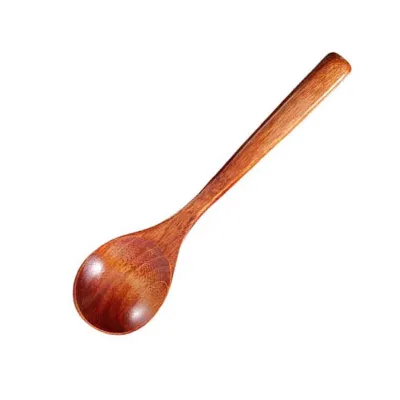
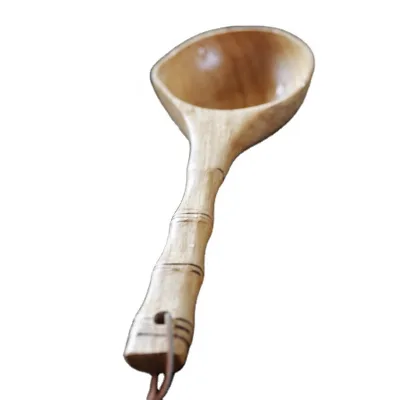
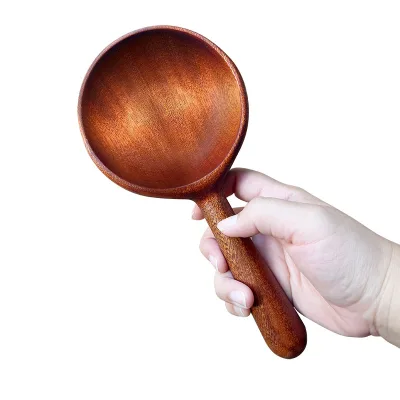
Creative Wood Water Scoop Spoon Wood Measuring Spoon Deep Soup Ladle Spoon
$1.55 - $2.18
MOQ: 50 Minimum

Anhui Nature Imp. & Exp. Co., Ltd.
- Verified by SGS
- Trading Company
- China Anhui
- Lead time15 days
- Avg. response≤ 2h
Main productsBamboo Products, Wooden Products, Multiple Knife Fork & Spoon, Bamboo Scissors Stick, Bamboo Sushi Curtain, Disposable Creative Bead Bamboo Stick, Bamboo Straw, Bamboo Stick, Wooden Cutlery, Wooden Knife Spoon Fork
Main marketsSoutheast Asia/ Mideast,Europe,North America

Wooden Kitchen Knives Wooden Cutlery Wood Knife Fork Spoon for Restaurants
$0.01 - $0.02
MOQ: 50000 Pieces


Quality Certification110mm Mini Wooden Spoon for Food Wooden Cutlery Sets
$0.01 - $0.02
MOQ: 50000 Pieces

Wooden Spoon Disposable Wooden Cutlery Forks Knives and Spoons 140mm 160mm
$0.01 - $0.02
MOQ: 50000 Pieces

Jinan Senguan Technology Co., Ltd.
- Trading Company
- China Shandong
- Lead time15 days
- Avg. response≤ 3h
Main productsN
Main marketsSouth America,Eastern Europe,Mid East,North America,Southeast Asia,Eastern Asia,Oceania,Western Europe,Africa

Xiamen Ebei Import & Export Co., Ltd.
- Verified by CTI
- Trading Company,Manufacturer/Factory
- China Fujian
- Lead time45 days
- Avg. response≤ 2h
Main productsEco-Friendly Products, Bamboo Tableware, Bamboo Furniture, Bamboo Kitchenware, Bamboo Office Supply, Bamboo Fibre Products, Biodegradable Products, Bamboo Towel, Solar Energy Products, Bamboo Garden Products
Main marketsSouth America,Eastern Europe,Mid East,North America,Southeast Asia,Eastern Asia,Oceania,Western Europe,Africa

Shuifu Huiyang Agricultural Technology Co., Ltd.
- Verified by SGS
- Trading Company
- China Yunnan
- Lead time23 days
- Avg. response≤ 3h
Main productsBamboo Products, Bamboo Crafts, Bamboo Chopsticks, Bamboo Skewers, Bamboo Weaving, Bamboo Tray, Bamboo Box, Bamboo Placemat, Bamboo Fruit Bowl, Lamp Shades
Main marketsDomestic

Nanping Jianyang Heng Xinwang Bamboo and Wooden Products Co., Ltd.
- Verified by BV
- Combined
- China Fujian
- Lead time23 days
- Avg. response≤ 5h
Main productsBamboo Products, Wooden Products, Straw Products, Rattan Items, Straw and Willow Products
Main marketsSoutheast Asia/ Mideast,East Asia(Japan/ South Korea),Europe,Australia,North America

- Verified by BV
- Manufacturer/Factory
- China Fujian
- Lead time15 days
- Avg. response≤ 25h
Main productsWater Bottle, Kitchen Ware, Shoes, Plastic Product, Bag, Toy
Main marketsSouth America,Eastern Europe,Mid East,North America,Southeast Asia,Eastern Asia,Oceania,Western Europe,Africa
Zhengzhou Huirunda Trading Co., Ltd.
- Trading Company
- Henan, China
- Lead time15 days
- Avg. response≤ 12h
Main productskitchen products,coffee tea cups and teapot,matcha bowl,glass bowl cup,bamboo spoon
Main marketsNorth America(30.00%), Mid East(20.00%), Southeast Asia(10.00%), Eastern Asia(7.00%), South Asia(5.00%), Southern Europe(5.00%), Northern Europe(5.00%), Western Europe(5.00%), Eastern Europe(5.00%), South America(5.00%), Domestic Market(3.00%)

Shaowu Han Well Import and Export Trade Co., Ltd.
- Trading Company
- China Fujian
- Lead time23 days
- Avg. response≤ 7h
Main productsChopping Boards, Serving Boards, Bamboo Skewer, Bamboo Stick, Tray, Cutting Board, Box, Utensil Tool, Bamboo Chopsticks, Coffee Stirrers
Main marketsEast Asia(Japan/ South Korea),Europe,Australia,North America
Guangzhou Chenxuan Technology Co., Ltd.
- Trading Company, Distributor/Wholesaler, Other
- Guangdong, China
- Lead time10 days
- Avg. response≤ 2h
Main productssteel kitchenware,round dinner plate,retro cutlery set,gold dinner plate,korean gold dinner plate
Main marketsWestern Europe(30.00%), North America(30.00%), Mid East(15.00%), Oceania(15.00%), South America(10.00%)
Fujian Hongyi Bamboo And Wood Co., Ltd.
- Verified by TüVRheinland
- Manufacturer, Trading Company
- Lead time0 days
- Avg. response≤ 2h
Main productsWooden Spatula, Wooden Spoon, Wooden Bowl, Wooden Cup
Main marketsNorth America(35%), Western Europe(20%), Eastern Europe(15%)

Taixing JEYGO Import Export Co., Ltd.
- Verified by SGS
- Trading Company
- China Jiangsu
- Lead time30 days
- Avg. response≤ 12h
Main productsWooden Brush, Bath Product, Bath Brush, Pet Hair Comb, Bamboo and Wood Handicrafts, Brush Making Machinery, Bamboo and Wood Kitchenware
Main marketsDomestic

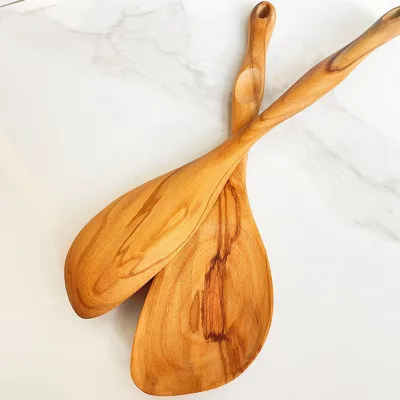
Wooden Kitchen Utensil Mixing Salad Long Handle Tableware Wood Salad Spoon
$0.95 - $1.09
MOQ: 200 Pieces


Natural Kitchen Utensil Wood Spoon Tools for Cooking Natural Wood Kitchenware Spoon
$2.20 - $2.46
MOQ: 200 Pieces

Acacia Wood Tableware Soup Spoon Nonstick Cookware Handmade Cooking Spoon
$2.20 - $2.42
MOQ: 200 Pieces


- Trading Company
- China Zhejiang
- Lead time30 days
- Avg. response≤ 11h
Main productsHome Appliance, Cookware Set, Thermos, Home Storage, Furniture, Pet Supplies, Garden Tools, Outdoor Supplies, Baby Supplies, Houesehold Items
Main marketsSouth America,Africa,Southeast Asia/ Mideast,East Asia(Japan/ South Korea),Domestic,Europe,Australia,North America
Dongguan Tailai Arts & Crafts Co., Ltd.
- Manufacturer, Trading Company
- Guangdong, China
- Lead time30 days
- Avg. response≤ 4h
Main productsWooden Box/Christmas Decoration/Wooden Craft/Baby Gift/Plywood Laser Cutout,plywood crafts,wooden holder,Festival Ornament,Wooden Crafts
Main marketsNorth America(50.00%), Domestic Market(20.00%), Southeast Asia(10.00%), Eastern Europe(5.00%), Southern Europe(5.00%), Northern Europe(5.00%), Western Europe(5.00%)
Dongguan Yunxiang Wooden Handicrafts Co., Ltd.
- Verified by TüVRheinland
- Manufacturer, Trading Company
- Lead time30 days
- Avg. response≤ 3h
Main productsWood Products, Wooden Lid, Wooden Box, Wooden Toy, Wood Kitchenware
Main marketsDomestic Market(39%), North America(20%), Southeast Asia(10%)

- Verified by SGS
- Trading Company
- China Zhejiang
- Lead time0 days
- Avg. response≤ 18h
Main productsTents, BBQ Grill, Luggage, Kids Toy, Fitness Equpments, Cookware, Kitchen Utensils and Gadgets, Yoga Mat, Bathroom Rugs, Pets Items
Main marketsSouth America,Eastern Europe,Mid East,North America,Southeast Asia,Eastern Asia,Oceania,Western Europe,Africa

Jinhua Hengyang Cross-Border Trade Limited Liability Company
- Verified by SGS
- Trading Company
- China Zhejiang
- Lead time15 days
- Avg. response≤ 7h
Main productsCoffee Maker Air Fryer Storage Box Knife Set, Silicone Baking Mold Robot Vacuum Cleaning Table, Shower Head Non-Slip Shower Curtain Vacuum Stora, Collapsible Laundry Basket Bohemian Wall Tapestr, Fringe Pillow Cover Bedding Set Memory Foam Pill, Bamboo Tissue Biodegradable Trash Bags LED Fair, Smart Plug Fairy Lights Pet Food Bowl, Household Daily Necessities Kitchen Cleaning, Bathroom Storage and Care Fabric Home Decor, Bedding Daily Chemical Paper Products
Main marketsEurope


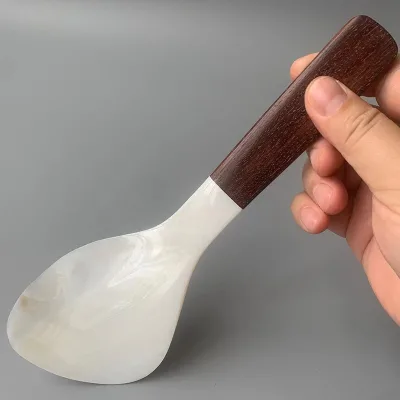
Vertical Silicone Rice Spoon High Temperature Resistant Wooden Handle Serving Spoon
$0.76 - $0.95
MOQ: 400 Pieces

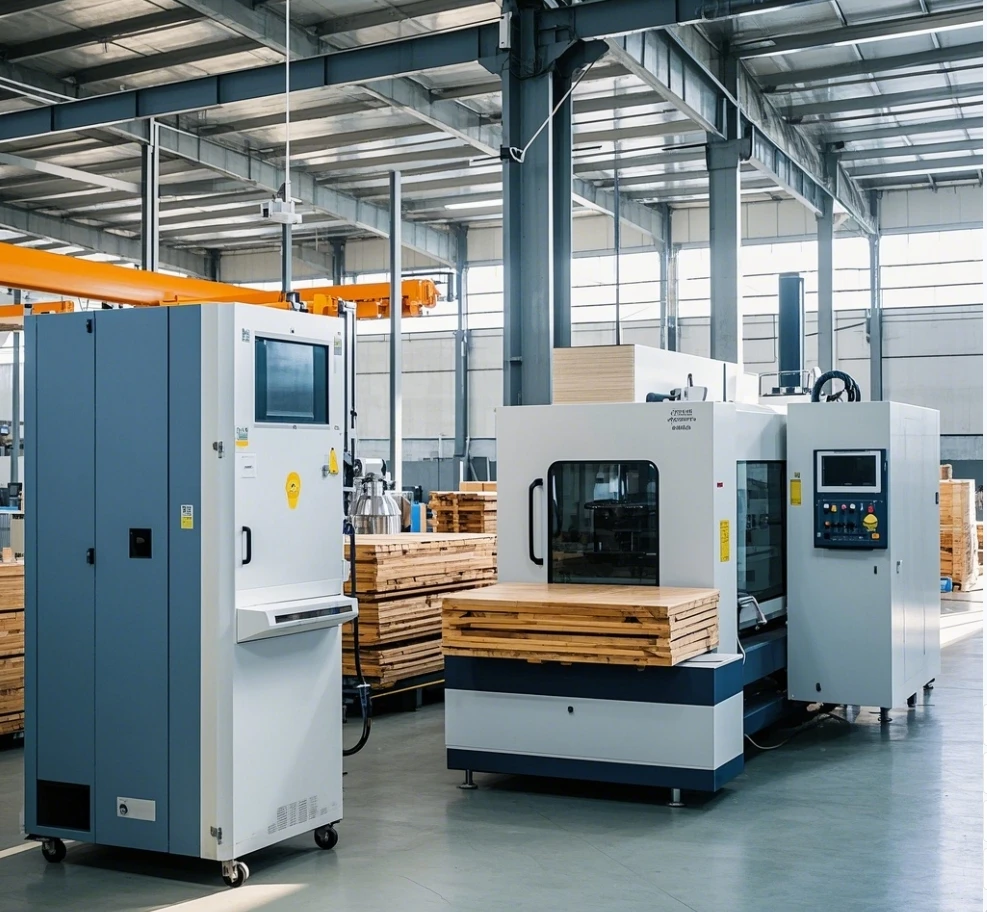
- Manufacturer, Trading Company
- Shandong, China
- Lead time0 days
- Avg. response≤ 1h
Main productsWooden Box,Wooden Shelf,Wooden Craft,cat tree,Wooden Furniture
Main marketsNorth America(50.00%), South America(20.00%), Mid East(10.00%), Southeast Asia(10.00%)
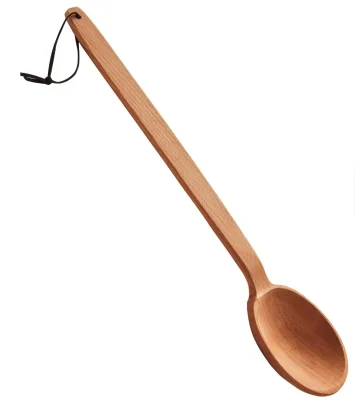
$3.11 - $6.11
MOQ: 500 pieces
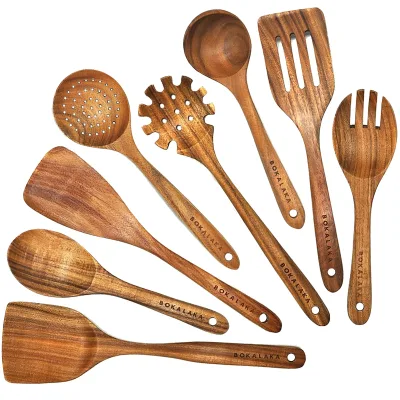
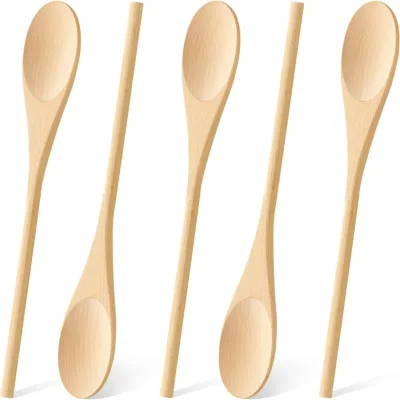

Changsha Qingyulan Homeware Co., Ltd.
- Trading Company
- China Hunan
- Lead time15 days
- Avg. response≤ 6h
Main productsPaper Fan, Bamboo Products, Spanish Wood Fan, Beach Straw Bag, Beach Towel, Japanese Ladies Hand Fans, Paper Lanterns, Oriental Hand Fans, Wedding Favor Gift Fans, Car DVR
Main marketsSoutheast Asia/ Mideast,Domestic,Europe,North America

Ningbo Greenhome International Trade Co., Ltd.
- Verified by SGS
- Trading Company
- China Zhejiang
- Lead time30 days
- Avg. response≤ 5h
Main productsDisposable Plastic Tableware, Disposable Woodentableware, Disposable Bamboo Tableware, Disposable Paper Tableware, Disposable Biobased Tableware, Disposable Biodearadable Tableware
Main marketsAfrica,Southeast Asia/ Mideast,Europe,North America
Shenzhen Nature Bamboo and Wood Co., Ltd.
- Verified by Intertek
- Trading Company
- Lead time30 days
- Avg. response≤ 3h
Main productsCutting Board, Shelf, Sport Product, Box, Tray
Main marketsNorth America(60%), Western Europe(35%), Southeast Asia(5%)

Xuzhou Tuosen Bamboo Wood Products Co., Ltd.
- Verified by CTI
- Combined
- China Jiangsu
- Lead time23 days
- Avg. response≤ 1h
Main productsIce Cream Stick
Main marketsSoutheast Asia/ Mideast

Wenzhou Cathylin International Trade Co., Ltd.
- Verified by TUVRHEINLAND
- Trading Company
- China Zhejiang
- Lead time15 days
- Avg. response≤ 12h
Main productsFlatware, Cutlery, Kitchen Tools, Tableware, Cookware, Bakeware, Drinkware
Main marketsNorth America
Ningbo Partner Leisure Products Co., Ltd.
- Trading Company
- Zhejiang, China
- Lead time0 days
- Avg. response≤ 8h
Main productspet supplies,cooker,kitchen accessories,egg incubator,storage box
Main marketsNorth America(80.00%), South America(15.00%), Eastern Europe(5.00%)

Dalian Dashixing Woodworking Co., Ltd.
- Verified by SGS
- Manufacturer/Factory
- China Liaoning
- Lead time0 days
- Avg. response≤ 5h
Main productsIce Cream Stick, Wooden Popsicle Stick, Wooden Stick, Popsicle Stick, Wooden Cutlery, Disposable Cutlery, Coffee Stirrer, Coffee Sticks, Wooden Coffee Stick


Popsicle Spoon Ice Cream Wooden Spoon on The High- Stable Quality Individual Packing
$10.50 - $35.00
MOQ: 1 Boxes


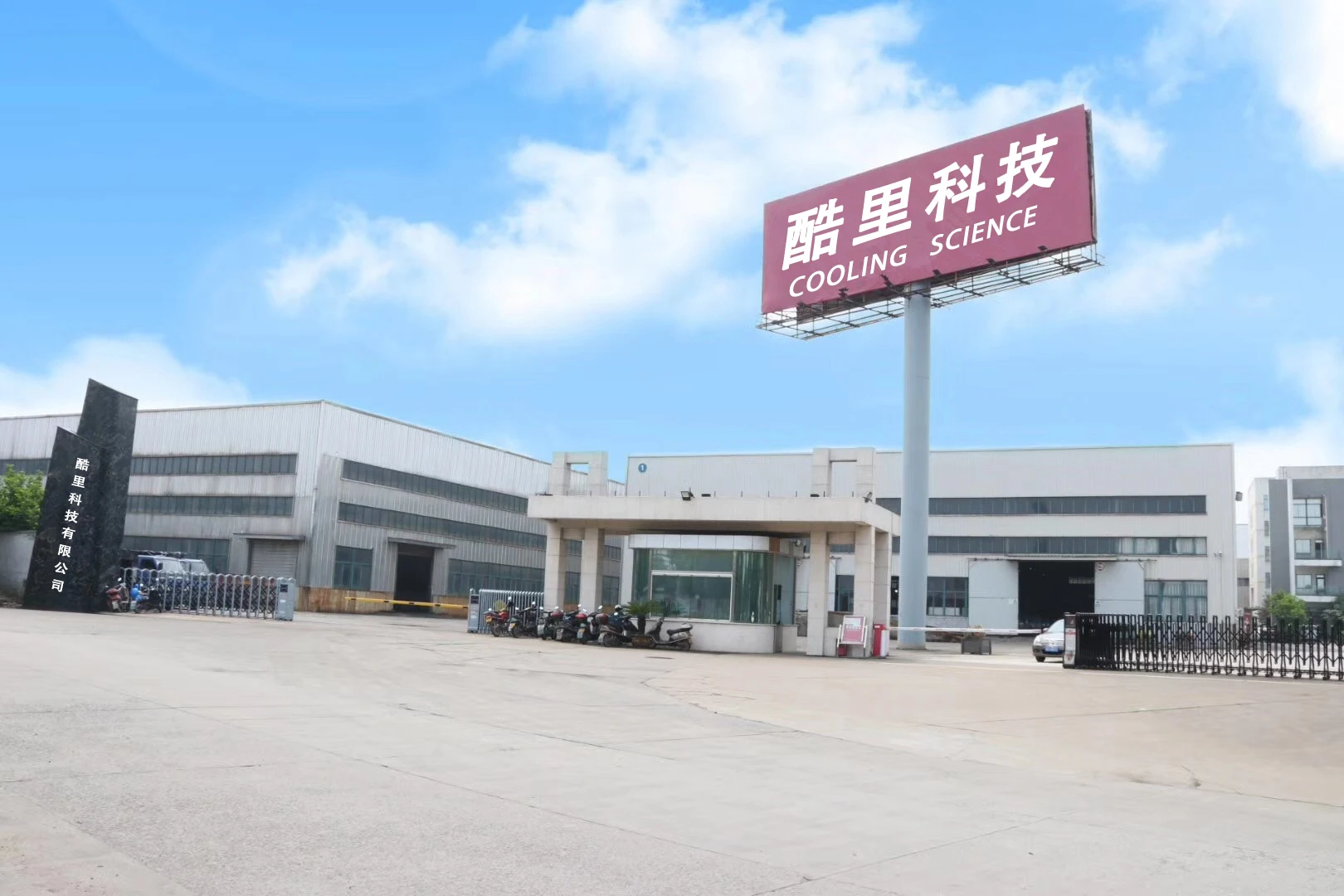
Hefei Cooling Science And Technology Co., Ltd.
- Manufacturer, Trading Company
- Anhui, China
- Lead time50 days
- Avg. response≤ 10h
Main productsTableware,Organizer,Home decoration,Kitchenware,Servingware
Main marketsEastern Europe(25.00%), Western Europe(15.00%), Southern Europe(15.00%), North America(12.00%), Northern Europe(11.00%), Central America(9.00%), Southeast Asia(8.00%), South America(5.00%)
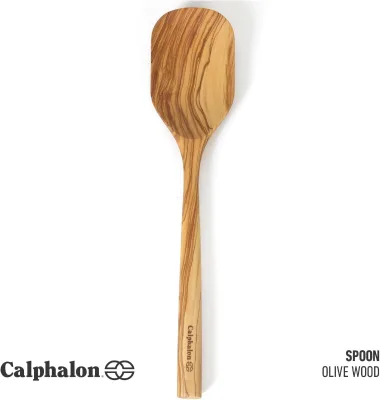
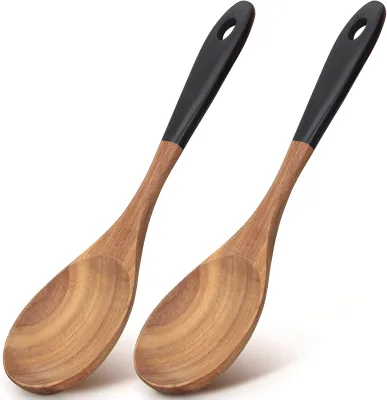
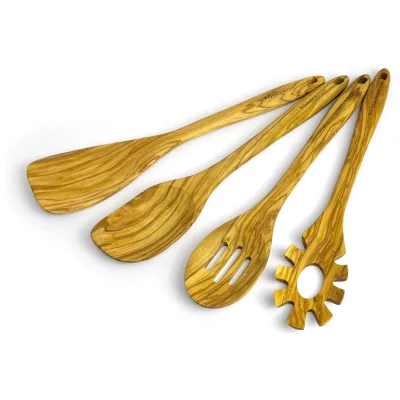
$2.04 - $2.30
MOQ: 200 pieces










Comprehensive Sourcing Guide
Wooden Soft Touch Cooking Spoon Supplier Concentration and Factory Types
The suppliers visible for this category are concentrated in eastern China, with listed results pointing to Zhejiang and Anhui provinces. Zhejiang entries combine disposable tableware, food boxes and paper cups with wooden cutlery items such as soup and stew spoons, and at least one listed company describes itself as a combined manufacturer and trading operation with an ISO9001:2015 system certificate. Anhui entries are trading companies whose catalogs span disposable paper cups, compostable lids, biodegradable tableware, sugarcane and cornstarch products alongside wooden spoons for ice cream, soup and children's use. This tells you the spoon is often one SKU inside a broader eco-disposables lineup rather than a standalone specialty.
Treat that mix as a signal when shortlisting. Manufacturer-trading combinations may control tooling and finishing, while pure trading companies aggregate several mills and can widen your material and size options but add a layer between you and production. A separate cluster of wood kitchenware makers lists rolling pins, cutting boards, trays and meat hammers under manufacturer and trading company status with ISO14001, ISO9001, ISO45001, BSCI, LFGB and FSC references, which can matter if you want cooking-grade hardwood rather than disposable birch or bamboo. When no cluster is documented for a variant you need, identify one by searching product keywords, checking listed product origins, and confirming where quoted production would actually occur before assuming a provincial specialization applies.
How to Verify Wooden Soft Touch Cooking Spoon Suppliers
Verification should start with the third-party credentials shown on the platform listing, because these are checks someone other than the seller has performed. In current results, one Zhejiang supplier is verified by BV and one Anhui trading company by SGS, so look for an equivalent on-site audit or verification badge before contacting anyone unverified. Next, confirm the system certificates: the Zhejiang entry shows ISO9001:2015, and the wood kitchenware maker references ISO14001, ISO 9001, ISO45001, BSCI, LFGB and FSC. Ask for certificate numbers and issuing bodies you can check independently, and match the certificate holder's legal name to the entity on your invoice.
Product-level claims need separate scrutiny. Listings in this category carry certifications such as CE/EU, FDA, CIQ, LFGB and EEC for wooden and bamboo spoons, but these are seller-declared attributes until you see test reports covering food contact safety for the exact wood species and finish you plan to buy. Request recent reports, check whether they name the product model you are ordering, and verify scope and expiry dates. Also confirm production reality: ODM and OEM capability is declared by the Zhejiang combined company, so ask which processes are in-house versus subcontracted. Finally, request a sample from current production, weigh and measure it against the specification, and run a food-simulant or migration test through your own laboratory if the destination market requires it.
What to Compare Across Wooden Soft Touch Cooking Spoon Suppliers
Build a comparison sheet from the attributes suppliers actually display, without assuming every seller publishes the same fields. Useful dimensions in current results include lead time, where listed values run 23 days for the Zhejiang combined company and 30 days for the Anhui trading company; response time, where displayed averages are 2.05 hours versus 5.31 hours; location; company type; main products; and verification status. Establishment year and escrow or trade assurance availability should be captured when shown, but if a supplier's profile does not display one of these fields, record it as unknown and ask directly rather than guessing.
Commercial attributes deserve equal weight in the matrix. Listed MOQs in this category range from 50 pieces on a customized wooden spoon listing to 100,000 pieces on mini eco spoons, and quoted unit prices span roughly 0.0074 to 0.055, so normalize quotes to the same size, finish and packaging before comparing. Check customization scope, since some listings state custom sizes and customer logos are accepted while others are explicitly non-customized. Compare packing configurations too, such as 100-piece packs in 5,000-piece cartons versus 50-piece packs at 1,000 packs per carton, because unit economics and freight density change with case pack. Weigh the combination of speed, flexibility and verified status rather than optimizing a single column.
Common Wooden Soft Touch Cooking Spoon Sourcing Risks
The most frequent risk is certification drift: listings declare CE/EU, FDA, CIQ, LFGB and EEC compliance, yet the reports behind them may cover a different model, an older production run, or a finish that changed after a cost-down. For a food-contact spoon, especially one marketed with soft-touch coating or heat-resistant claims, insist on reports tied to your specification and re-test when material or coating suppliers change. A second risk is mixing disposable and durable grade: many suppliers in this category sell compostable cutlery, so a "cooking spoon" quote may actually be a thin disposable item unless you specify thickness, weight and wood species explicitly.
Operational risks cluster around capability gaps. Trading companies may not control the finishing line that creates the soft-touch surface, leading to inconsistent smoothness, splintering or coating adhesion across batches; verify who performs sanding, polishing and coating. Lead-time promises can slip when a spoon shares capacity with seasonal disposable-tableware peaks, so confirm capacity reserved for your order rather than accepting a headline 23- or 30-day figure. MOQ structures also create risk in both directions: very low MOQs may signal a trader sourcing from open stock, while 100,000-piece minimums raise inventory exposure for a new SKU. Finally, packaging matters for wood goods, since moisture and rough handling in transit can warp or scratch finished spoons; specify carton construction and desiccant use in writing.
Wooden Soft Touch Cooking Spoon Regional Sourcing and Logistics
The evidence base for this category sits in Zhejiang and Anhui, and that geography shapes logistics. Suppliers around Ningbo, the declared product origin on several listings, have direct access to a major container port, which shortens inland drayage and simplifies consolidating wooden spoons with other disposable tableware from the same region. Anhui-based traders typically ship through eastern seaports as well, so ask each supplier which port they load and whether they offer FOB, CIF or Ex-Works terms, because the answer affects both cost visibility and your control over freight booking.
Wooden products add documentation steps that plastic or paper goods may not. Depending on destination market, you may need ISPM-15 heat treatment or other phytosanitary handling for raw wood packaging, and food-contact documentation for the spoons themselves; confirm in advance what the supplier can provide and whether treatment is applied at origin. Sea freight suits full-carton orders given the low unit value and high piece counts, while air or express works for samples and pre-production approval units. Plan buffer time beyond the quoted 23- to 30-day production windows for coating cure, inspection and booking, especially before holiday shutdowns. If you consolidate spoons with cups, lids or food boxes from the same supplier or region, coordinate packing lists and carton markings so mixed-SKU containers clear customs without mismatches between invoice, packing list and product labels.
Wooden Soft Touch Cooking Spoon Commercial Terms and Order Planning
Anchor negotiations on the verified commercial fields rather than on the lowest headline price. Current listings show MOQs from 50 pieces (customized spoon, price band 0.01 to 0.055) to 100,000 pieces (mini spoons at 0.0074), so decide first whether you are buying a customized, branded item or a stock commodity, because that choice determines which end of the MOQ spectrum is realistic. Confirm payment method and whether platform escrow or trade protection is available; where a listing does not display escrow status, ask what protection the seller accepts and document it in the contract alongside inspection rights before shipment.
Sequence your order plan from sample to mass production. Approve a golden sample with defined weight, dimensions, handle profile and coating feel, then tie the mass-production contract to that sample with an AQL inspection clause. Note that some listings state customization is available with custom sizes and customer logos, while others are non-customized; price and lead time quotes are only valid within the configuration quoted. Reconcile packing details early: configurations such as 100 pieces per pack in 5,000-piece cartons, or 160mm spoons in carton packing, drive both freight cost and your replenishment cadence. Plan reorder points using the quoted 23- or 30-day production lead times plus transit, add buffer for peak season, and negotiate price-break tiers at the carton quantities your demand forecast supports rather than at arbitrary volume steps.
FAQs
What certifications do wooden spoons have?
Suppliers offer spoons with CE/EU, FDA, LFGB, CIQ, and EEC certifications. These ensure the bamboo and wood materials meet international food safety standards. Buyers should verify specific certificates for their target market to guarantee compliance and product safety.
What is the minimum order quantity?
MOQs vary significantly by supplier and product type. Some manufacturers require as few as 50 pieces, while others demand 100,000 pieces for standard items. Buyers must check specific listings to find the lowest MOQ that fits their inventory needs.
How long does production take?
Lead times typically range from 23 to 30 days depending on the supplier and order volume. Buyers should confirm exact timelines with the supplier before placing orders to ensure timely delivery for their specific business requirements and seasonal demands.
Are custom logos available?
Yes, many suppliers accept custom logos and offer OEM/ODM services. Buyers can request personalized branding on the wooden spoons. This customization is available for various order sizes, allowing businesses to maintain consistent branding across their disposable tableware products.
What is the price range?
Prices generally range from $0.0074 to $0.055 per piece. Costs depend on material, certification, and order quantity. Buyers should compare quotes from multiple suppliers to find the best value that aligns with their budget and quality expectations.
Where are these suppliers located?
Suppliers are primarily located in China, specifically in Zhejiang and Anhui provinces. These regions are known for manufacturing wooden tableware and disposable cutlery. Buyers can filter results by location to manage logistics and shipping costs more effectively.