Replacement Handbag Strap Suppliers and Manufacturers
Source 23 verified suppliers for Replacement Handbag Strap accessories. Compare lead times, MOQs, certifications, and response rates to find the right partner. Contact suppliers directly to request samples and confirm pricing details; review the available evidence before requesting comparable quotations from suitable candidates.
Suppliers List
Guangzhou Kz Leather Goods Manufacturing Co., Ltd.
- Verified by TüVRheinland
- Manufacturer, Trading Company
- Lead time20 days
- Avg. response≤ 3h
Main productsWatch Strap, Handbag, Belt, Wallet, Bag Accessories
Main marketsNorth America(40%), Domestic Market(40%), Western Europe(10%)
Shenzhen Dayaoming Textile Co., Ltd.
- Manufacturer, Distributor/Wholesaler
- Guangdong, China
- Lead time7 days
- Avg. response≤ 5h
Main productsHook and Loop,Webbing,Elastic Band,Rope&cord,OEM processed products
Main marketsSouth America(25.0%), North America(20.0%), Domestic Market(10.0%), Western Europe(10.0%), Southern Europe(10.0%), Eastern Europe(10.0%), Northern Europe(5.0%), South Asia(5.0%), Africa(5.0%)

GUANGZHOU ATI HARDWARE CO., LTD.
- Manufacturer
- China Guangdong
- Lead time15 days
- Avg. response≤ 2h
Main productsMetal Logo and Label, Bag Lock, Metal Zip Puller, Function Buckle, Bag Handle, Adjustable Buckle, Perfume Bottle Cap, Shoes Buckle, Decorative Buckle for Garment, Ornamentation and Artware
Main marketsSoutheast Asia/ Mideast,Europe


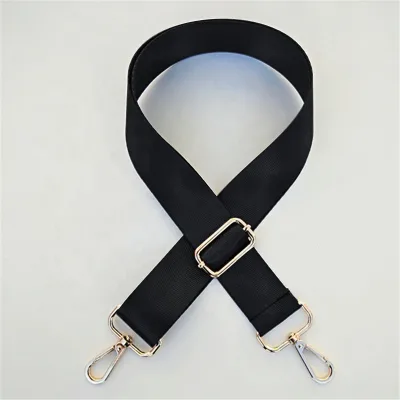
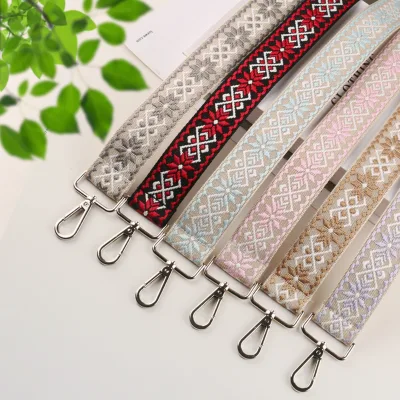
Handbag Webbing Strap Custom Canvas Bag Replacement Crossbody Shoulder Strap Bag Straps
$1.40 - $1.80
Moq: 1000

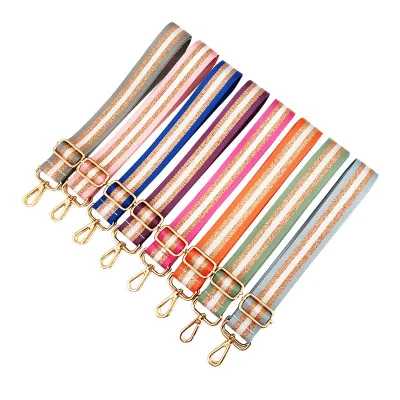
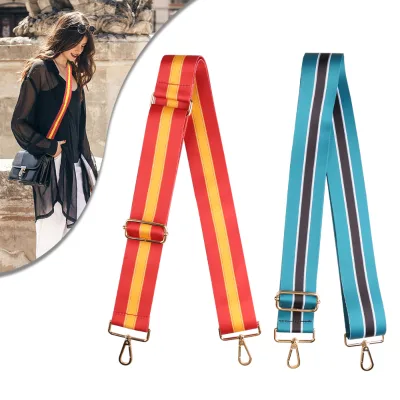
Striped Backpack Shoulder Strap Replacement Adjustable, Extra-Wide Crossbody Strap
$1.80 - $2.00
Moq: 500

100/120cm Handbag Chains Accessories Replacement Bags Straps Customize Bag Chain
$1.24 - $1.35
Moq: 1000

Jiangmen Xinhui Baiyuheng Webbing Co., Ltd.
- Verified by SGS Group
- Manufacturer, Trading Company
- Lead time3 days
- Avg. response≤ 2h
Main productsParacord, Rope, Webbing, Survival Kit, Fire Starter
Main marketsNorth America(73%), Western Europe(10%), Domestic Market(10%)
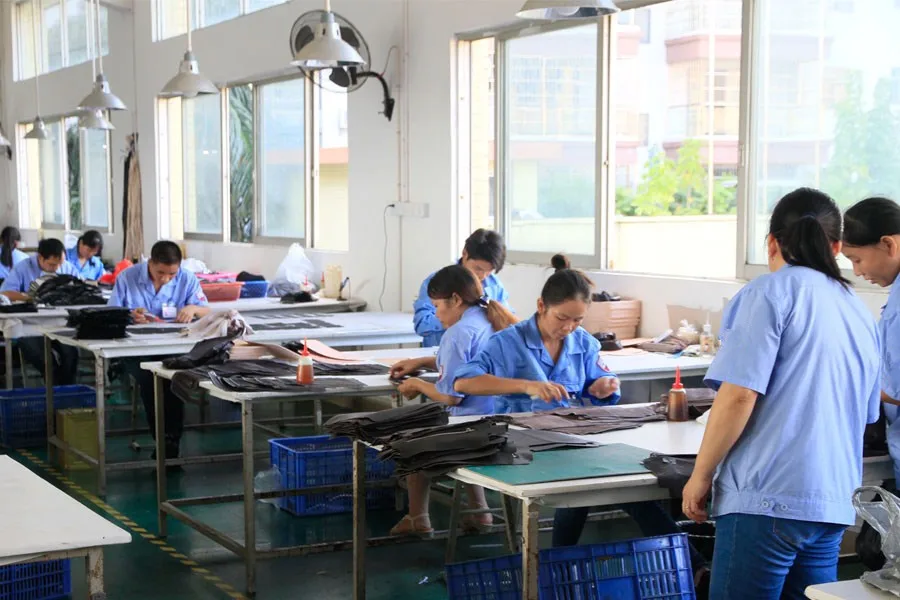
Shenzhen Green Owner Leather Co., Ltd.
- Manufacturer, Trading Company, Distributor/Wholesaler
- Guangdong, China
- Lead time25 days
- Avg. response≤ 3h
Main productsleather watch case,leather jewelry case,leather keychain,leather pouch,leather sunglasses case
Main marketsNorthern Europe(30.0%), North America(20.0%), Western Europe(15.0%), Southern Europe(10.0%), South America(10.0%), South Asia(5.0%), Southeast Asia(5.0%), Africa(5.0%)

Xiamen Le Young Imp. & Exp. Co., Ltd
- Verified by BV
- Trading Company,Manufacturer/Factory
- China Fujian
- Lead time23 days
- Avg. response≤ 3h
Main productsLeather Folder, Trave Wallet, Leather Notebook, Leather Compendium, Leather Portfolio, Leather Diary, Leather Journal, Hotel Supply, Leather Card Holder, Leather Wallet
Main marketsSouth America,Eastern Europe,Mid East,North America,Southeast Asia,Eastern Asia,Oceania,Western Europe,Africa

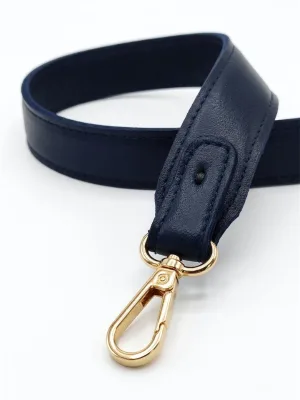
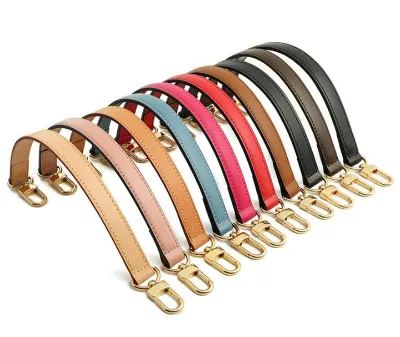
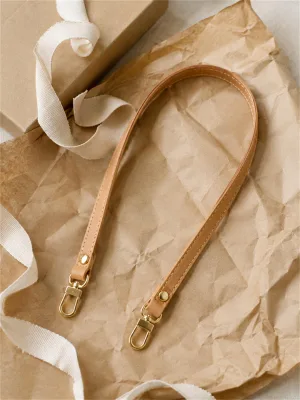
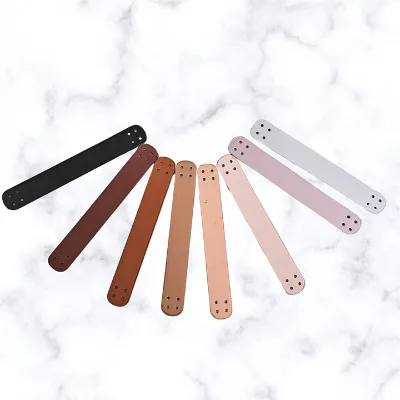
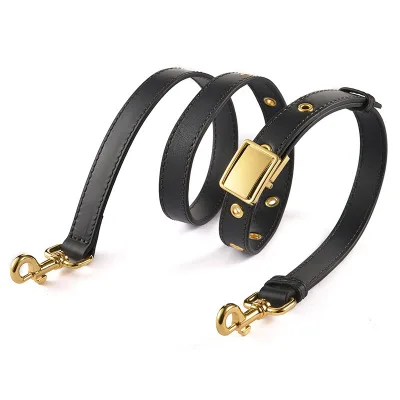
Women Purse Strap Shoulder Bag Accessories Replacement Straps Leather Strap for Bag
$1.32 - $2.67
Moq: 500

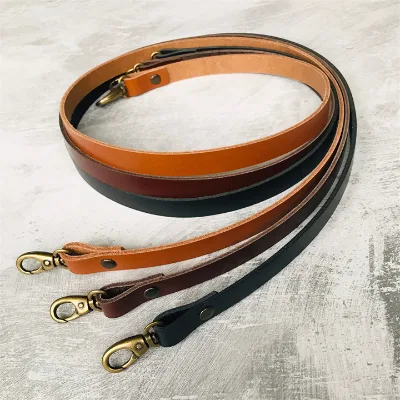
Leather Purse Strap Replacement DIY Crossbody Bag Handmade Shoulder Handbags Strap
$0.32 - $0.59
Moq: 100


Custom Bag Parts Accessories Wide Shoulder Strap PU Leather Bag Shoulder Straps
$2.87 - $3.35
Moq: 500

DSC Xiamen Enterprise Pte Ltd.
- Trading Company
- China Fujian
- Lead time23 days
- Avg. response≤ 2h
Main productsHardware, Accessories, Plastic Buckle, Ribbons, Metal Stamping, Bag Accessories, Promotion Gift, Bag Hardware
Main marketsSouth America,Southeast Asia/ Mideast,East Asia(Japan/ South Korea),Europe,Australia,North America


Nylon DIY Adjustable Replacement Belt Crossbody Canvas Handbag Shoulder Bag Strap
$1.28 - $1.40
Moq: 200


Guangzhou Wangjia Leatherware Co., Ltd.
- Manufacturer/Factory
- China Guangdong
- Lead time30 days
- Avg. response≤ 4h
Main productsWestern Cowboy & Cowgirl Belts, Western Buckles, Buckle Sets, Conchos, Dog Collars & Hat Belts, PU Belts, Leather Belts, PU Handbags, Straw Beach Bags, Wallets
Main marketsSouth America,Eastern Europe,Mid East,North America,Southeast Asia,Eastern Asia,Oceania,Western Europe,Africa

Ningbo Inunion Import and Export Co., Ltd.
- Verified by SGS
- Trading Company
- China Zhejiang
- Lead time30 days
- Avg. response≤ 3h
Main productsBag Chain, Buckle, Hooks, Ring, Key Chain, Tags, Carabiner, Bag Lock, Puller
Main marketsSoutheast Asia/ Mideast,East Asia(Japan/ South Korea),Europe,Australia,North America

Baoding Wei Wan Trade Co., Ltd.
- Trading Company
- Hebei, China
- Lead time20 days
- Avg. response≤ 3h
Main productsLuxury bag organizers,bag pillows,bag chains,dust bags,storage bags
Main marketsNorth America(40.0%), Eastern Europe(10.0%), South America(10.0%), Domestic Market(6.0%), Northern Europe(5.0%), Western Europe(5.0%), Eastern Asia(5.0%), Southeast Asia(5.0%), Mid East(5.0%), Oceania(3.0%), South Asia(3.0%), Southern Europe(3.0%)
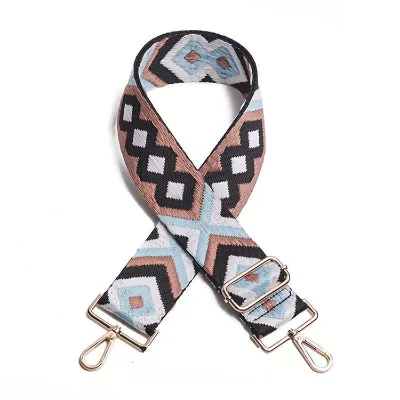
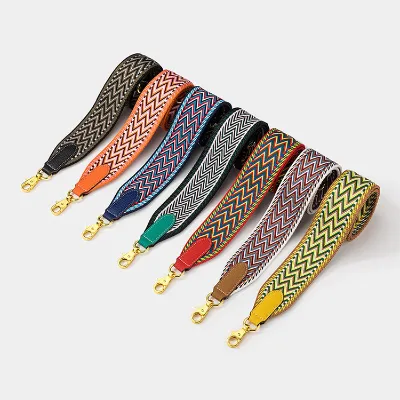
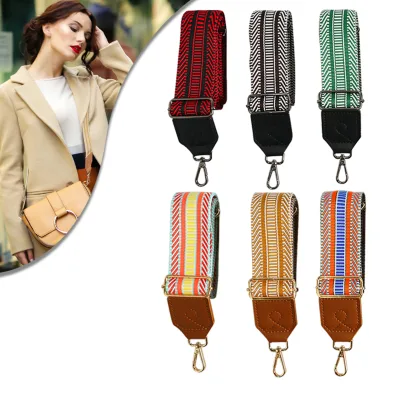
Custom Replacement Adjustable Crossbody Single Bag Shoulder Straps for Handbags
$2.76 - $3.36
Moq: 100
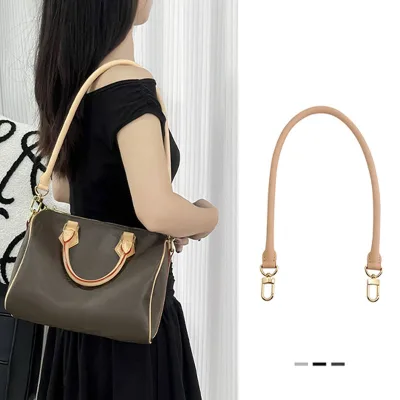
Shenzhen Huasenpute Technology Co., Limited
- Manufacturer, Trading Company, Distributor/Wholesaler
- Guangdong, China
- Lead time3 days
- Avg. response≤ 3h
Main productsMobile phone case,Lanyard case,Leather case,Screen protector,Tablet pc case
Main marketsWestern Europe(22.0%), Central America(15.0%), North America(12.0%), South America(12.0%), Domestic Market(8.0%), Eastern Europe(7.000000000000001%), Africa(6.0%), Northern Europe(5.0%), Southern Europe(3.0%), Eastern Asia(3.0%), South Asia(3.0%), Southeast Asia(2.0%), Mid East(2.0%)

Guangdong Linfeng Rubber Products & Plastic Co., Ltd
- Verified by CTI
- Manufacturer/Factory
- China Guangdong
- Lead time23 days
- Avg. response≤ 3h
Main productsSilicone Product, Rubber Product, Plastic Carton Box Handle, Plastic Hook, Shirt Clips, Rubber Ball
Main marketsSouth America,Eastern Europe,Mid East,North America,Southeast Asia,Eastern Asia,Oceania,Western Europe,Africa
Shenzhen Hong Xin Yang Technology Co., Ltd.
- Manufacturer, Trading Company, Distributor/Wholesaler
- Guangdong, China
- Lead time7 days
- Avg. response≤ 7h
Main productsmobile phone cases,mobile phone housing,phone accessories,digital products accessories,tablet PC cases and accessories
Main marketsWestern Europe(12.0%), Northern Europe(11.0%), Central America(11.0%), North America(11.0%), South America(9.0%), Mid East(8.0%), Eastern Europe(8.0%), Domestic Market(6.0%), Southern Europe(5.0%), Oceania(5.0%), Southeast Asia(5.0%), Eastern Asia(5.0%), South Asia(3.0%), Africa(1.0%)
Shenzhen Ruiyiqi Technology Co., Ltd.
- Manufacturer, Trading Company, Distributor/Wholesaler
- Guangdong, China
- Lead time15 days
- Avg. response≤ 5h
Main productshook loop,Webbing,Elastic Band,Ribbon,Rope
Main marketsNorth America(23.0%), Northern Europe(15.0%), Eastern Europe(9.0%), Eastern Asia(8.0%), Mid East(8.0%), Southeast Asia(6.0%), Domestic Market(5.0%), Western Europe(5.0%), Southern Europe(5.0%), Oceania(5.0%), South America(4.0%), Africa(3.0%), Central America(2.0%), South Asia(2.0%)
Huanggang Zhencai Trading Co., Ltd.
- Trading Company
- Hubei, China
- Lead time7 days
- Avg. response≤ 1h
Main productsbag accessory,travel accessory,bag chain,luggage tag,bag strap
Main marketsSouthern Europe(10.0%), Northern Europe(10.0%), Western Europe(10.0%), Eastern Asia(10.0%), Mid East(10.0%), Africa(10.0%), Southeast Asia(10.0%), Eastern Europe(10.0%), South America(10.0%), North America(10.0%)
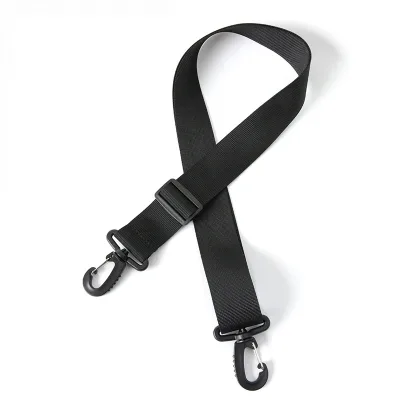
38mm Shoulder Bag Straps Replacement Adjustable Strap for Briefcase Messenger Bag
$0.45 - $0.75
Moq: 100

Guangzhou Evergreen Leather Goods Co., Ltd.
- Verified by TUVRHEINLAND
- Manufacturer/Factory
- China Guangdong
- Lead time23 days
- Avg. response≤ 12h
Main productsHandbag, Designer Handbag, Wallet, Luxury Handbag, Leather Bag, Purse, Backpack, Travel Bag, Cosmetic Bag, Luggage
Main marketsSouth America,Eastern Europe,Mid East,North America,Southeast Asia,Eastern Asia,Oceania,Western Europe

Xiamen Xinziyang Industry and Trade Co., Ltd.
- Verified by CTI
- Trading Company
- China Fujian
- Lead time15 days
- Avg. response≤ 22h
Main marketsSoutheast Asia/ Mideast,Domestic,North America
Sanming City Hanhe Handicrafts Co., Ltd.
- Verified by TüVRheinland
- Manufacturer, Trading Company
- Lead time12 days
- Avg. response≤ 2h
Main productsParacord Dog Collar And Leash, Paracord Phone Strap, Paracord Bracelet, Paracord Bottle Strap, Paracord Ducked Lanyard
Main marketsNorth America(35%), Domestic Market(20%), South America(14%)

XIAMEN POPTRIMS TEXTILE CO.,LTD.
- Verified by BV
- Trading Company
- China Fujian
- Lead time15 days
- Avg. response≤ 6h
Main productsElastic Webbing, Elastic Suspender, Custom Lanyard, Garment Label, Rubber Patch, Shoelace, Strings & Drawcords, Fancy Satin Grosgrain Ribbon, Jacquard Ribbon, Custom Print Ribbon
Main marketsSouth America,Africa,Southeast Asia/ Mideast,East Asia(Japan/ South Korea),Europe,Australia,North America
Guangzhou Yicheng Yichu Trade Ltd.
- Verified by SGS Group
- Trading Company
- Lead time5 days
Main productsBag, Luggage Parts & Accessories, Garment Hardware Accessories, Shoe Hardware Accessories, Crafts Hardware Accessories, Pet Hardware Accessories
Main marketsNorth America(35%), Southeast Asia(20%), Western Europe(15%)
Dongguan Caisheng Crafts Co., Ltd.
- Verified by SGS Group
- Manufacturer, Trading Company
- Lead time13 days
- Avg. response≤ 3h
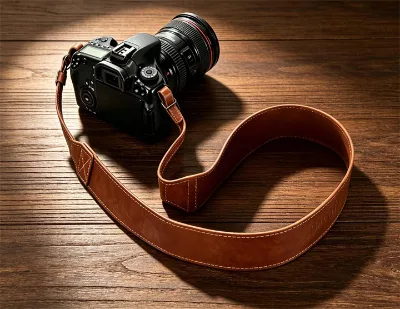
Main productsCamera Straps, Shoulder Straps, Fitness Safety, Guitar Straps, Tote Bags, Crossbody Bags, Phone Strap Bags
Main marketsDomestic Market(40%), Western Europe(25%), North America(20%)

Guangzhou Fashion Leather Bags Co., Ltd.
- Manufacturer, Trading Company, Distributor/Wholesaler
- Guangdong, China
- Lead time25 days
- Avg. response≤ 1h
Main productsHandbags,Beach Bags,Evening Bags,Wallets,gift set
Main marketsNorth America(35.0%), Northern Europe(20.0%), Eastern Europe(12.0%), Southern Europe(9.0%), South Asia(8.0%), Southeast Asia(6.0%), Oceania(3.0%), South America(3.0%), Mid East(2.0%), Africa(0.5%), Eastern Asia(0.5%), Western Europe(0.5%), Central America(0.5%)
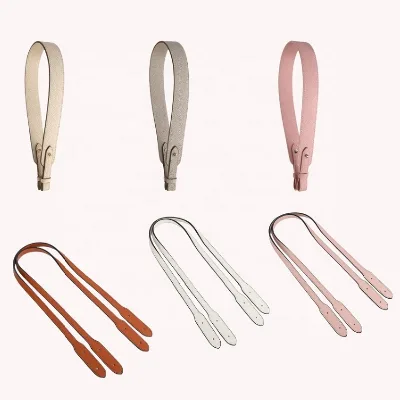
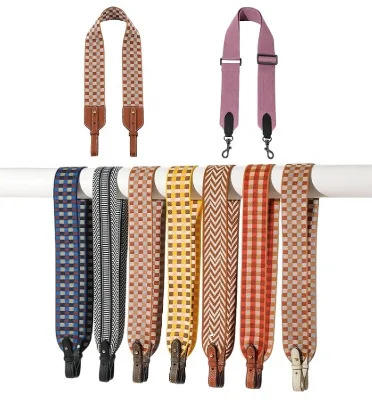
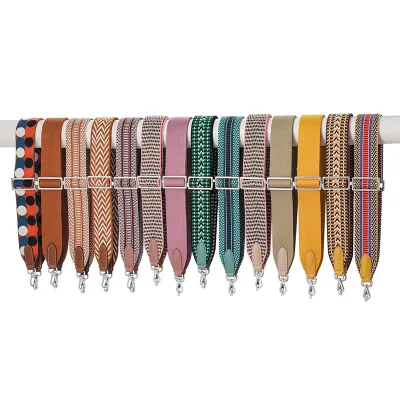
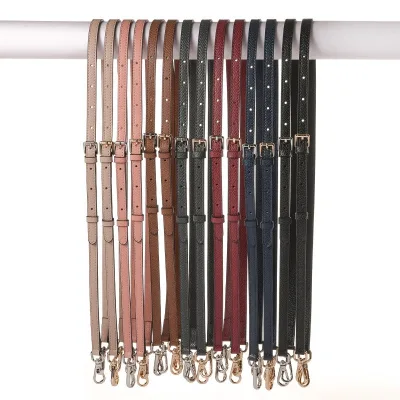
BS40,BS45 Handbag Accessories Single Crossbody Shoulder Straps Bag Leather Strap
Contact supplier
Moq: 10
- Verified by TüVRheinland
- Trading Company
- Lead time15 days
- Avg. response≤ 6h
Main productsWebbing, Hook & Loop, Elastic Band, Rope
Main marketsWestern Europe(44%), North America(30%), Southeast Asia(10%)
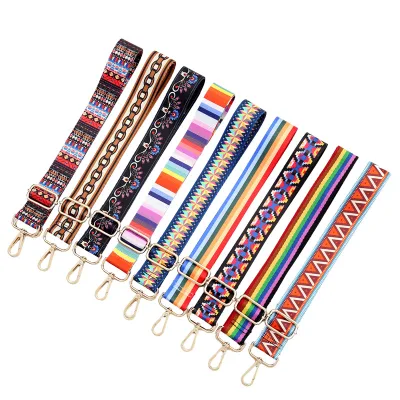
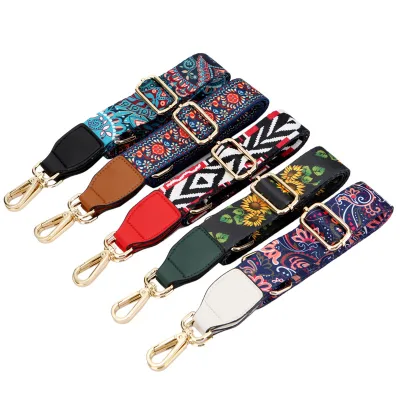
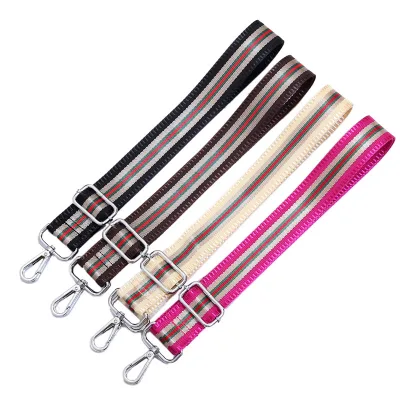
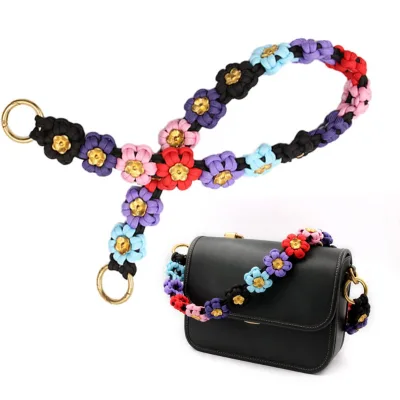
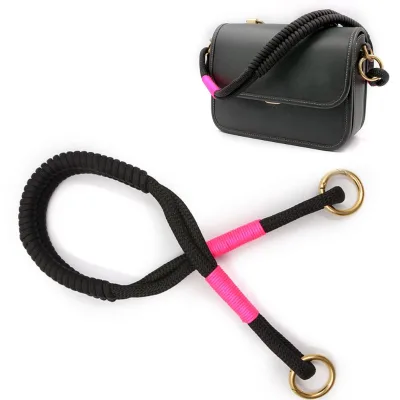
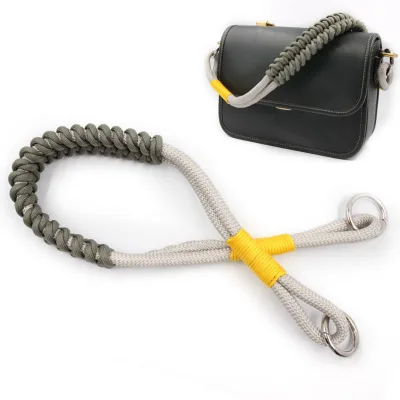
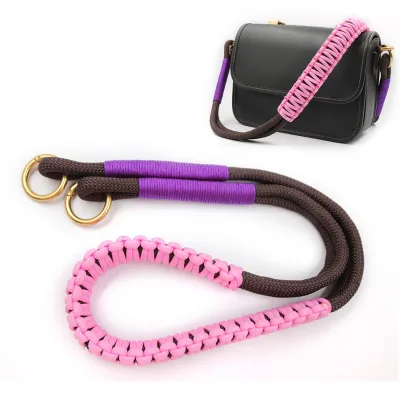
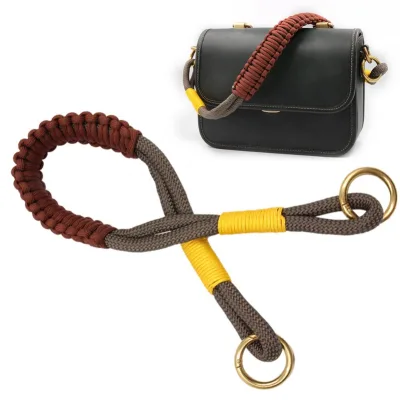




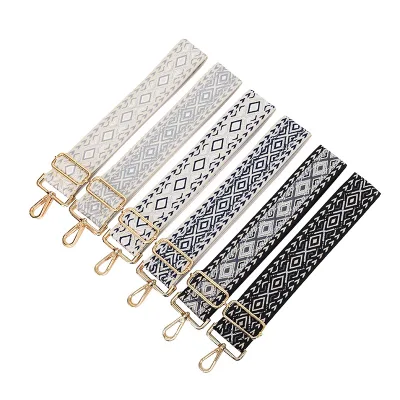
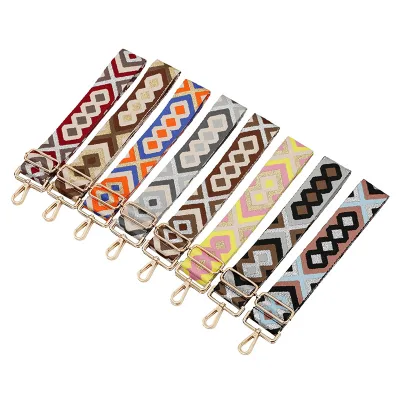
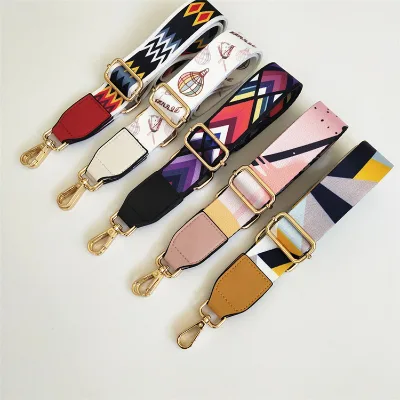
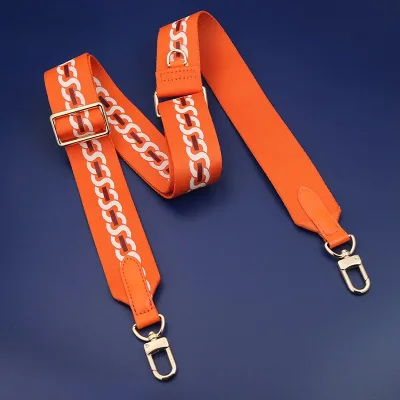
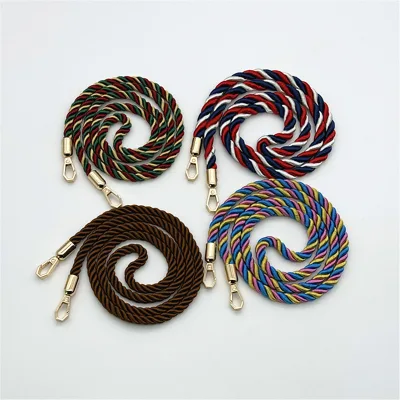
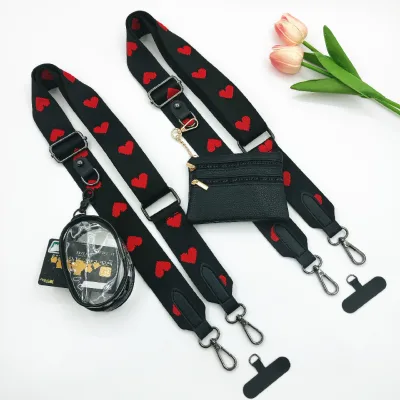
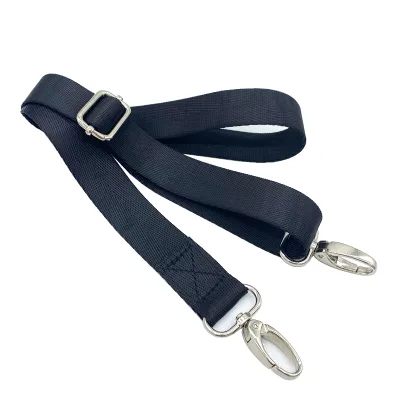
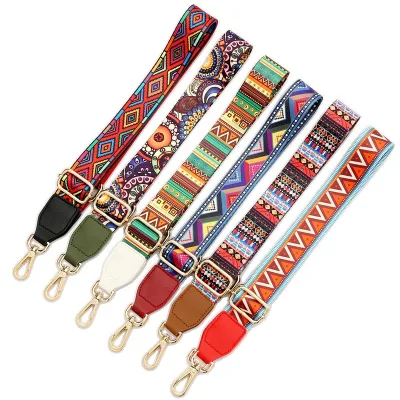


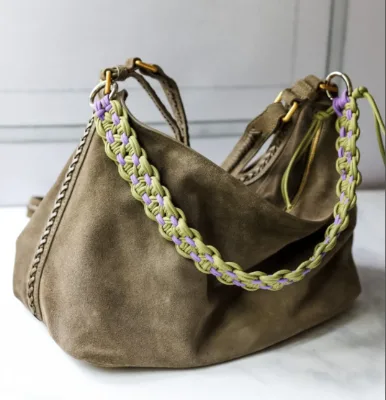
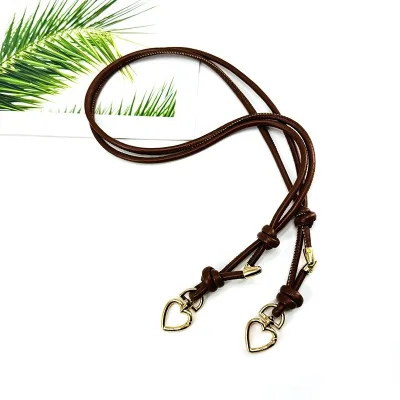
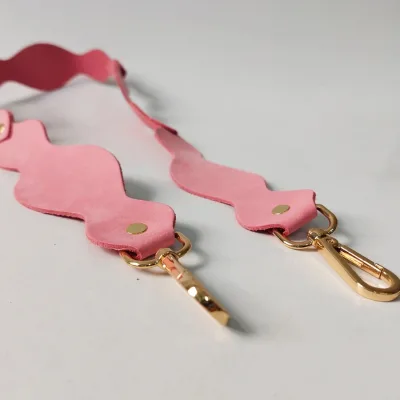


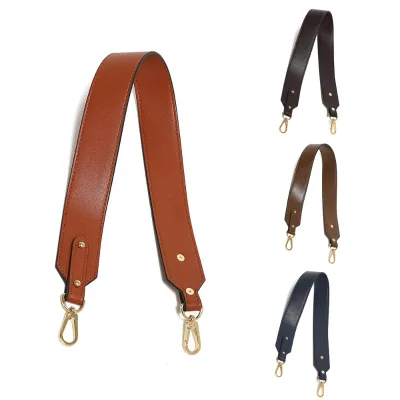
Comprehensive Sourcing Guide
Replacement Handbag Strap Supplier Concentration and Factory Types
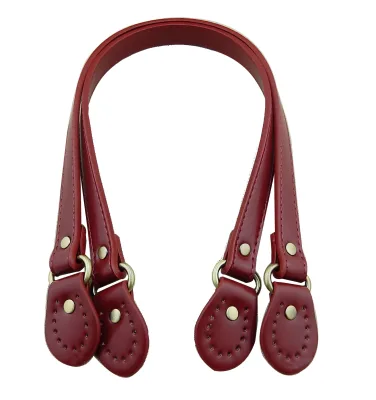
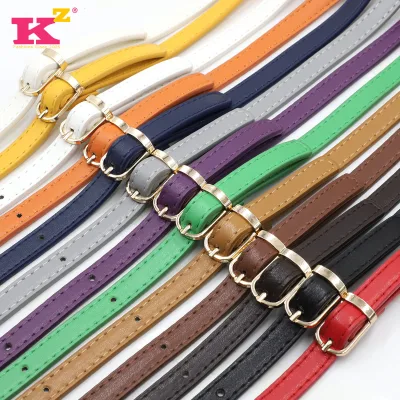
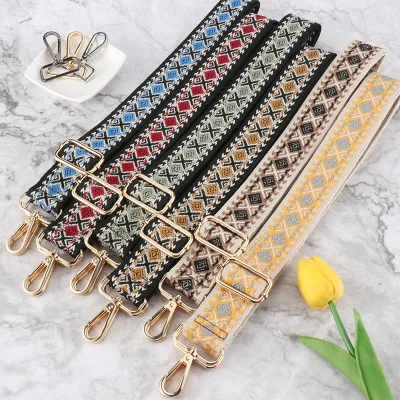
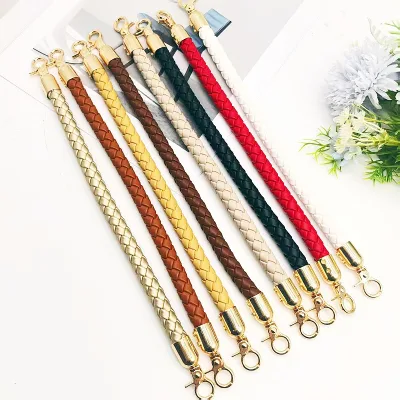
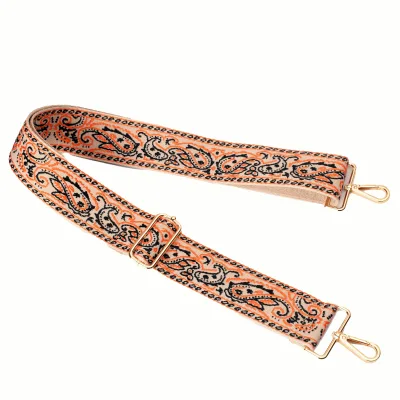
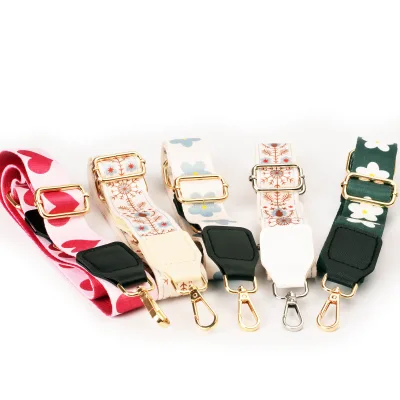
The current supplier landscape for replacement handbag straps reveals a mix of manufacturing and trading entities operating within specific industrial zones. Available data indicates that a significant portion of these suppliers are located in Guangdong, China, a region known for its extensive leather goods and bag accessory clusters. This concentration suggests that buyers can expect a high density of specialized factories in this area, though the exact number of active facilities varies by search query. The primary product categories observed include leather handbag straps, webbing straps, and various bag accessories, confirming that the region specializes in both raw material processing and finished accessory assembly.
Company types identified in the results include both direct manufacturers and trading companies, each offering distinct advantages for different procurement strategies. Manufacturers often provide capabilities for customized on-demand processing, graphic processing, and sample handling, which is critical for brands seeking unique designs. Trading companies may offer a broader range of main products such as belts, wallets, and bag accessories, potentially simplifying the sourcing process for buyers needing multiple item types. Understanding this distinction helps buyers determine whether they require direct factory engagement for customization or a trading partner for consolidated logistics and product variety.
How to Verify Replacement Handbag Strap Suppliers
Verification of supplier credibility relies heavily on third-party audit reports and specific certification standards rather than self-reported claims. Several suppliers in the current results have undergone verification by TüVRheinland, a recognized international inspection body, which provides a baseline level of trust regarding their operational status. Additionally, system certifications such as REACH, CE, RoHS, and specific EU regulations like (EC) 1907/2006 and (EU) 2015/863 are present in the data, indicating compliance with chemical safety and environmental standards. Buyers should prioritize suppliers displaying these specific regulatory marks to ensure their products meet international safety requirements for leather and fabric goods.
Beyond certifications, response time and sample availability serve as practical indicators of supplier reliability and operational efficiency. The observed data shows response times ranging from three to five hours, suggesting a generally responsive market where communication delays are minimized. Furthermore, the availability of samples is explicitly noted for certain product listings, allowing buyers to physically inspect material quality, stitching, and hardware before committing to larger orders. When evaluating a potential partner, buyers should request proof of these certifications and confirm the sample provision process, ensuring that the supplier can deliver tangible evidence of their claims before finalizing any commercial agreement.
What to Compare Across Replacement Handbag Strap Suppliers
Comparing suppliers requires a systematic evaluation of key operational metrics such as minimum order quantities, lead times, and pricing structures. The data reveals a range of MOQs, with some suppliers requiring 50 pieces while others set the threshold at 100 pieces per color, directly impacting the initial investment required for small batch testing. Lead times also vary, with specific listings indicating delivery windows of 7 to 20 days or fixed periods of 15 days, which influences inventory planning and market responsiveness. Buyers must align these constraints with their own production schedules to avoid bottlenecks in their supply chain.
Pricing and material specifications are equally critical dimensions for comparison, as they define the cost structure and product quality. Price ranges observed in the results span from approximately $0.60 to $1.73 per unit, reflecting differences in material composition, such as genuine leather versus faux leather or fabric webbing. Material attributes like thickness, width, and weight are detailed in product specifications, allowing for precise quality assessments. Additionally, payment terms vary, with some suppliers accepting 30% deposits and 70% balances, while others utilize assurance orders or T/T methods. A thorough comparison of these factors ensures that the selected supplier offers the best balance of cost, quality, and logistical feasibility for the specific project requirements.
Common Replacement Handbag Strap Sourcing Risks
One significant risk in sourcing replacement handbag straps involves discrepancies between advertised specifications and actual product delivery. While product attributes list specific details like color options, dimensions, and material types, variations can occur if the supplier does not strictly adhere to the provided samples or prototypes. For instance, a listing might specify "faux leather" with eco-friendly features, but the physical sample could differ in texture or durability. Buyers must mitigate this by rigorously testing samples against the stated attributes, such as checking the single gross weight, package size, and color consistency, to ensure the final bulk order matches expectations.
Another critical risk relates to the reliability of shipping and delivery timelines, which can be affected by external logistics factors. Although suppliers list lead times of 15 to 20 days, actual delivery may be delayed by shipping method choices, such as DHL, UPS, or sea freight, which have different transit durations. The data indicates that shipping options include courier, air, and sea transport, but the specific carrier and route are not always guaranteed in the initial quote. Buyers should verify the shipping terms and confirm the carrier details before placing an order to prevent unexpected delays that could disrupt their product launch or inventory replenishment schedules.
Replacement Handbag Strap Regional Sourcing and Logistics
The primary sourcing hub identified in the current results is Guangdong, China, a region that serves as a major manufacturing cluster for bag accessories and leather goods. This location is consistently cited in product attributes as the place of origin, indicating a high concentration of factories capable of producing replacement straps with varying levels of customization. Buyers sourcing from this region can expect access to a mature supply chain with established logistics networks, though they must still verify the specific factory location within the province to assess proximity to ports and transportation infrastructure.
Logistics planning for orders from Guangdong involves selecting appropriate shipping methods based on urgency and volume. The available data suggests that suppliers offer multiple shipping channels, including courier services like FedEx and TNT, as well as air and sea freight options. The choice of shipping method impacts both the cost and the delivery time, with courier services typically offering faster transit but higher costs. Buyers should calculate the total landed cost by factoring in shipping fees, which vary by weight and package dimensions, such as the single package sizes listed in the product attributes. Understanding these logistics variables is essential for accurate budgeting and timely delivery planning.
Replacement Handbag Strap Commercial Terms and Order Planning
Commercial terms for replacement handbag straps often include specific payment structures and customization agreements that must be clearly defined before order placement. The observed data indicates that payment terms frequently involve a 30% deposit followed by a 70% balance, a standard practice that protects both the buyer and the supplier during the production cycle. Additionally, OEM and ODM services are widely accepted, with suppliers offering customization for logos, colors, and designs. Buyers should explicitly confirm the scope of these services, including any additional costs for logo customization or unique packaging requirements, to avoid unexpected expenses later in the process.
Order planning must account for the specific production capabilities and capacity constraints of the selected supplier. The data highlights that suppliers offer sample processing and graphic processing capabilities, which are vital for developing custom designs. However, buyers should verify the supplier's capacity to handle the required volume within the stated lead times, especially when dealing with complex orders involving multiple colors or sizes. Planning should also include a buffer for potential delays in sample approval and production, ensuring that the final delivery aligns with market demands. By carefully managing these commercial and operational details, buyers can secure a reliable supply chain for their Replacement Handbag Strap needs.
FAQs
What is the typical lead time for replacement handbag straps?
Lead times vary by product, ranging from 7 to 20 days for standard orders. Some suppliers offer a 15-day lead time for customized items. Sample processing and graphic processing capabilities allow for faster turnaround on specific requests.
What are the minimum order quantities for these straps?
Minimum order quantities typically start at 50 pieces for general leather straps. Some specific models require 100 pieces per color. Buyers should verify the exact MOQ for their chosen style before placing a bulk order.
Which certifications do the suppliers hold for these products?
Suppliers hold certifications including REACH, CE, RoHS, and ISO 17131. They also comply with EU regulations such as (EC) 1907/2006 and (EU) 2015/863. Verification by TüVRheinland confirms their manufacturing standards.
Where are the manufacturers of these straps located?
All listed manufacturers are located in Guangdong, China. This region is a major hub for bag accessories and leather goods. Buyers can expect products to originate from this specific province.
What materials are used for the replacement handbag straps?
Materials include genuine leather, faux leather, and fabric webbing. Some options feature woven PU leather that is breathable and waterproof. Buyers can choose based on durability and style requirements.
How quickly do suppliers respond to inquiries?
Response times are generally fast, with some suppliers replying within 3 hours. Others may take up to 5 hours to respond. Quick delivery is often highlighted as a key advantage for urgent orders.
What is the price range for these replacement straps?
Prices range from approximately 0.60 to 1.73 per unit depending on the material and design. Specific listings show ranges between 0.95 and 1.65 or 1.01 and 1.33. Costs vary based on customization and order volume.