Source 1000nits Pixel LED Video Wall for Stage, Advertising, Shopping
Compare 30 listings of 1000nits Pixel LED Video Wall units suitable for stage performance, advertising, and shopping guides. Buyers can review specifications like pixel pitch, brightness, and cabinet materials to find the right display solution; compare the available evidence and request quotations based on your requirements.
Updated
Key considerations
Products List


Indoor P1.95 Advertising Digital Display Screens LED Video Wall
$400.00 - $600.00
MOQ: 1 Square Meters

Full Color P1.8 Indoor LED Advertising Display Screen LED Video Wall
$399.00 - $589.00
MOQ: 1 Square Meters

Indoor P1.5 High Quality Advertising Digital Screen LED Video Wall
$599.00 - $699.00
MOQ: 1 Square Meters

Full Color P1.8 Indoor Digital Advertising Display Screen LED Video Wall
$399.00 - $589.00
MOQ: 1 Square Meters


Waterproof High Brightness P100 Flexible Outdoor LED Video Wall
$499.00 - $599.00
MOQ: 1 Square Meters


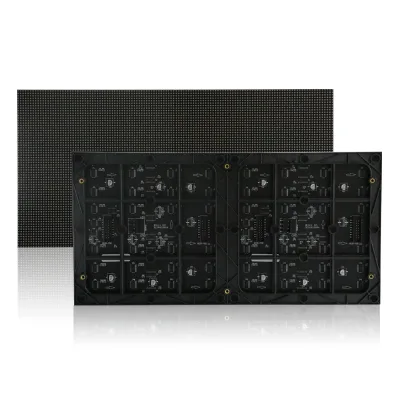

HD Pixel Indoor Full Color High Refresh Rate P3.076 LED Display LED Video Wall
$446.00 - $466.00
MOQ: 6 Square Meters

Indoor HD Pixel LED Video Wall P1.25 for Conferences and Wall Mounting Use LED Display Screen
$1190.00 - $1241.00
MOQ: 6 Square Meters


P2.6 High Brightness Transparent LED Screen Display LED Video Wall
$812.00 - $912.00
MOQ: 1 Square Meters




Comprehensive Sourcing Guide
1000nits Pixel LED Video Wall Sourcing Guide
Procuring high-brightness LED video walls requires careful alignment of technical specifications with intended deployment environments. Buyers must distinguish between indoor and outdoor requirements, as brightness levels directly impact visibility and power consumption. The core keyword suggests a focus on mid-to-high luminance displays suitable for well-lit indoor spaces or shaded outdoor areas. Understanding the specific application context is the first step in defining the correct pixel pitch and cabinet structure.
This guide provides evidence-based procurement strategies for sourcing LED video walls with brightness around 1000 nits. It covers technical verification, compliance documentation, and commercial terms based on observed market data. The focus is on helping buyers make informed decisions without relying on unverified supplier claims. By following these structured steps, procurement teams can mitigate risks associated with quality inconsistencies and ensure long-term operational reliability.
Product Scope and Observed Listing Signals
The observed product range includes models with pixel pitches from 1.5mm to 3.91mm, indicating a spectrum from ultra-high definition to standard commercial displays. Listings show a price range of $5.6 to $9,300, reflecting significant variation in cabinet size, component quality, and included accessories. Buyers should note that lower prices may correspond to smaller cabinet dimensions or basic configurations, while higher prices often include advanced features like front service capabilities or higher refresh rates.
Observed minimum order quantities (MOQ) range from 1 to 10 units, suggesting flexibility for both pilot projects and large-scale installations. The presence of customization options allows buyers to tailor display functions such as video, text, or image-and-text displays to specific needs. Applications identified include stage performance, advertising, and shopping guides, which require different brightness and viewing distance specifications. Buyers must match these observed signals to their specific project requirements to avoid over-specifying or under-specifying their purchase.
Technical Specifications to Verify
Brightness is a critical differentiator, with observed values ranging from 800 nits to 4000 nits. For applications requiring 1000 nits, buyers should verify if the specified brightness is typical or peak, and whether it is measured under specific conditions. Refresh rates observed include >1920Hz and >3840Hz, which are essential for smooth video playback and camera compatibility. Higher refresh rates reduce flickering and improve the viewing experience, especially in professional settings like stage performances or broadcast environments.
Pixel pitch determines resolution and optimal viewing distance, with options like 1.5mm, 1.8mm, 1.95mm, and 3.91mm available. Viewing distances range from 1m to 4m, guiding buyers on where the display will be installed. Cabinet materials are typically aluminum, with weights varying from 3kg/m² to 30kg/m² depending on the model and construction. Buyers should verify the driver IC type, such as Constent Current, and the power supply unit (PSU) specifications to ensure compatibility and efficiency.
Compliance and Safety Documentation
Certifications are a key indicator of product quality and market readiness. Observed certifications include CCC, CE, ETL, and RoHS, which are essential for sales in various regions. Buyers must verify that the supplier provides valid certificates for the specific models being purchased, as certifications can vary by product line. These certifications ensure that the LED video walls meet safety, electromagnetic compatibility, and environmental standards, reducing liability and ensuring regulatory compliance.
Material safety is also crucial, with some products featuring anti-flame retardancy properties. Buyers should request material safety data sheets (MSD) to confirm the fire rating and environmental impact of the components. Additionally, verifying the operating voltage range, typically AC110-240V, ensures compatibility with local power infrastructure. Proper documentation helps in risk management and facilitates smoother customs clearance and installation processes.
Cost Drivers and Commercial Terms
Several factors influence the final cost of an LED video wall, including pixel pitch, brightness, and cabinet size. Smaller pixel pitches and higher brightness levels generally increase the price due to the use of more advanced components. The observed price range of $5.6 to $9,300 reflects these variations, with higher-end models commanding premium prices. Buyers should request detailed quotations that break down costs by component, such as LED lamps, driver ICs, and power supplies, to understand the value proposition.
Commercial terms such as MOQ, lead time, and payment terms are critical for planning. Observed MOQs of 1-10 units offer flexibility, but buyers should negotiate for better terms for larger orders. Lead times can vary based on customization requirements and production capacity, so early communication with suppliers is essential. Payment terms, such as deposits and balance payments, should be clearly defined to manage cash flow and mitigate financial risk.
Supplier Qualification and Quality Control
Supplier qualification involves assessing their manufacturing capabilities, quality control processes, and after-sales support. Buyers should verify the supplier's production capacity and experience in manufacturing LED video walls. Requesting factory audits or third-party inspection reports can provide insights into their quality management systems. Suppliers with robust QC processes are more likely to deliver consistent product quality and meet delivery schedules.
Quality control checks should include visual inspections, functional tests, and performance validations. Buyers should specify acceptance criteria for brightness uniformity, color consistency, and dead pixel rates. Establishing a clear communication channel for addressing defects or issues during installation is crucial. Suppliers that offer comprehensive technical support and warranty services add significant value to the procurement process, ensuring long-term satisfaction.
Long-Term Procurement Checks
Long-term success depends on the reliability and durability of the LED video walls. Buyers should consider the expected lifespan of the components, such as LED lamps and power supplies, and the availability of spare parts. Suppliers that provide detailed maintenance guidelines and technical documentation facilitate easier upkeep and reduce downtime. Regular performance monitoring and preventive maintenance can extend the life of the display and maintain optimal image quality.
Scalability and future-proofing are also important considerations. Buyers should assess whether the display system can be easily expanded or upgraded to meet changing needs. Compatibility with future software updates and hardware advancements ensures that the investment remains relevant. Building a long-term relationship with a reliable supplier can provide access to new products and technologies, supporting continuous improvement and innovation in display solutions.
FAQs
What certifications are available for 1000nits Pixel LED Video Wall products?
Products typically hold CCC, CE, ETL, and RoHS certifications to ensure safety and compliance. These standards verify electrical safety and environmental restrictions. Buyers should request valid certificates from suppliers to confirm that the specific batch meets regional regulatory requirements for installation and operation in target markets.
How does the pixel pitch affect viewing distance for these displays?
Pixel pitch determines the optimal viewing distance for clear image resolution. For example, a 3.91mm pitch suits a 4-meter distance, while 1.5mm pitches are ideal for 1-meter proximity. Selecting the correct pitch ensures sharp text and video clarity without visible pixelation for the intended audience position.
Can these LED video walls be customized for specific applications?
Yes, customization is available to tailor displays for stage performance, advertising, or shopping guides. Buyers can specify cabinet sizes, brightness levels, and scanning modes. This flexibility allows integration into unique architectural designs or specific operational environments while maintaining high refresh rates and consistent color performance.
What is the typical weight and power consumption of these cabinets?
Weight varies by model, ranging from 3kg to 30kg per square meter. Power consumption depends on brightness settings, with some models averaging 300W per square meter. These metrics help engineers calculate structural load requirements and electrical capacity needs for safe and efficient long-term installation and operation.
Which LED lamp brands and driver ICs are commonly used?
High-quality units often use Epistar LED lamps and Constent Current driver ICs. These components ensure stable brightness, accurate color reproduction, and long lifespan. Buyers should verify component specifications to guarantee consistent performance and reliability, especially for high-traffic advertising or critical stage performance applications requiring high refresh rates.
What installation methods are supported for these video wall systems?
Installation options include back fixed mounting and back bolted hanging configurations. Some models support front service for easier maintenance access. The choice depends on the venue structure and maintenance requirements. Proper installation ensures structural stability and allows for efficient servicing of the LED modules and power supply units.