Source 11KW AC EVSE Charging Station for Public, Private, and Commercial Use
Compare 30 listings for the 11KW AC EVSE Charging Station featuring wall-mounted and floor-type options. Buyers can evaluate models with RFID, app control, and IP54 protection from suppliers in China; compare the available evidence and request quotations based on your requirements.
Updated
Key considerations
Products List





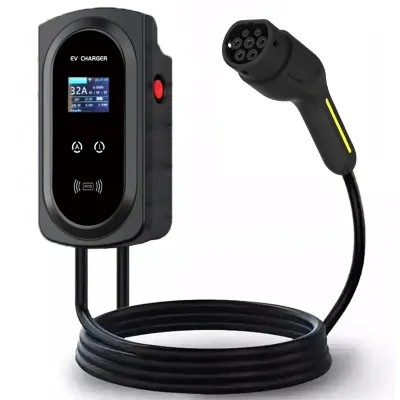
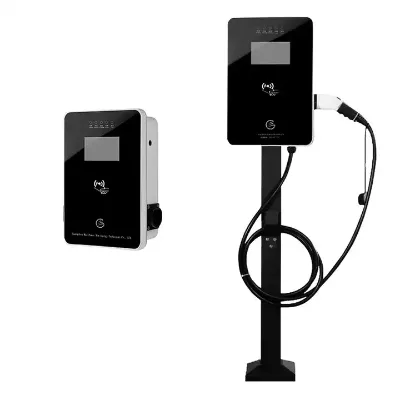

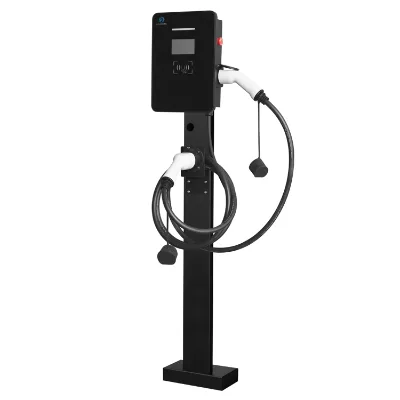
Comprehensive Sourcing Guide
11KW AC EVSE Charging Station Sourcing Guide
Procuring an 11kW AC EVSE requires careful alignment of technical specifications with operational needs. Buyers must distinguish between slow and fast charging classifications, as market listings often conflate these categories. The observed product range includes models explicitly labeled as slow charging stations, while others are categorized as fast charging stations, creating potential confusion during initial screening. Understanding this distinction is critical for ensuring the selected unit meets the specific energy delivery requirements of your fleet or public infrastructure.
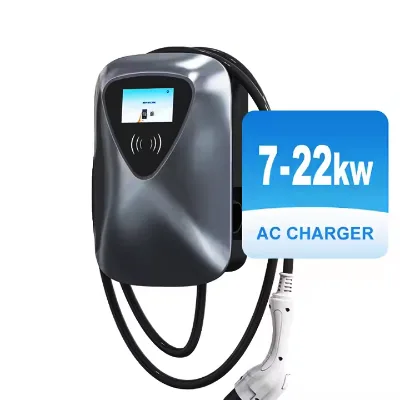
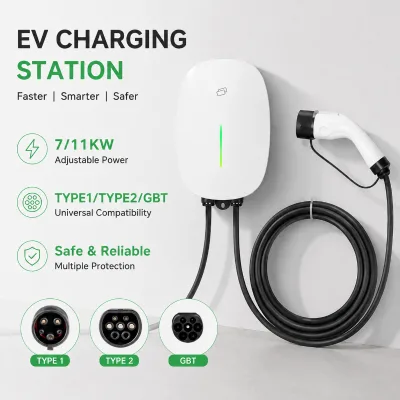
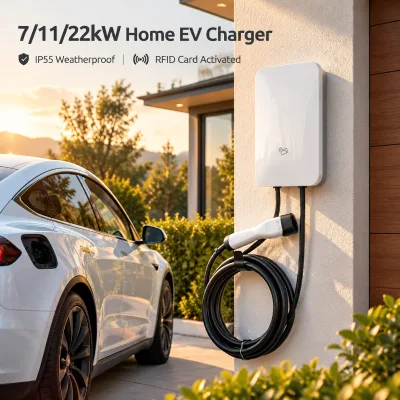
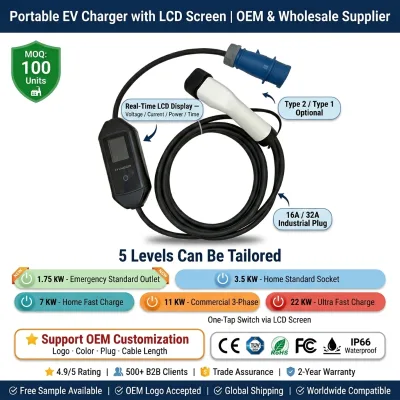
Verification of input voltage and current ratings is essential before finalizing any purchase order. Available data indicates input voltages ranging from 220V to 380V, with some units supporting three-phase 32A currents. This variability directly impacts installation complexity and electrical infrastructure costs. Buyers should confirm whether the unit supports single-phase or three-phase connections to avoid costly retrofitting. Additionally, output power options listed include 7kW, 11kW, and 22kW, suggesting that some hardware may be configurable or that different models share similar form factors but vary in internal components.
Product Scope and Observed Listing Signals
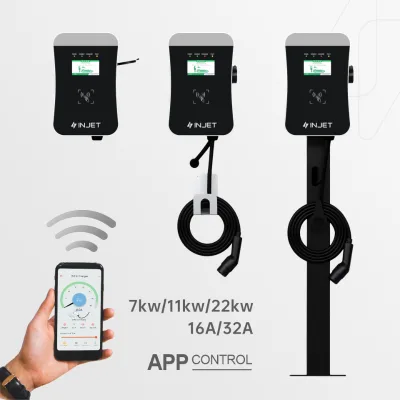
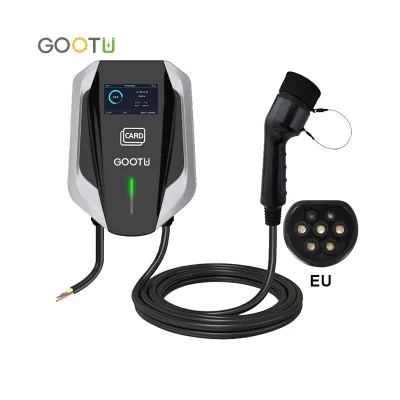
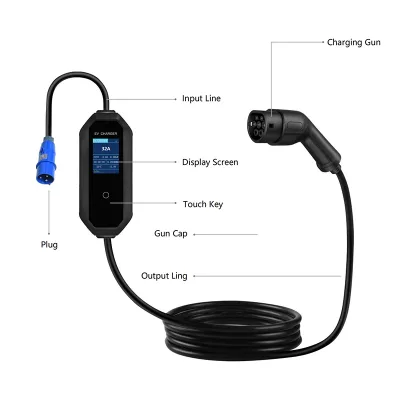
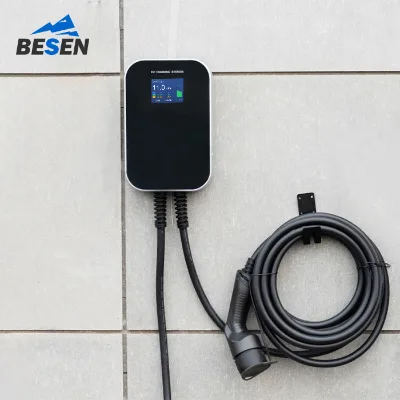
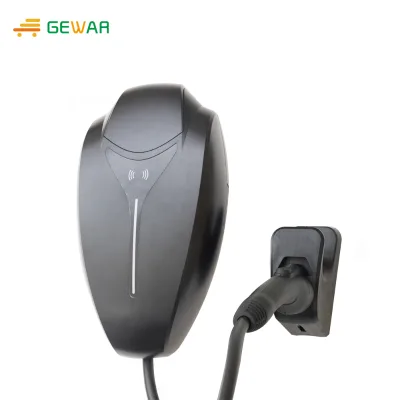
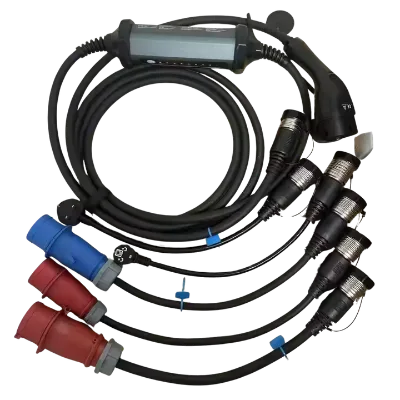
The market for 11kW AC EVSEs presents a diverse array of physical configurations and installation types. Listings indicate both wall-mounted and floor-type installations, allowing buyers to select hardware that fits their spatial constraints. Public use and private use scenarios are both addressed by available models, though specific location suitability must be verified against local zoning and safety regulations. The presence of customization options for cable length and charging interfaces suggests that suppliers are willing to tailor units to specific operational workflows, which is valuable for large-scale deployments.
Authentication and payment methods vary significantly across different product models, reflecting diverse business models. Some units support RFID cards, remote controls, book charging, and APP control, while others rely on IC cards or QR codes for authentication. Payment options include cash top-up and APP online payments, indicating a shift toward digital transaction management. Buyers should evaluate which start mode and payment integration aligns with their existing backend systems or user expectations to ensure seamless operation and accurate billing.
Technical Specifications to Verify
Connector type is a primary technical differentiator that must be matched to the target vehicle fleet. The supplied context identifies GB/T and CCS interface standards, which are critical for regional compatibility. Buyers must ensure that the EVSE connector matches the inlet standard of the electric vehicles it will serve. Mismatched connectors can render the hardware useless, leading to significant financial loss and project delays. Additionally, the number of charging interfaces is specified as one pile with one charge, indicating single-vehicle access per unit, which influences site layout and user throughput.
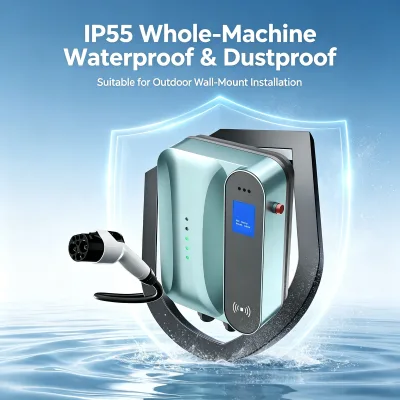
Cooling and protection ratings are vital for determining the operational lifespan and environmental resilience of the unit. Observed specifications include IP54 protection ratings and natural cooling methods, which are suitable for moderate indoor or sheltered outdoor environments. However, buyers should verify if higher IP ratings are available for harsher climates. The rated voltage of 380V and input frequency of 50Hz/60Hz must be confirmed against local grid standards. Failure to match these electrical parameters can result in equipment damage or failure to operate, making pre-purchase technical validation non-negotiable.
Compliance and Safety Documentation
Certification requirements vary by destination market, and buyers must ensure the supplier provides valid documentation. Listed certifications include CE, ISO, RoHS, and TUV, which are common requirements for European and international markets. However, the presence of these marks on a listing does not guarantee compliance for every individual unit or batch. Buyers should request current, verifiable certificates from accredited testing bodies before placing orders. Additionally, standards such as IEC 62196-2 and IEC 61851-1-2017 are referenced, indicating adherence to international safety and performance benchmarks for electric vehicle conductive charging systems.
Warranty and after-sales service terms provide a baseline for risk mitigation. Most observed listings offer a 12-month warranty or one-year warranty, which is standard for this product category. Buyers should clarify the scope of this warranty, including coverage for internal components versus external connectors. The after-sales service rating of five suggests a baseline expectation of support, but specific response times and spare parts availability should be negotiated in the contract. Understanding the warranty terms helps in calculating the total cost of ownership and planning for potential maintenance scenarios.
Cost Drivers and Commercial Terms
Pricing for 11kW AC EVSEs varies widely, with observed ranges from $80 to $1100 USD. This broad spectrum reflects differences in build quality, certification levels, and included features such as smart connectivity or premium connectors. Buyers should not assume that lower-priced units meet the same safety or durability standards as higher-priced alternatives. The minimum order quantity (MOQ) is typically low, ranging from 1 to 2 units, which facilitates small-scale pilot projects but may limit economies of scale for larger deployments. Negotiating volume discounts is advisable for orders exceeding standard MOQs.
Packaging and logistics details impact the final landed cost. Units are shipped in wooden cases, cartons, or inner boxes, which affects handling requirements and potential damage during transit. The single gross weight is listed as 0.0 kg in some entries, which is likely a data error; buyers must request accurate weight and dimension data for freight calculation. The selling unit is typically a single item, simplifying inventory management. Buyers should also consider the cost of installation accessories, such as mounting brackets or cable management systems, which may not be included in the base price.
Supplier Qualification and Quality Control
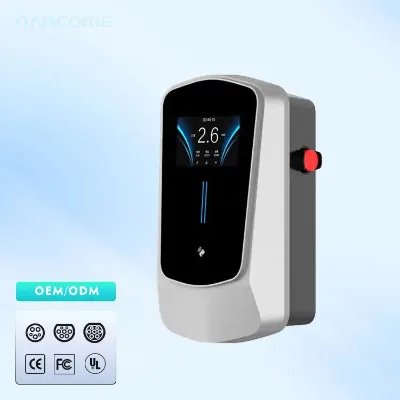
Supplier origin and manufacturing capability are key indicators of product reliability. Most listed products originate from China, with specific mentions of Yangzhou, Jiangsu, and Zhejiang provinces. Buyers should verify the supplier’s manufacturing capacity and quality control processes, particularly if ordering in bulk. The availability of OEM/ODM services indicates that suppliers can customize branding and technical specifications, which is beneficial for private-label projects. However, customization may introduce longer lead times and require more rigorous quality assurance checks to ensure consistency across batches.
Quality control should extend beyond factory inspections to include pre-shipment testing. Buyers should request test reports for electrical safety, insulation resistance, and connector durability. The listed specifications, such as output current of AC and wattage of 7kW, 11kW, or 22kW, should be verified through independent testing if possible. Establishing a clear acceptance criteria document before production begins helps prevent disputes over product performance. Regular communication with the supplier regarding production status and quality metrics is essential for maintaining project timelines and product integrity.
Long-Term Procurement Checks
Sustainability and lifecycle management are increasingly important factors in EVSE procurement. Buyers should inquire about the recyclability of materials and the availability of replacement parts for the connector and internal components. The natural cooling method may have implications for long-term performance in high-temperature environments, so monitoring thermal management over time is advisable. Additionally, software updates for APP control and RFID authentication systems should be supported by the supplier to ensure continued compatibility with evolving vehicle standards and security protocols.
Regulatory changes and technological advancements may render current models obsolete or non-compliant in the future. Buyers should maintain a relationship with the supplier to stay informed about new certifications or updated standards, such as potential revisions to IEC 62196-2. Keeping detailed records of serial numbers, installation dates, and maintenance logs facilitates warranty claims and troubleshooting. Regular audits of the installed base against current safety regulations help ensure ongoing compliance and protect against liability issues associated with electric vehicle charging infrastructure.
FAQs
What certifications do 11kw ac evse charging stations have?
These units typically hold CE, ISO, and RoHS certifications, with some models also featuring TUV approval. Compliance with standards like IEC 62196-2 ensures safety and interoperability. Buyers should verify specific documentation for their region to ensure regulatory alignment and smooth customs clearance during import processes.
Can I customize the 11KW AC EVSE Charging Station?
Yes, customization is available for these charging stations. Buyers can request specific cable lengths, connector types like GB/T or CCS, and branding options. OEM and ODM services are offered, allowing businesses to tailor the product to their specific infrastructure needs and brand identity requirements.
How is the 11KW AC EVSE Charging Station installed?
Installation options include wall-mounted and floor-type configurations. The units support various start modes such as RFID cards, remote controls, and APP control. Buyers should select the installation type based on site constraints, ensuring the chosen model fits the physical space and user access requirements effectively.
What is the warranty period for these charging stations?
The standard warranty period is typically 12 months or one year. This coverage protects against manufacturing defects and ensures product reliability. Buyers should confirm the specific after-sales service terms with the supplier to understand the scope of support and any extended warranty options available for their purchase.
What is the minimum order quantity for these units?
The minimum order quantity ranges from 1 to 2 units. This low MOQ allows buyers to test the product quality before committing to larger orders. It is suitable for small-scale deployments or initial procurement trials, providing flexibility for businesses evaluating the charging infrastructure for their specific needs.
Where are these 11kw charging stations manufactured?
These units are manufactured in China, with origins in regions like Yangzhou, Jiangsu, and Zhejiang. Buyers can source directly from these locations to leverage established manufacturing hubs. Understanding the origin helps in assessing logistics costs, lead times, and the overall supply chain reliability for international procurement projects.