Source 11MP USB Hub Camera Module for ATM, Kiosk, Laptop
Find 30 verified 11MP USB Hub Camera Module options from Shenzhen suppliers. Compare USB 2.0 interfaces, 1920x1080 resolutions, and IR face recognition features for ATM, kiosk, and laptop applications; compare the available evidence and request quotations based on your requirements.
Updated
Key considerations
Products List


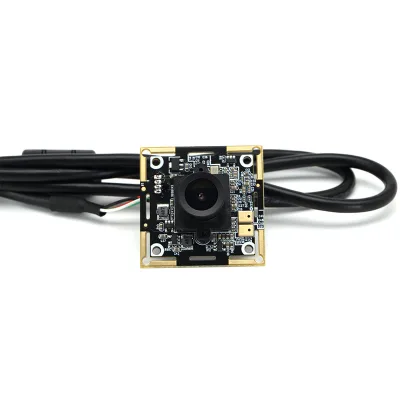
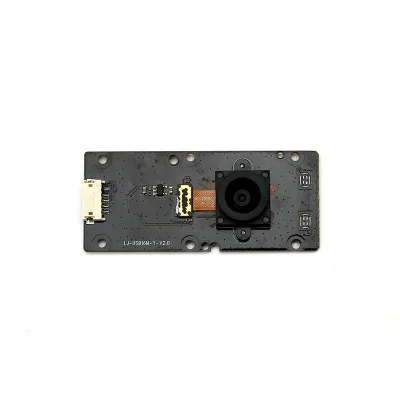
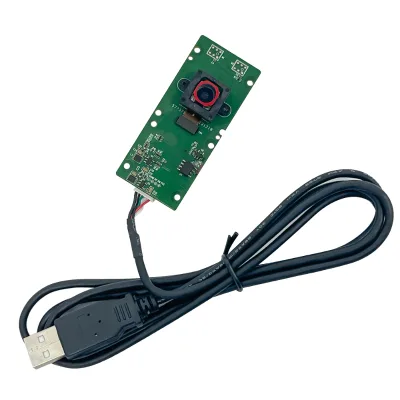
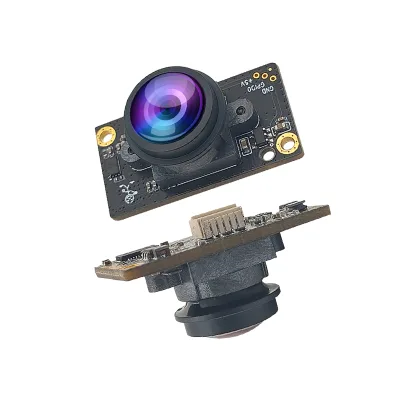
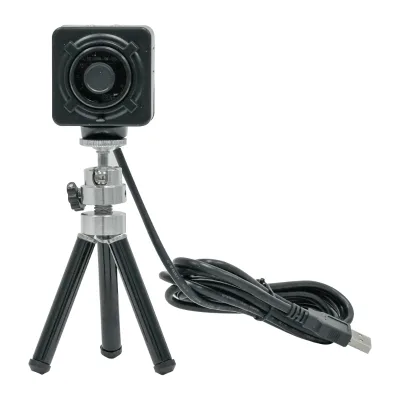


5MP Imx335 Sensor Fixed Focus USB Camera Module 60fps USB3.0 Webcam Module
$68.00 - $69.00
MOQ: 1 Pieces

8MP USB2.0 Fixed Focus Camera Module with Imx317 Sensor Face Recognition
$56.00 - $57.00
MOQ: 1 Pieces
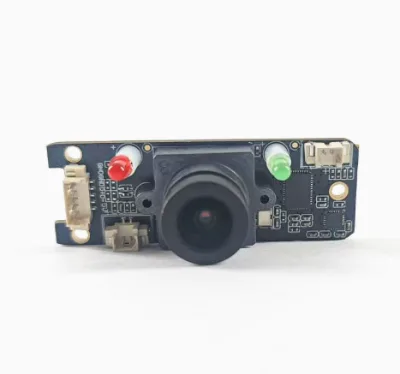
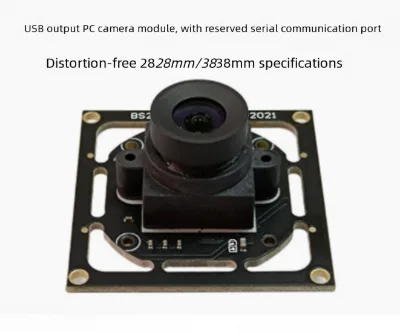
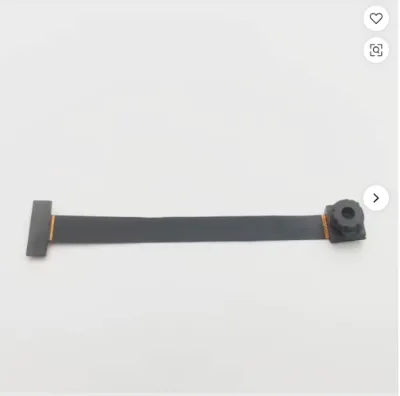
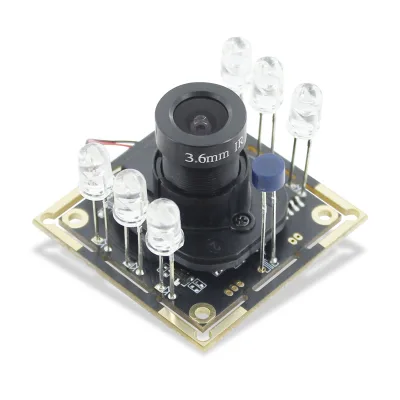
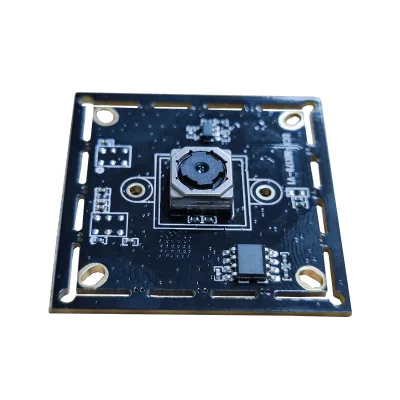
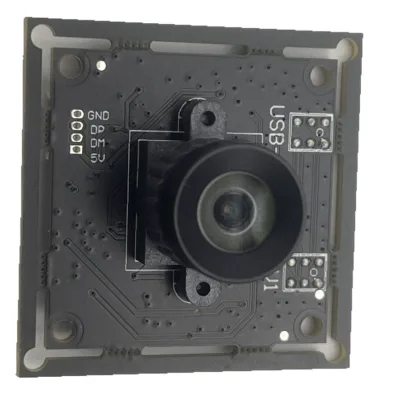
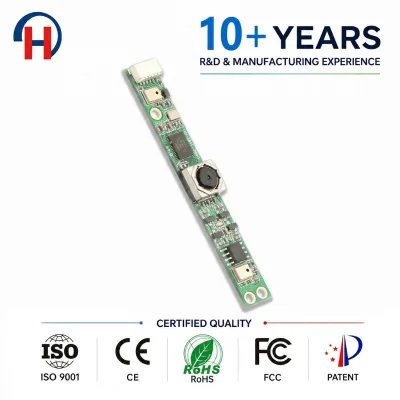
Comprehensive Sourcing Guide
11MP USB Hub Camera Module Sourcing Guide
Procurement teams must first distinguish between the specific 11-megapixel resolution requirements and the observed 1920x1080 or 2592x1944 pixel counts found in current listings. The core keyword implies a high-resolution sensor, yet available data frequently cites 1/2.7-inch or 1/4-inch sensor sizes with varying effective distances. Buyers should verify if the "11mp" descriptor refers to a specific proprietary model or a marketing term for a standard 1080p module, as the listed specifications often prioritize USB 2.0 interface compatibility over raw pixel density.
The observed product range includes diverse applications ranging from financial devices like ATMs to general laptop integration. While some listings highlight IR face recognition capabilities, others focus on standard video output formats like Yuv or Mjpg for kiosks. Sourcing strategies must account for this variability by confirming the exact image resolution ratio required for the intended deployment, ensuring the selected module matches the specific optical and processing needs of the target environment rather than relying on generic product titles.
Product Scope and Observed Listing Signals
Buyers should analyze the interface types and material compositions listed in current catalogs to ensure compatibility with existing hardware infrastructure. The available data indicates a prevalence of USB 2.0 interfaces and plastic construction, which are standard for cost-effective integration into laptops and notebooks. However, the presence of specific lens constructions like M7 and high-quality glass lenses suggests that premium variants exist within the same product category, requiring careful filtering to identify the correct optical quality for professional use cases.
The observed listing signals reveal a wide spectrum of packaging options, from natural packages to neutral box packing and OEM branding. This variability impacts logistics and branding strategies, as some suppliers offer custom packaging while others provide standard carton or box solutions. Procurement teams must clarify these packaging requirements early in the negotiation process to avoid unexpected costs or delays, ensuring the final delivery aligns with the company's internal logistics and branding standards.
Technical Specifications to Verify
Verification of sensor size and pixel dimensions is critical when evaluating modules that claim high-resolution performance. The supplied facts list both 1/2.7-inch and 1/4-inch sensor sizes alongside specific pixel dimensions of 3µm*3µm, which directly influence low-light performance and image clarity. Buyers must cross-reference these physical sensor attributes with the claimed resolution ratios to confirm that the module can deliver the necessary image quality for applications such as face recognition or detailed financial device monitoring.
Focus mechanisms and field of view parameters require strict validation to ensure the camera meets operational distance requirements. The data indicates a fixed focus capability and an effective distance range of 10-30 meters for certain models, while others specify an effective focal length of 4.7mm with a 78-degree field of view. Procurement teams should test these optical parameters against the actual installation environment to prevent issues with image sharpness or coverage gaps in the final deployment.
Compliance and Safety Documentation
Regulatory compliance is a non-negotiable aspect of sourcing electronic components, particularly for devices entering global markets. The observed product data confirms the presence of UR, CE, FCC, and RoHS certifications, which are essential for legal market entry in North America and Europe. Buyers must request valid certification documents for each specific batch to ensure that the modules meet current safety and environmental standards, as these certifications often vary by production run and region.
Quality management systems also play a pivotal role in ensuring consistent product reliability and safety. Some listings reference ISO9001 standards, indicating a commitment to quality control processes that can reduce the risk of defects in the supply chain. Procurement teams should verify the current status of these quality certifications with the supplier, ensuring that the manufacturing facility maintains the necessary audits and documentation to support long-term product stability and safety compliance.
Cost Drivers and Commercial Terms
Pricing structures for these modules vary significantly based on resolution, sensor quality, and customization options. The observed price range spans from 2 to 112 USD, reflecting the difference between basic plastic-encased units and specialized glass-lens modules with advanced features like IR recognition. Buyers must understand that higher prices often correlate with specific sensor sizes, such as the 1/2.7-inch variant, and the inclusion of proprietary assembly techniques like SMT, which add value but also increase the unit cost.
Minimum Order Quantities (MOQ) and lead times are key commercial terms that influence inventory planning and cash flow. The data shows an MOQ range of 1 to 100 units, offering flexibility for small-scale testing or prototyping while accommodating larger production runs. Procurement teams should negotiate these terms based on their specific volume needs, balancing the cost benefits of bulk purchasing against the risk of holding excess inventory, especially given the potential for rapid technological obsolescence in camera modules.
Supplier Qualification and Quality Control
Supplier location and manufacturing capabilities are primary indicators of supply chain reliability and responsiveness. The majority of observed products originate from Shenzhen, China, a hub known for its dense electronics ecosystem, though some listings mention Sichuan as an origin point. Buyers should assess the logistical advantages of these locations, considering factors like shipping times and the supplier's ability to scale production quickly to meet fluctuating market demands.
Quality control processes, including assembly techniques and packaging standards, directly impact the final product's durability and performance. The data highlights the use of SMT assembly and various packing methods, from natural packages to OEM-branded boxes. Procurement teams must evaluate the supplier's track record in maintaining these standards, ensuring that the assembly process minimizes defects and that the packaging protects the sensitive optical components during transit and storage.
Long-Term Procurement Checks
Sustainability and future-proofing are essential considerations when establishing long-term supplier relationships for camera modules. Buyers should verify the supplier's commitment to RoHS compliance and their ability to adapt to evolving environmental regulations, ensuring that the products remain compliant as global standards tighten. This proactive approach helps mitigate the risk of supply chain disruptions caused by regulatory changes or the phase-out of non-compliant materials.
Continuous performance monitoring and feedback loops are necessary to maintain product quality over the lifecycle of the procurement contract. Teams should establish clear metrics for image resolution, sensor performance, and interface stability, regularly reviewing these against the initial specifications provided. By maintaining open communication channels and conducting periodic audits, buyers can ensure that the supplier continues to deliver products that meet the rigorous demands of applications like ATMs, kiosks, and financial devices.
FAQs
What is the resolution of the 11MP USB Hub Camera Module?
The module offers 1920x1080 resolution for clear video output. It supports Yuv and Mjpg output formats via USB 2.0 interface. This configuration ensures compatibility with standard digital devices while maintaining high-definition image quality for professional applications.
Which certifications does the 11MP USB Hub Camera Module have?
The product holds UR and CE certifications for safety compliance. It also meets CE, FCC, and RoHS standards. These credentials verify that the module adheres to international regulatory requirements for electronic components and environmental safety in global markets.
Can the 11MP USB Hub Camera Module be customized?
Yes, customization is available for this camera module. Buyers can request specific modifications to meet unique project requirements. The manufacturer supports OEM branding and offers various packing options including neutral boxes, natural packages, and cartons for flexible supply chain needs.
Where is the 11MP USB Hub Camera Module manufactured?
The module is manufactured in Shenzhen, China, with some origins listed in Sichuan. Shenzhen is a major hub for electronics production, ensuring efficient supply chains. This location supports rapid prototyping and large-scale manufacturing for global B2B buyers seeking reliable components.
What is the MOQ for the 11MP USB Hub Camera Module?
The minimum order quantity ranges from 1 to 100 units. This flexible MOQ allows buyers to test samples or order small batches. It supports both trial purchases and larger commercial orders without requiring excessive initial inventory investment from the sourcing company.
What is the price range for the 11MP USB Hub Camera Module?
The observed price range is 2 to 112 USD. Pricing varies based on specifications, customization, and order volume. Buyers should request quotes for specific models like SX-6200HA or SX-6500G to get accurate costs tailored to their exact technical requirements and quantity.