Source 11inch Silicone Spatula for Baking for cakes, pastries, and mixing
Compare 30 listings for the 11inch Silicone Spatula for Baking from Fujian, China. Buyers can review options with certifications like ROHS and CE, available in multiple colors including blue and black, with MOQs starting at 5 pieces; compare the available evidence and request quotations based on your requirements.
Updated
Key considerations
Products List

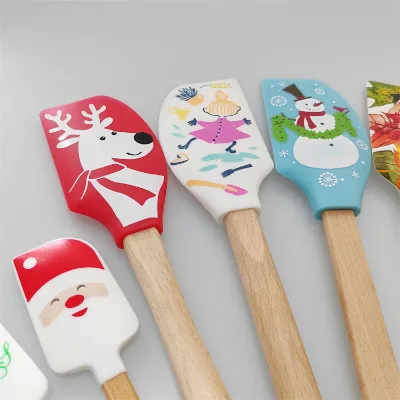


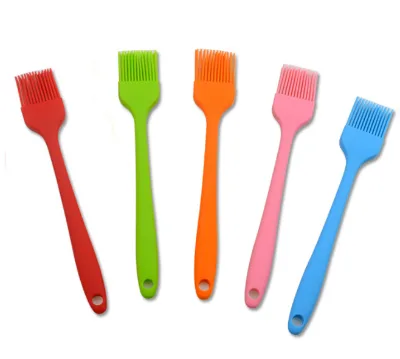
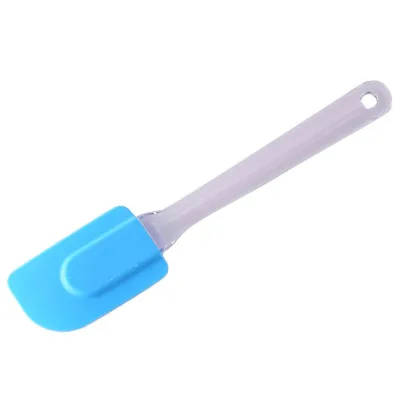


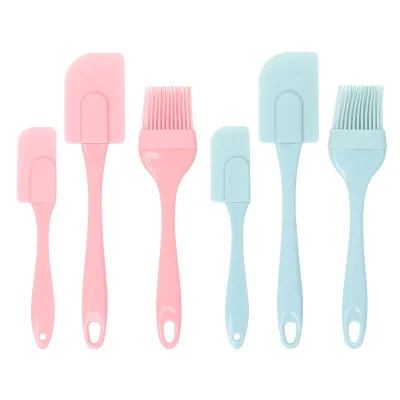


Comprehensive Sourcing Guide
11inch Silicone Spatula for Baking Sourcing Guide
Sourcing 11-inch silicone spatulas requires careful attention to material composition and manufacturing origin, as the market is heavily concentrated in specific industrial hubs. Buyers should prioritize suppliers located in Fujian, China, where a significant portion of production originates, ensuring access to established supply chains for silicone-based kitchenware. The primary material observed is silicone, which offers flexibility and heat resistance, making it suitable for non-stick cookware. It is critical to verify that the silicone is food-grade and free from harmful additives, as this directly impacts product safety and longevity.
The product range includes various types such as baking and pastry spatulas, cooking sets, and cake molds, indicating a diverse inventory that may require distinct quality checks. While many listings highlight features like being dishwasher safe, reusable, and eco-friendly, buyers must confirm these attributes through direct supplier communication or sample testing. The single item selling unit suggests that procurement can be scaled flexibly, but the presence of customization options like OEM and ODM services means that specifications can vary significantly between suppliers.
Product Scope and Observed Listing Signals
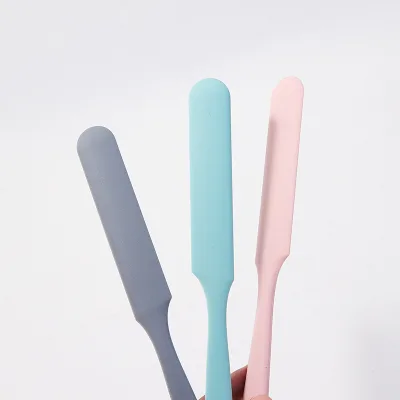
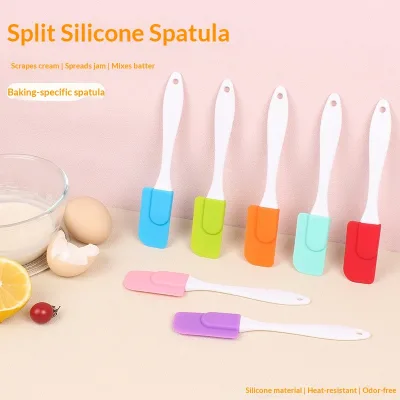
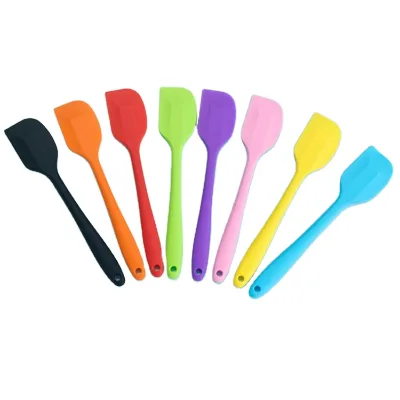
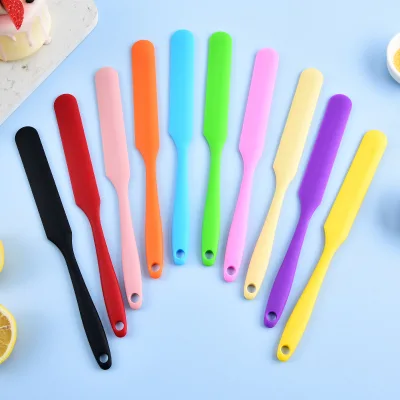
The observed product scope reveals a wide array of color options, including blue, black, green, red, purple, yellow, orange, pink, and candy colors, allowing for brand-specific customization. Listings frequently mention features such as being stocked, reusable, and non-disposable, which aligns with modern sustainable procurement goals. The weight of individual pieces varies, with observations of 40g and 82g per piece, suggesting differences in density or design complexity that may affect shipping costs and durability. Buyers should note that while some products are described as having handles, others are listed without handles, requiring precise specification matching.
Packaging details indicate a mix of carton and OPP bag options, with single package sizes ranging from 20x5x3 cm to 25x5x3 cm. These dimensions are crucial for calculating volumetric weight and optimizing container space during international shipping. The presence of certifications like ROHS, CE/EU, LFGB, and BPA Free in listings signals a focus on regulatory compliance, particularly for European and North American markets. However, buyers must verify that these certifications apply to the specific 11-inch model being ordered, as certification coverage can vary across product lines within the same supplier’s catalog.
Technical Specifications to Verify
Technical verification should begin with the physical dimensions and material thickness of the 11-inch spatula. Buyers must confirm whether the blade width and handle length meet their ergonomic and functional requirements, as variations in these measurements can impact usability in different kitchen environments. The processing service is listed as moulding, which implies a specific manufacturing technique that affects the uniformity and finish of the product. It is essential to request detailed technical drawings or samples to assess the precision of the moulding process and ensure there are no flash or imperfections that could harbor bacteria.
Additionally, the application of the spatula should be clearly defined, with most listings indicating use in home kitchens and baking tools. Buyers should verify if the silicone is rated for specific temperature ranges, although exact numerical limits are not provided in the general data. The feature of being dishwasher safe is a key selling point, but buyers should confirm if this applies to both the blade and any attached components. Customization options, including custom colors and logos, are widely accepted, but lead times for these bespoke items may differ from standard stocked products, requiring careful planning.
Compliance and Safety Documentation
Compliance documentation is paramount when sourcing silicone kitchenware, especially for markets with strict food contact regulations. Buyers must request valid certificates for ROHS, CE/EU, LFGB, and BPA Free status, ensuring they are current and issued by accredited bodies. These certifications demonstrate that the product meets specific chemical migration limits and safety standards, protecting both the end consumer and the buyer from liability. It is crucial to verify that the certificates cover the exact product model and material composition, as generic certifications may not apply to all variations within a supplier’s portfolio.
Furthermore, buyers should inquire about the supplier’s quality management systems and any internal testing protocols they employ. While the listings mention certifications, they do not provide specific test results or batch-specific compliance data. Requesting third-party lab reports for heavy metals, phthalates, and other harmful substances can provide additional assurance of product safety. The absence of explicit standard numbers in the general data means buyers must proactively ask for the specific regulatory frameworks the supplier adheres to, ensuring alignment with their target market’s legal requirements.
Cost Drivers and Commercial Terms
Cost drivers for 11-inch silicone spatulas include material quality, customization complexity, and order volume. The observed MOQ range of 5 to 3000 pieces allows for flexibility, but higher volumes typically yield better unit prices. Buyers should note that customization, such as custom colors or logos, may incur additional setup fees or higher MOQs, impacting the overall cost structure. The weight of the product, ranging from 40g to 82g per piece, also influences shipping costs, so optimizing packaging density is essential for cost efficiency.
Commercial terms should be clearly defined, including payment methods, lead times, and shipping responsibilities. While specific prices are not provided, the observed range suggests competitive pricing for standard items. Buyers should negotiate terms that account for potential delays in customization or production runs. It is advisable to clarify whether the quoted price includes packaging materials and labeling, as these can add significant costs for branded orders. Understanding the full cost breakdown helps in budgeting accurately and avoiding unexpected expenses during the procurement process.
Supplier Qualification and Quality Control
Supplier qualification involves assessing their manufacturing capabilities, quality control processes, and track record. Buyers should verify the supplier’s experience in producing silicone kitchenware and their ability to meet specific customization requests. The acceptance of OEM and ODM services indicates flexibility, but buyers must ensure the supplier has robust quality control measures in place to maintain consistency across production batches. Requesting references or case studies from previous clients can provide insights into the supplier’s reliability and performance.
Quality control checks should include visual inspections for defects, dimensional accuracy, and material integrity. Buyers may consider implementing pre-shipment inspections to verify that the products meet agreed-upon specifications before dispatch. The availability of samples is a critical step in the qualification process, allowing buyers to test the product’s durability, flexibility, and safety firsthand. Establishing clear quality standards and communication channels with the supplier helps in maintaining product consistency and addressing any issues promptly.
Long-Term Procurement Checks
Long-term procurement checks focus on maintaining supplier performance and adapting to market changes. Buyers should regularly review supplier performance metrics, including on-time delivery rates, product quality, and responsiveness to issues. Establishing a periodic review process helps in identifying potential problems early and fostering a collaborative relationship with the supplier. It is also important to stay updated on regulatory changes in target markets, ensuring that the supplier’s products remain compliant with evolving standards.
Sustainability and ethical sourcing are increasingly important considerations for long-term procurement strategies. Buyers should assess the supplier’s commitment to eco-friendly practices, such as using sustainable materials and minimizing waste. The observed eco-friendly style and reusable nature of the products align with these goals, but buyers should verify the supplier’s broader environmental policies. Continuous improvement initiatives, such as exploring new material innovations or optimizing supply chain efficiency, can help in maintaining a competitive edge and meeting changing customer expectations.
FAQs
What certifications do the silicone spatulas hold?
The silicone spatulas hold ROhs, CE / EU, LFGB, and BPA Free certifications. These ensure the products meet international safety standards for food contact. Buyers can verify these attributes directly on the product page before placing orders for bulk purchases.
Which colors are available for the silicone spatulas?
Available colors include blue, black, green, red, purple, yellow, orange, pink, and candy shades. Some listings also offer customized color options. Buyers should check specific product pages to confirm current stock availability for their preferred color choice.
Can I customize the logo on the silicone spatulas?
Yes, custom logo acceptance is available for these silicone spatulas. The supplier welcomes ODM and OEM requests for branding. Buyers can request this service directly, though specific minimum order quantities may apply for customized production runs.
What is the minimum order quantity for these spatulas?
The minimum order quantity ranges from 5 to 3000 units depending on the specific product listing. Some customized options require a minimum of 500 pieces. Buyers should verify the exact MOQ on the product page before initiating a purchase request.
Where are the silicone spatulas manufactured?
The silicone spatulas are manufactured in Fujian, China. This location is consistently listed as the place of origin for the products. Buyers sourcing from this region can expect specific shipping lead times and logistics considerations based on the supplier's location.
Are the silicone spatulas dishwasher safe?
Yes, the silicone spatulas are dishwasher safe. This feature allows for easy cleaning and maintenance after use in the kitchen. The material is designed to withstand high temperatures and repeated washing without degrading or losing its shape.
What material are the baking spatulas made from?
The baking spatulas are made from high-quality silicone. This material ensures durability and flexibility during baking and pastry tasks. The product is also reusable and eco-friendly, making it a sustainable choice for professional and home kitchens.