Source 14k Solid Heart Diamond Bracelet for Gifts, Decor, and Collections
Explore 30 listings for the 14k Solid Heart Diamond Bracelet suitable for informal occasions, gifts, and decoration. Buyers can compare materials, plating options, and customization details to find the right supplier for their needs.
Key considerations
Products List


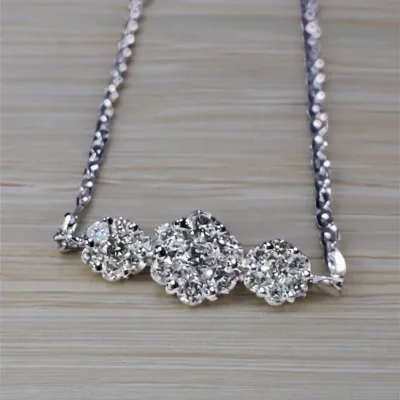
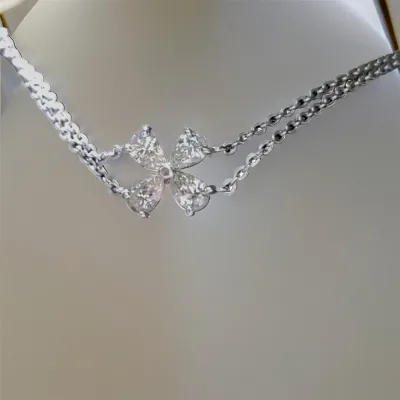


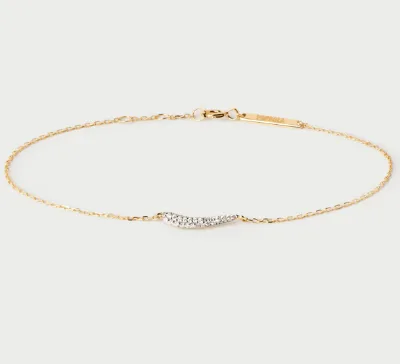
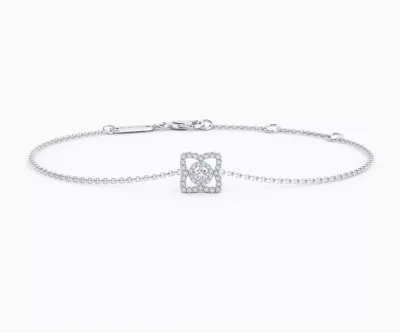
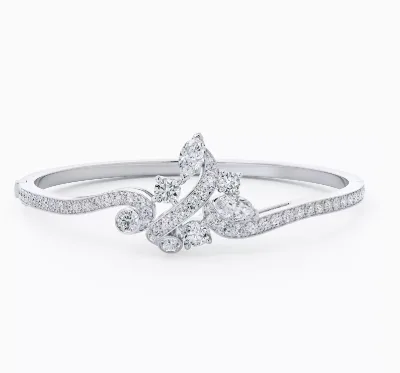
$8517.85 - $8825.72
MOQ: 1 pieces


Fashion Jewelry 14K Bracelet Wholesale Cuban Link Zircon Animal Heart Bracelet
$2.68 - $4.88
MOQ: 49 Pieces

Comprehensive Sourcing Guide
Strategic Sourcing Guide for 14k Solid Heart Diamond Bracelets
Understanding Product Specifications and Material Composition
When sourcing a 14k Solid Heart Diamond Bracelet, the buyer must first establish a clear understanding of the technical specifications that define the product's integrity and aesthetic value. The core material for the metal component in this specific category is typically 14k gold, which consists of 58.3% pure gold alloyed with other metals to ensure durability while maintaining the desired color and luster. In the context of the available market data, buyers will encounter variations in metal composition, including 925 Sterling Silver and Copper-based alternatives, which serve as distinct product tiers. It is critical to distinguish between solid gold pieces and plated items, as the latter may offer a similar visual appearance but differ significantly in long-term value and durability.
The design element, specifically the "heart" shape, often falls under the "Abstract" or "Simple" style categories observed in current listings. These bracelets frequently feature intricate settings for the stones, with some products listing a specific quantity of stones, such as 72 pieces, which suggests a pavé or channel setting technique. The stones themselves vary widely; while the core keyword specifies "diamond," the market data indicates a prevalence of Cubic Zirconia and Artificial Diamonds (Lab-Grown) as alternatives. For genuine diamond inquiries, the specifications often include precise metrics such as carat weight ranging from 0.08ct to 0.49ct, clarity grades like VVS, and color grades such as D. The cut quality is another vital specification, with "Very Good Cut" being a noted standard for maximizing brilliance.
Buyers should verify the exact dimensions and weight of the bracelet, as these vary by manufacturer. Observed data points to a weight of approximately 4.63 grams for specific models, though this is not a universal standard. The length is another critical dimension, with some listings specifying a length of 20 cm. The plating options, such as Rhodium, Rose Gold, or Yellow Gold, further influence the final appearance and resistance to tarnish. When evaluating a potential supplier, the procurement team must request detailed specification sheets that confirm the metal purity, stone type, and exact dimensions to ensure the product matches the "14k solid heart diamond" requirement precisely.
Compliance, Certification, and Quality Verification
Navigating the compliance landscape for jewelry procurement requires rigorous attention to certification and material standards. For high-value items like 14k gold diamond bracelets, third-party certification is often the primary method for verifying the authenticity of the stones and the purity of the metal. The market data highlights the existence of IGI (International Gemological Institute) certification, which is a trusted standard for evaluating diamond quality. When sourcing, buyers should explicitly request IGI or equivalent reports for the diamonds included in the bracelet, particularly when the product claims specific carat weights, clarity grades, or color ratings.
In addition to gemological certification, material standards must be verified. While some listings mention a "Customized" standard, others reference specific metrics like "3MM" for stone size or "diamond" as a general standard. It is essential to understand that "Customized" in a manufacturing context often refers to the ability to tailor specifications to the buyer's needs rather than a lack of quality control. However, for mass-market items, adherence to established industry standards for gold purity (e.g., 14k) and diamond grading is non-negotiable. Buyers should also be aware of the distinction between natural diamonds and lab-grown or artificial diamonds, as the latter may be marketed with similar visual characteristics but different value propositions.
The origin of the product also plays a role in compliance and ethical sourcing. Data indicates that many products originate from China, with specific regions like Henan noted for diamond processing. While this does not inherently imply non-compliance, it necessitates a thorough review of the supplier's supply chain transparency. Buyers should verify that the sourcing of raw materials, particularly gold and diamonds, adheres to international conflict-free standards. Furthermore, the packaging standards, such as "Carton Box" or "Gift Box," should be evaluated for their ability to protect the product during transit and maintain its presentation quality upon arrival.
Cost Drivers and Pricing Dynamics
The pricing of 14k solid heart diamond bracelets is influenced by a complex interplay of material costs, labor intensity, and customization requirements. The observed price range in the market spans from approximately $1.30 to $8,825.72, reflecting the vast disparity between costume jewelry, plated items, and high-end solid gold pieces with significant diamond content. For a genuine 14k gold bracelet with natural diamonds, the cost will be heavily driven by the current spot price of gold and the carat weight, clarity, and color of the diamonds. A bracelet with a total diamond weight of 0.40ct-0.49ct will command a significantly higher price than one with 0.08ct stones, assuming similar metal quality.
Labor costs are another significant factor, particularly for "Hand-Made" items. The data indicates that many bracelets are crafted manually, which increases production time and cost compared to machine-stamped alternatives. The complexity of the "heart" design and the setting of multiple stones (e.g., 72 stones) also contribute to labor expenses. Customization options, such as bespoke packaging or specific stone arrangements, add further layers to the cost structure. Buyers should note that while some listings offer "Customized Package" options, the standard packaging is often an OPP Bag, which may not be suitable for high-end retail without additional investment in premium packaging solutions.
Minimum Order Quantity (MOQ) also impacts the effective unit cost. The observed MOQ range spans from 1 to 200 units. For buyers seeking to test the market or fulfill small orders, a lower MOQ is advantageous, though the unit price may be higher due to the lack of economies of scale. Conversely, larger orders may negotiate better pricing but require a higher upfront capital investment. The shipping method, including options like UPS, DHL, FedEx, TNT, and EMS, adds to the total landed cost and should be factored into the budget, especially for international procurement.
Typical Applications and Occasion Suitability
The versatility of the 14k Solid Heart Diamond Bracelet makes it suitable for a wide range of applications, from personal adornment to corporate gifting. The market data categorizes these items under "Decoration" and "Gift" usage, highlighting their dual role as fashion accessories and sentimental tokens. The "Heart" motif specifically targets occasions involving romance, affection, and celebration, making these bracelets ideal for Valentine's Day, anniversaries, birthdays, and engagements.
Occasion suitability varies based on the design complexity and stone quality. Some listings specify "Informal Occasions," suggesting that simpler designs or those with alternative stones like Cubic Zirconia are appropriate for daily wear or casual outings. In contrast, other products are designated for "Formal Occasions," indicating that high-carat diamond pieces with 14k gold settings are suitable for galas, weddings, and black-tie events. The "Collection" usage category further suggests that these items may be acquired by collectors or enthusiasts who value the craftsmanship and material quality over immediate wearability.
The target demographic for these bracelets is predominantly female, as indicated by the "Suitable for: Female" attribute. This demographic focus influences marketing strategies and product design, ensuring that the aesthetic appeals to women's preferences for elegance and sentimentality. Whether used as a personal treat or a gift for a loved one, the bracelet's ability to convey emotion through its design and material value makes it a versatile choice in the jewelry market.
Supplier Evaluation and Operational Capabilities
Evaluating potential suppliers for 14k solid heart diamond bracelets requires a multi-faceted approach that assesses manufacturing capabilities, customization flexibility, and logistical reliability. The data indicates that suppliers offer "Customization" services, allowing buyers to tailor product specifications, packaging, and even design elements to their specific needs. This flexibility is a key differentiator, particularly for buyers seeking private label solutions or unique product lines. However, buyers must verify the extent of these customization options, as "Customized" can range from minor adjustments to full-scale design development.
The production process is another critical evaluation point. The prevalence of "Hand-Made" processing suggests a focus on craftsmanship, which can enhance the perceived value of the product. However, it also implies longer lead times and potential variability in output. Buyers should inquire about the supplier's capacity to maintain consistency across large orders and their quality control measures for hand-crafted items. Additionally, the origin of the products, primarily from China, should be considered in the context of supply chain resilience and geopolitical factors.
Logistical capabilities are equally important. Suppliers offering multiple shipping methods, including UPS, DHL, FedEx, TNT, and EMS, provide flexibility in managing delivery timelines and costs. Buyers should assess the supplier's ability to handle international shipping, including customs documentation and duty management. The packaging options, ranging from simple OPP bags to premium gift boxes, should align with the buyer's brand positioning and customer expectations. A supplier that can provide high-quality packaging solutions adds value to the final product presentation.
Quality Control and Long-Term Procurement Strategy
Implementing a robust quality control (QC) strategy is essential for mitigating risks associated with jewelry procurement. Given the high value of 14k gold and diamonds, buyers should establish clear acceptance criteria for material purity, stone quality, and craftsmanship. This includes verifying the "Purity" of the gold, which should be 58.3% for 14k, and ensuring that the diamonds meet the specified clarity, color, and cut standards. Third-party inspection services can be employed to verify these attributes before shipment, reducing the risk of receiving substandard goods.
Long-term procurement considerations involve building a sustainable relationship with suppliers who can consistently deliver high-quality products. This requires a focus on communication, transparency, and mutual growth. Buyers should prioritize suppliers who demonstrate a commitment to ethical sourcing and compliance with international standards. Regular audits and performance reviews can help maintain high standards and identify areas for improvement. Additionally, buyers should consider the scalability of the supplier's operations to ensure they can meet increasing demand as the business grows.
The market data shows a wide range of product models, from BS0167 to XINRUI-G1, indicating a diverse portfolio of options. Buyers should develop a strategy for selecting the right models based on their target market and brand identity. By focusing on quality, compliance, and supplier reliability, buyers can build a resilient supply chain that supports long-term success in the competitive jewelry market. The ability to adapt to changing market trends and consumer preferences will be key to maintaining a competitive edge.
FAQs
What materials are used for 14k solid heart diamond bracelets?
The core metal is typically 14k gold, though listings show 925 Sterling Silver and Copper alternatives. Some products feature Cubic Zirconia or Artificial Diamonds instead of natural stones. Buyers must verify the specific metal purity and stone type in the product specifications.
Can buyers request customization for these bracelets?
Yes, customization is available for many listings, allowing tailored specifications and packaging options. Buyers can choose between standard OPP bags or customized gift boxes depending on their needs. The standard process often includes hand-made craftsmanship to ensure unique design details.
Which certifications verify the diamond quality in these bracelets?
IGI certification is a trusted standard for verifying diamond quality in the market data. Some products also list specific metrics like carat weight ranging from 0.08ct to 0.49ct and clarity grades such as VVS. Buyers should request these reports to confirm the authenticity of the stones.
How does the price range vary for these bracelets?
The observed price range spans from approximately $1.30 to $8,825.72 depending on materials and stone quality. Lower prices often correspond to plated items or alternative stones like Cubic Zirconia, while higher prices reflect solid gold and natural diamonds. Labor costs and customization also influence the final unit price.
What are the typical minimum order quantities for suppliers?
The observed MOQ range spans from 1 to 200 units across different suppliers. Lower MOQs allow for market testing but may result in higher unit costs due to limited economies of scale. Larger orders often secure better pricing but require higher upfront capital investment from the buyer.
Where are these bracelets typically manufactured and shipped from?
Most products originate from China, with specific regions like Henan noted for diamond processing. Suppliers offer various shipping methods including UPS, DHL, FedEx, TNT, and EMS for international delivery. Buyers should verify supply chain transparency regarding the origin of raw materials.
Which occasions are suitable for wearing these bracelets?
Suitability varies by design, with some items designated for informal occasions and others for formal events. The heart motif makes them ideal for romantic celebrations like anniversaries or Valentine's Day. They also serve as decorative gifts or collection pieces for enthusiasts.