Source 14k Yellow Gold Pearl Pendant for gifts, fashion, and events
Compare 30 listings for the 14k Yellow Gold Pearl Pendant featuring styles like religion, star fashion, and luxury designs. Buyers can evaluate materials such as 925 sterling silver and alloy, along with plating options including gold and silver.
Key considerations
Products List
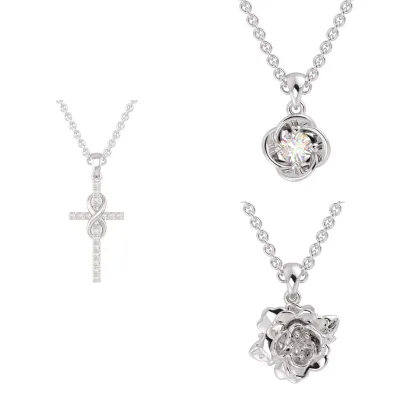


Cross Pendant Customization Silver 10K 14K 18K Yellow Gold Hip Hop Jewelry
$293.00 - $3844.00
MOQ: 1 Pieces


Comprehensive Sourcing Guide
Strategic Sourcing Guide for 14k Yellow Gold Pearl Pendants
Understanding Product Specifications and Material Composition
When sourcing a 14k Yellow Gold Pearl Pendant, buyers must first distinguish between the specific material requirements of the metal and the organic nature of the pearl. The core keyword implies a composite product where the metal setting and the gemstone must meet distinct quality benchmarks. Based on available market data, the jewelry industry frequently utilizes 925 sterling silver as a baseline material for pendant construction, with gold plating applied to achieve a luxury aesthetic. However, for a true 14k yellow gold product, the metal content must be verified to ensure it meets the 58.5% gold purity standard required for that karat designation.
The supplied product facts indicate a diverse range of material specifications. Some listings reference "925 Sterling Silver" as the primary material, while others specify "Alloy" or "Pearl" as the core component. For a 14k yellow gold pendant, the buyer must explicitly verify that the "Material" attribute is not merely a plated alloy but solid 14k gold. The "Standard" attribute in the provided data mentions "10K and 14K Gold" alongside "925 SILVER," confirming that these karat levels are recognized in the supply chain. However, the presence of "92.5% Purity" in the data refers specifically to sterling silver, not gold. Therefore, a critical step in the sourcing process is to demand a mill certificate or assay report that explicitly states the gold purity is 58.5% (14k) rather than relying on general "Gold" or "Plating" descriptions.
The pearl component introduces another layer of specification. The data lists "Pearl" as a material and "White" as a color, which aligns with traditional pearl pendant aesthetics. However, pearls vary significantly in luster, surface quality, and origin (freshwater, saltwater, or cultured). The "Shape" attribute in the data includes "Round," "Square," "Cross," and "Heart," indicating that the pendant design can vary widely. For a 14k Yellow Gold Pearl Pendant, the setting must be designed to accommodate the specific shape of the pearl, whether it is a classic round or a more modern geometric form. The "Plating" attribute lists "Gold" and "Silver," but for a solid gold product, the plating process should be secondary to the base metal integrity. Buyers should ensure the "Surface Treatment" is consistent with the solid gold requirement, avoiding products where the gold layer is too thin to prevent rapid wear.
Compliance, Certification, and Quality Verification
Navigating the compliance landscape for 14k yellow gold pearl pendants requires rigorous verification of material claims and ethical sourcing. The provided data includes a "Standard" entry for "Weight 4.01g (AG)" and another for "weight: 25g," highlighting that weight is a critical specification that varies by design. In the context of 14k gold, the weight directly correlates to the value of the metal content. A discrepancy between the listed weight and the actual weight can indicate a manufacturing defect or a misrepresentation of the gold content. Buyers must verify that the weight specifications provided by the supplier match the physical product, as this is a primary indicator of quality.
Certification is another vital area. While the data mentions "925 SILVER" and "10K and 14K Gold" as standards, it does not provide specific certification bodies or test results. In the absence of explicit certification data in the source material, buyers must proactively request third-party testing reports. These reports should verify the karat purity of the gold and the authenticity of the pearls. The "Purity" attribute of "92.5%" in the data is specific to silver and should not be conflated with gold purity. For 14k gold, the buyer should look for hallmarks or stamps indicating "585" or "14K" on the finished product. Additionally, if the pearls are cultured, documentation regarding their origin and treatment (e.g., whether they are dyed or irradiated) should be requested.
The "Standard" attribute also notes "925 sterling silver" in multiple entries, suggesting that many suppliers in this category may offer silver alternatives. Buyers must be vigilant to ensure they are not inadvertently purchasing a silver pendant with gold plating when the intent is to source solid 14k gold. The "Surface Treatment" of "Gold Plated" is a common finish, but for a 14k product, the plating thickness and durability are less relevant than the base metal composition. Compliance checks should also include verifying that the product meets international safety standards for jewelry, particularly regarding nickel content and lead levels, although specific numerical limits are not provided in the source data.
Cost Drivers and Pricing Dynamics
The pricing of 14k yellow gold pearl pendants is influenced by several interconnected factors, including material costs, craftsmanship, and design complexity. The observed price range in the market data spans from $0.5 to $3844, a vast spectrum that reflects the diversity of products available, from low-cost fashion jewelry to high-end luxury pieces. This range indicates that the cost is not solely determined by the gold content but also by the type of pearl, the intricacy of the setting, and the brand positioning.
For a 14k Yellow Gold Pearl Pendant, the primary cost driver is the weight of the gold used. The data specifies weights such as "4.01g" and "25g," which suggests that heavier pendants will inherently cost more due to the higher gold content. The "Material" attribute of "Pearl" also plays a significant role; high-quality pearls with superior luster and minimal blemishes command a premium price. The "Style" attribute, which includes "luxury," "Religion," "Star Fashion," and "Fashion," further influences pricing. Luxury styles often involve more intricate settings and higher-quality materials, pushing the price toward the upper end of the observed range.
The "MOQ" (Minimum Order Quantity) is another critical cost factor. The data shows an MOQ range of 1 to 1000 pieces, with specific entries like "100 Pieces" for certain models. Higher MOQs often result in lower unit costs due to economies of scale, but they also require a larger upfront investment. Buyers must balance their budget constraints with their order volume to optimize costs. Additionally, the "Customization" attribute, listed as "Acceptable" or "Available," can increase costs. Custom designs, unique shapes like "Cross" or "Heart," and specific plating requirements may incur additional tooling or labor fees.
Typical Applications and Market Positioning
The 14k Yellow Gold Pearl Pendant serves a versatile role in the jewelry market, catering to various occasions and consumer demographics. The data indicates that these products are suitable for "Male," "Female," and "Universal" audiences, suggesting a broad market appeal. The "Occasion" attribute lists "Informal Occasions," but the "Style" of "luxury" and "Religion" implies suitability for formal events, religious ceremonies, and gift-giving. The "Usage" attribute explicitly mentions "Gift" and "Decoration," highlighting the dual function of these pendants as both personal adornment and meaningful presents.
The "Shape" attribute, including "Cross," "Heart," "Square," and "Round," allows for diverse applications. Cross-shaped pendants are often associated with religious significance, making them suitable for church events or as faith-based gifts. Heart-shaped pendants are popular for romantic occasions, such as anniversaries or Valentine's Day. Square and round shapes offer a more modern, fashion-forward aesthetic, appealing to younger demographics or those seeking contemporary jewelry. The "Length" specifications of "45cm" and "60cm" indicate that the chain length can be customized to suit different neck sizes and style preferences, further expanding the product's applicability.
The "Pendant Shape" of "Charm" suggests that these pendants can also be used as part of a larger jewelry set, such as a bracelet or necklace collection. This versatility makes them attractive for retailers looking to offer a cohesive product line. The "Style" of "Star Fashion" and "Fashion" indicates that these pendants are often marketed as trendy accessories, appealing to consumers who follow current fashion trends. The "Color" options of "Silver," "Gold," and "Rose Gold" allow for customization to match different skin tones and outfit colors, enhancing their marketability.
Supplier Evaluation and Selection Criteria
Selecting the right supplier for 14k yellow gold pearl pendants requires a thorough evaluation of their capabilities, reliability, and quality control measures. The data indicates that the "prod_origin" is "China," which is a major hub for jewelry manufacturing. Buyers should verify the supplier's location and ensure they have the necessary infrastructure to produce high-quality 14k gold products. The "prod_packing" attributes, such as "Carton" and "1 PC/ Oppbag," suggest that packaging standards vary, and buyers should specify their preferred packaging requirements to ensure product protection during transit.
The "Customization" attribute being "Acceptable" or "Available" indicates that many suppliers are open to working with buyers on custom designs. However, buyers must assess the supplier's ability to handle customization requests, including their design capabilities, production capacity, and turnaround times. The "MOQ" of "100 Pieces" for some models suggests that suppliers may have different thresholds for custom orders, and buyers should clarify these requirements before placing an order.
Quality control is another critical factor in supplier evaluation. Buyers should request samples to verify the "Material" quality, "Plating" durability, and "Surface Treatment" finish. The "Standard" attributes, such as "925 sterling silver" and "14K Gold," should be cross-referenced with the actual product to ensure accuracy. Additionally, buyers should inquire about the supplier's quality assurance processes, including any testing procedures for gold purity and pearl authenticity. The "prod_model" numbers, such as "SL15P1084A" and "CG19P2623S," can be used to track specific product lines and ensure consistency in future orders.
Quality Control and Long-Term Procurement Considerations
Implementing a robust quality control (QC) process is essential for maintaining the integrity of 14k yellow gold pearl pendants. The "Standard" attribute for "Weight 4.01g (AG)" and "weight: 25g" highlights the importance of precise weight measurements. Buyers should establish clear weight tolerances and conduct regular inspections to ensure that the products meet these specifications. The "Purity" of "92.5%" for silver should not be confused with gold purity, and buyers must ensure that the gold content is accurately measured and verified.
Long-term procurement considerations include building a sustainable relationship with suppliers who can consistently deliver high-quality products. The "Customization" and "Available" attributes suggest that suppliers are willing to adapt to changing market demands, but buyers should establish clear communication channels to manage these changes effectively. The "prod_packing" of "OPP" and "Carton" indicates that packaging standards may vary, and buyers should specify their packaging requirements to ensure product safety and brand consistency.
The "Usage" of "Gift" and "Decoration" implies that the product must maintain its aesthetic appeal over time. Buyers should consider the durability of the "Plating" and the "Surface Treatment" to ensure that the pendants remain attractive even after extended use. The "Style" of "luxury" and "Religion" suggests that the product must meet high standards of craftsmanship and design. Buyers should also consider the "Suitable for" attributes, ensuring that the pendants are appropriate for the intended demographic and occasion.
In conclusion, sourcing 14k yellow gold pearl pendants requires a meticulous approach to material verification, compliance checks, and supplier evaluation. By focusing on the specific attributes and standards provided in the data, buyers can make informed decisions that align with their quality and cost objectives. The vast price range and diverse product specifications offer opportunities for strategic sourcing, but success depends on rigorous due diligence and a commitment to maintaining high standards throughout the procurement process.
FAQs
What materials are used for 14k yellow gold pearl pendants?
The primary materials include 925 sterling silver, alloy, and pearls, with gold plating applied for a luxury finish. While some standards mention 10K and 14K gold, many listings specify silver or alloy bases with gold plating rather than solid 14k gold construction.
Can I customize the shape and style of the pendant?
Customization is acceptable and available for various shapes like cross, heart, square, and round. Buyers can request specific styles such as luxury, religion, or star fashion, though the final design depends on the supplier's production capabilities and minimum order requirements.
What is the typical weight range for these pendants?
Observed weights vary significantly, with specific standards listing 4.01 grams for silver items and up to 25 grams for alloy pieces. The weight directly influences the price and gold content, so verifying the exact gram weight is essential for accurate valuation.
How does the MOQ affect the sourcing of these pendants?
Minimum order quantities range from 1 piece to 1000 pieces, with some specific models requiring 100 pieces. Higher MOQs often reduce unit costs, but buyers must balance volume needs with budget constraints when selecting a supplier for their order.
Which certifications verify the gold purity of the product?
The provided data lists standards like 925 silver and 10K or 14K gold but lacks specific third-party certification details. Buyers must request mill certificates or assay reports to confirm 58.5% gold purity, as general listings may only indicate gold plating on silver or alloy bases.
What packaging options are available for these pendants?
Packaging varies by supplier, with options including cartons, individual OPP bags, or 1 piece per OPP bag. Buyers should specify their preferred packaging to ensure product protection during transit and to align with their branding requirements for retail or wholesale distribution.
Are these pendants suitable for both male and female buyers?
Yes, the products are suitable for females, males, and universal audiences depending on the specific design and style. Styles range from religious crosses to fashion charms, allowing selection based on the recipient's gender and the intended occasion for the gift.