Source 2024 Luxury Toyota Sienna for Interior Parts, Accessories, and Repairs
Explore 30 listings for the 2024 Luxury Toyota Sienna, including center console boxes, door components, and floor mats. Buyers can compare specifications, customization options, and pricing to find suitable parts for maintenance or upgrades.
Key considerations
Products List


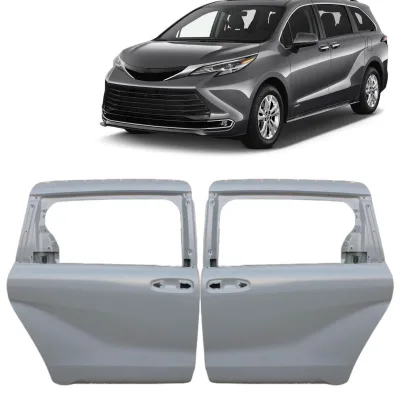
Car Accessories Rear Door Shell for 2021 2022 2023 toyota sienna Body Kit
$194.50 - $204.50
MOQ: 4 pieces
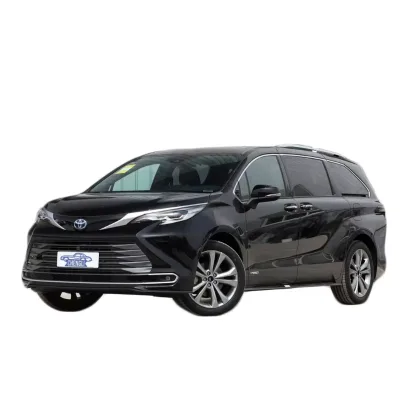


$25350.00
MOQ: 1 Pieces


Used Car 2026 Toyota- Sienna 2.5L Hybrid E-CVT Luxury Edition 7-Seat MPV
$41999.00 - $44999.00
MOQ: 1 Pieces

Used Car 2024 Toyota- Sienna 2.5L Hybrid E-CVT Luxury Edition 7-Seat MPV
$41999.00 - $43999.00
MOQ: 1 Pieces

Used Car 2024 Toyota- Sienna 2.5L Hybrid E-CVT Awd Luxury Edition 7-Seat MPV
$38999.00 - $41999.00
MOQ: 1 Pieces
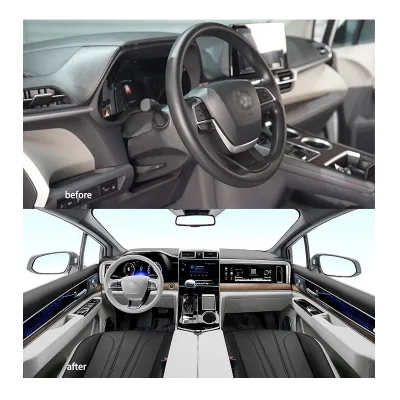


$36800.00 - $39980.00
MOQ: 1 Pieces
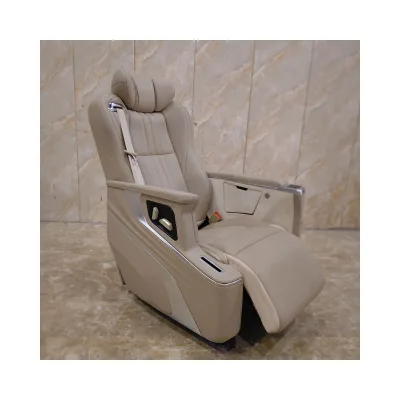
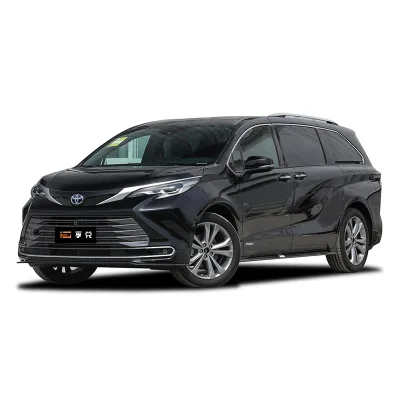


Hyundai Elantra Luxury Configuration Extra-Large Space Second-Hand Vehicle
$10700.00 - $11100.00
MOQ: 1 Pieces

Hyundai Elantra 1.5L Luxury Configuration Extra-Large Space Second-Hand Automobile
$10700.00 - $11100.00
MOQ: 1 Pieces
Comprehensive Sourcing Guide
2024 Luxury Toyota Sienna Sourcing Guide
Sourcing components for the 2024 Toyota Sienna Platinum Hybrid requires a nuanced understanding of the vehicle’s specific platform and the aftermarket ecosystem that supports it. As a hybrid minivan, the Sienna presents unique integration challenges for both interior accessories and exterior body parts, demanding precise fitment data and material compatibility. Buyers must navigate a market where generic parts often fail to meet the stringent tolerances required for modern vehicle architectures. This guide provides a structured approach to identifying reliable suppliers, verifying technical specifications, and managing commercial risks associated with importing parts for this specific model year.
The procurement strategy must account for the dual nature of the Sienna’s market presence, ranging from high-end luxury trims to standard family utility configurations. While the vehicle is fundamentally a minivan, the "Platinum Hybrid" designation implies a higher level of interior finish and exterior detailing that affects part selection. Sourcing decisions should prioritize suppliers who demonstrate specific experience with Toyota’s hybrid platform and the 2021-2024 model generation. This focus ensures that buyers avoid compatibility issues related to sensor placement, electrical integration, and structural mounting points that differ from previous generations or non-hybrid variants.
Product Scope and Observed Listing Signals
The current market landscape for Sienna components reveals a diverse range of products, from functional interior accessories to structural body panels. Observed listings indicate a strong presence of custom-fit interior items, such as three-dimensional foot mats and center console storage solutions, which are tailored to the specific dimensions of the 2021-2024 models. These items often highlight features like waterproofing, anti-slip properties, and easy maintenance, catering to the practical needs of family vehicle owners. The availability of customization options suggests that suppliers are increasingly focusing on niche fitment rather than universal compatibility, allowing for a more precise match to the vehicle’s interior geometry.
Conversely, the market also includes larger structural components, such as rear doors and other body panels, which require rigorous verification of condition and origin. Listings for these parts often specify their purpose as replacements or repairs, with some items described as "new" and others as "used" with varying degrees of wear. The presence of parts labeled with specific model codes, such as the "2.5L Comfortable Edition," indicates that suppliers are segmenting their inventory by trim level and engine configuration. Buyers must carefully distinguish between parts intended for the hybrid powertrain and those for other variants, as structural and electrical interfaces may differ significantly between these configurations.
Technical Specifications to Verify
Technical verification is the most critical step in the sourcing process, particularly when dealing with parts that have specific model-year dependencies. For interior accessories like foot mats, buyers should confirm that the product standard dimensions, such as 806020 cm, align with the actual floor contours of the 2024 Sienna. Similarly, for center console storage boxes, the fitment must be validated against the specific hybrid model year, as internal packaging and storage layouts can vary between the 2021 and 2024 model years. Suppliers who provide OEM-standard part numbers or detailed compatibility lists are generally more reliable, as they demonstrate a deeper understanding of the vehicle’s internal architecture.
For exterior body parts, such as rear doors, the verification process extends to physical dimensions and mounting hardware. Buyers must ensure that the part’s size, described as "original size" or "standard size," matches the specific body style of the target vehicle, whether it is a sedan or a closed-body configuration. Additionally, the condition of used parts must be assessed against objective criteria, such as a "90% new" rating, to avoid receiving components with hidden damage or excessive wear. It is also essential to verify the place of origin, as parts sourced from different regions, such as Jiangsu or Zhejiang in China, may have varying quality control standards and material compositions.
Compliance and Safety Documentation
Compliance and safety documentation are often overlooked in the sourcing of aftermarket parts, yet they are essential for ensuring that components meet regulatory requirements and do not compromise vehicle safety. For interior accessories, buyers should request material safety data sheets to verify that products are free from harmful chemicals and meet flammability standards. While specific certification names are not always listed, buyers should inquire about compliance with international safety standards for automotive interiors, particularly for items that are in close proximity to passengers or that may interfere with airbag deployment zones.
For exterior body parts, compliance documentation may include evidence of structural integrity and paint compatibility. Buyers should verify that replacement doors or panels meet the original equipment manufacturer’s (OEM) standards for corrosion resistance and impact absorption. Although specific test results are not always provided in listings, buyers should request documentation that confirms the part’s adherence to OEM specifications for material thickness and coating quality. This is particularly important for used parts, where previous damage or repair history may have compromised the structural integrity of the component.
Cost Drivers and Commercial Terms
Cost drivers for Sienna parts are influenced by a variety of factors, including material quality, customization level, and shipping logistics. Interior accessories, such as custom foot mats and storage boxes, are generally more affordable, with observed price ranges starting as low as $5 for basic items. However, prices can increase significantly for high-quality, tailored products that offer enhanced features like waterproofing or premium materials. Buyers should also consider the cost of customization, as suppliers who offer tailored solutions may charge a premium for the additional engineering and production time required.
For larger structural components, such as rear doors, costs are driven by the condition of the part, the complexity of the repair process, and shipping logistics. Used parts may offer a lower upfront cost but can incur additional expenses for inspection, refurbishment, and potential replacement of damaged components. Shipping costs are also a significant factor, particularly for parts that require tailored transportation due to their size and fragility. Buyers should negotiate clear commercial terms that include details on packaging, such as neutral packing or carton packaging, to ensure that parts arrive in good condition and to minimize the risk of damage during transit.
Supplier Qualification and Quality Control
Supplier qualification is a critical step in mitigating the risks associated with sourcing automotive parts. Buyers should prioritize suppliers who have a proven track record of providing high-quality products for the Toyota Sienna platform. This includes verifying the supplier’s experience with hybrid models and their ability to provide accurate fitment data. Suppliers who offer a warranty, such as a 12-month or 1-year warranty, demonstrate confidence in their products and provide buyers with a safety net in case of defects or fitment issues.
Quality control measures should be established before placing orders, particularly for custom or high-value items. Buyers should request samples or detailed photographs of the products to verify quality and fitment before committing to a larger purchase. For structural parts, buyers should consider third-party inspection services to verify the condition and quality of used components. Additionally, buyers should establish clear communication channels with suppliers to address any issues that may arise during the sourcing process, ensuring that problems are resolved quickly and efficiently.
Long-Term Procurement Checks
Long-term procurement checks involve establishing a sustainable sourcing strategy that balances cost, quality, and reliability. Buyers should regularly review their supplier performance, tracking metrics such as delivery times, product quality, and customer service responsiveness. This data can help identify reliable suppliers and highlight areas for improvement in the sourcing process. Buyers should also stay informed about changes in the Sienna model lineup and aftermarket trends, ensuring that their sourcing strategy remains aligned with the evolving needs of their customers.
Finally, buyers should maintain a diversified supplier base to mitigate the risks associated with supply chain disruptions. By working with multiple suppliers, buyers can ensure continuity of supply and negotiate better terms based on competitive pricing. Regular audits of supplier practices and quality control processes can also help maintain high standards and ensure that parts continue to meet the requirements of the 2024 Toyota Sienna. This proactive approach to procurement management will help buyers build a resilient and efficient supply chain that supports their business goals.
FAQs
What customization options are available for the 2024 Luxury Toyota Sienna parts?
Customization is available for the 2024 Luxury Toyota Sienna parts listed on the page. Buyers can request tailored solutions for specific needs, such as the center console storage box or rear door components, ensuring the product fits the vehicle model requirements precisely.
How long is the warranty period for the 2024 Luxury Toyota Sienna accessories?
The warranty period for the 2024 Luxury Toyota Sienna accessories is typically one year or 12 months. This coverage applies to the listed items like the center console storage box, providing assurance against defects during the specified duration after purchase.
Which specifications define the size of the 2024 Luxury Toyota Sienna mats?
The size specifications for the 2024 Luxury Toyota Sienna mats include standard dimensions like 80*60*20 or tailored sizes matching the original vehicle. These mats are designed with machine molding techniques to ensure a three-dimensional shape that fits the car interior perfectly.
Can the 2024 Luxury Toyota Sienna parts be sourced from China?
Yes, the 2024 Luxury Toyota Sienna parts can be sourced from China, specifically from regions like Jiangsu and Zhejiang. These locations are noted as the places of origin for the products, ensuring availability for international buyers seeking these specific automotive components.
What features do the 2024 Luxury Toyota Sienna floor mats offer?
The 2024 Luxury Toyota Sienna floor mats offer features such as being waterproof, anti-slip, and easy to clean. These attributes make them suitable for family cars, ensuring durability and maintaining a clean interior environment for the vehicle occupants during daily use.
How is the 2024 Luxury Toyota Sienna product packed for shipment?
The 2024 Luxury Toyota Sienna product is packed in cartons or neutral packing for shipment. Some items may also utilize tailored transportation methods for different regions, ensuring the parts arrive safely and are protected during the logistics process from the factory to the buyer.