Source Home Use Tanning Chamber for Salon, Spa, and Clinic
Source 30 Home Use Tanning Chamber models from verified manufacturers. Compare features like skin tightening, adjustable voltage, and lamp configurations to find the right unit for personal or commercial bronzing needs; compare the available evidence and request quotations based on your requirements.
Key considerations
Products List


Home Salon Automatic Spray Tan Machine Professional Tanning Sprayer Equipment
$80.00 - $85.90
MOQ: 100 Pieces

Home Salon Use Mini Sunless Body Spray Tan Machine Portable Tanning Bed
$58.90 - $62.90
MOQ: 100 Pieces

China Manufacturer Home Salon Sunless Body Spray Tan Machine Mini Tanning Bed
$55.50 - $59.50
MOQ: 100 Pieces

Home Mobile Sunless Body Spray Tan Bed Professional Mini Hide Tanning Machine
$58.90 - $62.90
MOQ: 100 Pieces

Home Hide Sunless Body Tanning Bed Professional Spray Tan Machine for Salon
$68.50 - $73.50
MOQ: 100 Pieces

Home Salon Mine Bronze Tanning Machine System Personal Body Spray Tan Kit
$16.20 - $16.90
MOQ: 500 Pieces


Comprehensive Sourcing Guide
Home Use Tanning Chamber Sourcing Guide
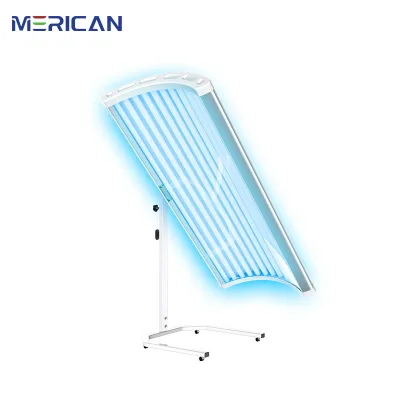
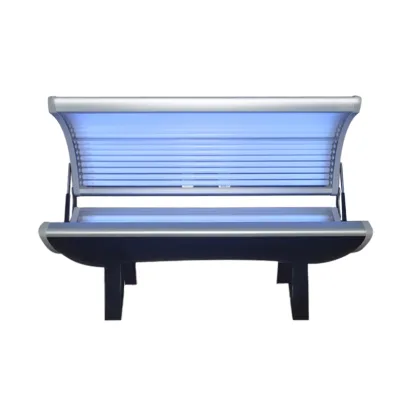
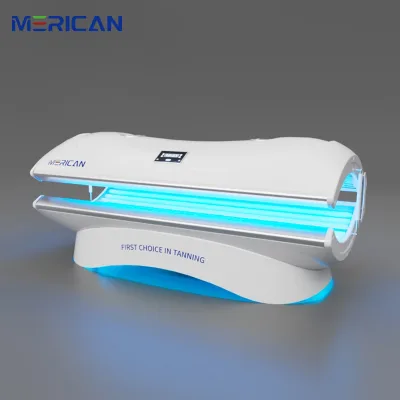
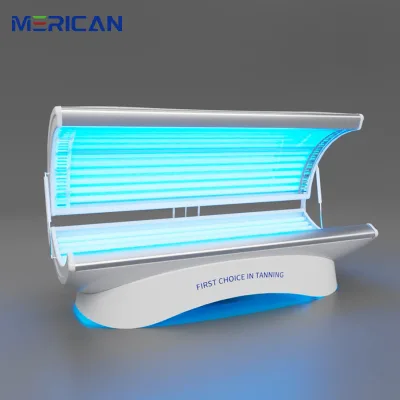
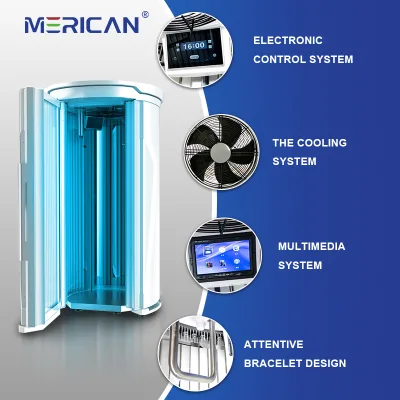
Sourcing a Home Use Tanning Chamber requires careful evaluation of device architecture, as the market presents distinct form factors ranging from standing units to desktop configurations. Buyers must first determine whether the intended installation space accommodates the physical footprint of the equipment, noting that observed listing dimensions vary significantly, with some models measuring up to 203x100x112 cm while others are more compact at 192x85x85 cm. This spatial consideration is critical because the device type, whether standing or desktop, directly influences the user experience and the required clearance for operation and maintenance.
The functional scope of these devices extends beyond simple bronzing, often incorporating features such as skin tightening and rejuvenation, which appeals to buyers seeking multi-purpose beauty equipment. However, the presence of these additional features does not guarantee uniform performance across all listings, as manufacturers may offer varying configurations of lamp quantities and power outputs. Procurement teams should verify if the specific model supports the desired target areas, such as the face, neck, or full body, to ensure the device aligns with the end-user’s specific aesthetic goals and usage patterns.
Product Scope and Observed Listing Signals
The observed product range indicates a wide variance in power consumption and lamp configuration, with some units operating at 1000W with ten lamps, while others reach 2.4 kW with twenty-four 100W lamps. This disparity in power and lamp count directly impacts tanning efficiency and session duration, requiring buyers to match the technical specifications with their expected usage volume. The light source is consistently identified as UVA + UVB, which is standard for effective skin bronzing, but the useful life of these lamps is noted to be approximately 800 hours, a factor that must be factored into long-term operational costs and replacement schedules.
Material construction and aesthetic options also vary, with common materials including ABS and stainless steel, and outer colors ranging from white and black to pink, blue, and orange. These cosmetic differences may influence the decision for home environments where interior design compatibility is a priority, whereas commercial buyers might prioritize durability and ease of cleaning. The waterproof rating is explicitly stated as no, which necessitates strict environmental controls in the installation area to prevent moisture damage, a critical constraint for buyers planning to install the unit in bathrooms or humid climates.
Technical Specifications to Verify
Voltage compatibility is a primary technical hurdle, as listings show support for 110V to 240V ranges, but the specific plug types vary widely, including JP, EU, AU, US, UK, ZA, and IT configurations. Buyers must verify that the supplied power cord and plug type match the local electrical infrastructure to avoid the need for expensive adapters or rewiring. The power supply mode is plug-in, which simplifies installation but requires ensuring that the local circuit can handle the peak load, especially for higher-wattage models like the 2.4 kW units, to prevent tripping breakers or electrical hazards.
The physical weight and dimensions of the units present logistical challenges, with gross weights ranging from 75 kg to 120 kg depending on the model and configuration. These substantial weights require careful planning for delivery, handling, and final placement, as the devices are not easily movable once installed despite claims of portability. Buyers should confirm the single package size and gross weight for the specific model ordered to ensure that receiving facilities have the appropriate equipment, such as pallet jacks or freight elevators, to safely unload and position the chamber without damaging the product or the facility.
Compliance and Safety Documentation
Safety certifications are paramount for devices emitting ultraviolet radiation, and buyers must request proof of compliance with relevant electrical and radiation safety standards for the destination market. While specific certification marks are not listed in the observed data, the presence of a warranty, ranging from one to two years, suggests a baseline level of manufacturer confidence in product reliability. Buyers should insist on documentation that verifies the device meets local electromagnetic compatibility and low voltage directives, ensuring that the electrical components are safe for prolonged home or commercial use.
Radiation safety is another critical area, with wavelengths specified in the range of 250-400 nm, covering both UVA and UVB spectra. Buyers must verify that the device includes adequate shielding and interlock mechanisms to prevent UV exposure when the chamber is open or malfunctioning. The absence of waterproofing also implies that electrical components must be protected from moisture, so buyers should review the user manual for specific safety warnings regarding water proximity and ensure that the installation environment strictly adheres to these dry conditions to mitigate electrical shock risks.
Cost Drivers and Commercial Terms
The price range for these devices is extensive, spanning from approximately $16.2 to $10,800, reflecting the vast differences in power, lamp quality, and brand positioning. Buyers should correlate the price with the lamp brand, such as Cosmedico, and the number of lamps, as higher-quality lamps and greater quantities typically command a premium but offer better longevity and tanning consistency. Understanding this correlation helps in budgeting accurately and avoiding under-specification, which can lead to poor customer satisfaction or frequent maintenance issues in a commercial setting.
Minimum order quantities (MOQ) vary from one to 500 units, offering flexibility for both individual home buyers and large-scale commercial operators. For buyers seeking customization, OEM, ODM, and logo services are available, which may incur additional setup costs or higher MOQs. Buyers should negotiate clearly on these terms, including payment schedules and shipping responsibilities, to avoid hidden costs. The availability of customized colors and branding options can add value for commercial clients looking to align the equipment with their brand identity, but these customizations should be confirmed in writing before production begins.
Supplier Qualification and Quality Control
Supplier verification should focus on the place of origin, with Guangdong, China, being a common manufacturing hub for these devices. Buyers should assess the supplier’s production capacity and quality control processes, particularly regarding the assembly of electrical components and the integrity of the ABS and stainless steel housing. Requesting factory audit reports or third-party inspection results can provide assurance that the manufacturing standards are consistent and that the products are built to withstand the specified gross weights and operational stresses.
Warranty terms are a key indicator of supplier reliability, with offerings ranging from one to two years. Buyers should clarify what the warranty covers, including labor and parts, and whether it is honored internationally or restricted to the country of purchase. Additionally, the availability of spare parts, such as replacement lamps, should be confirmed, as the 800-hour lamp life means replacements will be needed regularly. A supplier that provides a clear supply chain for consumables ensures that the buyer’s investment is protected over the long term, minimizing downtime and operational disruptions.
Long-Term Procurement Checks
Long-term success depends on the availability of technical support and maintenance resources, especially for devices with complex electrical systems and multiple lamp configurations. Buyers should establish a clear channel for troubleshooting and repair, ensuring that the supplier can provide remote assistance or send technicians if necessary. The 24x100w configuration and similar high-power setups require specialized knowledge for maintenance, so having access to trained personnel or detailed technical manuals is essential for keeping the equipment in optimal working condition.
Environmental and regulatory changes may also impact the use of UV tanning devices, so buyers should stay informed about local laws regarding UV exposure and commercial tanning operations. Regularly reviewing the device’s performance against the specified wavelengths and power outputs can help detect degradation early, allowing for proactive maintenance. By maintaining a close relationship with the supplier and staying updated on industry standards, buyers can ensure that their tanning chambers remain safe, effective, and compliant throughout their operational lifespan.
FAQs
What is the warranty period for the MEIRICAN solarium?
The warranty period varies by model, with some units offering two years and others one year of coverage. This protection applies to the standing and desktop configurations available from the Guangdong, China origin. Buyers should verify the specific warranty term for the selected model number before purchase.
Can the tanning chamber be used for face and body areas?
Yes, the device is designed to treat the body, face, neck, throat, legs, and arms effectively. It utilizes UVA and UVB light sources to provide indoor tanning and skin bronzing services. The unit supports both commercial and home use applications across these target areas.
How much does the lamp useful life last before replacement?
The lamp useful life is specified as 800 hours of operation before replacement is required. This duration applies to the Cosmedico brand lamps installed in the unit. Users should plan for maintenance schedules based on this operational limit to ensure consistent tanning performance.
Which voltage options are supported for the power supply?
The product supports a wide voltage range from 110V to 240V, including 110V and 220V specific settings. It operates via a plug-in power supply mode compatible with various international plug types like JP, EU, and US. This flexibility allows for use in different regions without additional transformers.
What customization services are available for the solarium brand?
Customized services include OEM, ODM, and logo availability for branding purposes. Buyers can request specific configurations such as the 24x100w lamp setup or choose from outer colors like white, pink, blue, black, and orange. These options allow for tailored solutions for commercial or home environments.
How heavy is the single package for shipping purposes?
The single gross weight ranges from 75 kg to 120 kg depending on the specific model and configuration. For instance, one model weighs 75 kg while another reaches 120 kg with a net weight of 100 kg. These dimensions and weights are critical for calculating shipping costs and logistics planning.