Source Portable Body Composition Analyzer Machine for Gyms
Find and compare 30 Portable Body Composition Analyzer Machine options from verified Chinese manufacturers. Evaluate features like Wi-Fi connectivity, LCD displays, and multi-parameter testing for commercial fitness and clinical use; compare the available evidence and request quotations based on your requirements.
Key considerations
Products List
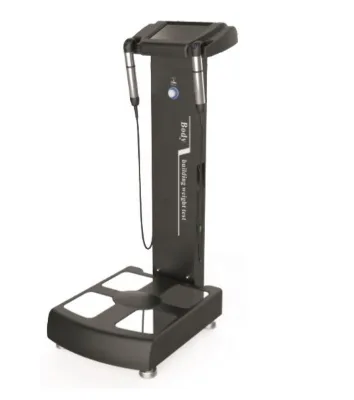


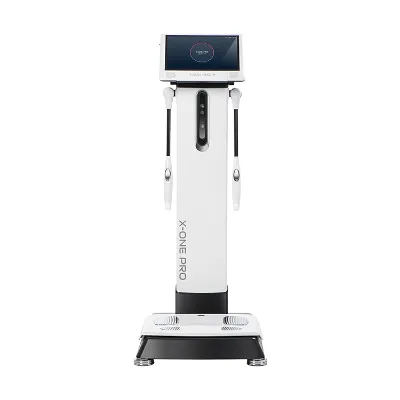


Body Composition Analysis Body Fat Analysis Skin Body Composition Analysis Machine
$1000.00 - $1199.00
MOQ: 1 Pieces


Fast Delivery Body 770 BMI Measure Professional Body Composition Analyzer Machine
$800.00 - $1300.00
MOQ: 1 pieces


Inbody 570 Body Composition Analyzer Machine Body Fat Water Percentage
$9899.00 - $10199.00
MOQ: 1 Pieces




Comprehensive Sourcing Guide
Portable Body Composition Analyzer Machine Sourcing Guide
Procurement professionals evaluating portable body composition analyzers must first distinguish between general skin analysis tools and dedicated body fat measurement devices. The market presents a mix of units labeled as skin analyzers alongside those explicitly defined as body composition analyzers, requiring careful verification of the specific function intended for your facility. Buyers should prioritize models that explicitly list functions such as body weight, body fat, hydration, and calorie estimation to ensure the device meets clinical or commercial assessment needs.
When reviewing product listings, attention must be paid to the target demographic and application scope to avoid purchasing equipment unsuitable for your specific user base. Available data indicates that many units are designed for adult populations with age ranges extending from three to ninety-nine years, making them versatile for gyms, clinics, and commercial wellness centers. It is critical to confirm that the device's testing height and weight ranges align with your expected user profile before finalizing any selection.
Product Scope and Observed Listing Signals
The observed product landscape reveals a significant price variance, with listed costs ranging from approximately 450 to over 10,000 USD, reflecting differences in sensor technology, connectivity features, and build quality. This wide spectrum suggests that buyers must clearly define their budget constraints and functional requirements, as lower-cost units may lack advanced connectivity or robust durability compared to premium models. Understanding these price drivers helps in filtering listings to find equipment that offers the necessary balance between cost and performance for your specific operational scale.
Connectivity and data management capabilities are key differentiators observed in current listings, with many units offering both Wi-Fi and laptop connection options for seamless data integration. These features are essential for commercial environments where tracking progress over time and generating reports for clients is a standard requirement. Buyers should verify that the specific model supports the desired software ecosystem and that the physical interface, such as LCD displays, is clear and user-friendly for both staff and end-users.
Technical Specifications to Verify
Technical due diligence requires a rigorous check of power input compatibility and physical dimensions to ensure the device fits within your operational environment. Most observed units support a broad input voltage range of AC 100V to 240V at 50/60Hz, which is crucial for international deployments or facilities with varying power standards. However, the physical footprint varies significantly, with some models occupying substantial space while others are designed for portability, necessitating a review of the single package size and gross weight to plan for logistics and installation.
Measurement accuracy and range are fundamental technical parameters that must be validated against your specific testing requirements. Verified specifications indicate testing weight ranges from 10kg to 260kg and height ranges from 90cm to 240cm, covering a broad spectrum of adult users. Buyers must confirm that the device's power output and input stability meet the demands of continuous operation, ensuring that the machine can handle the expected volume of tests without performance degradation or data inconsistency.
Compliance and Safety Documentation
Regulatory compliance is a non-negotiable aspect of sourcing medical and wellness equipment, with CE certification appearing as a standard requirement across many listed products. This certification indicates that the device meets European health, safety, and environmental protection standards, which is often a prerequisite for importing and selling in various global markets. Procurement teams should request valid certification documents for every unit to ensure that the specific batch being purchased adheres to these safety protocols and has not been subject to recent recalls or compliance issues.
Beyond basic CE marking, advanced models often carry additional certifications such as ISO, RoHS, and OIML, which address quality management, hazardous substance restrictions, and legal metrology standards respectively. These certifications provide an extra layer of assurance regarding the device's reliability and the manufacturer's commitment to quality control. Buyers should verify that the supplier can provide up-to-date documentation for all claimed standards, as the absence of these documents can lead to regulatory hurdles and potential liability issues in commercial settings.
Cost Drivers and Commercial Terms
The total cost of ownership extends beyond the initial purchase price to include factors such as warranty coverage, after-sales support, and potential customization fees. Many suppliers offer a standard three-year warranty, which is a significant indicator of manufacturer confidence in product longevity and reliability. However, buyers must scrutinize the specific terms of this warranty to understand what components are covered and whether on-site service is included, as this can significantly impact long-term operational costs and downtime risks.
Commercial terms regarding minimum order quantities and packaging logistics also play a vital role in the procurement decision-making process. While some listings indicate a low minimum order quantity of one unit, others may require bulk purchases to unlock favorable pricing or specific customization options. Additionally, the packaging specifications, such as the use of strong cartons or double-boxing, are critical for ensuring the device arrives without damage, especially given the heavy gross weight of some units which can complicate shipping and handling.
Supplier Qualification and Quality Control
Supplier qualification should focus on the manufacturer's location and their established track record in producing medical or wellness devices. The supply chain for these analyzers is concentrated in specific regions of China, including Tianjin, Henan, and Guangzhou, each with its own industrial ecosystem and quality control capabilities. Buyers should investigate the specific origin of the model they are considering to understand the local manufacturing standards and the supplier's ability to maintain consistent quality across production batches.
Quality control processes must be verified through the supplier's ability to provide detailed product specifications and testing protocols. Features such as the ability to customize the device and the provision of online and video technical support indicate a supplier that is invested in customer success and product reliability. It is essential to confirm that the supplier has a robust system for handling defects and that they can provide evidence of their internal testing procedures to ensure that every unit shipped meets the advertised performance standards.
Long-Term Procurement Checks
Sustaining a successful procurement relationship requires establishing clear protocols for ongoing maintenance and software updates. The availability of long-term support, including video technical assistance and online troubleshooting, is crucial for resolving issues that may arise after the initial installation. Buyers should negotiate service level agreements that define response times and the scope of support to ensure that their operations are not disrupted by technical failures or the need for firmware upgrades.
Future-proofing the investment involves assessing the device's adaptability to evolving industry standards and user needs. As technology advances, the ability of the analyzer to integrate with new software platforms or to expand its measurement capabilities becomes increasingly important. Procurement teams should evaluate whether the supplier offers a roadmap for product evolution and if the current model can be upgraded or replaced with minimal disruption to ensure the facility remains competitive and compliant with emerging health and wellness standards.
FAQs
What certifications do portable body composition analyzers have?
These devices typically hold CE, ISO, RoHS, and OIML certifications to ensure safety and accuracy. Such credentials verify compliance with international standards for medical and commercial equipment. Buyers should verify specific certificates for their target market to ensure regulatory approval and operational reliability in professional settings.
Can the machine connect to a laptop or network?
Yes, many models support Wi-Fi connectivity and direct laptop integration for data management. This feature allows seamless transfer of body composition results to management software. It enhances workflow efficiency in commercial environments by enabling digital record-keeping and remote monitoring capabilities for health professionals.
What is the typical weight testing range for these units?
Standard units often support a testing weight range from 10kg to 260kg. This broad capacity accommodates diverse adult users, including children and heavy individuals. The wide range ensures accurate measurements for various body types, making the device suitable for general fitness centers and clinical assessments.
What functions does a body composition analyzer perform?
These analyzers measure body weight, body fat percentage, calories, and hydration levels. They provide comprehensive health metrics beyond simple weight tracking. The LCD display presents clear results instantly, helping users understand their physical composition and track progress over time with precision and consistency.
Where are these machines typically manufactured?
Manufacturing often occurs in regions like Tianjin, Henan, and Guangzhou in China. These locations host specialized factories producing commercial-grade health equipment. Buyers can source directly from these hubs to access competitive pricing and verified production capabilities for bulk procurement needs.
What after-sales support is usually provided?
Suppliers typically offer online support and video technical assistance for troubleshooting. This remote guidance helps resolve operational issues quickly without on-site visits. A warranty period, often around three years, further ensures long-term reliability and customer satisfaction for commercial investments in health technology.