Source 3528 Series SMD LED Component for Displays, Advertising, and Lighting
Find and compare 22 listings for the 3528 Series SMD LED Component, featuring RGB and white diffuse options with 50,000-hour lifespans. These SMD LEDs support PCB mounting for video displays, advertising screens, and general illumination applications; compare the available evidence and request quotations based on your requirements.
Updated
Key considerations
Products List
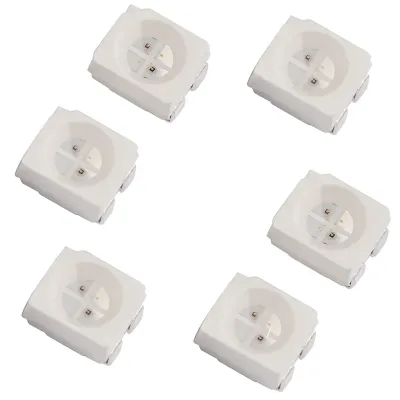
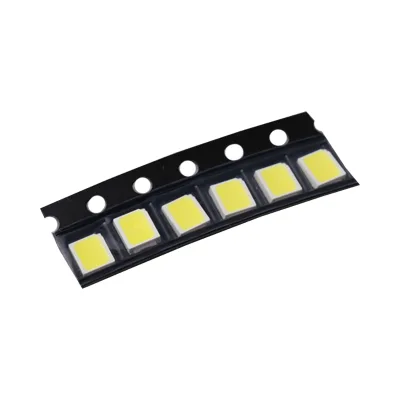
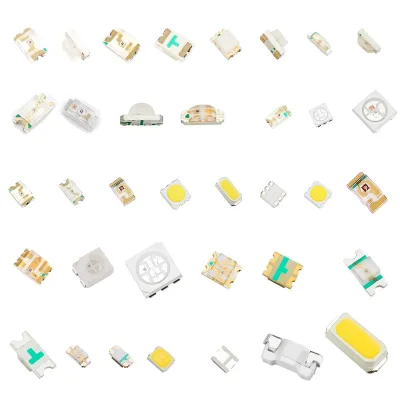


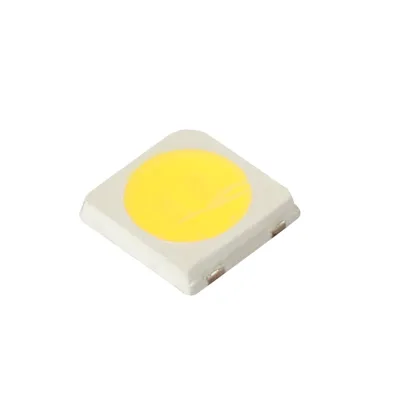


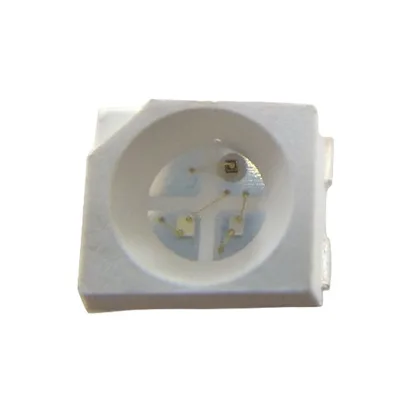
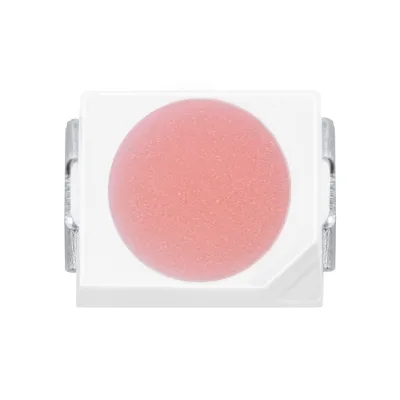
$1.0336 - $10.3317
MOQ: 100 Minimum
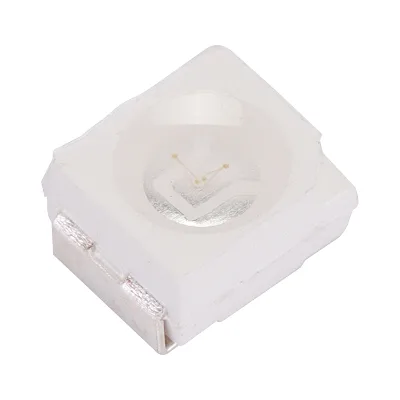
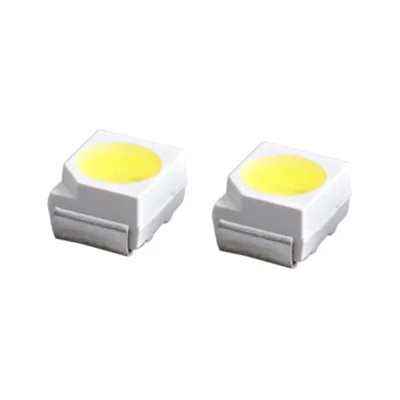

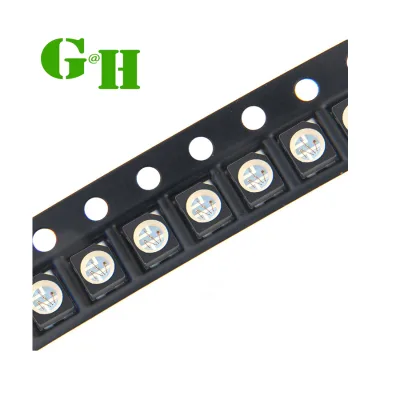
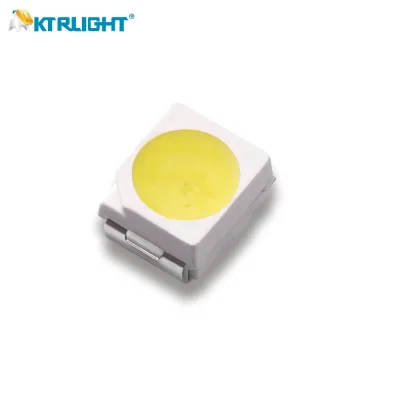
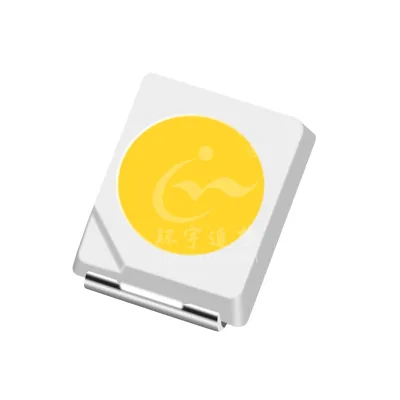
Comprehensive Sourcing Guide
3528 Series SMD LED Component Sourcing Guide
The 3528 Series SMD LED Component represents a versatile class of surface-mount devices widely utilized in modern electronic assembly, particularly for advertising displays and general illumination. Procurement teams must recognize that while the core package dimensions remain consistent, the internal chip architecture and phosphor formulations vary significantly between suppliers, directly impacting color rendering and luminous efficiency. Buyers should prioritize verifying the specific lens type, such as red, blue, yellow, or diffuse variants, as these optical characteristics dictate the final visual output of the assembled product.
When evaluating listings, it is critical to distinguish between components marketed for high-brightness video applications and those intended for low-power indicator use. The observed market data indicates a wide range of specifications, including RGB color capabilities and specific luminous intensity values like 3500 mcd, which require careful matching to the intended circuit design. Sourcing strategies must account for these variations to ensure that the selected components meet the precise electrical and optical requirements of the end application without introducing performance bottlenecks.
Product Scope and Observed Listing Signals
Buyers should expect to encounter a diverse array of product names and descriptions, ranging from generic "LED Video Display Screen" labels to specific item identifiers like "RGB light diode led 3528." This inconsistency in nomenclature often obscures the actual technical capabilities of the component, necessitating a deep dive into the detailed specification sheets provided by the vendor. It is essential to cross-reference the listed product name with the actual model number, such as HQ67-2302BGRC or 3528, to confirm that the physical package and electrical characteristics align with the procurement requirements.
The observed listing signals also reveal significant variations in packaging and physical dimensions, with single package sizes ranging from compact 2x3x3 cm units to larger 10x8x2 cm configurations. These differences often reflect the quantity of components per reel or the inclusion of additional protective materials, which can influence logistics planning and storage requirements. Procurement teams must carefully analyze the single gross weight and package dimensions to calculate accurate shipping costs and ensure compatibility with automated pick-and-place machinery used in the manufacturing process.
Technical Specifications to Verify
Verification of forward voltage and reverse voltage parameters is paramount to ensure circuit compatibility and prevent component failure during operation. The supplied data indicates forward voltage ranges typically between 2.8V and 3.8V for certain RGB configurations, while reverse voltage ratings may be as low as 5V, requiring precise driver design to avoid breakdown. Buyers must confirm that the specific voltage tolerances of the ordered batch match the power supply design of their application, as deviations can lead to inconsistent brightness or premature degradation of the LED array.
Luminous intensity and chromaticity coordinates are equally critical technical attributes that define the visual quality of the final display or lighting solution. Specifications such as a luminous intensity of 3500 mcd and chromaticity coordinates around x: 0.32 and y: 0.33 provide a baseline for color accuracy, but these values can fluctuate based on the manufacturing batch and binning process. Sourcing teams should request detailed binning reports to ensure that the received components fall within the acceptable color and brightness tolerances required for uniform performance across the entire production run.
Compliance and Safety Documentation
Regulatory compliance is a non-negotiable aspect of sourcing electronic components, with CE and RoHS certifications serving as the primary indicators of safety and environmental adherence. The observed product listings frequently cite these certifications, yet buyers must verify that the documentation is current and applies specifically to the model number and manufacturing date code in question. Relying on generic certification claims without validating the specific batch documentation can expose the procurement process to significant regulatory risks and potential market rejection in regions with strict environmental laws.
Beyond basic compliance, the moisture sensitivity level and material composition of the LED bracket must be scrutinized to ensure long-term reliability under various environmental conditions. Data suggests a moisture sensitivity level of 3 for certain models, which dictates specific handling and storage protocols to prevent soldering defects caused by moisture absorption. Additionally, the use of materials like PPA brackets requires confirmation that they meet the thermal and mechanical stress requirements of the intended application, ensuring that the component will not fail due to thermal expansion or physical shock during operation.
Cost Drivers and Commercial Terms
The pricing structure for 3528 series components is heavily influenced by the complexity of the color configuration and the volume of the order, with observed price ranges spanning from $0.01 to $52.98 per unit. High-volume orders often benefit from economies of scale, but the minimum order quantity (MOQ) can vary drastically, ranging from 10 units to over one million, depending on the supplier's production capacity and inventory levels. Buyers must balance the cost per unit against the MOQ to determine the most economically viable order size that aligns with their production schedule and cash flow constraints.
Lead times and manufacturing date codes are additional commercial factors that significantly impact the total cost of ownership and supply chain resilience. Listings indicate production date codes ranging from 2023 to 2024, suggesting that inventory freshness varies by supplier and that older stock may require additional testing or have a reduced remaining lifespan. Procurement teams should negotiate clear terms regarding lead times and date code guarantees to ensure that the delivered components are fresh enough to meet the warranty expectations and performance standards required for the final product.
Supplier Qualification and Quality Control
Supplier qualification should extend beyond basic certification checks to include a thorough assessment of their manufacturing capabilities and quality control processes. The presence of a specific brand name like HQG and a defined model number suggests a level of standardization, but buyers must verify that the supplier maintains consistent quality control measures across all production batches. This includes confirming that the supplier adheres to strict binning standards for color and brightness to minimize variation within the delivered lot, which is crucial for maintaining uniformity in large-scale display applications.
Quality control protocols must also address the physical integrity of the components, including the integrity of the lens and the solderability of the contacts. The observed single gross weight and package dimensions provide a baseline for physical inspection, but buyers should implement incoming quality control checks to verify that the components match the specified dimensions and weight. Additionally, assessing the supplier's ability to provide customization services can be a key differentiator, ensuring that the components can be tailored to meet specific application requirements without compromising on quality or reliability.
Long-Term Procurement Checks
Establishing a long-term procurement strategy requires a focus on the lifespan and warranty terms of the 3528 series components to ensure sustained performance over the product's lifecycle. The observed warranty period of three years and a life span of 50,000 hours provide a baseline for reliability, but buyers must verify that these figures are backed by robust testing data and are applicable to the specific operating conditions of their application. Regular audits of the supplier's quality records and performance history can help identify potential issues before they impact the production line or the end customer.
Continuous monitoring of market trends and technological advancements is essential to maintain a competitive edge in sourcing these components. As the LED industry evolves, new specifications and performance standards may emerge that render older components obsolete or less efficient. Procurement teams should maintain open communication with suppliers to stay informed about upcoming product updates and potential obsolescence notices, ensuring that the supply chain remains agile and capable of adapting to changing market demands and technological requirements.
FAQs
What is the typical luminous intensity for the 3528 Series SMD LED Component?
The typical luminous intensity is 3500*3mcd. This specification supports high-brightness applications in LED advertising display screens. The product utilizes RGB color technology to ensure vivid visual output. It is designed for PCB mounting and offers a 50,000-hour lifespan. These attributes make it suitable for durable commercial display solutions.
Which certifications are available for the 3528 Series SMD LED Component?
The component holds CE and ROHS certifications. These standards confirm compliance with safety and environmental regulations. The product is manufactured in Guangdong, China, under the HQG brand. It features a 3-year warranty and SMD packaging. Buyers can rely on these certifications for global market acceptance and regulatory compliance.
Can the 3528 Series SMD LED Component be customized for specific needs?
Yes, customization is available for this product line. The manufacturer offers tailored solutions for various LED applications. The product includes RGB light diodes and diffuse lens types. Buyers can request specific configurations to match their design requirements. This flexibility supports diverse industrial and commercial display projects effectively.
What is the forward voltage range for the 3528 Series SMD LED Component?
The forward voltage ranges from 2.8 to 3.8 volts. This electrical characteristic ensures stable operation in standard circuits. The reverse voltage is rated at 5 volts with a reverse current of 5 microamperes. These parameters define the electrical behavior for reliable integration into electronic devices and display systems.
What is the minimum order quantity for the 3528 Series SMD LED Component?
The minimum order quantity ranges from 10 to 1,000,000 units. This wide range accommodates both small prototype orders and large-scale production runs. The pricing varies between 0.01 and 52.98 USD per unit. Buyers can select quantities that best fit their budget and inventory requirements for LED components.
What is the package size for a single unit of the 3528 Series SMD LED Component?
The single package size is 2x3x3 cm. The single gross weight is 0.001 kg. These dimensions facilitate efficient storage and shipping logistics. The product is packaged as a single item for easy handling. This compact packaging supports streamlined supply chain operations for bulk orders.