Source Indoor Tube Light Socket for Home, Bar, Hotel
Find 30 Indoor Tube Light Socket options for home, bar, and hotel applications. Compare E27 and SS280-11 models with CE and RoHS certifications, featuring plastic or metal bodies and 250V ratings for reliable manual switching; compare the available evidence and request quotations based on your requirements.
Updated
Key considerations
Products List


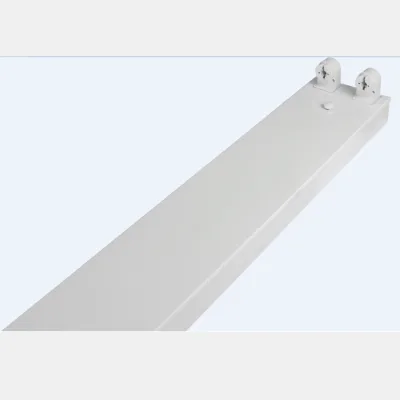
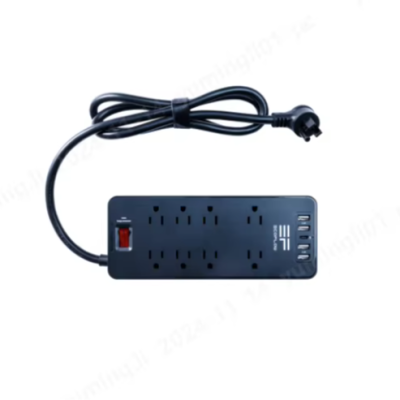
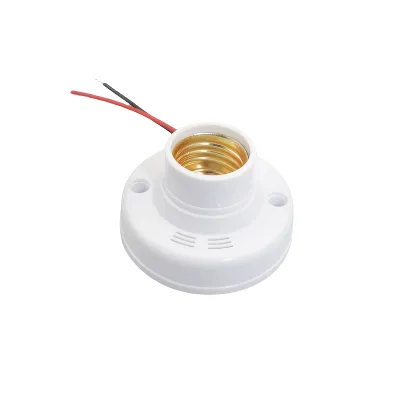
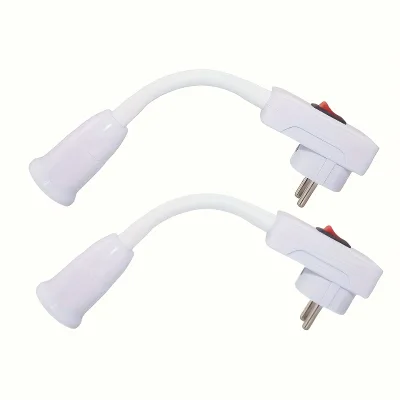
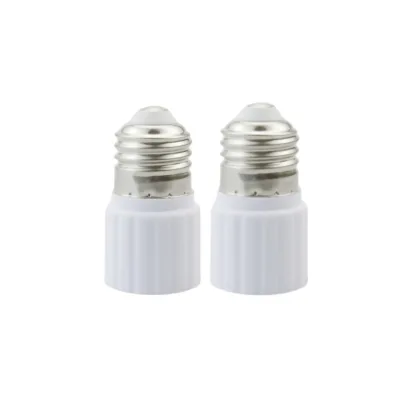
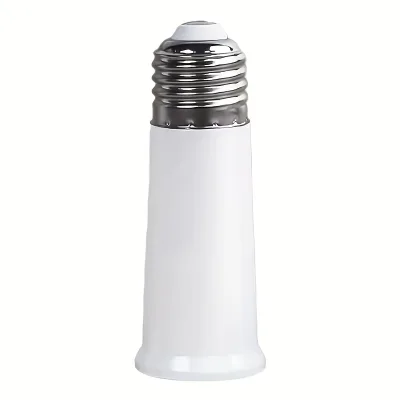
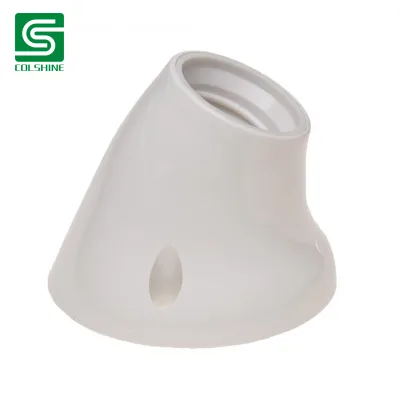
Versatile Plastic Lamp Holder E26 E27 Light Socket for Modern Indoor Lighting
$0.10 - $0.50
MOQ: 10000 pieces
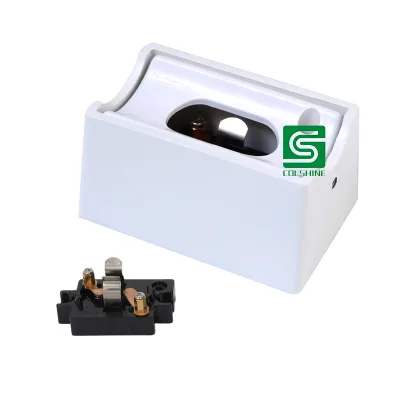
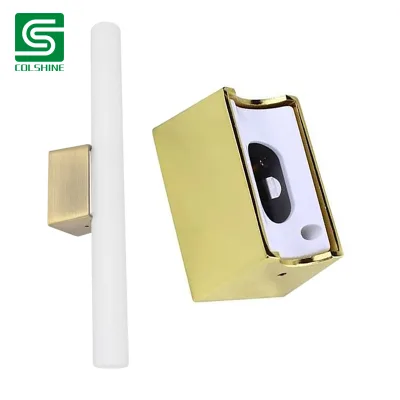
Metal S14D Light Socket for LED Tube Bulb Mounting in Modern Lighting Projects
$3.0788 - $5.1313
MOQ: 1 Minimum
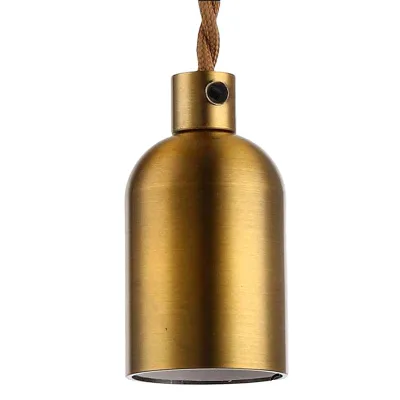
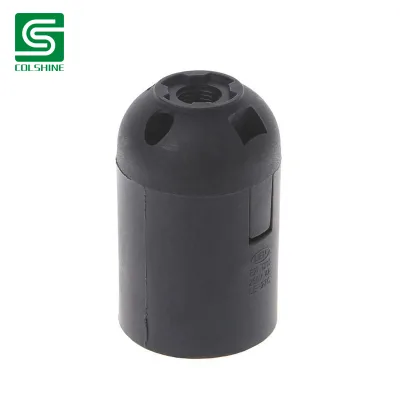
Daily Use Screw Light Base E27 E26 Socket for Household Lamp Fitting
$0.1035 - $0.5191
MOQ: 10000 pieces
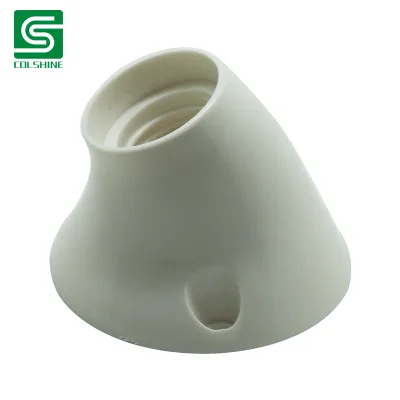
Plastic E26 E27 Light Socket for Repairs DIY Projects and Quick Fix Installations
$0.10 - $0.50
MOQ: 10000 pieces
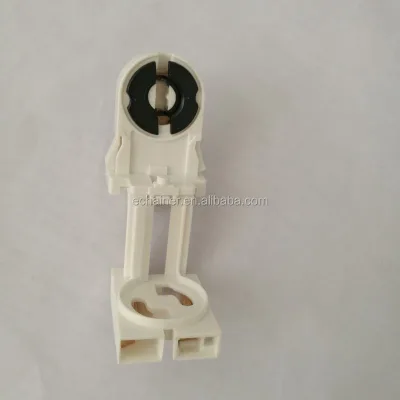
Led Tube Light T8 Fluorescent Light Socket Lamp Holder T8 Socket with Starter
$0.2603 - $0.2917
MOQ: 500 bags
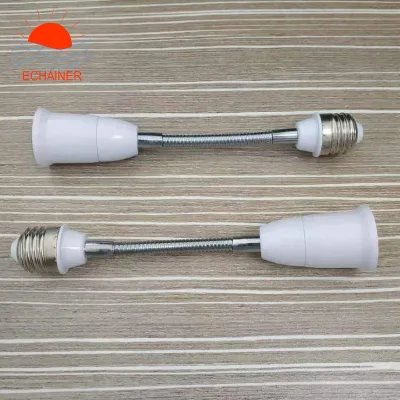
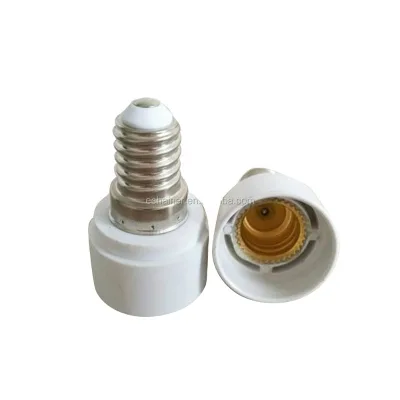
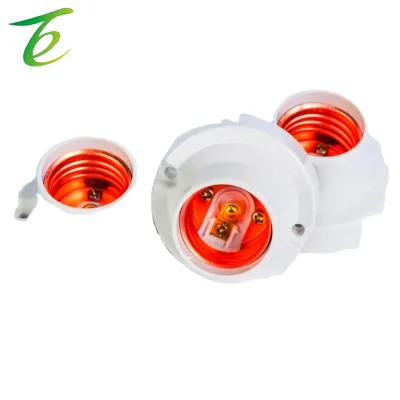
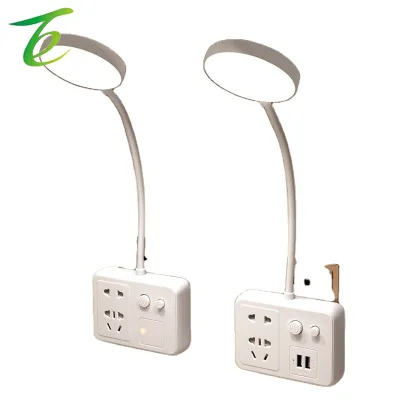
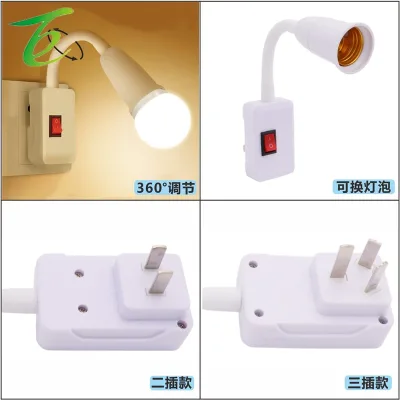
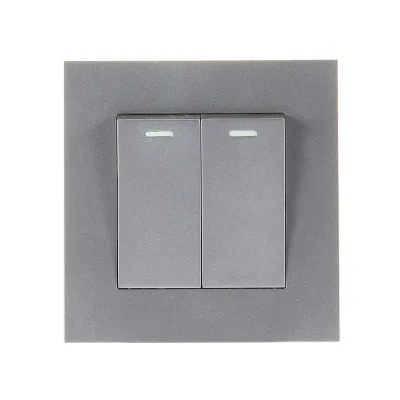
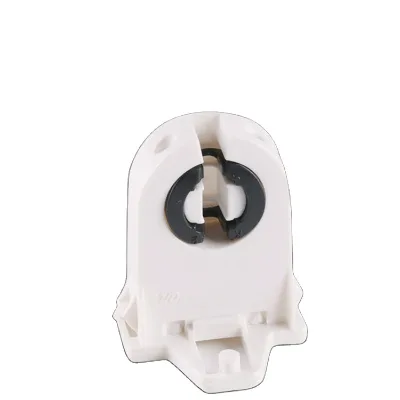

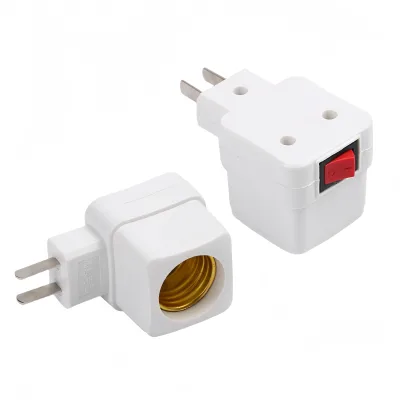
Electric Outlet Wall Light Switch Socket Universal Power Switched Socket
$0.85 - $1.35
MOQ: 100 Pieces


Comprehensive Sourcing Guide
Indoor Tube Light Socket Sourcing Guide
Procuring reliable indoor tube light sockets requires a clear understanding of the diverse interface styles and material compositions available in the current market. Buyers must distinguish between screw cap and bayonet base configurations, as these mechanical interfaces dictate compatibility with existing fixture housings and bulb types. The observed product landscape includes manual switches integrated into the socket design, which adds a layer of control functionality but also introduces additional points of potential failure if not properly rated. Understanding these fundamental mechanical differences is the first step in defining precise technical requirements for your specific lighting project.
Material selection plays a critical role in the longevity and safety of the socket assembly. While plastic bodies are common for cost-effective solutions, metal components such as aluminum, iron, copper, stainless steel, and zinc alloy are often used for internal contacts or structural reinforcement to ensure durability and heat dissipation. Sourcing teams should evaluate the ratio of plastic to metal materials in the product specifications, as higher metal content often correlates with better electrical conductivity and thermal stability. This distinction is vital for applications where the socket may be subjected to frequent switching or higher ambient temperatures.
Product Scope and Observed Listing Signals
The current market listings for indoor tube light sockets reveal a wide range of product models and packaging standards that buyers must navigate carefully. Observed data indicates the presence of specific model numbers such as E27 and SS280-11, which serve as key identifiers for sourcing teams. These models often correspond to specific bulb holder standards and certification levels, such as CE and RoHS compliance. Buyers should verify that the model number on the supplier’s catalog matches the exact physical dimensions and electrical ratings required for their installation, as generic listings may obscure critical variations in internal construction.
Packaging and origin details provide additional context for logistics planning and quality assurance. Products are frequently sourced from regions like Fuzhou and Zhejiang in China, with packaging ranging from standard carton packing to standard export corrugated boxes. The single package dimensions and gross weights, such as 127.5x16.6x6.6 cm and 0.320 kg respectively for certain linear light components, highlight the importance of calculating accurate freight costs. Buyers must ensure that the supplier’s declared packaging dimensions align with their warehouse handling capabilities and that the origin country’s export regulations do not impose unexpected duties or delays.
Technical Specifications to Verify
Electrical ratings are the most critical technical parameters to verify when sourcing tube light sockets. The observed voltage range of 250V and current ratings of 4A or 1A indicate that sockets are designed for specific load capacities. Buyers must match the socket’s rated voltage and current to the power consumption of the intended light source, whether it is an LED or traditional bulb. For instance, some listings specify an input voltage of 85~265V for integrated lighting solutions, while others focus on the socket’s own rated voltage of 220V. Confirming these electrical limits prevents overheating and ensures safe operation under continuous use.
Additional performance metrics such as IP rating, color temperature, and lifespan provide further insight into the product’s suitability for specific environments. An IP65 rating suggests resistance to dust and water jets, which may be relevant for semi-outdoor or high-humidity indoor areas. For LED-integrated sockets, specifications like 5000K color temperature, 80 Ra color rendering index, and a 50,000-hour lifespan are key indicators of quality. Buyers should also check if the socket supports dimming capabilities, as many observed models explicitly state that they do not support dimmers, which could limit design flexibility for smart lighting systems.
Compliance and Safety Documentation
Certification requirements are non-negotiable for ensuring that indoor tube light sockets meet international safety and environmental standards. The observed listings frequently mention CE and RoHS certifications, which are essential for selling in many global markets. Buyers must request valid certification documents from suppliers and verify that the certificates cover the specific model and batch being purchased. Additionally, IEC standards are referenced in some listings, indicating adherence to international electrotechnical commission guidelines. Ensuring that all documentation is up-to-date and matches the product’s technical specifications is crucial for avoiding customs delays and liability issues.
Beyond formal certifications, buyers should inquire about the supplier’s internal quality control processes and testing protocols. While specific test results are not always listed, reputable suppliers should be able to provide data on dielectric strength, temperature rise, and mechanical durability. The presence of OEM/ODM acceptance suggests that suppliers may offer customized solutions, but this also requires rigorous verification of the modified components. Buyers must ensure that any customizations do not compromise the original safety certifications and that the supplier maintains consistent quality control across all production runs.
Cost Drivers and Commercial Terms
Pricing for indoor tube light sockets varies significantly based on material composition, certification level, and order volume. The observed price range of 0.04 to 30 USD reflects the diversity of products, from basic plastic sockets to more complex integrated lighting solutions. Buyers should analyze the cost per unit in relation to the specified MOQ, which ranges from 1 to 10,000 pieces. Larger orders typically yield better unit prices, but buyers must balance this with their inventory holding costs and cash flow constraints. Understanding the cost structure helps in negotiating favorable terms and identifying potential savings without compromising quality.
Commercial terms such as warranty, lead time, and payment conditions also impact the total cost of ownership. A 5-year warranty on certain LED linear light components indicates a higher confidence in product durability, which can reduce long-term maintenance costs. Buyers should clarify the warranty terms, including what is covered and the process for claims. Additionally, lead times can vary based on customization requirements and production capacity. Establishing clear delivery schedules and penalty clauses for delays in the contract helps mitigate supply chain risks and ensures that procurement aligns with project timelines.
Supplier Qualification and Quality Control
Evaluating supplier qualifications is essential for building a reliable supply chain for indoor tube light sockets. Buyers should verify the supplier’s business license, manufacturing capabilities, and export experience. Suppliers located in established industrial hubs like Fuzhou and Zhejiang often have access to better raw materials and skilled labor. However, buyers must conduct due diligence to ensure that the supplier has a proven track record of delivering consistent quality. Requesting samples before placing bulk orders allows for physical inspection of the socket’s build quality, material integrity, and electrical performance.
Quality control measures should be integrated into the procurement process to minimize defects. Buyers should implement incoming inspection protocols that check for visual defects, dimensional accuracy, and electrical continuity. For larger orders, third-party inspection services can provide an unbiased assessment of the product quality before shipment. Suppliers who accept OEM/ODM requests should be required to provide detailed technical drawings and material specifications for approval. Establishing a clear quality agreement with the supplier, including acceptable defect rates and corrective action procedures, helps maintain high standards throughout the partnership.
Long-Term Procurement Checks
Continuous monitoring of supplier performance is vital for maintaining the quality and reliability of Indoor Tube Light Socket supplies. Buyers should track key performance indicators such as on-time delivery rates, defect rates, and responsiveness to issues. Regular audits of the supplier’s production facilities can help identify potential quality risks early. Additionally, staying informed about changes in international standards and regulations ensures that the sourced products remain compliant over time. Building a strong relationship with the supplier facilitates better communication and collaboration, leading to improved product quality and service.
As technology evolves, buyers should remain open to upgrading to more advanced socket solutions that offer enhanced features. The market is seeing a shift towards integrated LED lighting solutions with smart control capabilities, which may require different socket designs. Buyers should periodically review their technical requirements and explore new products that offer better energy efficiency, longer lifespan, or improved safety features. Engaging with suppliers who offer lighting solutions services, such as circuitry design, can provide valuable insights into emerging trends and help optimize the overall lighting system for performance and cost-effectiveness.
FAQs
What materials are used for indoor tube light sockets?
Indoor tube light sockets are primarily constructed from plastic bodies to ensure electrical insulation and durability. Some variants also incorporate metal components such as aluminum, iron, copper, stainless steel, or zinc alloy for enhanced structural integrity. These material choices support applications in homes, bars, hotels, and restaurants while meeting safety standards like CE and RoHS certifications.
Can indoor tube light sockets support LED light sources?
Yes, many indoor tube light sockets are designed to support LED light sources effectively. These sockets often feature specifications like E27 bases and handle input voltages ranging from 85 to 265V AC. They are compatible with LED bulbs that offer high luminous flux and long lifespans, making them suitable for general-purpose residential and commercial lighting applications requiring reliable performance.
What is the typical voltage rating for these sockets?
The typical voltage rating for these sockets is 250V, with some models supporting a broader input range of 85 to 265V AC. This ensures compatibility with various electrical systems and light sources, including LEDs. The rated current is often 4A or 1A depending on the specific model, allowing safe operation in diverse indoor environments without overheating or electrical failure.
Which certifications are available for indoor tube light sockets?
Indoor tube light sockets commonly carry CE and RoHS certifications, ensuring compliance with European safety and environmental standards. Some models also adhere to IEC standards for electrical safety. These certifications indicate that the products meet rigorous quality and safety requirements, making them suitable for export and use in regulated markets across different regions worldwide.
How are indoor tube light sockets packaged for shipping?
Indoor tube light sockets are typically packaged in carton packing or standard export corrugated boxes to ensure safe transit. This packaging method protects the products from damage during handling and storage. The use of sturdy cartons also facilitates efficient stacking and logistics, reducing shipping costs and ensuring that the items arrive at their destination in optimal condition for immediate installation or resale.
What customization options are available for these sockets?
Customization options for indoor tube light sockets include OEM and ODM services, allowing buyers to tailor products to specific brand or functional needs. Suppliers may offer various interface styles, such as screw caps or bayonet bases, and can adjust packaging or specifications. This flexibility supports diverse application requirements, from residential use to commercial settings like hotels and restaurants, ensuring a perfect fit for any project.