Source 360 Wave Enhancing Biotin Shampoo for waves, dandruff, and growth
Compare 30 listings of 360 Wave Enhancing Biotin Shampoo from verified suppliers. Options include herbal and chemical formulas for all hair types, with capacities ranging from 200ml to 500ml and certifications like GMP and ISO22716.
Key considerations
Products List


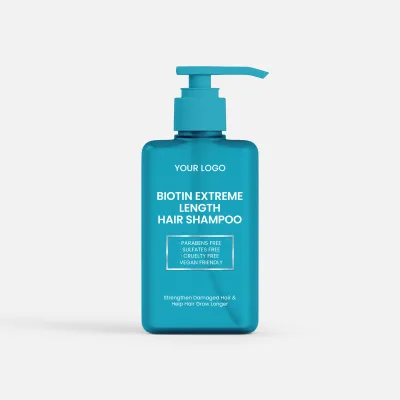
High Quality Biotin and Collagen Thickening Shampoo for Frizzy Dry Straight
$2.00 - $2.50
MOQ: 1000 Pieces




Comprehensive Sourcing Guide
Strategic Sourcing Guide for 360 Wave Enhancing Biotin Shampoo
Understanding Product Specifications and Formulation Variability
When sourcing a product described as "360 Wave Enhancing Biotin Shampoo," buyers must first recognize that this keyword represents a functional category rather than a single, uniform SKU. The provided data indicates a diverse range of formulations available in the market, ranging from lotions to creams, and utilizing either herbal or chemical ingredients. For a buyer specifically targeting the 360 wave enhancement market, the primary technical distinction lies in the ingredient profile and the intended hair type. The data confirms the existence of products with "Herbal" ingredients, specifically citing extracts like Gleditsia Sinensis and Camellia Sinensis Seed, alongside products categorized with "Chemical" ingredients.
A critical observation for the 360 wave demographic is the "For Hair" attribute. While some listed products target "All Hair," others are specifically formulated for "Damaged Hair." For individuals cultivating 360 waves, the hair often requires significant moisture retention and structural repair due to the rigorous brushing and grooming routines involved. Therefore, a product with a "Repairing" function, as noted in the specifications, is often more aligned with this specific use case than a purely "Refreshing" or "Anti-Dandruff" formula, although the latter functions may be desirable for scalp health. The "Form" attribute varies significantly, with "Lotion," "Cream," and "Rinse-off" types appearing in the dataset. A 360 wave enthusiast typically requires a rinse-off shampoo that cleanses without stripping natural oils, followed by a leave-in conditioner or cream, which suggests that a buyer should verify if the "Cream" form listed is a conditioner or a styling product, as the terminology in B2B listings can sometimes overlap.
The capacity and standard volume also vary widely. The data shows standards ranging from 200ml to 730ml, with specific models listed at 300ml, 350ml, 500ml, and 500ml/bottle configurations. For a B2B procurement strategy, the 500ml standard appears to be a dominant size in the dataset, which may offer economies of scale for shipping and retail packaging. However, smaller 200ml or 300ml units might be preferred for travel sets or sample distribution. The "Product Name" field reveals that while "Biotin Anti-Loss Shampoo" and "Biotin Hair Growth Shampoo Set" are explicitly mentioned, the specific "360 wave" descriptor is often a marketing application of the biotin and wave-enhancing properties rather than a distinct technical model number. Buyers must ensure the supplier's "prod_model" aligns with the specific volume and formulation required for the wave enhancement market, as the model numbers in the data (e.g., Hair-B-1, 20221029013, 3635202) suggest distinct production lines that may have different ingredient ratios.
Compliance Framework and Certification Verification
In the personal care and hair care sector, particularly for products claiming growth or anti-loss benefits, compliance is not merely a regulatory formality but a critical component of brand trust and market access. The data provides a robust list of certifications that serve as benchmarks for quality assurance. The most frequently observed certification cluster includes GMP (Good Manufacturing Practice), ISO22716 (Cosmetics Good Manufacturing Practice), and CE. Some listings also reference MSDS (Material Safety Data Sheet), SDS (Safety Data Sheet), COA (Certificate of Analysis), and FDA registration.
For a buyer sourcing biotin-based shampoos, the presence of ISO22716 is particularly significant as it is the international standard for cosmetic manufacturing quality. The data indicates that some suppliers hold "GMPC/ISO22716" or "GMPC&ISO22716&Sedex" certifications. The inclusion of Sedex is notable, as it often implies adherence to ethical trade and labor standards, which is increasingly important for Western markets. Additionally, the "MSDS" and "SDS" requirements are essential for logistics, ensuring that the chemical composition of the shampoo is fully documented for safe transport, especially given the presence of chemical ingredients in some formulations.
Buyers must verify that the "Certification" listed on the product page matches the actual documentation provided by the supplier. The data shows variations such as "Certificat" versus "Certification" versus "Certificates," which highlights the need for rigorous document review. For products targeting the US market, the FDA mention is relevant, though it is important to note that FDA registration for cosmetics is voluntary in many contexts, whereas GMP and ISO22716 are more universally recognized standards for manufacturing quality. The "Test Report" mentioned in the data serves as a final verification step, confirming that the product has undergone specific safety and efficacy testing. When evaluating a supplier, the buyer should request copies of these certificates to ensure they are current and issued by accredited bodies. The absence of specific "360 wave" certification is expected, as this is a styling technique rather than a regulated cosmetic claim, but the underlying biotin and growth claims must be supported by the product's safety data sheets and ingredient transparency.
Cost Drivers and Pricing Dynamics
The pricing structure for biotin shampoos is influenced by several variables, including formulation complexity, certification levels, and packaging requirements. The observed price range in the dataset spans from $0.40 to $13.99 USD. This wide disparity suggests that the lower end of the spectrum likely corresponds to basic formulations with standard packaging, while the higher end reflects premium ingredients, extensive certification suites, or specialized packaging configurations.
The "MOQ" (Minimum Order Quantity) is a significant cost driver. The data indicates an MOQ range from 1 to 5000 units, with a specific observation of 100 PCS for certain models. For a buyer looking to establish a private label or bulk purchase, the MOQ directly impacts the unit cost. Suppliers with lower MOQs (e.g., 100 PCS) may charge a premium per unit to cover setup and production run costs, whereas suppliers requiring 5000 units may offer more competitive pricing due to economies of scale. The "Service" attribute, which includes "OEM ODM" (Original Equipment Manufacturer/Design Manufacturer), suggests that customization adds a layer of cost. Customizing the formula to specifically target 360 waves, such as adjusting the biotin concentration or adding specific herbal extracts like Gleditsia Sinensis, will likely increase the price compared to a standard off-the-shelf formula.
Packaging is another critical cost factor. The data lists various packing methods, including "Export Cartons," "Bottle+Box+Carton," and "Carton." The complexity of the packaging—such as the inclusion of a box versus a simple bottle—directly affects the final landed cost. The "Qty/CTN" (Quantity per Carton) also varies, with observations of 24 and 48 units per carton. A higher quantity per carton can reduce shipping costs per unit, but it requires the buyer to have sufficient storage capacity. The "Shef Life" (Shelf Life) of 3 years, as noted in the data, is a crucial financial consideration. A longer shelf life reduces the risk of inventory obsolescence, allowing buyers to order larger quantities without the fear of product expiration, which can lower the overall cost of goods sold (COGS) over time.
Typical Applications and Market Positioning
The application of biotin shampoos in the 360 wave market is specific and performance-driven. The "Function" attributes observed in the data, such as "Refreshing," "Anti-Dandruff," "Anti-Itch," and "Repairing," provide insight into the intended use cases. For 360 wave enthusiasts, the "Repairing" function is paramount, as the constant brushing and tension on the hairline can lead to breakage and damage. A shampoo that addresses "Damaged Hair" is therefore a high-priority product for this demographic. The "Anti-Itch" and "Anti-Dandruff" functions are also relevant, as the tight grooming routines can sometimes irritate the scalp, making a soothing formula a valuable addition.
The "Gender" attribute is listed as "Unisex" and "Female" in the data. While 360 waves are popular across genders, the market often sees a strong demand from male consumers. A "Unisex" positioning allows for broader market penetration, but buyers should verify if the fragrance and marketing align with the target demographic. The "Type" attribute, specifically "Rinse-off," confirms that these are standard shampoos, distinct from leave-in conditioners or styling creams, which are also essential for the 360 wave routine.
The "Product Name" variations, such as "Biotin Hair Growth Shampoo Set," suggest that these products are often sold as part of a regimen. For the 360 wave market, a "Set" that includes both a shampoo and a conditioner, or perhaps a wave-enhancing pomade, would be highly attractive. The data shows that some products are packaged as "Bottle+Box+Carton," which supports the idea of a retail-ready set. Buyers should consider how the product fits into the broader hair care ecosystem. A standalone shampoo may be less effective than a system that addresses the specific needs of wave maintenance, such as moisture retention and scalp health. The "Herbal" ingredient profile, featuring natural extracts, appeals to a growing segment of consumers seeking cleaner, more natural hair care solutions, which can be a key differentiator in a crowded market.
Supplier Evaluation and Operational Capabilities
Evaluating a supplier for biotin shampoo requires a deep dive into their operational capabilities, specifically their ability to handle customization and maintain consistent quality. The "Service" attribute in the data highlights "OEM ODM" and "Distributor or Wholesaler" options. For a buyer looking to build a brand, an OEM/ODM supplier is essential, as it allows for the customization of the formula, packaging, and labeling to meet specific 360 wave market needs. The "Customization: Available" attribute confirms that this is a viable option, but buyers must verify the extent of this customization. Can the supplier adjust the biotin concentration? Can they modify the fragrance or the specific herbal extracts used?
The "prod_origin" is listed as "Guangdong" and "China," which are major hubs for cosmetic manufacturing. This location offers access to a robust supply chain for raw materials like biotin and herbal extracts. However, buyers must assess the specific factory's capacity and reliability. The "Lead Time" for samples is noted as "3-5 days," which is a positive indicator of a responsive supply chain. For bulk orders, the lead time is not explicitly defined in the data, but the "Shef Life" of 3 years suggests that production can be scheduled well in advance without immediate pressure.
The "prod_packing" details, such as "Export Cartons" and "Cartons," indicate that the supplier is experienced in international shipping and can handle the logistics of bulk orders. The "Qty/CTN" of 24 or 48 units provides clarity on how the product will be shipped, which is crucial for calculating freight costs and warehouse space requirements. Buyers should also evaluate the supplier's ability to handle the "Certification" requirements. A supplier that already holds GMP, ISO22716, and Sedex certifications is better positioned to support a buyer who needs to meet strict regulatory standards in their target market. The "Service" attribute also mentions "Distributor or Wholesaler," which may be relevant for buyers looking to source existing inventory rather than custom manufacturing. In such cases, the buyer must ensure that the distributor has the authority to sell the product and that the supply chain is transparent.
Quality Control and Long-Term Procurement Strategy
Maintaining product quality over time is essential for building a loyal customer base in the 360 wave market. The "Quality Control" process should be a central part of the procurement strategy. The data references "Test Report" and "COA" (Certificate of Analysis), which are standard tools for verifying product consistency. Buyers should insist on receiving these documents for every batch, ensuring that the biotin content, pH levels, and microbial counts meet the specified standards. The "prod_standard" of 500ml or 350ml/bottle should be strictly enforced to prevent underfilling or overfilling, which can lead to customer dissatisfaction and regulatory issues.
Long-term procurement considerations involve building a resilient supply chain. The "MOQ" range of 1 to 5000 offers flexibility, but buyers should aim to negotiate lower MOQs for initial orders to test the market, while planning for higher volumes as demand grows. The "Shef Life" of 3 years allows for strategic inventory management, enabling buyers to stock up during periods of low demand or favorable pricing. However, buyers must also consider the "Standard" variations, such as the 350ml/730ml options, and decide which sizes best suit their market strategy.
The "Ingredient" profile, whether "Herbal" or "Chemical," should be stable and consistent. Sourcing herbal ingredients like Gleditsia Sinensis can be subject to seasonal variations, so buyers should ensure the supplier has a reliable supply chain for these raw materials. The "Function" claims, such as "Repairing" or "Anti-Dandruff," must be backed by the product's actual performance. Buyers should request trial batches to verify that the shampoo delivers the promised results for 360 wave maintenance. Finally, the "Service" aspect of "OEM ODM" implies a partnership rather than a transactional relationship. Buyers should seek suppliers who are willing to collaborate on product development, offering insights into market trends and formulation improvements. This collaborative approach ensures that the product remains competitive and relevant in the evolving hair care landscape.
FAQs
What certifications do 360 Wave Enhancing Biotin Shampoo manufacturers hold?
Manufacturers typically hold GMP, ISO22716, and CE certifications. Some suppliers also provide MSDS, COA, and Sedex documentation to ensure safety and ethical trade compliance for international buyers.
Can I customize the formula for damaged hair repair?
Yes, customization is available for specific hair needs like repair. Suppliers offer OEM and ODM services to adjust ingredients such as herbal extracts or chemical profiles to target damaged hair specifically.
Which capacity options are available for bulk orders?
Standard capacities include 200ml, 300ml, 350ml, and 500ml bottles. The 500ml size is a dominant standard in the dataset, often packaged in export cartons with 24 or 48 units per carton.
How long is the sample lead time for testing?
The sample lead time is typically 3 to 5 days. This allows buyers to quickly evaluate product quality and formulation before committing to larger bulk orders with higher minimum quantities.
What is the minimum order quantity for private labeling?
The minimum order quantity ranges from 1 to 5000 units depending on the supplier. Some specific models require a minimum of 100 pieces, while others may demand larger volumes for cost efficiency.
Where are the primary manufacturing locations for these products?
Primary manufacturing locations are in Guangdong, China. This region is a major hub for cosmetic production, offering robust supply chains for raw materials like biotin and herbal extracts.