Source 3D Embroidery Twill Sports Hat for Travel, Cycling, and Outdoor Use
Find 30 customizable 3D Embroidery Twill Sports Hat options from Hebei, China. Compare adjustable cotton caps with 5-panel designs, various printing methods, and OEM services for sports, travel, and casual wear; compare the available evidence and request quotations based on your requirements.
Updated
Key considerations
Products List
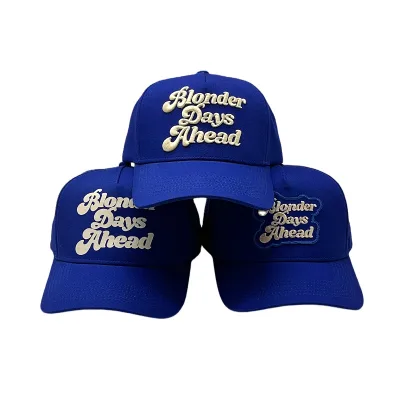


Wholesale High Quality OEM Custom Logo 3D Embroidery Color Adjustable Dad Hat
$0.55 - $3.88
MOQ: 25 Pieces


Various Material Custom Design Printing Embroidery Promotion Sports Sun Hat
$1.20 - $3.00
MOQ: 1200 Pieces
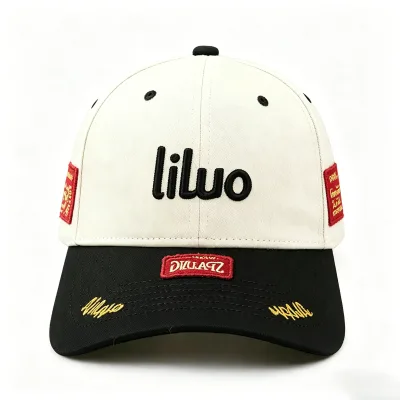
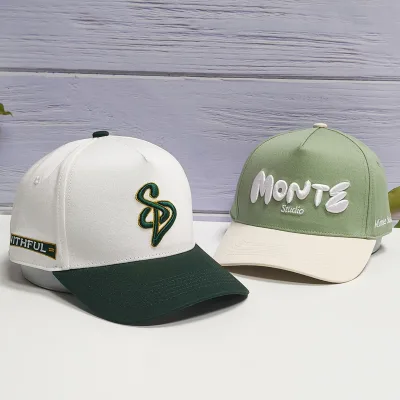
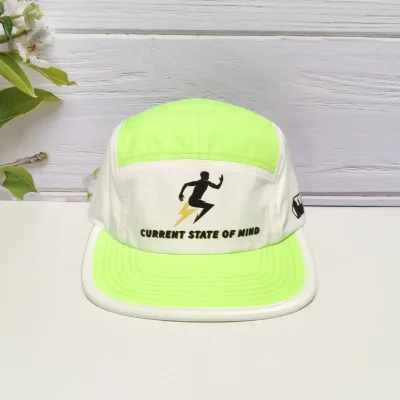
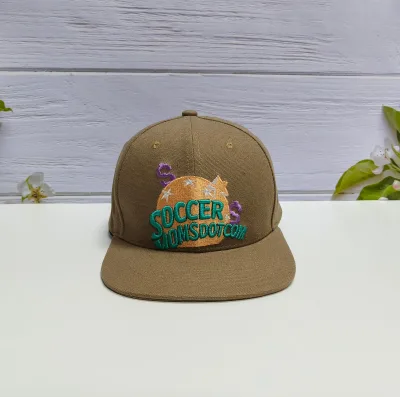


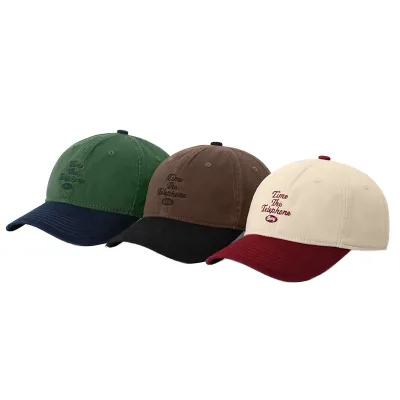
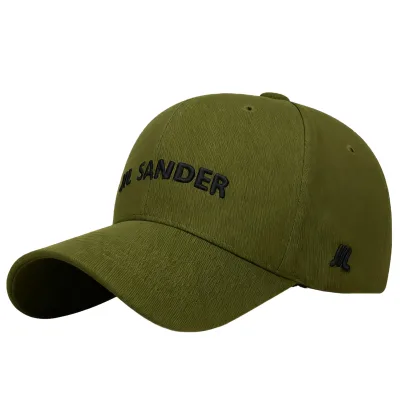
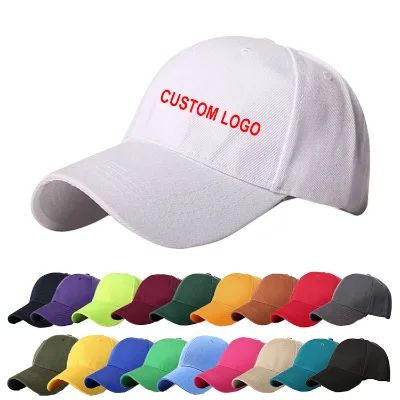
3D Embroidery Printing LOGO China Factory Hat Fashionable Summer Hats Sports Caps
$1.3946 - $2.9436
MOQ: 500 Minimum




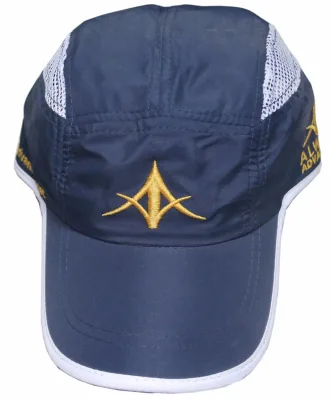
Fashion Light Weight Hat Embroidery Custom logo with Breathable Mesh Sports Running Hat
$1.3946 - $2.0448
MOQ: 500 Minimum


Comprehensive Sourcing Guide
3D Embroidery Twill Sports Hat Sourcing Guide
Buyers evaluating this category must first recognize that the core product is a five-panel hat constructed primarily from cotton or canvas, often featuring 3D embroidery as a primary decorative technique. The observed listings indicate a strong focus on customization, with suppliers accepting OEM and ODM requests for logos placed on the brim, front panel, or side panels. This flexibility allows brands to tailor the aesthetic to specific street style or sporty themes while maintaining the structural integrity of the five-panel design.
The product scope extends across multiple seasons, including winter, summer, and spring/autumn, suggesting versatile fabric weights and breathability features are critical selection criteria. While the material is predominantly 100% cotton, the data also notes ranges including denim and canvas, requiring buyers to specify exact fabric composition to ensure the desired drape and durability. The adjustable head circumference and single breasted buckle closure provide a universal fit, making these items suitable for unisex markets ranging from casual wear to specific outdoor activities like cycling or fishing.
Product Scope and Observed Listing Signals
When analyzing market signals, procurement teams should note that the observed price range spans from 0.55 to 6.8 USD, reflecting significant variance based on embroidery complexity and material quality. The minimum order quantities vary widely from 2 to 1200 units, indicating that suppliers cater to both small-batch sampling needs and large-scale commercial distribution. Buyers must align their order volume with the specific supplier's capacity, as the lower MOQs often correspond to standard stock items while higher volumes may be required for custom 3D embroidery runs.
Visual and functional attributes observed in listings include a diverse pattern range covering cartoons, characters, color blocking, and solid colors, alongside specific printing methods like raised rubber or sublimation transfer. The product is frequently marketed with special features such as UV resistance, moisture wicking, and lightweight construction, which are essential for outdoor applications. However, buyers should verify these claims against physical samples, as the "common" fabric feature designation suggests that performance capabilities may vary significantly between different manufacturers in the same category.
Technical Specifications to Verify
Technical verification must begin with the physical dimensions and structural components, specifically confirming the metric size range of 54cm to 64cm and the corresponding USA and UK sizing standards. The crown construction is consistently described as having a defined crown with a brim, and the panel style is predominantly five-panel, which influences the hat's silhouette and fit. Buyers should explicitly request the single package size and gross weight, typically around 30x20x15 cm and 0.200 kg, to accurately calculate shipping costs and storage requirements for their logistics network.
The embroidery technology is a critical technical differentiator, with listings citing machine embroidery, affixed cloth, and 3D embroidery as the primary techniques. Procurement teams must ensure the selected supplier can execute the specific 3D effect required for the brand's aesthetic, as this process impacts both the lead time and the final tactile quality of the product. Additionally, the needle detection process is confirmed as available, a vital quality control step for ensuring no metal fragments remain in the finished goods, which is particularly important for products intended for children or strict retail environments.
Compliance and Safety Documentation
Safety documentation requirements should prioritize the needle detection capability, which is explicitly listed as a standard feature for these products. This verification ensures that the manufacturing process includes metal detection protocols to prevent physical hazards, a non-negotiable standard for many international retailers. Buyers must request proof of this testing for every production batch, as the presence of this feature in the listing does not guarantee it is applied to every specific order without explicit confirmation in the purchase agreement.
While background context mentions certifications like CE, ROHS, and BSCI, these should be treated as potential supplier attributes rather than guaranteed product standards. Procurement teams must explicitly ask for current certification documents rather than assuming compliance based on general market availability. The absence of specific standard claims in the core product facts means that buyers cannot rely on implied compliance and must verify that the supplier holds valid ISO 9001 or Oeko-Tex certifications if these are required for the target market's regulatory entry.
Cost Drivers and Commercial Terms
Cost drivers in this category are heavily influenced by the customization level, particularly the choice of 3D embroidery versus standard flat embroidery or printing methods. The material composition, ranging from 100% cotton to denim or canvas, also significantly impacts the base price, with natural fibers often commanding a premium over synthetic blends. Buyers should negotiate based on the specific combination of material and decoration, as the complexity of the 3D process can increase labor costs and extend the sample date from the standard 3-5 days.
Commercial terms must account for the wide range of minimum order quantities observed, from as low as 2 units to 1200 units, which dictates the unit price structure. The sample date of 3-5 days is a key logistical factor that affects the overall lead time for the first production run. Buyers should clarify whether the sample fee is deductible upon bulk order placement and confirm the payment terms relative to the production schedule, ensuring that the cash flow aligns with the supplier's capacity to deliver the custom tags, plastic trays, and laser labels included in the packing specification.
Supplier Qualification and Quality Control
Supplier qualification should focus on their ability to manage the full customization workflow, including logo placement on the brim, front, or side panels, and the production of custom labels or stickers. The availability of OEM and ODM services indicates a mature supply chain, but buyers must verify the supplier's capacity to maintain consistency across large batches of 3D embroidered goods. It is essential to audit the production facility to ensure that the "common" fabric features do not result in inconsistent quality between different dye lots or material batches.
Quality control protocols must include a rigorous inspection of the embroidery density and the structural integrity of the five-panel construction. Buyers should require pre-shipment inspections that specifically check for defects in the 3D embroidery, such as loose threads or uneven height, which are common issues in this decorative technique. The inclusion of needle detection is a baseline requirement, but additional checks for color fastness and the durability of the adjustable buckle closure are necessary to ensure the product meets the high standards expected for fashion and sporty styles.
Long-Term Procurement Checks
Long-term procurement strategies should involve periodic re-verification of the supplier's ability to maintain the specific 3D embroidery quality and material consistency over time. As the market trends shift between styles like hip hop, street style, and European aesthetics, the supplier must demonstrate flexibility in adapting to new pattern themes and color requirements without compromising the structural integrity of the hat. Regular audits of the production line will help ensure that the customization capabilities remain robust and that the lead times for samples and bulk orders remain stable.
Buyers should also monitor the supply chain for any changes in material sourcing, particularly regarding the 100% cotton or canvas options, to prevent unexpected cost fluctuations or quality dips. Establishing a clear communication channel for feedback on the final product's performance in the market, such as wear resistance and comfort, will allow for continuous improvement of the design and manufacturing process. Maintaining a relationship with a supplier who can consistently deliver the specified single package size and gross weight will streamline logistics and reduce the risk of supply chain disruptions in the future.
FAQs
What materials are used for the 3D Embroidery Twill Sports Hat?
The hats are primarily made from 100% cotton or canvas materials. Customization options include denim or other specified fabrics to meet unique requirements. This ensures durability and comfort for various seasonal uses. The material choice supports the structured crown and brim design, providing a classic look suitable for both casual and sporty styles.
Can I customize the logo position on these hats?
Yes, logo customization is available with multiple placement options. You can choose the brim, front panel, left panel, or right panel for your branding. The hats support various techniques including machine embroidery, affixed cloth embroidery, and 3D embroidery. This flexibility allows for precise brand representation on the structured five-panel design.
What is the minimum order quantity for these hats?
The minimum order quantity ranges from 2 to 1200 units depending on the specific configuration. This wide range accommodates both small sample orders and large bulk purchases. Buyers can select quantities that fit their inventory needs while leveraging the customizable nature of the product. The flexible MOQ supports efficient sourcing for various business scales.
How is the head circumference adjusted on these caps?
The hats feature an adjustable head circumference to ensure a comfortable fit for most users. The back closure utilizes a single breasted buckle mechanism for easy adjustment. Available metric sizes range from 54cm to 64cm, covering standard adult head sizes. This design allows for a secure and personalized fit without requiring multiple size purchases.
What embroidery techniques are used for the 3D design?
The hats utilize advanced 3D embroidery techniques to create raised, textured logos and patterns. Additional methods include machine embroidery and affixed cloth embroidery for varied aesthetic effects. These techniques are applied to the cotton or twill fabric to enhance visual appeal. The process ensures durability and a premium look suitable for fashion and sporty styles.
Are these hats suitable for outdoor sports activities?
Yes, these hats are designed for various outdoor scenes including sports, cycling, fishing, and travel. They feature breathable cotton fabric and UV-resistant properties for sun protection. The adjustable fit and structured brim provide comfort during physical activities. The durable construction supports use in four seasons, making them versatile for active lifestyles.