Source Waterproof Canvas Fishing Hats for Outdoor, Casual, and Work Use
Find 30 Waterproof Canvas Fishing Hat options from China suppliers. Compare features like 3D embroidery, adjustable sizing, and custom logos across models CH-584 and CH-559. Ideal for outdoor, casual, and work applications; compare the available evidence and request quotations based on your requirements.
Updated
Key considerations
Products List


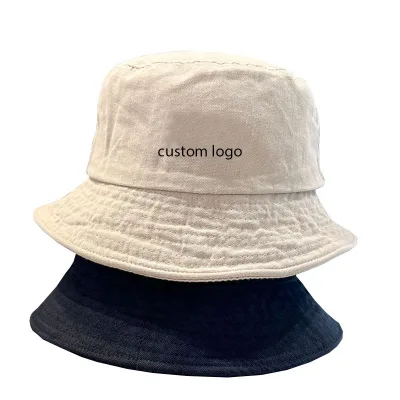


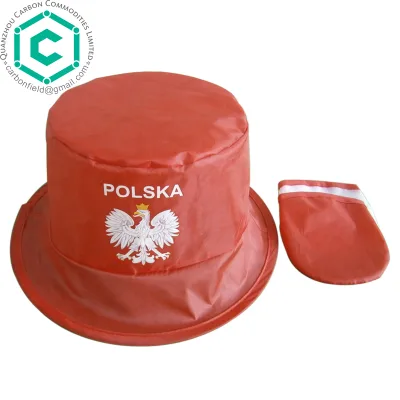
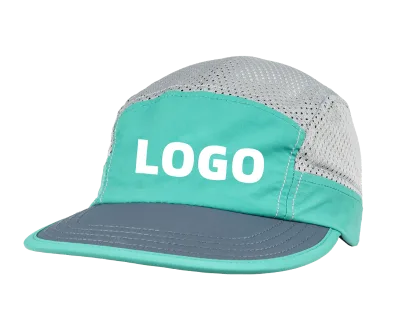
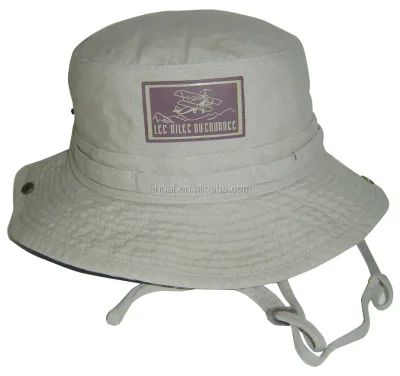
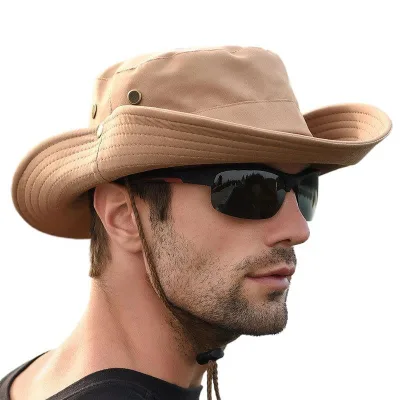

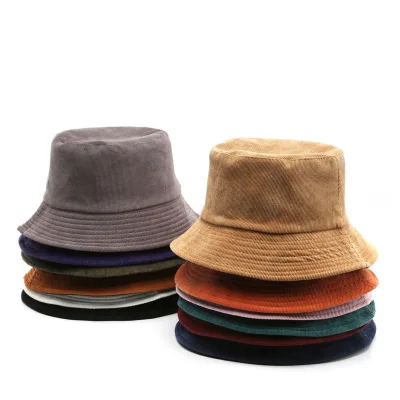
Solid Color Winter Unisex Cotton Twill Canvas Sun Fishing Hat Corduroy Bucket Hat
$1.4661 - $1.8176
MOQ: 10 pieces

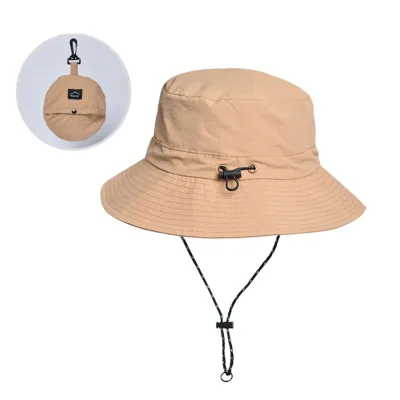


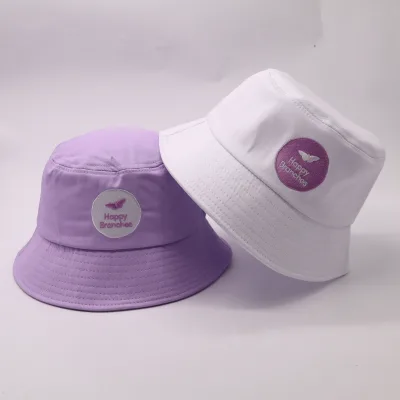
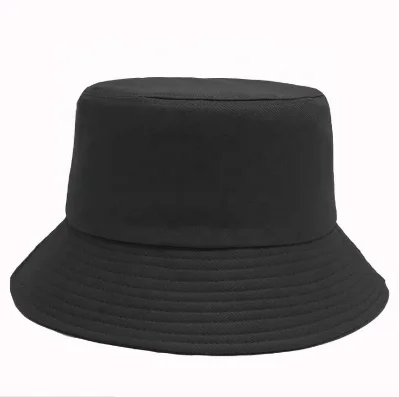
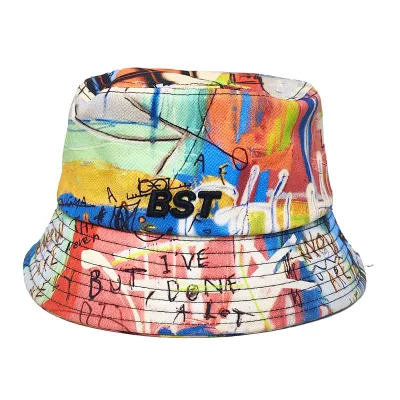

Comprehensive Sourcing Guide
Waterproof Canvas Fishing Hat Sourcing Guide
Sourcing waterproof canvas fishing hats requires balancing functional durability with aesthetic customization, as the market offers diverse options ranging from 100% cotton to polyester blends. Buyers must navigate a wide price range of $0.23 to $13.80 USD, which often reflects differences in material weight, embroidery complexity, and order volume. The observed minimum order quantities (MOQ) span from 1 to 1000 units, allowing for both sample testing and bulk procurement strategies. Understanding these commercial variables is essential for aligning supplier capabilities with your specific budget and inventory turnover goals.
The product landscape includes various styles such as fisherman hats and bucket hats, with customization available for logos, patterns, and colors. Common attributes include adjustable head circumferences, specific crown structures, and specialized features like windproofing, water resistance, and UV protection. While some listings highlight 3D embroidery or automated cutting techniques, others focus on plain dyed or printed designs. Procurement teams should verify that the selected supplier can consistently deliver the required technical specifications, particularly regarding the waterproof integrity of the canvas material and the longevity of the stitching under outdoor conditions.
Product Scope and Observed Listing Signals
The current market signals indicate a strong emphasis on versatility, with many suppliers offering hats suitable for four seasons, including winter, summer, and spring/autumn applications. Products are frequently described with special features such as being lightweight, foldable, breathable, and moisture-wicking, which are critical for active fishing environments. The availability of customizable logos on the brim, front panel, or back curved part allows brands to maintain visibility while ensuring the hat meets functional needs. Buyers should look for listings that explicitly state water-resistant or windproof properties to ensure the canvas performs as expected in wet conditions.
Color options are extensive, ranging from standard black, white, and gray to vibrant choices like yellow, red, purple, and orange. Some products feature letter patterns or embroidered designs, while others remain plain dyed or striped. The material composition varies, with 100% cotton, 100% polyester, and polyester/cotton blends being common. It is crucial to distinguish between hats that are merely water-resistant and those designed for heavy rain exposure. Procurement teams should request physical samples to assess the hand feel of the canvas and the effectiveness of any applied waterproof coatings before committing to large orders.
Technical Specifications to Verify
Technical verification must begin with the material composition, as the choice between cotton, polyester, or blends directly impacts durability and water resistance. Buyers should confirm whether the canvas is treated with a durable water repellent (DWR) finish or if the waterproofing is inherent to the fabric weave. The presence of a crown and brim structure is standard, but the rigidity and shape retention after washing should be tested. Additionally, the head circumference adjustment mechanism, whether it is a strap, buckle, or elastic, must be robust enough to withstand frequent use and exposure to saltwater or sweat.
Stitching quality and pattern technology are also critical technical indicators. Listings mentioning 3D embroidery or machine embroidery suggest a higher level of detail, but buyers must ensure that the thread used is also resistant to fading and water damage. The weight of the hat, observed at around 0.100 Kg for some models, contributes to comfort during long hours of wear. Suppliers should provide clear specifications on the hat’s dimensions, such as the 23x21x5 cm standard mentioned in some contexts, to ensure consistency across production batches. Verifying these details prevents discrepancies between the sample and the final bulk delivery.
Compliance and Safety Documentation
Compliance documentation is essential for ensuring that the fishing hats meet international safety and quality standards, particularly regarding chemical usage in dyes and finishes. Buyers should request test reports that verify the absence of harmful substances like azo dyes or heavy metals, which are often regulated in textile products. While specific certification names are not provided in the general context, suppliers should be able to produce documentation confirming adherence to relevant regional standards for consumer goods. This is particularly important if the hats are intended for sale in markets with strict environmental or health regulations.
Safety considerations also extend to the physical design of the hat, ensuring that there are no sharp edges or small detachable parts that could pose a choking hazard, although this is less relevant for adult-sized fishing hats. The use of smart or rechargeable features, if present, requires additional electrical safety certifications. Buyers must verify that any electronic components, such as lights or music features mentioned in some listings, are securely integrated and meet basic electrical safety norms. Ensuring that the supplier provides comprehensive compliance documentation helps mitigate legal risks and protects the brand’s reputation in the marketplace.
Cost Drivers and Commercial Terms
Cost drivers for waterproof canvas fishing hats include the raw material prices, which fluctuate based on cotton and polyester market trends, as well as the complexity of the customization process. Embroidery, especially 3D embroidery, adds significant labor and time costs compared to plain dyed or printed options. The minimum order quantity (MOQ) also plays a crucial role in pricing, with lower MOQs typically commanding higher unit prices. Buyers should negotiate based on their projected annual volume to secure better tiered pricing structures. Understanding these variables allows for more accurate budgeting and prevents unexpected cost overruns during the procurement process.
Commercial terms such as payment methods, lead times, and shipping arrangements must be clearly defined in the purchase agreement. Suppliers located in regions like Zhejiang, China, may offer competitive pricing due to established manufacturing ecosystems, but buyers should account for logistics costs and potential import duties. Lead times can vary significantly depending on the level of customization and the current production load of the supplier. It is advisable to include penalty clauses for delayed deliveries in the contract to ensure timely receipt of goods. Clear communication regarding these terms helps establish a transparent and reliable supply chain relationship.
Supplier Qualification and Quality Control
Supplier qualification involves assessing the manufacturer’s production capacity, quality control processes, and track record in the textile industry. Buyers should verify that the supplier has experience in producing waterproof or water-resistant garments, as this requires specific expertise in fabric treatment and assembly. Requesting references from previous clients or visiting the factory, if possible, can provide insights into their operational efficiency and commitment to quality. Suppliers that offer in-stock items may have faster turnaround times, but those specializing in custom orders might provide better quality control for bespoke designs.
Quality control measures should include pre-production sample approvals, in-line inspections during manufacturing, and final random inspections before shipment. Buyers should define clear acceptance criteria for defects, such as stitching errors, color mismatches, or inadequate waterproofing. Implementing a robust quality assurance plan helps identify and rectify issues early in the production process, reducing the risk of receiving substandard products. Regular communication with the supplier regarding quality expectations ensures that both parties are aligned on the desired outcome. This proactive approach minimizes disputes and ensures consistent product quality across multiple orders.
Long-Term Procurement Checks
Long-term procurement checks focus on maintaining supplier performance and adapting to market changes over time. Regular audits of the supplier’s quality control systems and production facilities help ensure ongoing compliance with agreed-upon standards. Buyers should also monitor the supplier’s ability to innovate, such as introducing new waterproof technologies or sustainable materials, to stay competitive in the market. Building a strong relationship with the supplier can lead to better pricing, priority production slots, and collaborative problem-solving when issues arise.
Continuous evaluation of product performance in the field is also crucial for long-term success. Gathering feedback from end-users regarding the hat’s durability, comfort, and waterproof effectiveness can inform future design improvements and supplier selection. Buyers should periodically review their supplier base to ensure they are not overly dependent on a single source, which can pose risks in case of supply chain disruptions. By maintaining a diversified supplier portfolio and staying informed about industry trends, procurement teams can ensure a resilient and efficient sourcing strategy for waterproof canvas fishing hats.
FAQs
Can I customize the logo on the fishing hat?
Yes, custom logos are available for these hats. You can place the logo on the brim, front panel, side panels, or back curved part. The hats support various pattern themes including letters and embroidered designs. This allows for full brand integration into the final product design.
What materials are used for the fishing hats?
The hats are made from 100% Cotton, 100% Polyester, or a Polyester/cotton blend. These materials ensure durability and comfort for adult users. The choice of material supports different seasonal needs, providing options for winter warmth or summer breathability while maintaining a lightweight and foldable structure.
Are the hats suitable for all seasons?
Yes, the hats are designed for four seasons, including Spring, Autumn, Summer, and Winter. They feature special attributes like windproof and water-resistant properties. Some models include ear warmers for cold weather, while others prioritize moisture wicking and UV resistance for warmer conditions, ensuring year-round usability.
What is the minimum order quantity for these hats?
The minimum order quantity ranges from 1 to 1000 units. This flexibility allows buyers to test small batches or order larger volumes. The hats are available as in-stock items, which may facilitate faster delivery. Customization options are also available, subject to the specific supplier's production capabilities.
Do the hats come in multiple colors?
Yes, the hats are available in a wide range of colors including Yellow, White, Red, Purple, Orange, Green, Gray, Brown, Blue, and Black. Some options also include colourful variations. This extensive color palette allows buyers to select shades that match their brand identity or target market preferences effectively.
What special features do these fishing hats offer?
The hats offer features such as being windproof, water-resistant, and UV resistant. They are also lightweight, foldable, and breathable. Additional features include moisture wicking, sun protection, and washability. Some models may include smart features or reversible designs, providing versatile functionality for outdoor activities and casual wear.