Source 4 Wheel Mobility Electric Scooter for seniors, hospitals, and malls
Compare 30 listings of 4 Wheel Mobility Electric Scooter options featuring foldable designs, stainless steel frames, and varying battery capacities. Buyers can evaluate specifications like speed, range, and weight capacity from verified Chinese manufacturers; compare the available evidence and request quotations based on your requirements.
Updated
Key considerations
Products List

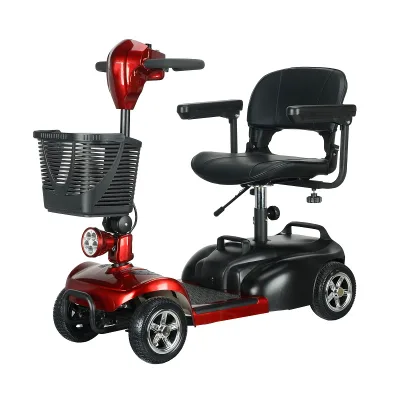


Electric Four Wheel Mobility Scooter for Electric Handicapped Vehicle
$250.00 - $270.00
MOQ: 10 Pieces


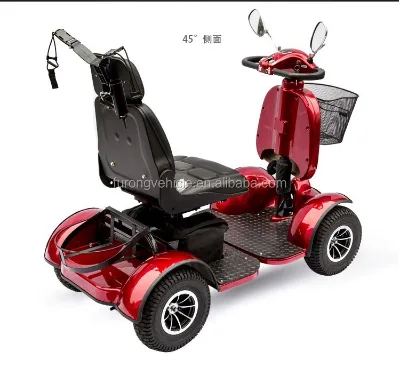


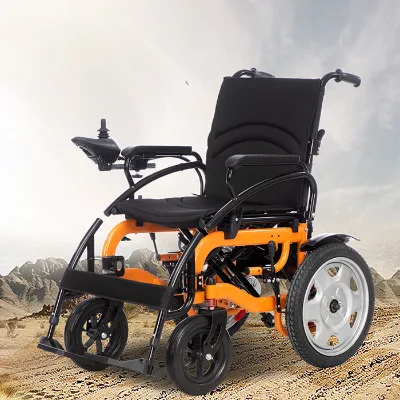


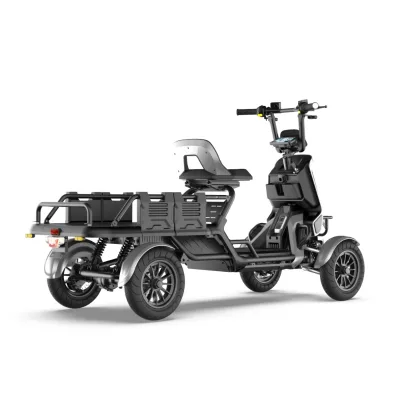

4 Wheel Mobility Scooter/ Mobility Electric Scooter/ Lightweight Mobility Scooter
$265.00 - $438.00
MOQ: 5 Pieces


Comprehensive Sourcing Guide
4 Wheel Mobility Electric Scooter Sourcing Guide
Sourcing a four-wheel mobility electric scooter requires careful attention to structural integrity and powertrain reliability, as these devices serve as critical assistive technology for adults with limited mobility. The market offers various configurations, ranging from compact urban models to heavier-duty units designed for outdoor terrain. Buyers must prioritize vehicles that balance portability with stability, ensuring the frame material and wheel configuration meet the specific weight and usage demands of the end-user.
Key observations from current listings indicate a strong presence of foldable designs constructed from stainless steel or steel frames, which provide durability while allowing for easier storage and transport. These scooters typically feature lead-acid or storage batteries, offering a practical balance between cost and performance for daily commuting or recreational use. Understanding the interplay between battery capacity, motor wattage, and maximum speed is essential for selecting a model that aligns with the user’s range requirements and local regulatory constraints.
Product Scope and Observed Listing Signals
Current market data reveals a diverse range of mobility scooters with varying specifications, including models like the HSH-02T and X02, which highlight the importance of verifying exact dimensions and weight capacities. Listings show net weights around 44-45kg and gross weights near 50kg, indicating substantial build quality but also necessitating careful logistics planning for final-mile delivery. The observed price range of $176 to $1,399 USD suggests significant variation in component quality, battery technology, and included accessories, requiring buyers to scrutinize what is included in the base price.
Minimum order quantities (MOQ) typically range from 1 to 20 units, offering flexibility for both individual replacement purchases and small-scale fleet acquisitions. Colors such as red, blue, silver, and white are commonly available, allowing for some aesthetic customization to suit user preferences. Additionally, features like LED lights, aluminum alloy wheel hubs, and specific climbing capabilities (e.g., 8° to 12°) are frequently cited, providing tangible indicators of performance that buyers should verify against their operational needs before committing to a supplier.
Technical Specifications to Verify
When evaluating technical specifications, the motor power and battery type are primary determinants of performance, with common configurations featuring 250W motors and 12Ah lead-acid batteries. Buyers should confirm the voltage, often 24V, and charging time, which typically spans 6-8 hours, to ensure compatibility with available charging infrastructure. The maximum speed, observed at 7-8 km/h, is generally suitable for pedestrian zones and indoor environments, but users requiring higher speeds must seek models with different powertrain specifications that may exceed standard mobility scooter classifications.
Dimensional accuracy is critical for both user comfort and transport logistics, with standard product sizes ranging from approximately 104cm to 110cm in length. Seat dimensions, such as 434758cm, directly impact user comfort during extended use, while overall vehicle dimensions like 1084994cm affect maneuverability in tight spaces. Buyers must also verify the wheel size, often 8 or 9 inches, and the weight capacity, which varies from 120kg to 150kg, to ensure the scooter can safely support the intended user without compromising stability or battery life.
Compliance and Safety Documentation
Compliance with regional safety standards is non-negotiable for mobility devices, with CE and ISO certifications frequently appearing in supplier documentation as indicators of adherence to European safety and quality benchmarks. Buyers must request valid certificates for each model, verifying that the certification covers the specific battery type and electrical components used in the final assembly. The presence of UL 2849 or EN 15194 standards, while noted in broader contexts, should be explicitly confirmed with the supplier to ensure the product meets specific electrical safety or performance criteria required by local authorities.
Safety features such as LED lighting and robust braking systems are essential for visibility and control, particularly in low-light conditions or on uneven surfaces. Buyers should inquire about the testing procedures used to validate climbing capabilities, such as the observed 8° to 12° incline performance, to ensure the scooter can handle real-world terrain variations. Additionally, verifying the condition of the product as "New" and checking for any proprietary safety mechanisms, such as anti-tip wheels or emergency stop switches, is crucial for mitigating liability and ensuring user safety.
Cost Drivers and Commercial Terms
The cost of a mobility scooter is heavily influenced by the battery technology, frame material, and included accessories, with lead-acid batteries offering a lower upfront cost compared to lithium-ion alternatives. Stainless steel frames provide superior durability and corrosion resistance, often commanding a premium over standard steel constructions, while foldable mechanisms add complexity and cost to the manufacturing process. Buyers should analyze the total cost of ownership, including battery replacement frequency and charging efficiency, rather than focusing solely on the initial purchase price.
Commercial terms such as MOQ, packaging, and lead times significantly impact procurement strategy, with carton box packing being standard for protection during transit. Buyers must clarify whether the quoted price includes shipping, insurance, and any necessary import duties, as these can substantially increase the landed cost. Negotiating flexible MOQs or consolidated shipping options can help reduce per-unit costs, especially for smaller orders, while understanding the supplier’s production lead time is vital for maintaining inventory levels and meeting customer demand.
Supplier Qualification and Quality Control
Supplier qualification should begin with a thorough review of their manufacturing capabilities, including their experience with mobility devices and their quality control processes. Buyers should verify the supplier’s location, often in regions like Zhejiang, China, and assess their ability to provide consistent product quality across batches. Requesting samples or conducting factory audits can provide insights into their production standards, material sourcing, and assembly precision, ensuring that the final product meets the specified technical and safety requirements.
Quality control measures should include rigorous testing of electrical components, structural integrity, and battery performance before shipment. Buyers should establish clear acceptance criteria for defects, such as frame welds, battery capacity deviations, or cosmetic imperfections, and require suppliers to provide inspection reports or third-party verification. Building a strong relationship with the supplier through regular communication and feedback loops can help maintain high standards and facilitate quick resolution of any issues that arise during the procurement process.
Long-Term Procurement Checks
Long-term procurement success depends on the supplier’s ability to provide ongoing support, including spare parts availability and technical assistance. Buyers should confirm the availability of replacement batteries, tires, and other wear-and-tear components, as these are essential for maintaining the scooter’s functionality over time. Establishing a clear warranty policy and understanding the process for claiming repairs or replacements is crucial for minimizing downtime and ensuring user satisfaction with the product.
Market trends and regulatory changes can also impact the viability of specific mobility scooter models, requiring buyers to stay informed about evolving safety standards and consumer preferences. Regularly reviewing supplier performance, including on-time delivery rates and product quality metrics, helps identify potential risks and opportunities for improvement. By maintaining a proactive approach to supplier management and staying adaptable to market changes, buyers can ensure a sustainable and reliable supply chain for their mobility scooter needs.
FAQs
What is the maximum speed of a 4 Wheel Mobility Electric Scooter?
The maximum speed is typically 8km/h or 7km/h depending on the specific model configuration. This moderate pace ensures safe operation for elderly users or those with limited mobility. The design prioritizes stability and control over high velocity, making it suitable for indoor and outdoor paved surfaces.
How far can a 4 Wheel Mobility Electric Scooter travel on one charge?
The range per charge is approximately 20km under standard operating conditions. This distance is supported by a 24v storage battery system, often utilizing lead-acid technology. Factors such as rider weight, terrain, and speed settings can influence the actual achievable distance during daily use.
What is the weight capacity for a 4 Wheel Mobility Electric Scooter?
The weight capacity varies by model, with options supporting up to 120kg, 130kg, or 150kg. Buyers should verify the specific model number to ensure the scooter meets their personal weight requirements. Exceeding the stated limit may compromise safety and battery performance during operation.
Are 4 wheel mobility electric scooters foldable for storage?
Yes, many models feature a foldable design to facilitate compact storage and transportation. The frame is often constructed from stainless steel or steel to maintain durability while allowing folding mechanisms. This feature is particularly useful for users who need to store the scooter in small spaces or transport it in a vehicle.
What certifications do 4 wheel mobility electric scooters typically have?
Common certifications include CE and ISO standards, indicating compliance with European safety and quality regulations. Some models may also reference UL 2849 or EN 15194 standards for additional assurance. Buyers should request certification documents from suppliers to verify that the specific product meets regional regulatory requirements.
What is the typical charging time for the battery?
The charging time is generally between 6 to 8 hours for a full charge. The scooter utilizes a lead-acid battery with a capacity of 12ah. Users should allow sufficient time for charging to ensure optimal battery health and consistent performance for daily mobility needs.