Source 5 layers pex-al-pex pipe for underfloor heating, solar, and hot water
Find 30 listings for 5 layers pex-al-pex pipe suitable for underfloor heating, solar systems, and hot water applications. Compare specifications including sizes from 16mm to 32mm, thickness options, and ISO certifications from Tianjin manufacturers; compare the available evidence and request quotations based on your requirements.
Updated
Key considerations
Products List
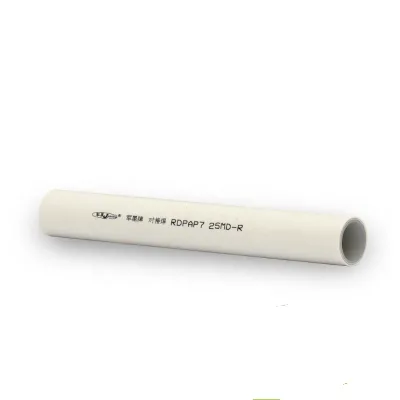
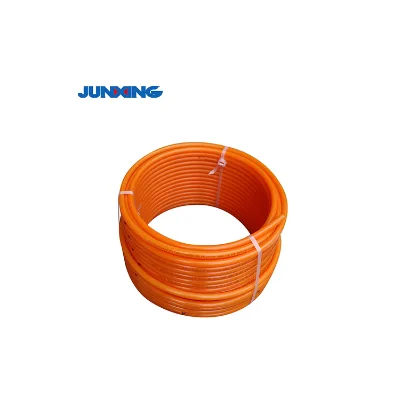
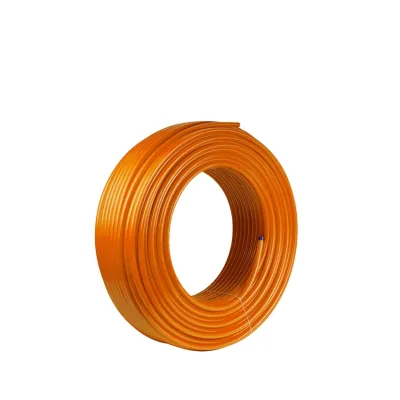
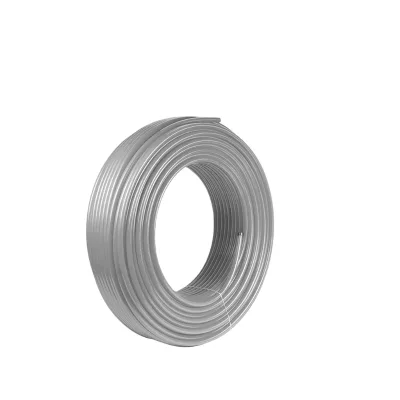


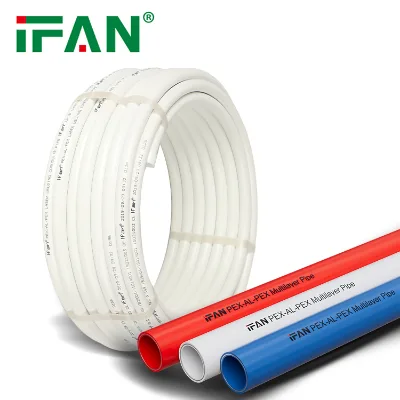
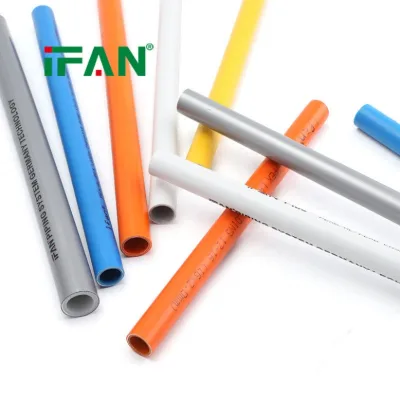
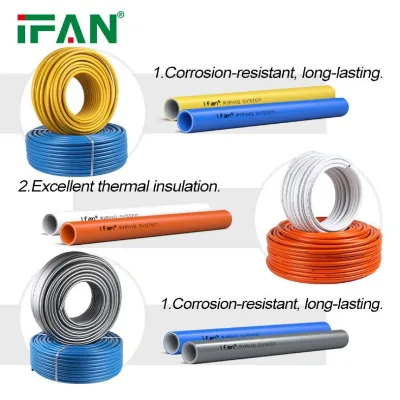


Comprehensive Sourcing Guide
5 Layers Pex-Al-Pex Pipe Sourcing Guide
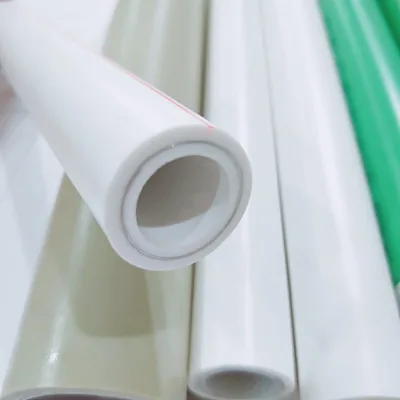
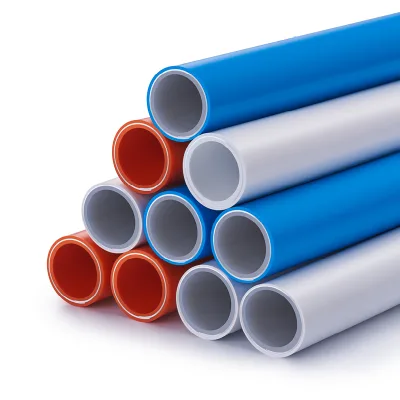
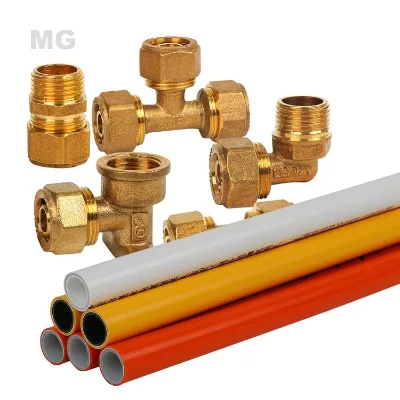
Procuring 5 layers pex-al-pex pipe requires a disciplined approach to verifying material composition and manufacturing capabilities. Buyers must distinguish between true multi-layer composite structures and simpler single-material extrusions. The core keyword often appears in listings for products labeled as PEX-AL-PEX, which indicates a specific sandwich construction designed for high-pressure and high-temperature environments. Sourcing teams should prioritize suppliers who explicitly define their layer structure, ensuring the aluminum barrier is present to prevent oxygen diffusion. This structural integrity is critical for closed-loop heating systems where corrosion protection is paramount.
Verification of the raw material source is equally important for long-term performance. Observations from current market listings indicate that reputable manufacturers utilize high-grade polyethylene, such as PE100 or specific grades like LG SL188, to ensure durability. Buyers should request material data sheets that confirm the resin type and confirm that the aluminum layer is properly bonded to the plastic layers. This bonding quality prevents delamination under thermal cycling. Without this verification, the pipe may fail prematurely in underfloor heating or solar systems, leading to costly repairs and system downtime for the end user.
Product Scope and Observed Listing Signals
The current market landscape for these pipes shows a wide variance in listed specifications and pricing signals. Observed price points range from $0.05 to $3 per unit, reflecting differences in wall thickness, diameter, and brand positioning. Buyers must correlate these prices with the stated Minimum Order Quantities, which vary significantly from 1 unit to 10,000 meters. Low MOQs often indicate sample availability or small-batch production, while higher volumes suggest industrial-scale manufacturing capacity. Understanding this correlation helps buyers assess whether a supplier is a direct manufacturer or a trading company.
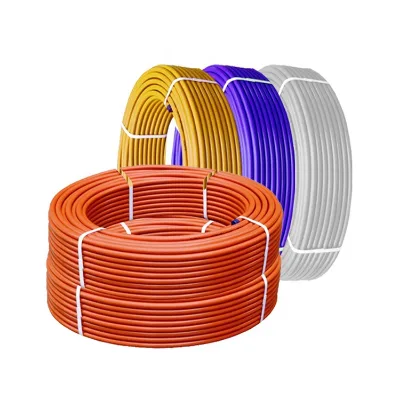
Product listings frequently highlight specific model numbers and dimensional ranges that define the scope of supply. Common specifications include diameters from 16mm to 32mm and wall thicknesses ranging from 1.8mm to 6.9mm. Some listings specify lengths of 100 to 300 meters per roll, while others offer custom lengths. Buyers should note that attributes like "Top10 manufacturer" or "China Famous Trademark" are marketing claims rather than technical guarantees. The focus should remain on tangible attributes such as working conditions up to 95 Centigrade and a claimed working life of 50 years under normal conditions.
Technical Specifications to Verify
Technical verification must begin with the pipe’s dimensional accuracy and material consistency. Buyers should confirm that the specified size, such as 16*1.8mm or DN16-32mm, matches the actual product delivered. The thickness range of 2mm to 3.5mm is common for standard applications, but thicker walls up to 6.9mm may be required for higher pressure ratings. It is essential to verify that the aluminum layer is continuous and properly sealed, as any gaps can compromise the oxygen barrier. This verification ensures the pipe meets the rigorous demands of underfloor heating and hot water distribution systems.
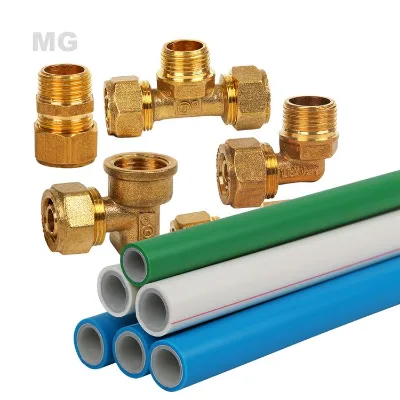
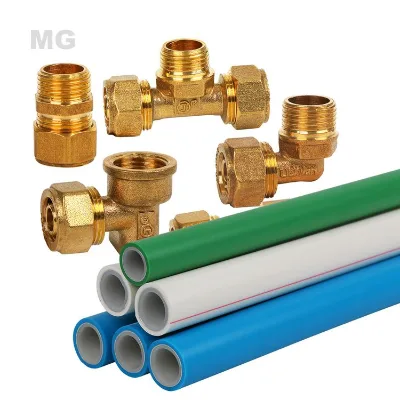
Connection methods and working conditions are critical technical factors that influence installation and longevity. The listed connection options include hot fusion and press fitting, which dictate the required tools and labor skills on-site. Buyers must ensure that the pipe’s working temperature of 95 Centigrade aligns with their system’s maximum operating parameters. Additionally, the single package size and gross weight, such as 100X50X50 cm and 15.000 kg, impact logistics and handling. Confirming these physical attributes prevents unexpected shipping costs and ensures the product can be installed efficiently without damage.
Compliance and Safety Documentation
Compliance with international standards is non-negotiable for plumbing and heating applications. Buyers must verify that the supplier holds valid certifications such as ISO15875, which specifically governs thermoplastics pipes for water supply. While some listings mention ISO, AS, EN, DIN, and GOST, buyers should request the actual certificate documents to confirm the scope of certification. The presence of ISO15875 indicates that the product has undergone rigorous testing for pressure, temperature, and material stability. This documentation provides legal and safety assurance for project approvals and insurance requirements.
Safety documentation also includes material safety data sheets and compliance with local building codes. Buyers should inquire about the raw material’s origin, such as LG SL188, to ensure it meets food-grade or potable water standards if applicable. The claim of a 50-year working life under normal conditions must be supported by accelerated aging test results. Without these test reports, the longevity claim remains an unverified assertion. Ensuring that all safety and compliance documents are current and verifiable protects the buyer from liability and ensures the system’s reliability over its intended lifespan.
Cost Drivers and Commercial Terms
Cost drivers for 5 layers pex-al-pex pipe include raw material prices, manufacturing complexity, and order volume. The use of PE100 and high-quality aluminum increases the base cost compared to single-layer pipes. Buyers should analyze the price per meter relative to the wall thickness and diameter to determine true value. The observed MOQ of 10,000 meters for some listings suggests that larger orders yield better unit economics. However, suppliers offering OEM services and customized lengths may charge premiums for setup and tooling. Understanding these variables helps buyers negotiate favorable terms based on their specific volume requirements.
Commercial terms such as payment methods, lead times, and shipping conditions significantly impact the total cost of ownership. Buyers should clarify whether the listed price includes packaging, such as carton packing, and single gross weight calculations. The availability of samples, often at a higher per-unit cost, is a crucial step before committing to large orders. Lead times can vary based on production capacity, with some manufacturers claiming 160,000 tons per year. Buyers must confirm these capacities and align them with their project schedules to avoid delays. Clear communication on these terms prevents hidden costs and ensures smooth transaction execution.
Supplier Qualification and Quality Control
Supplier qualification requires a thorough assessment of manufacturing capabilities and quality control processes. Buyers should verify the supplier’s production capacity, such as 160,000 tons per year, and confirm their location in Tianjin, China. The availability of OEM services indicates flexibility in branding and customization, which is valuable for private label projects. However, buyers must also assess the supplier’s quality control protocols, including in-line testing and final inspection procedures. Requesting third-party audit reports or factory visit records provides additional confidence in the supplier’s operational standards.
Quality control extends to the consistency of raw materials and finished product performance. Buyers should inquire about the sourcing of raw materials, such as PE100 or LG SL188, to ensure batch-to-batch consistency. The processing services offered, including molding and cutting, should align with the buyer’s installation requirements. Suppliers with a ranking as a top manufacturer in China may have more robust QC systems, but this should be verified through sample testing. Buyers should conduct incoming quality inspections to check for dimensional accuracy, layer bonding, and surface defects before accepting bulk shipments.
Long-Term Procurement Checks
Long-term procurement success depends on establishing a reliable supply chain and monitoring performance over time. Buyers should track the supplier’s ability to meet delivery schedules and maintain consistent quality across multiple orders. The claim of a 50-year working life requires periodic performance reviews to ensure the installed pipes are meeting expectations. Any deviations in pressure ratings or temperature resistance should be investigated immediately. Building a relationship with a supplier who offers ongoing technical support and warranty claims handling is essential for long-term project success.
Continuous improvement in procurement strategies involves staying updated on industry standards and technological advancements. Buyers should regularly review the supplier’s certification status and ensure it remains valid. Engaging in regular communication about new product developments, such as customized lengths or improved materials, can lead to cost savings and performance enhancements. The availability of OEM services allows buyers to adapt their branding and product offerings to market changes. By maintaining a proactive approach to supplier management, buyers can mitigate risks and ensure the long-term reliability of their piping systems.
FAQs
What materials are used in 5 layers pex-al-pex pipe?
The pipe utilizes PEX and PEX-AL-PEX composite structures. Some variants use PE100 raw materials like LG SL188 for enhanced durability. These materials ensure high flexibility and resistance to corrosion, making them suitable for complex plumbing installations where structural integrity is critical for long-term performance.
What are the working conditions for this pipe?
The pipe operates effectively at working conditions up to 95 Centigrade. It is designed for applications including underfloor heating systems, solar systems, and hot water distribution. With a working life of 50 years under normal conditions, it provides reliable performance in demanding thermal environments without degradation.
Which certifications apply to 5 layers pex-al-pex pipe?
Certifications include ISO15875, ISO, AS, EN, DIN, and GOST standards. These ensure compliance with international quality and safety requirements. The product meets rigorous testing protocols, allowing it to be used in global markets where specific regional standards like ISO or EN are mandatory for plumbing infrastructure projects.
Can I get custom specifications for this pipe?
Yes, OEM service is available for custom requirements. Specifications range from 16mm to 32mm in diameter, with thickness options from 1.8mm to 6.9mm. Lengths can be customized, typically offered in 100 to 300-meter rolls. This flexibility allows buyers to tailor the product to specific project dimensions.
What is the minimum order quantity for this pipe?
The MOQ is listed as 10,000 meters for standard orders. However, observed ranges indicate flexibility down to 1 unit for samples. Buyers should verify specific MOQs with suppliers, as production capacity reaches 160,000 tons per year, supporting large-scale industrial procurement needs efficiently.
How is the 5 layers pex-al-pex pipe connected?
Connections are made using hot fusion or press fitting methods. These techniques ensure leak-proof joints and maintain the integrity of the multi-layer structure. The choice of connection method depends on the specific installation requirements and local plumbing standards, ensuring secure and durable system assembly.