Source 600w Brushless Motor Electric Tricycle for Cargo, Passenger, and Delivery
Find 30 listings for the 600w Brushless Motor Electric Tricycle, featuring options with lead-acid batteries, 48V-60V systems, and capacities up to 500kg. Compare specifications from Chinese manufacturers to identify suitable models for cargo transport, passenger use, and commercial delivery applications.
Updated
Key considerations
Products List


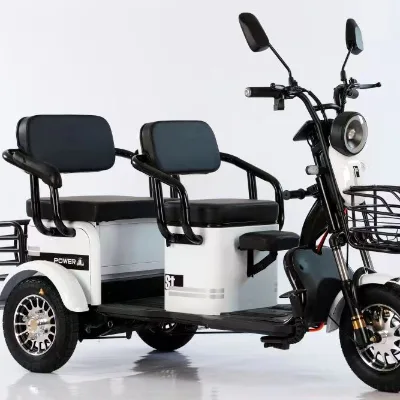
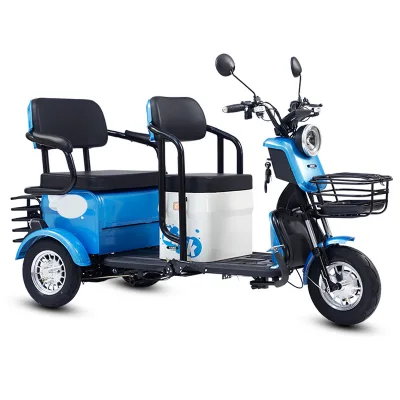


Motor Tricycle with 7000W Motor /Cargo Tricycle Cabin /Electric Cargo Tricycle
$2300.00 - $2400.00
MOQ: 1 Sets


Powerful Electric Tricycle with Motors for Mountain Roads Electric Scooter
$218.00 - $288.00
MOQ: 50 Pieces


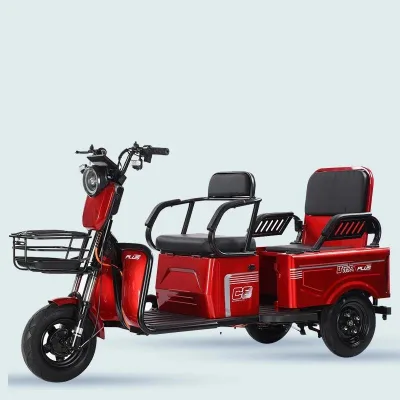
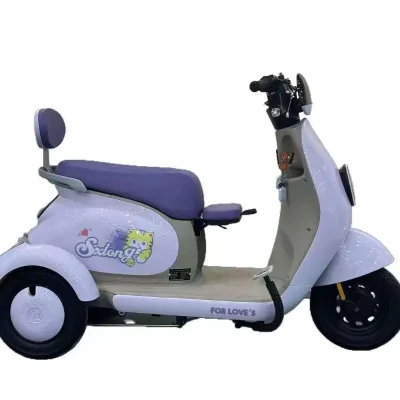
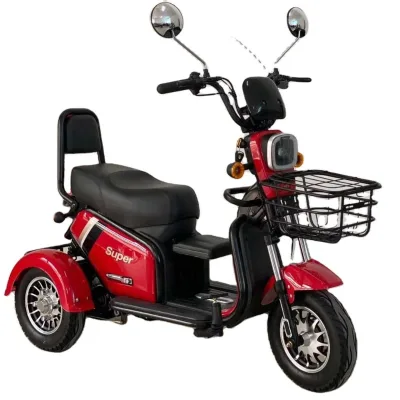
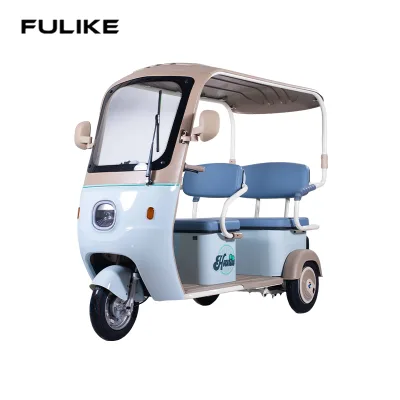


$615.00 - $625.00
MOQ: 68 piece

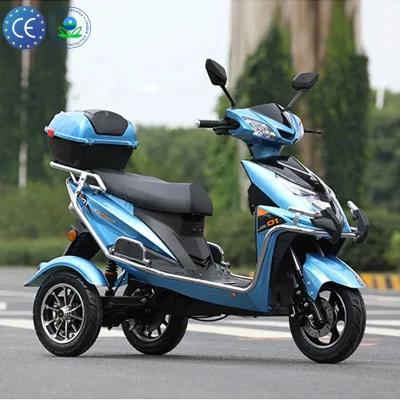

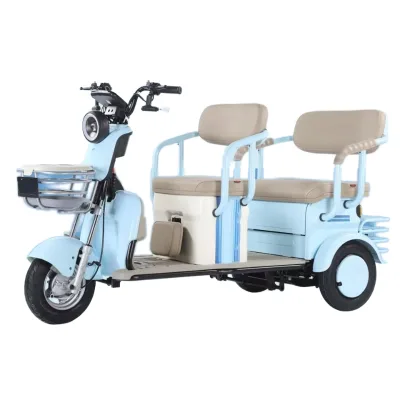
Comprehensive Sourcing Guide
600w Brushless Motor Electric Tricycle Sourcing Guide
Sourcing a 600w Brushless Motor Electric Tricycle requires careful alignment of technical specifications with intended operational use cases. Buyers must distinguish between models designed primarily for cargo transport and those optimized for passenger comfort, as the internal component layout and chassis reinforcement differ significantly. The observed market data indicates a wide variance in motor power ratings, with some listings specifying 1500W or even lower wattages like 351–500W, necessitating strict verification of the actual motor output to ensure it meets the 600W requirement. This verification is critical for predicting torque, hill-climbing ability, and overall durability under load.
Procurement teams should also evaluate the battery configuration, as the motor’s efficiency is directly tied to the energy storage system. Available data highlights the prevalence of lead-acid batteries in this segment, which offer cost advantages but require different maintenance protocols compared to lithium-ion alternatives. Understanding the voltage architecture, typically ranging from 48V to 60V, is essential for matching the motor’s performance characteristics with the battery’s discharge curves. Buyers must confirm that the controller and motor are matched to the specific voltage platform to prevent premature wear or inefficient power delivery during peak load scenarios.
Product Scope and Observed Listing Signals
The current market landscape for electric tricycles reveals a diverse array of configurations, with many suppliers offering versatile units capable of handling both cargo and passenger duties. Observed listings frequently highlight open body types, which provide ease of access for loading goods or boarding passengers, while also noting specific dimensions such as a wheel distance of 800mm or greater than 1110mm. These physical attributes directly influence stability and maneuverability, making it imperative for buyers to assess the chassis geometry against their specific route requirements and payload constraints. The presence of customization options further expands the scope, allowing for tailored solutions that address unique operational needs.
Price points in the observed range span from $185 to $2400, reflecting significant variations in build quality, component sourcing, and included features. This broad spectrum suggests that buyers should not rely solely on price as an indicator of value but must instead scrutinize the detailed specifications provided in each listing. Some models are marketed with specific model numbers like TDT010Z or QFB150M, which may correspond to distinct manufacturing batches or regional compliance standards. Understanding these identifiers helps in tracking supply chain consistency and ensures that replacement parts or future orders match the initial procurement specifications accurately.
Technical Specifications to Verify
When evaluating technical specifications, buyers must prioritize the verification of motor power, voltage, and speed capabilities to ensure they align with operational demands. While the core keyword specifies a 600W motor, observed data includes models with 1500W power outputs or maximum speeds of 30km/h to 50km/h, indicating a need for precise confirmation of the actual motor rating. Additionally, the braking system, often described as front drum plus rear drum, must be inspected for adequacy in stopping power, especially when carrying heavy loads. The curb weight, ranging from 200kg to 300kg, also plays a crucial role in determining the vehicle’s stability and the stress placed on the suspension and frame components.
Battery performance metrics, including charge time and driving mileage, are equally critical for assessing daily usability. Listings indicate charge times of 5–7 hours and driving mileages of at least 90km, which must be validated against the buyer’s daily route distance. The tire size, such as front 350-12 and rear 400-12, affects traction and ride comfort, particularly on uneven surfaces. Buyers should also verify the grade ability, with some models claiming a capability of ≥25°, to ensure the tricycle can handle local terrain challenges. Confirming these specifications through direct supplier communication or third-party testing is essential to avoid performance shortfalls in real-world applications.
Compliance and Safety Documentation
Compliance with regional safety and environmental standards is a non-negotiable aspect of sourcing electric tricycles, particularly when importing from China. Observed certifications include CCC, CE, EPA, DOT, ISO 9001, and RoHS, each serving different regulatory markets and safety requirements. Buyers must determine which certifications are mandatory for their target market and verify that the supplier can provide valid documentation for each. For instance, CE certification is crucial for European markets, while EPA and DOT standards may be relevant for specific North American regulations. Ensuring that the product meets these standards helps mitigate legal risks and facilitates smoother customs clearance.
Safety features, such as the brake system and structural integrity, must also be documented and verified. The use of an iron frame, as noted in some listings, suggests a focus on durability, but buyers should request material certificates or structural test reports to confirm quality. Additionally, the voltage system, typically 48V or 60V, must comply with electrical safety standards to prevent hazards such as short circuits or overheating. Buyers should inquire about the manufacturer’s quality control processes and whether they conduct routine safety inspections. Having comprehensive compliance documentation not only ensures legal operation but also enhances the product’s marketability and customer trust.
Cost Drivers and Commercial Terms
Understanding the cost drivers behind electric tricycle pricing is essential for effective budgeting and negotiation. Factors such as battery type, motor power, and certification requirements significantly influence the final price. For example, models with lead-acid batteries may be more affordable upfront but could incur higher long-term maintenance costs compared to those with lithium-ion options. The observed MOQ range of 1–68 pieces allows for flexibility in order sizes, but buyers should be aware that larger orders may attract volume discounts. Additionally, packaging dimensions, such as 1257070cm or 200X100X60cm, impact shipping costs, so optimizing container utilization can reduce overall logistics expenses.
Commercial terms, including payment methods and lead times, also play a crucial role in the procurement process. Buyers should negotiate clear terms regarding warranty coverage, after-sales support, and return policies to protect their investment. The observed lead times and production capacities of suppliers should be assessed to ensure they can meet delivery deadlines, especially for large orders. It is advisable to request a detailed quotation that breaks down costs for the vehicle, battery, accessories, and shipping. Transparent pricing helps avoid hidden fees and ensures that the total cost of ownership is accurately calculated, allowing for better financial planning and risk management.
Supplier Qualification and Quality Control
Supplier qualification is a critical step in ensuring the reliability and consistency of the electric tricycle supply chain. Buyers should verify the supplier’s business license, manufacturing capabilities, and past performance records to assess their credibility. The observed origin locations, such as Shandong Jinan and Jiangsu, China, indicate specific manufacturing hubs known for producing these vehicles. Buyers can leverage this information to conduct site visits or request virtual tours to inspect the production facilities and quality control processes. Engaging with suppliers who have a proven track record of delivering high-quality products reduces the risk of receiving defective or substandard units.
Quality control measures, including pre-shipment inspections and third-party testing, are essential for maintaining product standards. Buyers should inquire about the supplier’s QC protocols, such as incoming material inspections, in-process checks, and final product testing. Requesting sample units for evaluation allows buyers to assess build quality, performance, and compliance with specifications before committing to a large order. Additionally, establishing clear communication channels with the supplier ensures that any issues can be addressed promptly. Building a strong relationship with a qualified supplier fosters trust and facilitates smoother transactions, ultimately contributing to the success of the procurement project.
Long-Term Procurement Checks
Long-term procurement success depends on establishing robust mechanisms for ongoing supplier performance monitoring and product quality assurance. Buyers should implement regular audits and feedback loops to evaluate the supplier’s adherence to agreed-upon standards and delivery schedules. Tracking key performance indicators, such as defect rates, on-time delivery percentages, and customer satisfaction scores, provides valuable insights into the supplier’s reliability. This data-driven approach enables buyers to make informed decisions about continuing or adjusting their sourcing strategies, ensuring that the supply chain remains resilient and efficient over time.
Additionally, buyers should stay informed about regulatory changes and technological advancements in the electric tricycle market to anticipate future needs and challenges. Engaging with industry associations and attending trade shows can provide opportunities to network with suppliers and learn about emerging trends. Regularly reviewing and updating procurement policies ensures that they remain aligned with business objectives and market conditions. By maintaining a proactive approach to supplier management and market analysis, buyers can mitigate risks, optimize costs, and secure a competitive advantage in the long run.
FAQs
What certifications are available for electric tricycles?
Electric tricycles can feature multiple certifications including CCC, CE, EPA, DOT, ISO 9001, and RoHS. These documents verify compliance with regional safety and environmental standards. Buyers should verify specific certification requirements for their target market before ordering to ensure smooth customs clearance and legal operation.
What is the typical voltage and power range?
Common models operate on 48V or 60V systems with power outputs ranging from 1500W to 500W. Higher voltage systems generally support better performance and speed. The specific voltage and power depend on the motor type and intended usage, whether for light cargo or passenger transport.
Can these tricycles be customized for specific needs?
Yes, customization is available for many electric tricycle models. Buyers can often request changes to body type, battery configuration, or specific dimensions. Customization allows the vehicle to meet unique operational requirements, such as specific cargo capacities or passenger seating arrangements, ensuring better fit for business applications.
What is the maximum speed and driving mileage?
Maximum speeds typically range from 20km/h to 50km/h depending on the model. Driving mileage can exceed 90km on a single charge. Factors like load weight, terrain, and battery condition affect actual range. These specs support efficient daily logistics and passenger transport tasks.
What is the minimum order quantity for suppliers?
The minimum order quantity varies, with some suppliers accepting just one piece. Others may require higher volumes for specific configurations. MOQs range from 1 to 68 pieces. Buyers should check individual supplier terms to understand bulk pricing benefits and inventory requirements for their specific order size.
Where are these electric tricycles primarily manufactured?
Manufacturing origins include China, specifically regions like Shandong Jinan and Jiangsu. These areas have established supply chains for electric vehicles. Buyers can source directly from these locations to benefit from competitive pricing and established logistics networks for international shipping and delivery.