Source Abdominal Exercise Trainer for Gyms, Homes, and Clinics
Compare 30 Abdominal Exercise Trainer options from verified Chinese manufacturers. Buyers can evaluate steel and plastic models with CE and ISO certifications for gymnasium or community use.
Key considerations
Products List






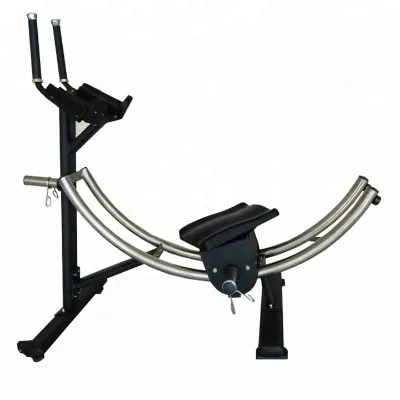
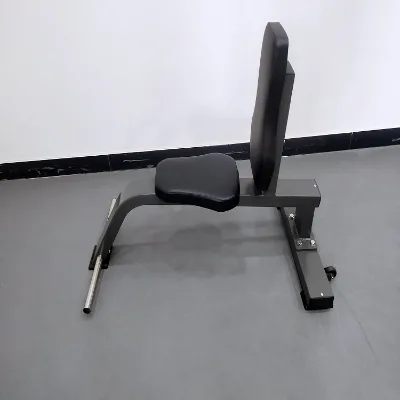
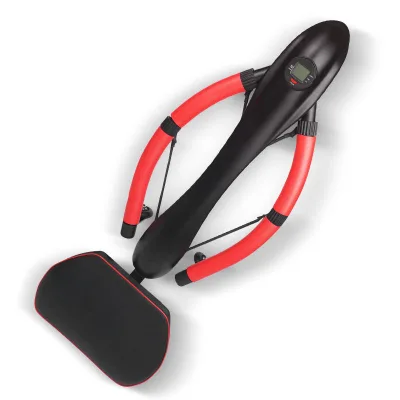
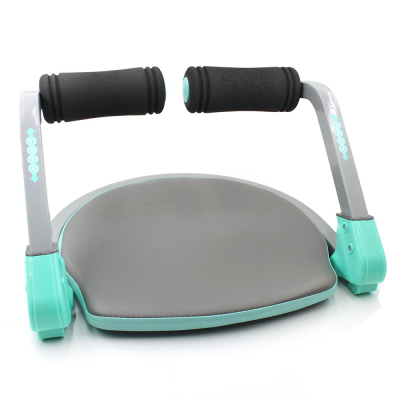
Comprehensive Sourcing Guide
Strategic Sourcing Guide for Abdominal Exercise Trainers
Understanding Product Variants and Technical Specifications
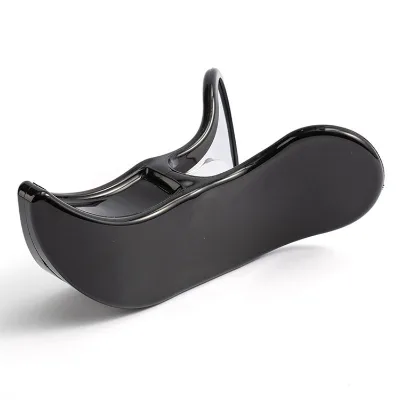
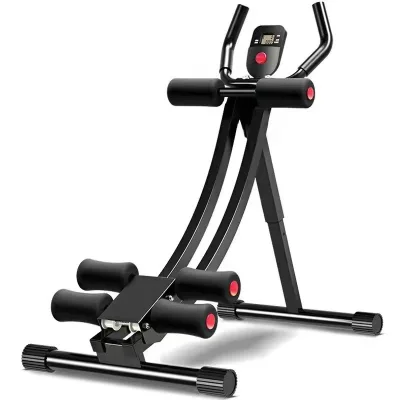
When sourcing abdominal exercise trainers, buyers must first navigate a diverse landscape of product configurations. The market offers distinct variations ranging from compact, manual units designed for home or community use to heavy-duty, steel-framed machines intended for commercial gymnasium environments. The technical specifications provided in supplier catalogs reveal significant divergence in construction materials and operational mechanisms. For instance, some units are constructed primarily from steel with specific thicknesses, such as 2.5mm, ensuring structural integrity for high-frequency commercial use. In contrast, other variants utilize composite materials like PCTG and PMMA, often found in lighter, portable, or specialized training devices.
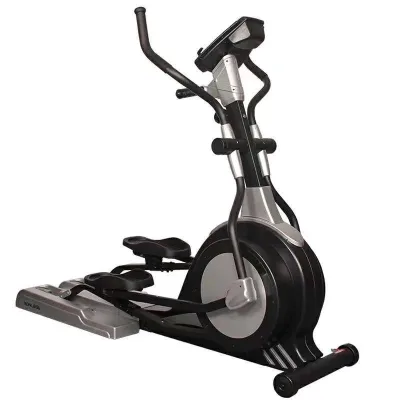
The physical dimensions of these trainers are critical for space planning. Observed data indicates that commercial-grade units can reach substantial footprints, with standard dimensions recorded around 1920mm in length, 1000mm in width, and 2260mm in height. Other models, designed for more compact installations, may measure approximately 1560mm by 1000mm with a height of 1600mm. It is essential to note that some specifications are listed in centimeters while others use millimeters, requiring careful conversion during the procurement process. The weight of the equipment also varies drastically; heavy commercial units may have a net weight of 176kg, whereas smaller, single-item units can weigh as little as 0.5kg.
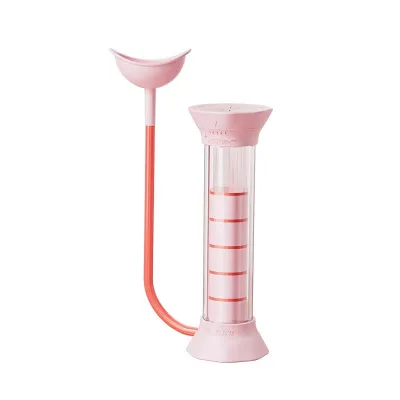
Functional attributes further differentiate these products. While the core keyword is "Abdominal Exercise Trainer," specific models may include additional functionalities such as abdominal breathing training. The exercise parts targeted often include the abdominal muscles, though some units are marketed for chest training or general arm exercises. The power source for the majority of these units is manual, relying on user resistance rather than electric motors. This manual operation is consistent across most observed models, including those with specific model numbers like F1-2044, 7007, FS061, A6-010, and HB010. Buyers should verify the specific exercise part and muscle group targeted by each model to ensure alignment with their facility's training requirements.
Compliance and Certification Verification
Certification status is a non-negotiable aspect of sourcing fitness equipment, particularly for commercial installations where liability and safety are paramount. The supply chain for abdominal exercise trainers frequently lists certifications such as CE and ISO. Some product listings explicitly combine these, noting "CE, ISO" or "CE, RoHS" as standard compliance markers. However, the presence of these certifications in a product description does not automatically guarantee that every unit in a batch meets the same rigorous standards. Buyers must treat certification claims as observations that require independent verification.
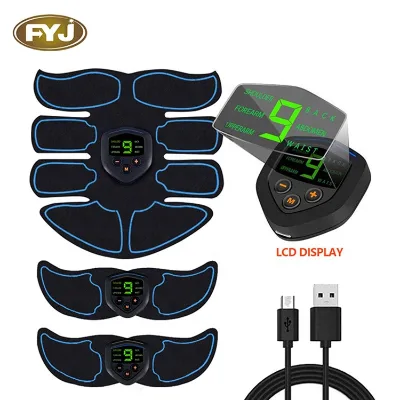
The "CE" marking indicates conformity with health, safety, and environmental protection standards for products sold within the European Economic Area. "ISO" certifications suggest adherence to international standards for quality management or specific product safety protocols. "RoHS" compliance is crucial for electronic components, ensuring the restriction of hazardous substances, though its relevance varies for purely manual steel or plastic equipment. In the observed data, some entries list certifications as "CE, ISORoHS," which may indicate a combined compliance statement or a specific listing format. It is the buyer's responsibility to request valid certification documents from the supplier, ensuring they are issued by recognized bodies and are current.
Furthermore, specific product standards are often cited in the technical data. For example, one model is associated with a standard dimension of 1520mm by 890mm by 1410mm, while another lists a standard of 1920mm by 1000mm by 2260mm. These dimensions may serve as a proxy for the design standard or the intended installation footprint. Buyers should not assume that a listed standard dimension applies to the entire product line without confirmation. Additionally, the origin of the products, often listed as China or specific provinces like Shandong, can influence the regulatory framework applied during manufacturing. Understanding the origin helps in anticipating the specific certification bodies that may have issued the compliance marks.
Cost Drivers and Pricing Dynamics
The pricing of abdominal exercise trainers is influenced by a complex interplay of factors, including material composition, manufacturing complexity, and intended application. The observed price range in the market is exceptionally broad, spanning from $1.33 to $29,999. This vast disparity reflects the difference between small, portable accessories and large, multi-station commercial gym equipment. A unit priced at the lower end of the spectrum is likely a compact, manual device made from lighter materials like PCTG or PMMA, possibly intended for single-item sale or personal use. Conversely, the high-end pricing corresponds to heavy-duty steel structures, complex mechanical systems, and large footprints suitable for professional gymnasiums.
Material costs are a primary driver. Steel units, particularly those with specified thicknesses like 2.5mm, incur higher raw material and fabrication costs compared to plastic or composite alternatives. The inclusion of specialized components, such as self-lubricating loose cables, pulleys made from PA6+30%GF material, and PU foaming for seat backs, adds to the manufacturing expense. These components enhance durability and user comfort but increase the final unit price. Additionally, the packaging method affects cost; units shipped in wooden boxes or wooden cases generally cost more to produce and ship than those in standard carton boxes due to the material and labor involved.
Minimum Order Quantity (MOQ) also plays a significant role in the effective cost per unit. The observed MOQ range spans from 1 to 1000 units. Buyers purchasing a single unit may face a higher per-item price but benefit from lower upfront capital expenditure. Bulk orders, approaching the 1000-unit threshold, often unlock volume discounts, significantly reducing the average cost. However, high MOQs require substantial capital and storage capacity. Buyers must balance the desire for lower unit costs against their cash flow constraints and storage limitations. Customization options, such as color customization or specific branding, may also introduce additional costs, as they often require dedicated production runs or tooling adjustments.
Typical Applications and User Demographics
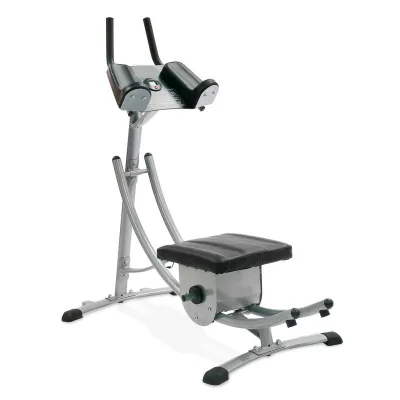
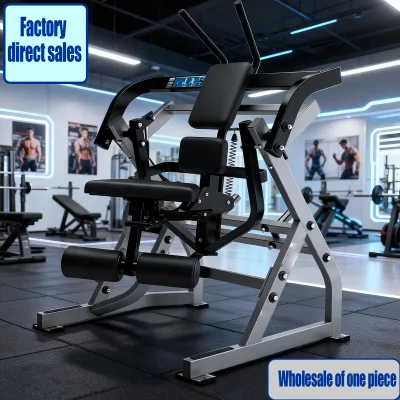
Abdominal exercise trainers are deployed across a variety of settings, each with unique requirements regarding durability, space, and user demographics. The primary application environments identified include gymnasiums, community centers, and potentially home use. Commercial gymnasiums demand equipment that can withstand high-frequency use by diverse populations. These facilities typically require heavy-duty steel frames, robust locking systems, and high-quality upholstery like PU foaming to ensure longevity and safety. The dimensions of these units, often exceeding 1.5 meters in length, necessitate dedicated floor space and structural support.
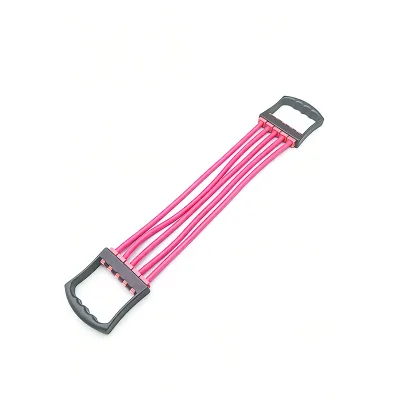
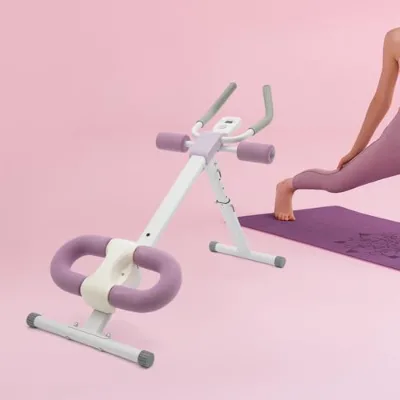
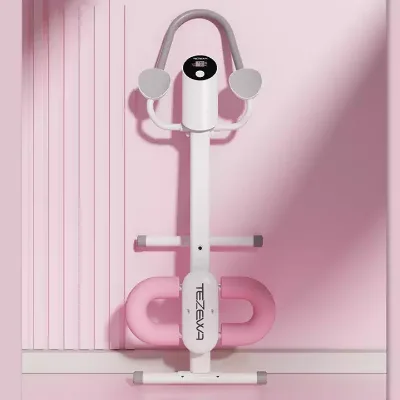
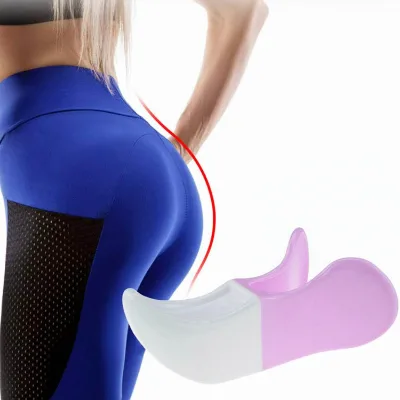
Community centers and public fitness facilities may utilize a mix of commercial-grade and lighter-duty equipment. The "Unisex" and "Adult" gender classifications indicate that these trainers are designed for general adult populations. However, some specific models are targeted at women, featuring color options like pink and blue, and smaller dimensions (e.g., 25cm size for portable units). These specialized units may be intended for community outreach programs or specific demographic-focused fitness initiatives. The "Folded" attribute, listed as "Unfolded" in some contexts, suggests that space-saving features are a consideration for facilities with limited square footage.
The functional design of the trainer also dictates its application. Units labeled as "Abdominal breathing trainers" or those specifically targeting "Abdominal Muscles" serve specialized rehabilitation or core-strengthening purposes. These may be preferred in physical therapy clinics or specialized fitness studios. In contrast, general-purpose abdominal trainers are suitable for standard fitness routines in commercial gyms. The "Appliance" classification as "Gymnasium" or "Community" reinforces the intended setting. Buyers must align the product's intended application with their facility's specific needs, ensuring that the equipment's capacity and features match the expected usage volume and user requirements.
Supplier Evaluation and Origin Considerations
Evaluating suppliers for abdominal exercise trainers requires a focus on transparency, manufacturing capability, and logistical reliability. The supply data indicates that products originate primarily from China, with specific mentions of the Shandong province. This regional concentration suggests a mature manufacturing ecosystem for fitness equipment in that area. However, buyers should not rely solely on the general "China" origin label; verifying the specific factory location and its capacity is essential. Suppliers in established industrial hubs like Shandong may offer more consistent quality control and supply chain stability compared to smaller, less established operations.
Supplier evaluation should also encompass the customization capabilities offered. The data confirms that customization is available for these products, including color customization and potentially model-specific modifications. Buyers seeking branded equipment or specific design features must assess the supplier's flexibility and the lead times associated with custom orders. The availability of different packaging options, such as wooden boxes or cartons, also reflects the supplier's logistical capabilities. A supplier offering wooden cases may have better experience with heavy, high-value shipments, while those offering cartons might be optimized for lighter, high-volume logistics.
It is critical to verify the supplier's ability to provide consistent quality across different model numbers. The observed data lists various models, including F1-2044, 7007, FS061, A6-010, and HB010. A reliable supplier should be able to demonstrate consistent quality control processes across this range. Buyers should request samples or third-party inspection reports to validate the quality of specific models before committing to large orders. Additionally, the supplier's responsiveness to certification inquiries and their ability to provide valid documentation for CE, ISO, or RoHS marks are key indicators of their professionalism and reliability.
Quality Control and Long-Term Procurement Strategies
Ensuring the long-term reliability of abdominal exercise trainers requires a robust quality control (QC) strategy. Given the wide range of materials and construction methods, QC must be tailored to the specific product type. For steel-framed units, inspections should focus on weld quality, steel thickness verification, and the integrity of the locking systems. The "Press Type Adjustment" and "Self-Lubricating Loose Cable" systems require specific testing to ensure smooth operation and resistance to wear. For composite units, checks should include material integrity, color consistency, and the durability of the PCTG and PMMA components.
Long-term procurement considerations extend beyond the initial purchase. Buyers should evaluate the availability of spare parts, such as pulleys, cables, and upholstery materials. The use of specific materials like PA6+30%GF for pulleys suggests a need for compatible replacement parts that maintain the original performance standards. Suppliers who offer comprehensive after-sales support and a clear warranty policy are preferable. The "Single gross weight" and "Single package size" data provided can help in planning long-term logistics and storage, ensuring that the supply chain remains efficient as orders are replenished.
Furthermore, buyers should consider the lifecycle of the equipment. Commercial units with a net weight of 176kg are designed for longevity but require regular maintenance to prevent degradation. Establishing a maintenance schedule and training facility staff on proper usage can extend the equipment's life. For lighter units, the focus may be on replacement cycles rather than maintenance. By adopting a holistic approach to procurement that includes QC, maintenance planning, and supplier relationship management, buyers can ensure that their investment in abdominal exercise trainers delivers consistent value and safety over time.
FAQs
What certifications are available for abdominal exercise trainers?
Available certifications include CE, ISO, and RoHS. Buyers must verify specific documentation for each model, as listings vary between CE, ISO, and combined CE, RoHS statements without guaranteeing universal compliance across all units.
Which materials are used in commercial abdominal trainers?
Commercial units often use steel with 2.5mm thickness for durability. Smaller portable devices may utilize composite materials like PCTG and PMMA, requiring buyers to select based on intended usage frequency and space constraints.
How do dimensions vary across different abdominal trainer models?
Dimensions range from compact 25cm units to large commercial frames measuring 1920mm by 1000mm by 2260mm. Buyers should check specific model standards, as some listings use centimeters while others use millimeters for similar product types.
Can buyers customize the color of abdominal exercise trainers?
Yes, customization is available for color and potentially branding. Buyers should confirm lead times and minimum order quantities, as custom colors often require dedicated production runs separate from standard stock items.
What is the typical price range for these trainers?
Prices range from $1.33 for small items to $29,999 for heavy commercial equipment. The cost depends heavily on material, such as steel versus plastic, and the complexity of mechanical components like pulleys and cables.
Which muscle groups do these trainers target?
Most units target abdominal muscles, though some are designed for chest or arm exercises. Specific models may include abdominal breathing training, so buyers must verify the exercise part before purchasing for specific fitness goals.