Source Abaya for Muslim events, daily wear, and travel
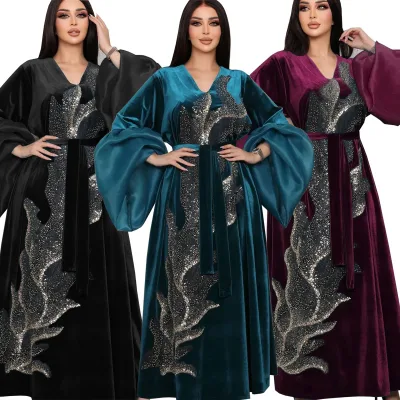
Compare 30 Abaya options from China suppliers featuring chiffon material, loose silhouettes, and custom packaging. Buyers can review models like LAY53 and MQ078 with varying MOQs and lead times for women's casual dresses.
Key considerations
Products List


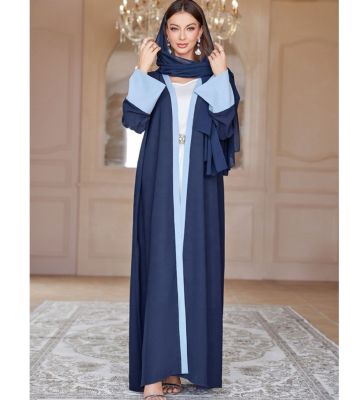
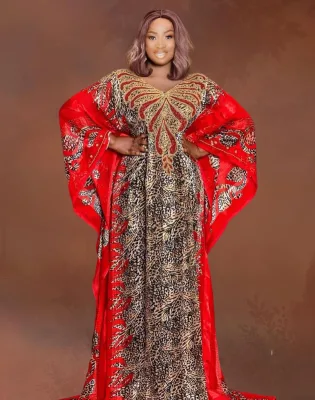


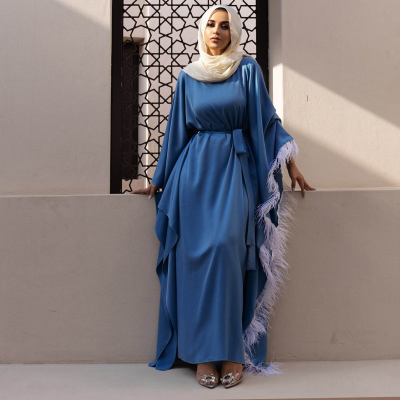
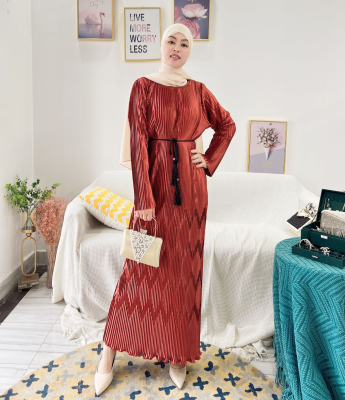
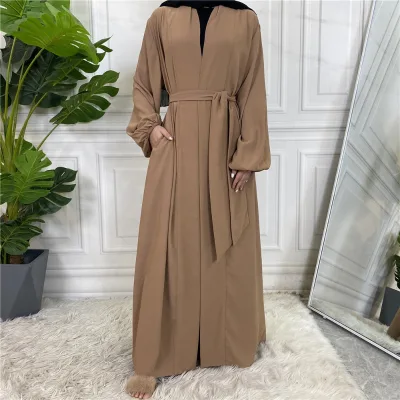
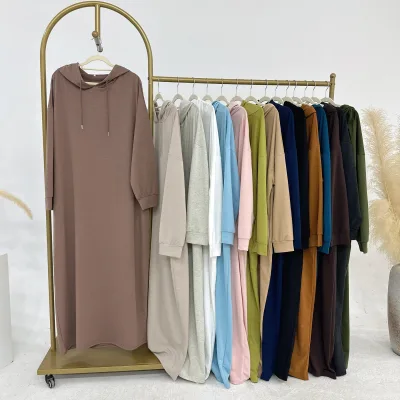
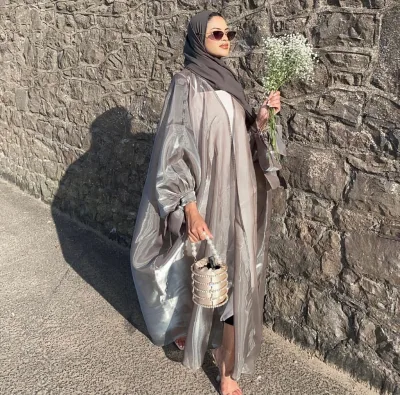

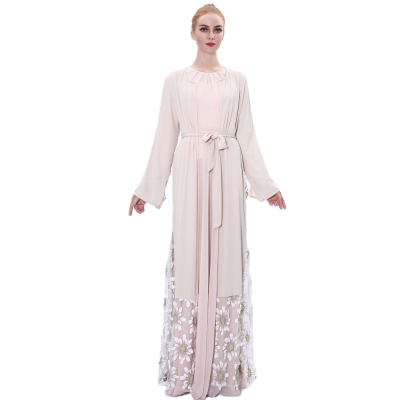
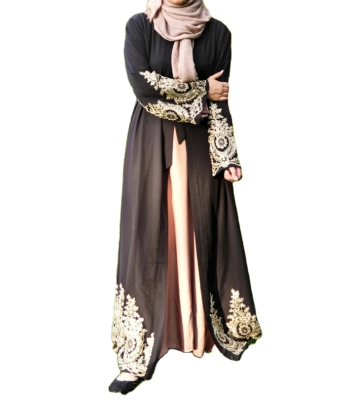
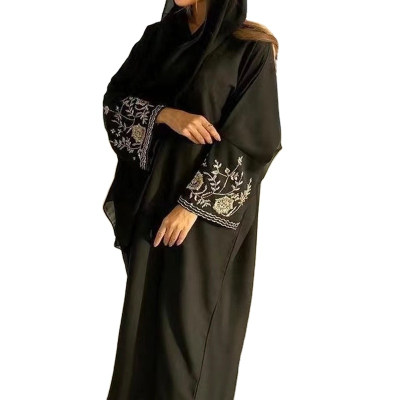
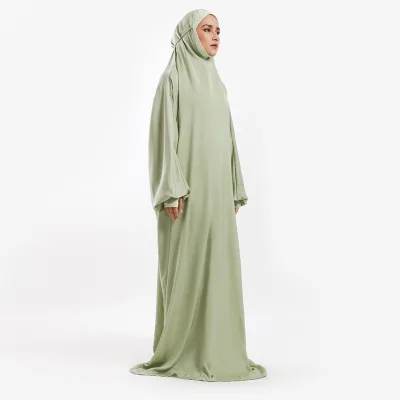
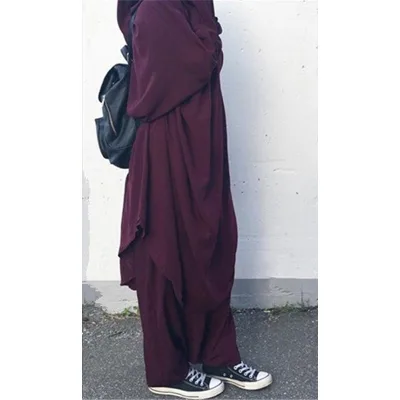
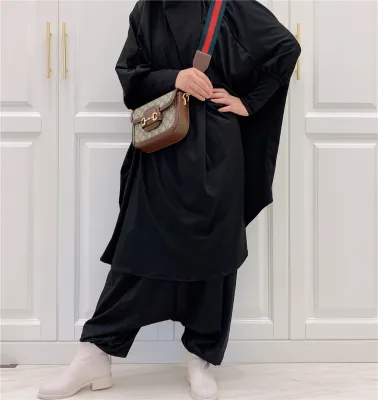
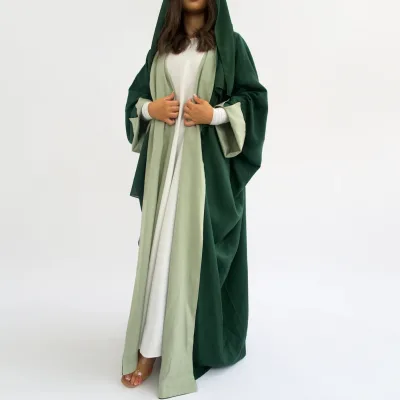
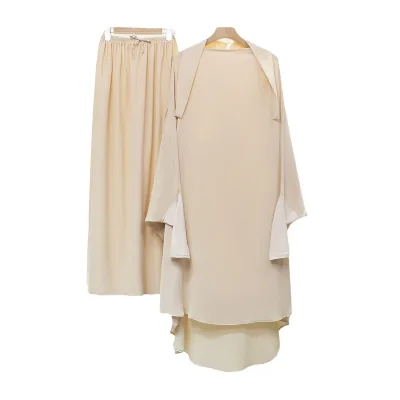
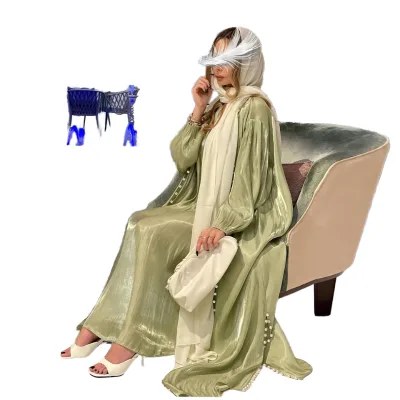
Comprehensive Sourcing Guide
Abaya Sourcing Guide
Sourcing abayas requires a nuanced understanding of both traditional garment construction and modern fast-fashion supply chain dynamics. The Abaya, a loose-fitting, full-length robe typically worn by women in the Middle East and other regions, serves as a staple in modest fashion. Procurement teams must navigate a market that ranges from high-end, hand-beaded ceremonial wear to mass-produced, everyday casual dresses. The core keyword "Abaya" often intersects with related terms such as "kaftan," "musliman," and "chiffon dress," indicating that buyers should prepare for a diverse inventory mix. Successful sourcing begins with clearly defining whether the requirement is for traditional Islamic attire or contemporary modest fashion, as this distinction dictates material selection, supplier expertise, and quality benchmarks.
Buyers must also account for the significant variation in product attributes listed under the broad "Abaya" category. Observed market signals indicate that many listings labeled as abayas are technically casual chiffon dresses with specific silhouettes, such as loose fits or empire waists, rather than strictly traditional garments. This semantic overlap means that procurement specifications must be precise to avoid receiving mismatched inventory. For instance, a buyer seeking a structured, heavy-fabric Abaya may inadvertently receive a lightweight, printed chiffon kaftan if the distinction is not explicitly stated in the purchase order. Therefore, the initial sourcing strategy must prioritize clear communication of design intent, fabric weight, and cultural appropriateness to ensure the final product aligns with the end-user’s expectations.
Product Scope and Observed Listing Signals
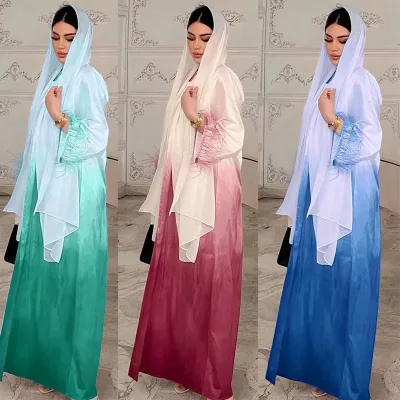
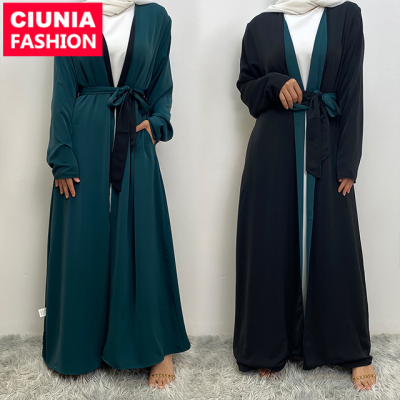
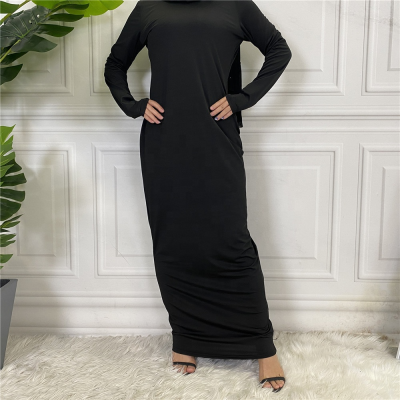
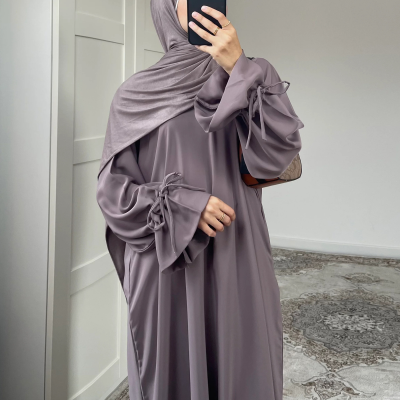
The current market landscape for abayas and related modest wear exhibits a wide spectrum of product types, materials, and manufacturing origins. Data indicates that a significant portion of available inventory originates from Guangdong, China, a major hub for textile and apparel manufacturing. These products often feature materials such as chiffon, which is prized for its breathability and lightweight drape, making it suitable for summer wear. The observed product range includes items described as "kaftan dresses," "casual dresses," and "abbaya kaftans," suggesting that many suppliers offer versatile garments that blend traditional modesty with modern fashion elements. Buyers should recognize that "Abaya" in this context may encompass a variety of styles, including maxi-length dresses with three-quarter or cap sleeves, rather than a single uniform design.
Specific product attributes observed in the market highlight the importance of detailed specification verification. Common features include O-necklines, loose silhouettes, and empire waists, which cater to comfort and modesty requirements. The color palette often includes solid options like blue, as well as printed patterns that align with current fashion trends. Additionally, technical details such as beading, silk screen printing, and specific packaging methods (e.g., OPP bags or plastic boxes) are frequently cited. These details are not merely aesthetic; they impact the perceived value, shipping volume, and retail presentation of the product. Buyers must scrutinize these attributes to ensure they match their target market’s preferences, particularly when dealing with in-stock items that may have limited customization options.
Technical Specifications to Verify
Verifying technical specifications is critical to ensuring that the ordered abayas meet quality and functional standards. Key areas of focus include fabric composition, construction techniques, and dimensional accuracy. The material is often listed as chiffon, but buyers must confirm the weight and weave density, as these factors influence durability and opacity. For example, a lightweight chiffon may require lining, whereas a heavier weave might stand alone. Additionally, the weaving method, whether knitted or woven, affects the garment’s stretch and recovery properties. Buyers should request fabric swatches to assess hand feel, colorfastness, and shrinkage potential before committing to large orders. This step is essential to prevent issues such as excessive wrinkling or color bleeding during washing, which are common complaints in low-quality chiffon garments.
Construction details and finishing techniques also require rigorous verification. Attributes such as beading, embroidery, and printing methods (e.g., silk screen) add value but introduce potential points of failure. Buyers must inspect the security of bead attachments and the clarity of printed designs to ensure they withstand normal wear and tear. Sleeve styles, such as three-quarter or cap sleeves, and neckline finishes, like O-necks, must be measured against size charts to ensure consistency across sizes. Furthermore, packaging specifications, including single package dimensions and gross weight, are vital for logistics planning. Inaccurate packaging data can lead to unexpected shipping costs and storage issues. Buyers should verify that packaging protects the garment from damage, especially for delicate items with beading or intricate prints.
Compliance and Safety Documentation
Compliance and safety documentation are non-negotiable components of the sourcing process, particularly when importing apparel into regulated markets. Buyers must ensure that suppliers provide relevant test reports and certificates that verify the safety of the materials used. For garments made from chiffon or other synthetic fabrics, this includes testing for harmful substances such as azo dyes, formaldehyde, and heavy metals. Additionally, flammability standards may apply, depending on the destination country. Buyers should request these documents from the supplier and verify their authenticity with accredited third-party laboratories. This due diligence helps mitigate legal risks and ensures that the products meet the safety expectations of consumers and regulatory bodies.
Labeling and care instructions are another critical aspect of compliance. Garments must be accurately labeled with fiber content, country of origin, and care instructions to comply with local labeling laws. For abayas and modest wear, which may be marketed as eco-friendly or breathable, buyers must ensure that these claims are substantiated by appropriate certifications or test data. Misleading claims can result in regulatory penalties and damage to brand reputation. Buyers should also verify that the supplier adheres to ethical labor practices, as this is increasingly important to consumers and investors. Requesting social compliance audits or certifications can provide assurance that the garments are produced in safe and fair working conditions.
Cost Drivers and Commercial Terms
Understanding the cost drivers and commercial terms is essential for effective budgeting and negotiation. The price of abayas is influenced by factors such as material quality, design complexity, and order volume. For instance, garments with intricate beading or custom printing will command higher prices than plain, mass-produced items. The observed price range for similar products varies significantly, reflecting differences in quality and supplier positioning. Buyers should analyze these price points in the context of their target margin and market positioning. Additionally, the Minimum Order Quantity (MOQ) is a critical commercial term that affects inventory management and cash flow. Suppliers may offer lower MOQs for in-stock items but require higher volumes for custom designs.
Lead times and payment terms also play a significant role in the commercial equation. Sample order lead times, such as the seven-day support mentioned in some listings, can impact time-to-market for new collections. Buyers must factor in production lead times, shipping duration, and customs clearance when planning their inventory replenishment. Payment terms, such as deposits and balance payments, should be negotiated to align with the buyer’s cash flow cycle. Additionally, buyers should clarify responsibilities for shipping costs, insurance, and risk transfer under Incoterms. Clear commercial terms help prevent disputes and ensure a smooth transaction process. Buyers should also consider the cost of customization, such as private labeling or unique packaging, which may incur additional fees.
Supplier Qualification and Quality Control
Supplier qualification and quality control are pivotal to securing a reliable supply chain for abayas. Buyers should conduct thorough due diligence on potential suppliers, assessing their manufacturing capabilities, quality management systems, and track record. This includes verifying business licenses, factory audits, and client references. Suppliers with experience in producing modest wear or similar garments are preferable, as they are likely to have the necessary expertise and equipment. Buyers should also evaluate the supplier’s responsiveness and communication skills, as these factors influence the efficiency of the sourcing process. Establishing a strong relationship with a qualified supplier can lead to better pricing, priority production, and improved problem-solving.
Quality control measures must be implemented at various stages of production to ensure consistency and compliance. Pre-production inspections should verify that materials and components meet specifications. During production, in-line inspections can identify and correct issues early, reducing the risk of defective finished goods. Final random inspections should be conducted before shipment to ensure that the products meet quality standards and packaging requirements. Buyers should define clear acceptance criteria and rejection procedures in their contracts. Additionally, implementing a feedback loop with suppliers can help drive continuous improvement. By investing in robust quality control processes, buyers can minimize defects, reduce returns, and enhance customer satisfaction.
Long-Term Procurement Checks
Long-term procurement checks are necessary to maintain supply chain resilience and adapt to market changes. Buyers should regularly review supplier performance metrics, such as on-time delivery rates, defect rates, and responsiveness to issues. This data-driven approach helps identify underperforming suppliers and opportunities for improvement. Additionally, buyers should monitor market trends and consumer preferences to ensure that their product offerings remain relevant. The modest fashion market is dynamic, with evolving styles and materials. Buyers must stay informed about these changes to anticipate demand and adjust their sourcing strategies accordingly. Regular communication with suppliers can also provide insights into new technologies, materials, and design innovations.
Sustainability and ethical sourcing are increasingly important considerations for long-term procurement. Buyers should assess their suppliers’ efforts to reduce environmental impact and improve labor conditions. This may involve transitioning to eco-friendly materials, such as recycled chiffon, or supporting suppliers with strong social compliance records. Buyers should also consider the lifecycle of the products, including end-of-life disposal and recycling options. By integrating sustainability into their procurement strategy, buyers can enhance brand value and meet the growing demand for responsible fashion. Finally, buyers should diversify their supplier base to mitigate risks associated with geopolitical, logistical, or operational disruptions. A resilient supply chain is essential for long-term success in the competitive Abaya market.
FAQs
What materials are used for the Abaya dresses?
The Abaya dresses are primarily made from chiffon fabric. This material is lightweight and breathable, suitable for summer wear. The product features beading decoration and a loose silhouette to ensure comfort for adult women.
Can I order a sample of the Abaya with a short lead time?
Yes, a sample order lead time of 7 days is supported for this product. Buyers can request samples to verify quality before placing larger orders. The product is available as an in-stock item with customizable options.
Which packaging options are available for the Abaya shipment?
Packaging options include plastic boxes, trays, or customer-specific requirements. Individual items are often packed in one OPP bag within a carton. The single package size is 15 by 10 by 4 cm with a gross weight of 0.650 kg.
What is the minimum order quantity for the Abaya dresses?
The minimum order quantity ranges from 1 to 10,000 units depending on the specific supplier configuration. The product listing indicates an available quantity of 10,000 units. Buyers can negotiate based on their specific volume needs.
How is the Abaya dress styled for summer occasions?
The dress is designed as a casual maxi standard length with a loose silhouette. It features an O-neckline, three-quarter sleeves, and a simple print pattern. The chiffon material ensures breathability for warm summer weather.
Where is the Abaya product manufactured and what is the origin?
The product originates from Guangdong, China. This location is a known hub for textile manufacturing. The goods are supplied as in-stock items ready for immediate dispatch from the specified region.
What customization services are offered for the Abaya design?
Customization is available for the Abaya dresses to meet specific buyer requirements. Buyers can request custom packaging or specific model numbers like LAY53 or LAY07. The product supports various printing methods including silk screen printing.