Source AC Lens Pet Sunglasses for Dogs, Cats, and Outdoor Use
Source AC Lens Pet Sunglasses for dogs, cats, and outdoor activities. Compare 30 models with PC frames, UV protection, and waterproof features. Options include polarized lenses, custom colors, and OEM services for bulk orders; compare the available evidence and request quotations based on your requirements.
Key considerations
Products List




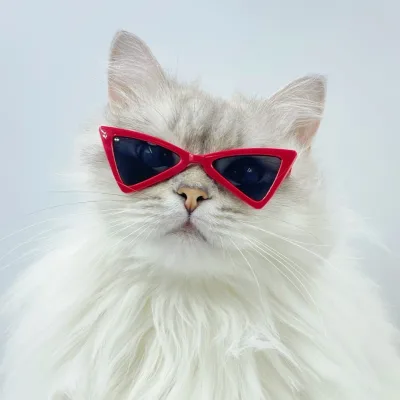
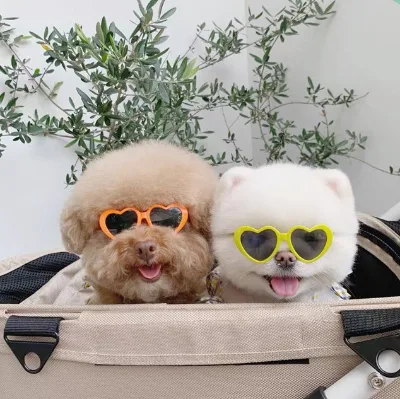
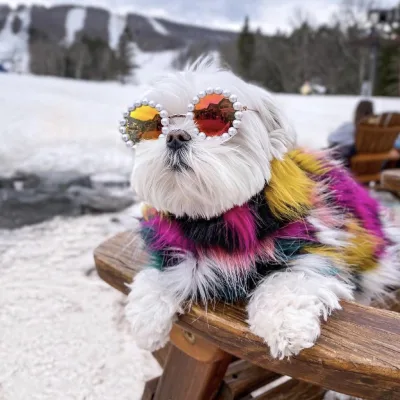
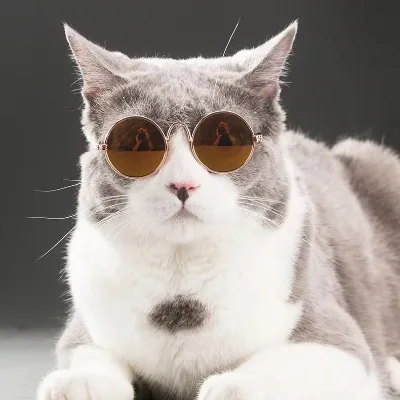
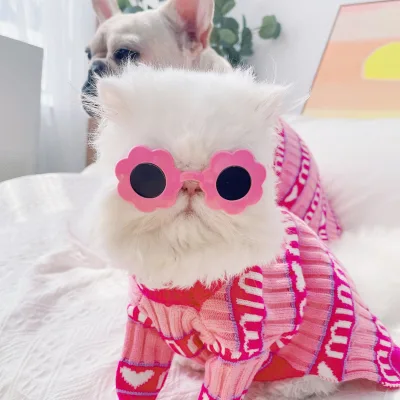
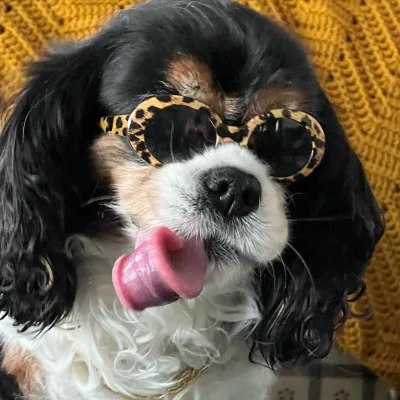
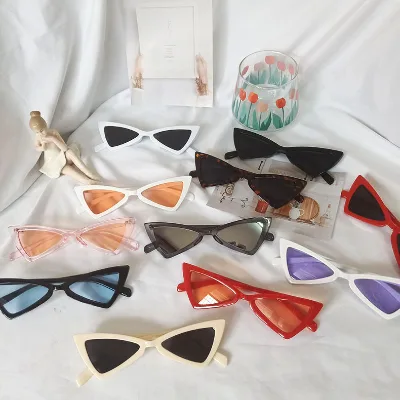

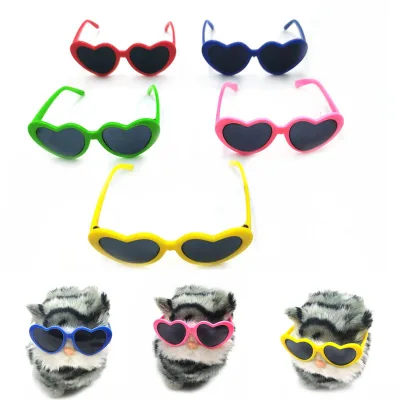


Comprehensive Sourcing Guide
AC Lens Pet Sunglasses Sourcing Guide
Sourcing protective eyewear for dogs requires balancing optical clarity with durable, impact-resistant materials. The observed product range indicates a strong market presence for pet-specific goggles, with listings highlighting features such as waterproof and coldproof functionality. Buyers must verify that the lens material, often polycarbonate (PC), provides adequate UV protection and high-definition visibility. The presence of multiple model numbers, such as 3028, 3005, and 3032, suggests a variety of frame designs and sizes available from suppliers. It is critical to confirm that the "ac lens" designation aligns with the actual material specifications provided by the manufacturer, ensuring the product meets the functional needs of active pets.
Commercial terms vary significantly across the observed listings, with minimum order quantities (MOQ) ranging from single pieces to thousands for custom color orders. Suppliers frequently offer OEM services and custom logo printing, which is essential for brands looking to create proprietary pet accessories. The observed price range of $0.35 to $6.00 USD reflects differences in packaging, lens quality, and frame complexity. Buyers should carefully evaluate the sample time, typically around seven days, and delivery windows of three to seven days to align with inventory planning. Understanding these commercial variables helps in selecting a supplier that matches both budget constraints and brand customization requirements.
Product Scope and Observed Listing Signals
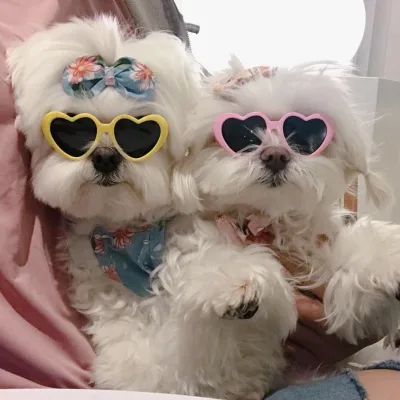
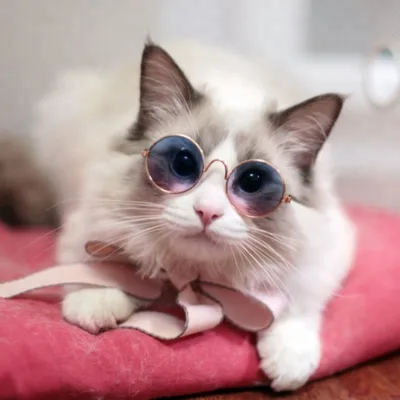
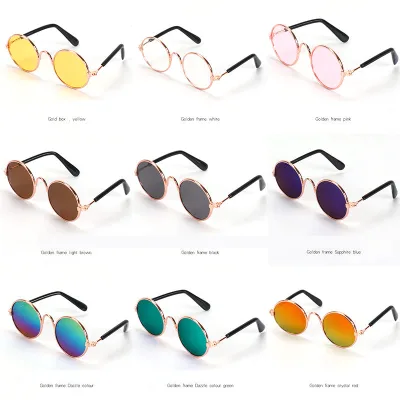
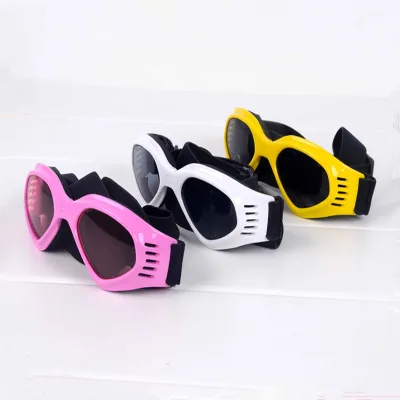
The current market for pet sunglasses includes a diverse array of styles, from casual everyday wear to specialized protective gear. Observed listings emphasize features like HD vision and UV protection, which are critical for maintaining canine eye health during outdoor activities. The product attributes indicate a focus on unisex designs suitable for adult dogs, with frame colors ranging from standard black and white to vibrant options like red, blue, and purple. The inclusion of "love shape" designs and trendy aesthetics suggests that manufacturers are targeting pet owners who view accessories as fashion statements as well as functional items. This dual appeal allows buyers to position products in both utility and lifestyle segments of the market.
Packaging and weight specifications provide insight into the logistical considerations for importing these goods. Single package sizes vary, with some items measuring 18x11x10 cm and weighing up to 0.500 kg, while others are more compact at 10x8x6 cm. The use of OPP bags and polybags for individual units, with bulk packing in inner boxes and cartons, is standard practice. Buyers should note that packaging can often be customized to meet specific retail or branding needs. The observed weight variations, ranging from 60g to 100g per unit, impact shipping costs and must be factored into the total landed cost calculation. Accurate weight data is essential for optimizing freight strategies and ensuring competitive pricing in the final market.
Technical Specifications to Verify
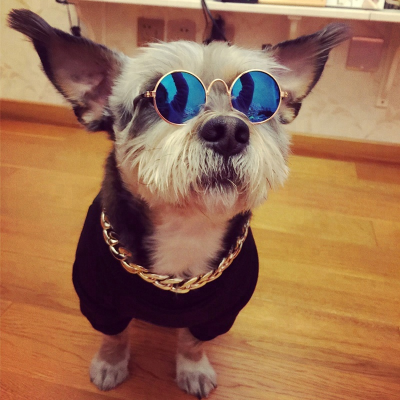
Verifying the technical integrity of pet sunglasses is paramount to ensuring product safety and performance. The frame material is frequently listed as polycarbonate (PC), which offers high impact resistance and lightweight durability. Buyers must confirm that the lenses provide true UV protection and, where specified, polarized mirror coatings to reduce glare. The observed optical attributes, such as "Polarized Mirror," require validation through independent testing to ensure they meet claimed standards. Additionally, the fit and adjustability of the goggles are crucial; the presence of multiple sizes and customizable color options indicates an effort to accommodate different dog breeds. Ensuring a secure fit prevents the goggles from falling off during activity, which is a common consumer complaint.
Model numbers and standard dimensions serve as key identifiers for quality control and inventory management. Models like 3005, 3009, and P1003 represent distinct designs, each with specific standard sizes such as 15x10 cm or 17x7 cm. Buyers should request detailed technical drawings or physical samples to verify that the dimensions match the intended dog head sizes. The "customized" attribute suggests that manufacturers can alter colors or designs based on order volume, typically starting at 1000 pieces. It is important to clarify whether these customizations affect the structural integrity or optical quality of the product. Consistency in manufacturing across different model numbers is essential for maintaining brand reputation and customer satisfaction.
Compliance and Safety Documentation
Ensuring that pet sunglasses comply with relevant safety and material standards is a critical step in the sourcing process. While specific certification statuses are not explicitly detailed in the observed listings, buyers should request documentation confirming that the polycarbonate frames and lenses are free from harmful substances like BPA or phthalates. The "high quality" claims made by suppliers must be substantiated by test reports demonstrating impact resistance and optical clarity. Buyers should verify that the products meet the safety regulations of their target markets, particularly regarding small parts and choking hazards. Although the products are designed for adult dogs, ensuring that the materials are non-toxic and durable is essential for long-term use.
Documentation regarding the origin and manufacturing standards of the products provides additional assurance of quality. The observed origin is China, a major hub for eyewear manufacturing, but buyers should inquire about the specific factory standards and quality control processes in place. Requesting a certificate of conformity or a material safety data sheet (MSDS) can help verify that the products meet international safety benchmarks. Additionally, buyers should confirm that the packaging materials are recyclable or meet environmental regulations in their destination country. Transparent documentation not only mitigates legal risks but also enhances the brand's credibility with environmentally conscious consumers.
Cost Drivers and Commercial Terms
The cost structure of pet sunglasses is influenced by several factors, including material quality, customization options, and order volume. The observed price range of $0.35 to $6.00 USD reflects the spectrum from basic, unbranded units to premium, custom-designed products. High MOQs, such as 1000 pieces for custom colors, typically result in lower per-unit costs, while low MOQs of one piece are suitable for sampling or small boutique orders. Buyers should analyze the total cost of ownership, including shipping, tariffs, and potential returns due to fit issues. Understanding the cost drivers helps in negotiating better terms and selecting the most cost-effective supplier for the intended market segment.
Payment terms and delivery times are key components of the commercial agreement. Suppliers often accept TT or PayPal payments, with sample times around seven days and delivery times of three to seven days. These lead times can vary based on order complexity and production capacity. Buyers should establish clear communication channels to monitor production progress and ensure timely delivery. Negotiating favorable payment terms, such as partial upfront payment and balance upon shipment, can help manage cash flow. Additionally, understanding the supplier's policy on defects and returns is crucial for mitigating financial risk. A transparent and flexible commercial relationship fosters long-term partnership and operational efficiency.
Supplier Qualification and Quality Control
Selecting a reliable supplier involves rigorous qualification and quality control measures. Buyers should verify the supplier's experience in manufacturing pet accessories and their ability to handle OEM requests. The observed acceptance of OEM services and custom logos indicates a level of flexibility and customer focus. It is essential to conduct factory audits or request references to assess the supplier's production capabilities and quality management systems. Checking for consistent product quality across different batches is crucial, as variations in frame fit or lens clarity can lead to customer dissatisfaction. A supplier with a robust quality control process will minimize defects and ensure that products meet the specified standards.
Implementing a comprehensive quality control plan is vital for maintaining product integrity. Buyers should define clear acceptance criteria for visual defects, dimensional accuracy, and functional performance. Requesting pre-shipment inspections or third-party quality audits can provide an additional layer of assurance. The observed packaging details, such as 12 pieces per inner box and 300 pieces per carton, should be verified to ensure they meet logistical requirements. Establishing a feedback loop with the supplier to address any quality issues promptly is essential for continuous improvement. A proactive approach to quality control helps build trust and ensures that the final product meets the expectations of the end consumer.
Long-Term Procurement Checks
Sustaining a successful procurement relationship requires ongoing monitoring and evaluation of supplier performance. Buyers should regularly review key performance indicators (KPIs) such as on-time delivery, product quality, and responsiveness to issues. The observed sample time and delivery windows should be consistently met to maintain inventory levels and customer satisfaction. Establishing a long-term contract with clear terms and conditions can provide stability and predictability for both parties. Regular communication and collaboration on product improvements or new designs can help keep the product line competitive and relevant in the market. A strategic approach to supplier management fosters a resilient supply chain.
Adapting to market trends and consumer preferences is essential for long-term success in the pet accessories sector. Buyers should stay informed about emerging trends in pet fashion and functionality, such as new lens technologies or ergonomic frame designs. The observed variety of colors and styles indicates a dynamic market that rewards innovation and customization. Continuously evaluating the product portfolio and seeking opportunities for differentiation can help maintain a competitive edge. Additionally, monitoring regulatory changes and sustainability trends ensures that the product line remains compliant and appealing to modern consumers. A forward-thinking procurement strategy enables businesses to capitalize on new opportunities and mitigate risks effectively.
FAQs
What customization options are available for these pet sunglasses?
Customization is available for these pet sunglasses, allowing buyers to request specific colors. The product page indicates a 1000-piece minimum order quantity for custom color requests. OEM services are also acceptable, enabling brands to add their own logos to the frames or lenses for a tailored look.
How much does the minimum order quantity vary for these items?
The minimum order quantity varies significantly depending on the specific product model and customization needs. Some listings accept a single piece as the minimum, while others require 1000 pieces for custom color changes. The observed range across all products spans from one unit up to 2400 units for bulk orders.
Which materials are used to construct the frames of these sunglasses?
The frames of these sunglasses are constructed from PC material, which offers durability and lightweight properties. This material choice supports the product's function as waterproof and coldproof eyewear suitable for dogs. The frames come in various colors including red, blue, purple, and green to match different pet styles.
Can buyers request custom packaging for their bulk orders?
Yes, buyers can request custom packaging for their bulk orders. Standard packaging details include one piece per polybag, twelve pieces per inner box, and three hundred pieces per carton. However, the supplier explicitly states they can pack according to specific buyer requests to meet unique logistical or branding requirements.
What is the typical sample time for these pet sunglasses?
The typical sample time for these pet sunglasses is seven days. This duration allows buyers to evaluate product quality before committing to larger orders. The delivery time for bulk orders is generally between three to seven days, ensuring a relatively quick turnaround for both samples and finished goods.
Which lens optical attributes are offered for these sunglasses?
The lenses offer polarized mirror optical attributes to provide eye protection and reduce glare. Additional features include HD clarity and UV protection, ensuring safety for pets during outdoor activities. The lenses are available in multiple color codes ranging from C1 to C9 to suit various aesthetic preferences.
How do the product dimensions differ across the available models?
Product dimensions differ across models, with standard sizes ranging from 15 by 10 centimeters to 18 by 8 centimeters. Specific models like 3005 and 3032 have distinct size specifications. The single package size for some items is 18 by 11 by 10 centimeters, while others are packed in smaller 10 by 8 by 6 centimeter batches.