Source adjustable non-tilted orthopedic shoes for flat feet, diabetic care, and leg alignment
Explore 24 listings of adjustable non-tilted orthopedic shoes designed for flat feet, diabetic patients, and those with X-shaped or O-shaped legs. Buyers can compare features like non-slip soles, breathable uppers, and built-in 3D insole technology across multiple models from Chinese manufacturers.
Key considerations
Products List


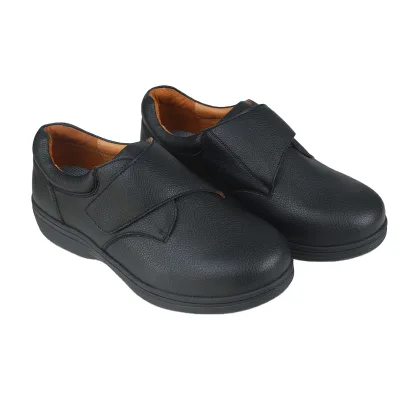
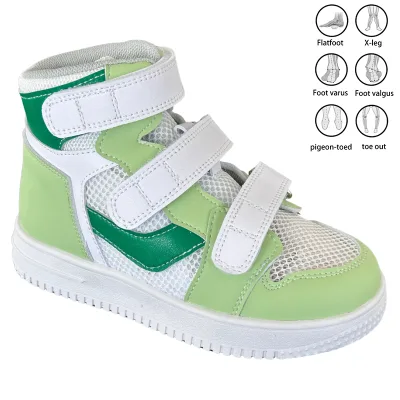


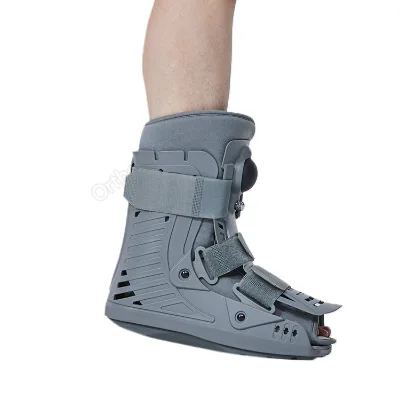


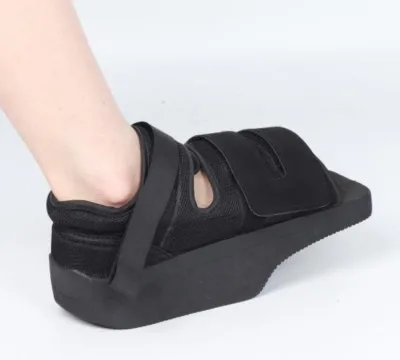
Arch Support Diabetic Shoes with Removable Orthopedic Insole Healing Flat Feet
$18.00 - $29.00
MOQ: 500 Pairs

Comprehensive Sourcing Guide
Sourcing Strategy for Adjustable Non-Tilted Orthopedic Footwear
The global demand for specialized footwear designed to address specific biomechanical challenges has driven a significant expansion in the orthopedic shoe market. For procurement professionals targeting adjustable non-tilted orthopedic shoes, the selection process requires a rigorous understanding of product attributes, material science, and regulatory compliance. These shoes are engineered to provide stability and support without introducing angular displacement, making them critical for individuals with flat feet, X-shaped legs, or O-shaped legs. The sourcing landscape is characterized by a diverse range of manufacturers, primarily concentrated in China, offering products that range from general orthopedic support to specialized diabetic care. This guide outlines the essential factors buyers must evaluate to ensure the acquisition of high-quality, compliant, and cost-effective footwear solutions.
Technical Specifications and Material Composition
When evaluating adjustable non-tilted orthopedic shoes, the primary focus must be on the structural integrity and material composition that facilitate the "non-tilted" design. The core function of these shoes is to maintain a neutral alignment of the foot and ankle. The supplied product data indicates that the upper materials often consist of leather or synthetic leather, chosen for their durability and ability to be molded or adjusted to the wearer's foot shape. Leather is frequently cited as a primary material, offering the necessary breathability and structural strength required for long-term wear.
The sole construction is equally critical. The observed specifications highlight the use of EVA (Ethylene Vinyl Acetate) as the sole material. EVA is preferred in orthopedic applications due to its lightweight nature and excellent shock-absorbing properties. The soles are described as having non-slip and wear-resistant features, which are essential for safety and longevity. Furthermore, the presence of a built-in 3D insole technology is a key differentiator in this category. This technology is designed to provide custom contouring for the foot, addressing issues related to arch support and pressure distribution.
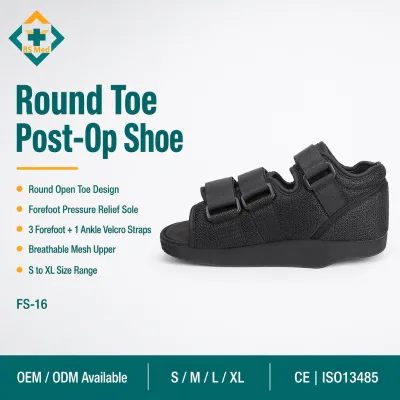
The toe style is predominantly round, which accommodates various foot deformities and reduces pressure on the toes, a common requirement for diabetic and orthopedic patients. The product models identified in the market data, such as BLOS, BGOS, and BWGOS, suggest a variety of specific designs, but the unifying technical thread is the emphasis on a flat, stable platform. The lining material is often noted as breathable fabric, ensuring that the internal environment remains comfortable and reduces the risk of skin irritation. Buyers should verify that the specific model they select offers the "adjustable" feature, which typically involves straps, laces, or Velcro closures that allow for width and volume customization without altering the shoe's geometric tilt.
Compliance, Certification, and Regulatory Standards
Navigating the regulatory landscape is a non-negotiable aspect of sourcing medical and orthopedic footwear. The product data explicitly mentions certifications such as ISO13485 and ISO9001. ISO13485 is the international standard for quality management systems specific to medical devices, indicating that the manufacturer has established processes to ensure the safety and efficacy of their products. ISO9001, while a general quality management standard, reinforces the manufacturer's commitment to consistent production processes.
For buyers targeting markets in Europe or North America, verifying compliance with local regulations is paramount. While the supplied data notes a low-confidence background reference to CE certification, buyers must independently confirm the current status of CE marking for any specific model intended for the European market. The CE mark indicates conformity with health, safety, and environmental protection standards for products sold within the European Economic Area. Similarly, products intended for the US market may require FDA registration if they are classified as medical devices.
The product standards listed in the data vary, with some entries referencing "Leather and mesh" or "Leather" as standards, which likely refer to material composition standards rather than regulatory ones. However, the mention of "No. 39-43" in the standard field suggests specific sizing or batch standards that buyers should cross-reference with their target market's sizing requirements. It is crucial to request the actual certificate documents from the supplier rather than relying on marketing claims. The "Diabetic" function listed in the attributes implies that the shoes are designed to meet specific criteria for diabetic patients, which often includes extra depth, seamless interiors, and non-constrictive materials to prevent ulcers.
Cost Drivers and Pricing Dynamics
The pricing for adjustable non-tilted orthopedic shoes is influenced by several factors, including material quality, certification status, and the complexity of the manufacturing process. The observed price range in the market spans from $5.50 to $100.00 USD. This wide variance reflects the difference between basic orthopedic models and high-end, specialized diabetic or medical-grade footwear. The lower end of the price spectrum likely corresponds to standard orthopedic shoes with basic EVA soles and synthetic uppers, while the higher end includes models with advanced 3D insole technology, genuine leather uppers, and comprehensive certifications.
MOQ (Minimum Order Quantity) is another significant cost driver. The data indicates an MOQ range of 1 to 1000 units. Suppliers with lower MOQs may charge a higher unit price due to the inefficiencies of small-batch production. Conversely, bulk orders of 1000 pairs or more often benefit from economies of scale, reducing the per-unit cost. Buyers must balance their inventory needs with their budget constraints. The "Stock" status mentioned in the data suggests that some suppliers offer ready-to-ship items, which can reduce lead times but may limit customization options.
Customization is a major factor in pricing. The data confirms that customization is available and that OEM/ODM services are acceptable. Customizing the shoe model, such as altering the width, adding specific branding, or modifying the insole technology, will inevitably increase the cost. The "Supply Ability" of 1,000,000 pairs per month indicates that large-scale manufacturers can handle significant volume, but the cost implications of customizing such large batches must be carefully calculated. Buyers should also consider the packaging costs, as the data notes that products are packed in cartons, often with 10 pairs per carton, which affects shipping logistics and overall landed cost.
Typical Applications and Target Demographics
Adjustable non-tilted orthopedic shoes serve a diverse range of medical and lifestyle applications. The primary target demographic includes individuals with flat feet, X-shaped legs, and O-shaped legs. These conditions require footwear that can correct or accommodate the misalignment without causing further strain on the joints. The "non-tilted" design is particularly beneficial for these users as it ensures that the foot remains in a neutral position, promoting proper gait and reducing the risk of secondary injuries.
Another significant application area is diabetic care. The data explicitly lists "Diabetic" as a function and "Diabetic shoes" as a keyword. Diabetic patients often suffer from neuropathy and poor circulation, making them highly susceptible to foot ulcers and infections. Orthopedic shoes designed for this demographic feature seamless interiors, extra depth, and soft, breathable linings to minimize friction and pressure points. The "Ankle Foot Protect" feature mentioned in the data further enhances safety for users with balance issues or those prone to falls.
The versatility of these shoes is also highlighted by the seasonal availability. While some models are designated for summer, others are suitable for all four seasons (Spring, Summer, Autumn, Winter). This versatility allows buyers to stock a range of products that can meet the needs of customers year-round. The "Totem" element mentioned in the data suggests that some designs may incorporate cultural or aesthetic motifs, appealing to a broader consumer base beyond just medical necessity. The "Unisex" attribute indicates that these shoes are designed to fit a wide range of users, regardless of gender, which simplifies inventory management for retailers.
Supplier Evaluation and Selection Criteria
Selecting the right supplier is critical to ensuring the quality and reliability of the sourced footwear. The data indicates that the primary place of origin for these products is China, with specific mentions of Hebei and Fujian provinces. These regions are known for their manufacturing capabilities in the footwear industry. When evaluating suppliers, buyers should prioritize those who hold valid ISO13485 and ISO9001 certifications. These certifications are strong indicators of a manufacturer's ability to maintain consistent quality and adhere to medical device standards.
The ability to provide OEM and ODM services is another key criterion. The data confirms that suppliers are open to customization, which is essential for buyers looking to brand the products or modify them for specific market needs. Buyers should assess the supplier's "Supply Ability," which is listed as 1,000,000 pairs per month. This capacity suggests that the supplier can handle large orders, but it is also important to verify their actual production capacity and lead times for custom orders.
The "Service" attribute, which includes OEM/ODM/CUSTOMIZATION Service, indicates a commitment to customer support. Buyers should inquire about the supplier's after-sales support, including warranty policies and return procedures. The "Stock" status is also a useful indicator; suppliers with available stock can offer faster delivery for standard orders, while those focused on custom production may require longer lead times. Buyers should also verify the "Single package size" and "Product packing" details to ensure that the logistics of shipping and warehousing are manageable.
Quality Control and Long-Term Procurement Considerations
Implementing a robust quality control (QC) process is essential for mitigating risks associated with sourcing orthopedic footwear. Given the medical nature of these products, even minor defects can have significant consequences for the end-user. Buyers should establish clear QC checkpoints that cover material inspection, assembly quality, and final product testing. The "Non-Slip and Wear-Resistant Sole" feature must be verified through physical testing to ensure it meets the required safety standards. Similarly, the "Breathable" and "Lightweight" attributes of the upper material should be validated to ensure they meet the comfort expectations of the target market.
Long-term procurement considerations involve building a sustainable relationship with suppliers. The data shows that suppliers offer "OEM and ODM" services, which implies a level of partnership beyond simple transactional exchanges. Buyers should focus on suppliers who demonstrate flexibility and a willingness to adapt to changing market demands. The "Customization" availability is a key factor in this regard, as it allows buyers to differentiate their product offerings and respond to specific customer needs.
Additionally, buyers should consider the environmental impact of their sourcing decisions. The use of "Leather" and "Synthetic Leather" raises questions about sustainability and ethical sourcing. While the data does not provide specific details on the sourcing of these materials, buyers should inquire about the supplier's policies regarding animal welfare and the use of eco-friendly alternatives. The "Carton" packaging mentioned in the data should also be evaluated for recyclability and environmental impact.
In conclusion, sourcing adjustable non-tilted orthopedic shoes requires a comprehensive approach that balances technical specifications, regulatory compliance, cost efficiency, and supplier reliability. By focusing on the key attributes identified in the market data, such as the 3D insole technology, EVA soles, and ISO certifications, buyers can make informed decisions that meet the needs of their customers while maintaining high standards of quality and safety. The diverse range of models and the availability of customization options provide ample opportunities for buyers to build a competitive and profitable product line in the orthopedic footwear market.
Comparative Analysis of Product Attributes
To assist buyers in making informed decisions, the following table summarizes the key attributes observed in the market data for adjustable non-tilted orthopedic shoes. This comparison highlights the variations in materials, certifications, and functional features that buyers should consider during the sourcing process.
| Attribute Category | Observed Value | Relevance to Procurement |
|---|---|---|
| Material (Upper) | Leather, Synthetic Leather | Determines durability, breathability, and adjustability. |
| Material (Sole) | EVA | Provides shock absorption and lightweight properties. |
| Certification | ISO13485, ISO9001 | Essential for medical device compliance and quality assurance. |
| Function | Diabetic, Orthopedic | Defines the target medical condition and required features. |
| Adjustability | Available (Straps/Laces) | Critical for fitting flat feet, X/O-shaped legs. |
| Insole Tech | Built-in 3D Insole | Enhances arch support and pressure distribution. |
| Seasonality | Summer, Winter, Spring, Autumn | Influences inventory planning and product variety. |
| Origin | China (Hebei, Fujian) | Affects shipping costs and lead times. |
| MOQ Range | 1 - 1000 | Impacts initial investment and cash flow. |
| Price Range | $5.50 - $100.00 USD | Reflects quality tiers and feature sets. |
This table serves as a quick reference for buyers to compare different product offerings and identify the most suitable options for their specific procurement needs. By carefully analyzing these attributes, buyers can ensure that they source products that not only meet the technical requirements of adjustable non-tilted orthopedic shoes but also align with their business goals and customer expectations.
FAQs
Can I find adjustable non-tilted orthopedic shoes with ISO13485 certification?
Yes, some models in this category hold ISO13485 and ISO9001 certifications for medical device quality management. Buyers should verify specific certificate documents from suppliers to ensure compliance before placing orders for diabetic or orthopedic needs.
What materials are used for the uppers of these orthopedic shoes?
The uppers are commonly made from leather or synthetic leather to ensure durability and moldability. Some products also feature breathable fabric linings to maintain comfort and reduce skin irritation for users with sensitive feet or diabetes.
Which sole materials provide the best shock absorption for these shoes?
EVA is the primary sole material used because it offers excellent shock absorption and lightweight properties. These soles are designed with non-slip and wear-resistant features to ensure safety and longevity during daily use for various foot conditions.
How does the MOQ vary for customizing these orthopedic footwear products?
The minimum order quantity ranges from one unit to one thousand units depending on the supplier and customization level. Stock items may have lower thresholds, while custom OEM or ODM orders typically require higher volumes to justify production costs.
Can these shoes be customized for specific foot deformities like flat feet?
Yes, customization is available to accommodate specific conditions such as flat feet, X-shaped legs, and O-shaped legs. Buyers can request adjustments to width or insole technology, though this may affect the unit price and lead time significantly.
What is the typical price range for sourcing these medical grade shoes?
The observed price range spans from 5.50 to 100.00 USD per pair based on material quality and features. Basic models with synthetic uppers cost less, while specialized diabetic shoes with 3D insole technology and genuine leather command higher prices.
Which regions in China are the primary origins for these orthopedic manufacturers?
Manufacturers are primarily located in Hebei and Fujian provinces within China. These regions are known for their footwear production capabilities and often supply products that meet international standards for medical and orthopedic footwear applications.