Source Adjustable Plastic Deck Support Brackets for Decoration, Structural, and Functional Uses
Find 30 Adjustable Plastic Deck Support Brackets for decoration parts, structural components, and functional applications. Compare profiles, materials, and customization options from verified suppliers in China.
Key considerations
Products List



Comprehensive Sourcing Guide
Strategic Sourcing Guide for Adjustable Plastic Deck Support Brackets
Understanding Product Variants and Core Material Specifications
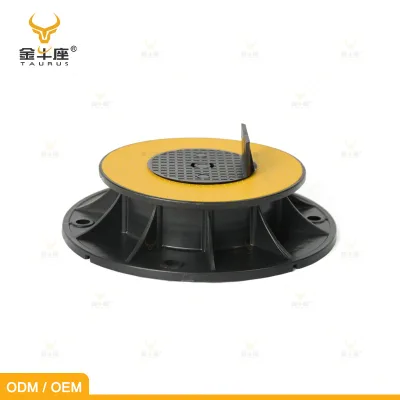
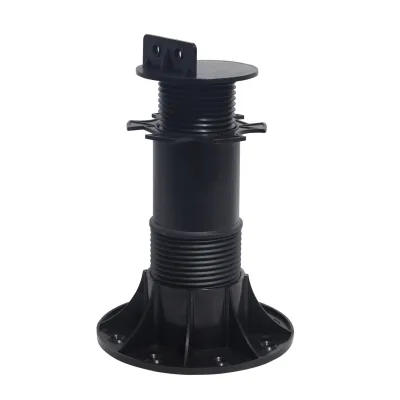
When initiating a procurement strategy for Adjustable Plastic Deck Support Brackets, buyers must first navigate the significant variance in material composition and manufacturing processes observed in the current market. The core keyword often encompasses products ranging from pure polypropylene (PP) solutions to metal-composite systems, each serving distinct structural needs. Based on available market data, a primary category of these supports utilizes Polypropylene (PP) as the base material. This material is selected specifically for its inherent chemical resistance, making it suitable for environments where moisture, salts, or cleaning agents are present. These PP-based units are typically produced via injection molding, a process that ensures high dimensional consistency and allows for the creation of complex geometries required for adjustability.
In contrast, other segments of the market offer brackets constructed from SPCC (Cold Rolled Carbon Steel) or Stainless Steel. These metal variants often feature surface treatments such as powder coating or brushing to enhance corrosion resistance and aesthetic appeal. The thickness of these metal components can vary significantly, with observed ranges extending from 1mm to 50mm, indicating a broad spectrum of load-bearing capabilities. It is critical for the buyer to distinguish between these material classes early in the sourcing process, as the application dictates the material choice. For instance, while PP supports are ideal for lightweight, corrosion-prone outdoor decking, metal supports may be required for heavy-load structural applications or specific industrial environments. The market also presents products with specific model identifiers such as CXM211, CXM201-LG, and ZB1943, which often correlate with specific height ranges or load capacities. Buyers should verify the actual height range for each model, as standards may vary by manufacturer and the listed specifications might be indicative rather than absolute.
Technical Performance and Compliance Standards
Technical compliance is a non-negotiable aspect of sourcing adjustable deck supports, particularly when these components are integral to building and construction projects. The market data indicates a diverse array of standards that products may adhere to, including ASME, JIS Code, China GB Code, EN, and general GB standards. When evaluating potential suppliers, procurement teams must verify that the specific product model they intend to purchase is certified against the relevant standards for their target market. For example, products originating from specific regions like Mengcheng, Anhui, or Hebei, China, may be manufactured to meet local GB codes or international EN standards, but this must be confirmed on a per-product basis.
Furthermore, the precision of these components is often defined by tolerance levels. High-precision variants, particularly those utilizing CNC stamping or extrusion methods, may boast tolerances as tight as +/-0.01mm. This level of precision is vital for ensuring that the adjustable mechanism functions smoothly and that the final deck surface remains level. Buyers should not assume that all "adjustable" brackets meet this tolerance; instead, they must request technical datasheets that explicitly state the dimensional tolerances for the specific model. Additionally, the surface finishing process plays a crucial role in longevity. Whether the product is described as "finished," "powder coated," or "brushed," the buyer must ensure the treatment is compatible with the environmental conditions of the installation site. The presence of certifications such as ISO 9001, SGS, and Ts16949 suggests a commitment to quality management systems, but these certifications apply to the manufacturing process rather than guaranteeing the performance of every single unit without further verification.
Cost Drivers and Procurement Economics
The economics of sourcing Adjustable Plastic Deck Support Brackets are influenced by several dynamic factors, including material costs, customization requirements, and order volume. The observed price range in the market spans from $0.02 to $20.00 USD, a wide disparity that reflects differences in material density, manufacturing complexity, and order quantity. A unit priced at the lower end of this spectrum is likely a standard, non-customized PP component with a high minimum order quantity (MOQ), whereas a unit at the higher end may involve specialized metal alloys, custom surface treatments, or lower production volumes.
MOQ requirements are a significant cost driver. While some suppliers offer flexible terms with small MOQs, potentially as low as 1 unit for sampling, standard commercial orders often require a minimum of 100 sets. This threshold is critical for buyers to plan their inventory and cash flow. Additionally, the customization factor heavily impacts pricing. Products marked as "Customized" or those with specific color requests (beyond standard single colors) will incur higher unit costs and potentially longer lead times. The payment terms also play a role in the overall cost of procurement. A common structure observed involves a 30% deposit followed by a 70% payment upon seeing a copy of the Bill of Lading (B/L). This term requires buyers to manage their working capital effectively, ensuring they have the liquidity to cover the initial deposit while waiting for the goods to be shipped.
Application Scenarios and Functional Requirements
The versatility of adjustable deck support brackets allows them to serve multiple functions across the Building & Construction sector. The primary applications identified include decoration parts, structural components, and functional components. In the context of deck construction, these brackets are essential for leveling uneven ground surfaces, providing a stable base for composite or wooden decking, and facilitating drainage. The "Profiled" nature of many of these products suggests they are designed to interlock or align with specific decking profiles, ensuring a secure and aesthetically pleasing finish.
For structural applications, the load-bearing capacity becomes the primary concern. While the material properties of PP offer excellent chemical resistance, the structural integrity of the bracket must be verified against the expected live and dead loads of the deck. Metal variants, such as those made from SPCC or Stainless Steel, are often preferred for heavy-duty structural applications due to their higher tensile strength. The "Adjustable" feature is particularly valuable in construction scenarios where the substrate is not perfectly level, allowing installers to compensate for grade variations without the need for extensive site preparation. Buyers should assess whether the specific model they are sourcing is rated for the intended load and whether the adjustment mechanism is robust enough to maintain stability over time under dynamic loads.
Supplier Evaluation and Quality Assurance Protocols
Evaluating a supplier for adjustable deck support brackets requires a rigorous assessment of their quality control (QC) protocols and production capabilities. A key indicator of a reliable supplier is the implementation of 100% inspection before shipping. This practice ensures that every unit leaving the factory meets the specified dimensional and functional requirements, reducing the risk of receiving defective goods. Buyers should explicitly ask suppliers to confirm their inspection procedures and request evidence of their QC processes, such as inspection reports or photos of the testing equipment.
The origin of the product is another critical factor in supplier evaluation. Products originating from regions like Mengcheng, Anhui, or Hebei, China, may have different logistical and quality profiles. Buyers should verify the supplier's ability to meet the specific standards required for their market, such as ASME or EN codes. Additionally, the packaging method can serve as a proxy for the supplier's attention to detail. Options range from simple bubble bags and cartons to more robust plastic film, pallets, and plywood cases. For international shipping, the latter options are generally preferred to prevent damage during transit. The sample policy is also a vital tool for evaluation; many suppliers offer free samples, allowing buyers to physically inspect the product quality, finish, and adjustability before committing to a larger order.
Long-Term Procurement and Operational Considerations
Sourcing adjustable deck support brackets is not merely a transactional activity but a strategic decision that impacts long-term project success. Lead times are a significant operational consideration, with observed ranges varying from 10 days to 50 days depending on the product complexity and order volume. Buyers must factor these lead times into their project schedules to avoid delays. A lead time of 10 days may apply to standard, in-stock items, while customized orders or those requiring specific certifications may extend to 30-50 days.
Packaging and logistics also require careful planning. Products are typically packed in boxes, cartons, or on pallets, and the choice of packaging should align with the shipping method and destination. For instance, wooden cases may be required for heavy metal components to ensure safe handling. Furthermore, the "Standard" of the product, which may be listed as "Customized" or adhere to specific height ranges, must be clearly defined in the purchase order to avoid discrepancies. Buyers should establish a clear communication channel with the supplier to confirm that the "actual height range shall prevail" if there are any variations from the initial specification. Finally, the availability of spare parts or replacement units should be considered, especially for large-scale projects where long-term maintenance is a priority. By focusing on these operational details, buyers can ensure a smooth procurement process and a reliable supply chain for their adjustable deck support bracket needs.
Comparative Analysis of Product Attributes
To facilitate a clearer understanding of the market landscape, the following table summarizes the key attributes observed across different product categories. This comparison highlights the diversity in materials, standards, and production methods available to buyers.
| Attribute Category | Category A: Plastic (PP) | Category B: Metal (SPCC/Stainless) | Category C: Custom/High-Precision |
|---|---|---|---|
| Primary Material | PP (Polypropylene) | SPCC, Stainless Steel | Mixed/Custom Materials |
| Manufacturing Process | Injection Molding | CNC Stamping, Extrusion | CNC Stamping, Custom |
| Surface Finish | Finished | Powder Coated, Brushed | Customized |
| Key Properties | Chemical Resistance | High Strength, Corrosion Res. | High Tolerance (+/-0.01mm) |
| Typical Standards | GB, EN | ASME, JIS, EN, GB | Customized |
| Certifications | ISO, SGS | ISO 9001, Ts16949, SGS | ISO 9001, SGS |
| MOQ Range | 100 Sets | 1-10000 | Variable |
| Lead Time | 10 Days | 30-50 Days | Variable |
| Application | Decoration, Structural | Structural, Functional | Specialized/Industrial |
This table underscores the importance of matching the specific product attributes to the project requirements. While Category A offers cost-effective solutions for standard applications, Category B and C provide the necessary strength and precision for more demanding environments. Buyers must carefully weigh these factors to select the most appropriate supplier and product model for their specific needs.
FAQs
What materials are used for Adjustable Plastic Deck Support Brackets?
Polypropylene is the primary material used for these brackets due to its chemical resistance. Some variants also utilize SPCC or stainless steel for heavy-load structural applications requiring higher tensile strength.
Which manufacturing processes are used for these support brackets?
Injection molding is the standard process for plastic units to ensure high dimensional consistency. Metal variants are typically produced using CNC stamping or extrusion methods for precise structural components.
Can buyers obtain free samples before placing a large order?
Yes, suppliers often provide samples for free to allow buyers to inspect quality and adjustability. This policy helps verify the product meets specific height ranges and functional requirements before committing to bulk purchases.
What is the typical lead time for ordering these support brackets?
Lead times generally range from 10 days for standard items to 30-50 days for customized orders. The specific duration depends on the product complexity, customization level, and current production capacity of the manufacturer.
How are the brackets packaged for international shipping?
Packaging options include boxes, cartons, plastic film, and pallets depending on the product type. Heavy metal components often require robust plywood cases to prevent damage during transit and ensure safe handling.
What certifications do manufacturers typically hold for these products?
Common certifications include ISO 9001, SGS, and Ts16949, indicating adherence to quality management systems. Buyers should verify that specific models meet relevant standards like ASME, EN, or GB codes for their target market.
What is the minimum order quantity for these support brackets?
Standard commercial orders often require a minimum of 100 sets, though small MOQs may be possible for sampling. Buyers should confirm specific thresholds as they vary by supplier and product customization requirements.