Source Adjustable Plastic Dumbbell Rack for Home Gym, Community, Commercial
Source Adjustable Plastic Dumbbell Rack options from 30 verified suppliers. Compare models designed for home gyms, community centers, and commercial facilities with varying weights and customization features.
Key considerations
Products List


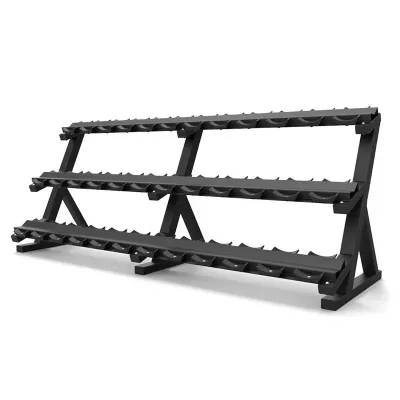


Dumbbell Rack a-Shaped Dumbbell Stand for 4 Pairs of Dumbbells Weight Rack
$12.50 - $16.80
MOQ: 1 pieces
Comprehensive Sourcing Guide
Strategic Sourcing Guide for Adjustable Weight Training Racks
The global fitness equipment market has seen a significant shift toward versatile, space-efficient solutions that cater to both commercial gyms and home users. While the core keyword often points toward specific material compositions, the reality of modern procurement involves a nuanced understanding of structural integrity, certification compliance, and logistical feasibility. Buyers researching adjustable weight training racks must navigate a landscape where product attributes vary significantly between manufacturers. This guide provides a disciplined framework for evaluating suppliers, interpreting technical data, and ensuring that the final procurement aligns with safety standards and operational requirements. The focus remains on evidence-based decision-making, utilizing observed market data to inform strategy without relying on unverified claims.
Technical Specifications and Structural Integrity
When evaluating adjustable weight training racks, the primary technical differentiator lies in the material composition and dimensional specifications. The observed market data indicates a strong preference for steel construction, specifically utilizing oval steel tubes with dimensions such as 60*120 mm. This specific pipe size suggests a design optimized for high load-bearing capacity while maintaining a sleek profile. For buyers, verifying the exact tube thickness and steel grade is critical, as these factors directly influence the rack's ability to support heavy weight stacks, which can range from 80kg to 145kg or be customized further.
Dimensions are equally vital for space planning. Observed product standards reveal a variety of footprint configurations, with some models measuring approximately 2440510880 mm, while others are designed with a commercial standard of 2500750800 mm. These variations dictate whether the equipment is suitable for a compact home gym, a community center, or a large-scale gymnasium. The weight of the unit itself is another key specification; observed net weights range from 20kg for lighter, perhaps more portable units, to 85kg for heavy-duty commercial models. Buyers must cross-reference the product model number, such as GC-5032 or TZ-6032, with the specific dimensions provided by the supplier to ensure compatibility with their facility's layout.
Furthermore, the customization options available in the market allow for tailored solutions. Attributes such as "Customized Logo" and "Custom Made" colors indicate that suppliers can adapt the aesthetic and branding of the rack to match a facility's identity. However, the structural core must remain robust regardless of cosmetic changes. The "Unfolded" status of the product suggests that some units are designed for permanent installation, while others may offer folding capabilities, though the observed data primarily highlights fixed, unfolded configurations for stability.
Compliance and Certification Verification
In the B2B procurement of fitness equipment, compliance is not merely a formality but a fundamental requirement for liability management and user safety. The observed market data confirms that reputable suppliers typically provide certifications such as CE and ISO9001. The CE marking indicates conformity with health, safety, and environmental protection standards for products sold within the European Economic Area, while ISO9001 certifies that the manufacturer adheres to international quality management standards.
Buyers should treat these certifications as baseline requirements rather than optional features. The presence of "RoHS" (Restriction of Hazardous Substances) in the observed data further suggests that the materials used are free from specific hazardous substances, which is increasingly important for environmental compliance and worker safety. When evaluating a potential supplier, procurement teams must request valid, up-to-date certificates and verify their authenticity through the issuing bodies. It is essential to note that while "CE" is frequently mentioned, the specific scope of the certification must be confirmed to ensure it covers the specific product model being purchased.
Additionally, the "Commercial Standard" mentioned in the product attributes implies that the equipment is built to withstand high-frequency usage typical of public or commercial gyms. This standard often encompasses rigorous testing for durability, stability, and load limits. Buyers should not assume that a product labeled for "Home" use automatically meets the same commercial durability standards. The distinction between "Home," "Gymnasium," and "Community" appliance classifications is significant; a rack intended for a home setting may not possess the same structural reinforcement required for a high-traffic commercial environment.
Cost Drivers and Pricing Dynamics
The pricing of adjustable weight training racks is influenced by a complex interplay of factors, including material costs, manufacturing complexity, and logistical expenses. The observed price range in the market spans from 8 USD to 424 USD, a wide disparity that reflects the diversity in product quality, weight capacity, and feature sets. Lower-priced units, likely falling at the lower end of this spectrum, may be lighter, have smaller weight stacks, or utilize less robust steel tubing. Conversely, units at the higher end of the price range typically offer heavier weight stacks, superior steel construction, and more comprehensive customization options.
The weight of the product is a direct cost driver. Heavier units, such as those with a net weight of 85kg, require more raw steel and incur higher shipping costs. The "Wooden Box" or "Plywood Packing" observed in the product attributes is designed to protect the equipment during transit, but this packaging adds to the overall volume and weight, thereby increasing freight charges. Buyers should be aware that the "Within 25 Days After Receiving Deposite" lead time is a standard expectation, but expedited shipping or custom manufacturing requests could extend this timeline and impact the total landed cost.
Furthermore, the "Global" export market status of the suppliers indicates that these products are subject to international trade regulations, tariffs, and currency fluctuations. The port of loading, typically identified as Tianjin for these products, is a major shipping hub, but the final destination's port fees and inland transportation costs will significantly affect the final price. Buyers must calculate the total cost of ownership, including shipping, insurance, and any potential import duties, rather than focusing solely on the unit price.
Typical Applications and Usage Scenarios
The versatility of adjustable weight training racks makes them suitable for a wide range of applications. The observed attributes list "Home," "Gymnasium," and "Community" as primary appliance categories, indicating that these products are designed to serve diverse user bases. In a home setting, the focus is often on space efficiency and ease of use, with users seeking equipment that can be integrated into a residential garage or dedicated workout room. The "Unisex" and "Adult" age group specifications confirm that these racks are designed for general adult populations, accommodating a wide range of body types and fitness levels.
For commercial gymnasiums and community centers, the requirements shift toward durability and high throughput. The "Body Building" function and specific exercise parts like "Arm," "Chest," and "Leg" suggest that these racks are part of a comprehensive strength training system. In a commercial environment, the equipment must withstand constant use by multiple users throughout the day. The "Commercial Standard" designation is particularly relevant here, as it implies that the rack has been engineered to handle the wear and tear associated with public facilities.
The "Customized Logo" feature is particularly valuable for commercial operators looking to brand their facilities. Gyms and community centers often use branded equipment to reinforce their identity and provide a professional appearance. The ability to customize the color and logo allows these facilities to align their equipment with their overall design aesthetic and branding strategy. However, buyers must ensure that customization does not compromise the structural integrity or safety of the rack.
Supplier Evaluation and Operational Capabilities
Selecting the right supplier is a critical step in the procurement process. The observed data highlights "Tianzhan" as a machine brand, indicating that established manufacturers are present in the market. When evaluating potential suppliers, buyers should look for a track record of exporting to global markets, as indicated by the "Export Market: Global" attribute. This suggests that the supplier has experience with international logistics, documentation, and compliance requirements.
The "Shandong Dezhou" and "Shandong, China" origins provide insight into the manufacturing region, which is known for its industrial base in machinery and fitness equipment. Buyers should verify the specific location of the factory to ensure it aligns with their quality expectations and logistical needs. The "Plywood Packing" and "Wooden Box" options indicate that the supplier has established packaging protocols to protect the equipment during long-distance shipping.
Lead time is another crucial factor in supplier evaluation. The standard delivery time of "Within 25 Days After Receiving Deposite" is a common benchmark, but buyers should confirm this timeline for their specific order volume and customization requirements. The "MOQ" (Minimum Order Quantity) range of 1-100 units suggests flexibility for both small-scale buyers and larger organizations. However, buyers should negotiate based on their specific volume needs to optimize pricing and lead times.
Quality Control and Long-Term Procurement Considerations
Ensuring the quality of adjustable weight training racks requires a proactive approach to quality control. Buyers should implement a rigorous inspection process that includes verifying the steel tube dimensions, checking the weight stack capacity, and testing the stability of the unit. The "Pipe Size: 60*120 Oval Steel Tube" specification should be physically measured upon receipt to ensure it matches the order specifications. Any deviation could indicate a compromise in quality or a miscommunication with the supplier.
Long-term procurement considerations involve assessing the durability and maintenance requirements of the equipment. The "Steel" material is generally durable, but buyers should inquire about surface treatments and corrosion resistance, especially if the equipment will be used in humid environments. The "Optional" color attribute suggests that different finishes may be available, and buyers should select a finish that offers the best protection against wear and tear.
Additionally, the "Customized" nature of the weight stack and logo means that replacement parts and accessories must be readily available. Buyers should ensure that the supplier can provide ongoing support for maintenance and repairs. The "Global" export status of the supplier is a positive indicator, suggesting that they have the infrastructure to support international clients over the long term.
Comparative Analysis of Product Models
To facilitate informed decision-making, buyers can compare key specifications across different product models. The following table summarizes the observed variations in dimensions, weight, and features for selected models.
| Product Model | Dimensions (mm) | Net Weight (kg) | Weight Stack Range | Packing Type | Primary Application |
|---|---|---|---|---|---|
| GC-5032 | 2440510880 | 58 | 80-145kg | Plywood Packing | Home, Gymnasium |
| TZ-6032 | 2500750800 | N/A | Customizable | Plywood Box | Commercial |
| GC-5045 | 25006451005 | 85 | Customizable | Wooden Box | Home, Gymnasium, Community |
| TOP-QS004 | 2294599798 | 20 | N/A | Carton | General Use |
| SJ088 | 1220x640x830 | 78 | N/A | Carton or Wooden Box | General Use |
This comparison highlights the diversity in the market. Models like GC-5045 and SJ088 offer heavier weight capacities and larger footprints, suitable for commercial use, while TOP-QS004 is significantly lighter, potentially targeting a different market segment or serving as a more portable solution. Buyers must carefully match these specifications to their specific operational needs and space constraints.
In conclusion, sourcing adjustable weight training racks requires a meticulous approach that balances technical specifications, compliance, cost, and supplier reliability. By adhering to the evidence-based guidelines outlined in this guide, buyers can make informed decisions that ensure the procurement of high-quality, safe, and durable equipment suitable for their specific applications. The market offers a wide range of options, but success lies in the ability to evaluate each product against the rigorous standards of modern B2B procurement.
FAQs
What certifications do adjustable plastic dumbbell racks typically have?
These racks typically carry CE and ISO9001 certifications to ensure safety and quality management. Some models also include RoHS compliance to restrict hazardous substances. Buyers should verify specific certificates for the exact model before purchase.
Which material is used for the structural frame of these racks?
The structural frame is constructed from steel, often utilizing oval steel tubes like 60*120 mm. This material provides high load-bearing capacity suitable for home and gymnasium use. The steel ensures durability for both commercial and residential settings.
Can the weight stack capacity be customized for specific needs?
Yes, the weight stack capacity can be customized, with standard ranges often between 80kg and 145kg. Suppliers offer flexibility to adjust this capacity based on user requirements. Customization allows the equipment to meet diverse training intensity levels.
How long is the standard delivery time after deposit?
The standard delivery time is within 25 days after receiving the deposit. This timeline applies to most orders unless expedited shipping is requested. Buyers should account for this lead time when planning their facility setup.
What packaging options are available for shipping these racks?
Packaging options include plywood boxes, wooden boxes, or cartons depending on the model. These methods protect the equipment during long-distance transit. The choice of packaging may affect shipping volume and overall logistics costs.
Which customization options are available for branding and appearance?
Customization options include customized logos and custom-made colors to match facility branding. These features allow gyms and home users to personalize the equipment. Structural integrity remains robust regardless of cosmetic changes like color or logo.
Where are these adjustable racks typically manufactured?
These racks are typically manufactured in China, specifically in regions like Shandong Dezhou. The origin indicates a strong industrial base for fitness equipment production. Buyers should confirm the specific factory location for accurate shipping estimates.