Source Adjustable Plate Loaded T-Bar Rower for Gyms, Studios, and Homes
Compare 30 adjustable plate loaded t-bar rower models from global suppliers. Evaluate specifications like weight, dimensions, and customization options for commercial gyms, fitness studios, and home use.
Key considerations
Products List


$300.00 - $390.00
MOQ: 1 Pieces


Gc-5094 Commercial Plate Loaded Gym Fitness Equipment Adjustable T-Bar
$180.00 - $195.00
MOQ: 1 Pieces
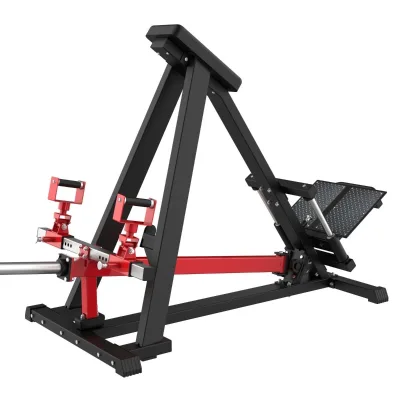
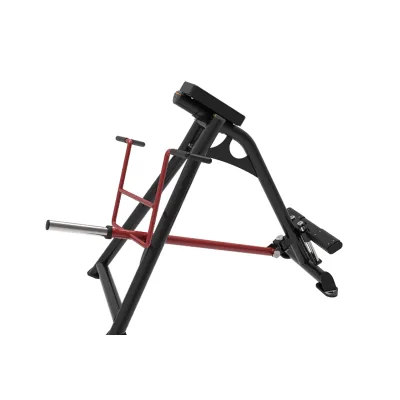
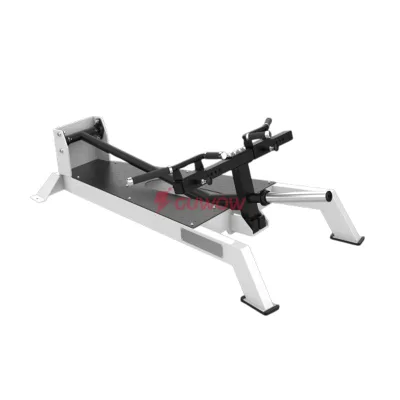

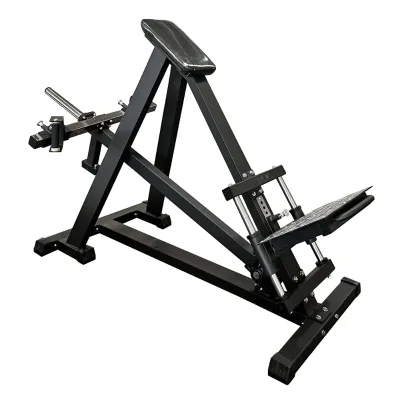


Durable Premium Fitness Equipment T Bar Rower for Home Gym Strength Building
$243.00 - $286.00
MOQ: 5 Pieces


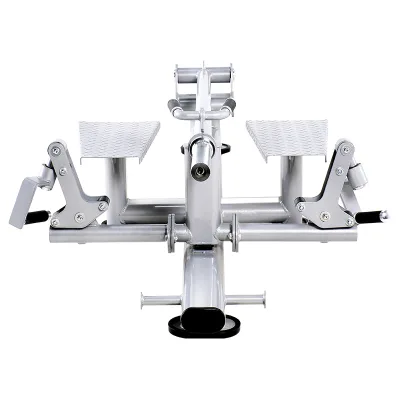
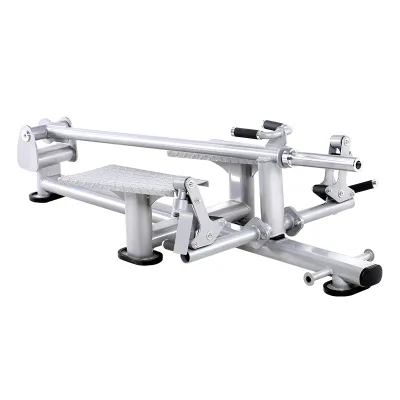
Commercial Steel T Bar Row Gym Machine Plate Loaded Fitness Exercise Equipment
$291.09 - $363.87
MOQ: 10 pieces


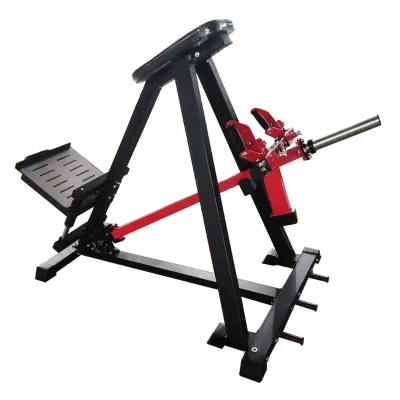


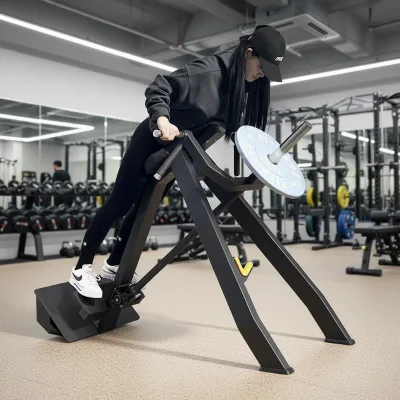
Comprehensive Sourcing Guide
Strategic Sourcing Guide for Adjustable Plate Loaded T-Bar Rowers
Understanding the Technical Architecture of Commercial T-Bar Rowers
When sourcing an adjustable plate-loaded T-bar rower, buyers must first distinguish between the mechanical architecture of the unit and its intended application environment. The core function of this equipment is to facilitate back training, core strength development, and multi-angle rowing movements. Unlike cable-based systems, plate-loaded variants rely on gravity and user-selected weight plates, offering a direct force vector that many strength training facilities prefer for heavy lifting scenarios.
The structural integrity of these machines is paramount. Analysis of available market data indicates that high-grade commercial units typically utilize Q235 steel tubes as the primary structural component. The dimensions of these tubes are critical for stability; observed specifications for robust commercial models include a tube size of 50*100mm. This cross-sectional area ensures that the machine can withstand the dynamic loads generated during heavy rowing sets without flexing or compromising user safety. The material grade is often classified as "Commercial," distinguishing it from light-duty residential equipment that may use thinner gauge steel or aluminum alloys.
Adjustability is a defining feature of the modern T-bar rower. Buyers should verify that the seat and backrest mechanisms allow for height and angle adjustments to accommodate users of varying anthropometrics. This feature is essential for ensuring proper biomechanics and reducing the risk of injury. The product models observed in the market, such as those designated with model numbers like TZ-6071 or GC-5094, often incorporate these adjustable features. However, it is crucial to note that not all units are foldable. Some commercial-grade units, particularly those designed for permanent installation in high-traffic gyms, are manufactured as non-foldable structures to maximize rigidity and footprint efficiency.
Compliance and Certification Verification Protocols
In the B2B procurement of fitness equipment, compliance with international safety and quality standards is non-negotiable. When evaluating potential suppliers, buyers must demand documentation proving that the equipment meets specific regulatory requirements. The most frequently cited certifications for this category of machinery include CE (Conformité Européenne) and ISO standards. Specifically, the ISO9001 certification indicates that the manufacturer adheres to a quality management system, ensuring consistent production processes.
Furthermore, environmental and safety certifications such as RoHS (Restriction of Hazardous Substances) are increasingly relevant, particularly for equipment exported to markets with strict environmental regulations. The presence of these certifications should be verified through official certificates rather than marketing claims. Buyers should look for explicit mentions of "CE, ISO" or "CE & ISO9001" in the product specifications. It is also important to verify that the certification applies to the specific model being purchased, as some suppliers may hold general company certifications that do not extend to every product line.
The origin of the manufacturing plays a significant role in compliance. Many of the observed commercial units originate from industrial hubs in China, specifically regions like Shandong and Anhui. While these regions are known for robust manufacturing capabilities, buyers must ensure that the specific factory holds the necessary export licenses and that the products have undergone the requisite third-party testing to validate the claimed certifications. The "Product Standard" dimensions, such as 1790x950x1180mm or 21009101330mm, should be cross-referenced with the physical footprint requirements of the buyer's facility to ensure compliance with space regulations.
Cost Drivers and Pricing Structure Analysis
The pricing of adjustable plate-loaded T-bar rowers is influenced by a complex interplay of material costs, manufacturing complexity, and logistical factors. The observed price range for these units in the current market spans from approximately 10 USD to 390 USD. This wide variance often reflects differences in material thickness, finish quality, and the inclusion of additional features like custom branding or specialized packaging.
Material costs are a primary driver. Units constructed with Q235 steel and a "Commercial" grade designation will inherently cost more than those utilizing lighter materials or lower-grade steel. The weight of the machine itself is a strong indicator of material density; observed weights for these units range from 95kg to 165kg. A heavier unit generally implies a more substantial frame, which correlates with higher durability and a higher price point.
Logistics and packaging also contribute significantly to the final landed cost. The standard packaging for these commercial units is often a plywood case or plywood packing, which is more expensive than standard cardboard cartons but offers superior protection during international shipping. The "Plywood Case" specification is common for heavy-duty equipment to prevent damage during transit. Additionally, the port of loading, often cited as Tianjin for units from Shandong, and the delivery time, typically within 25 days after receiving the deposit, affect the cash flow and inventory planning for the buyer.
Minimum Order Quantity (MOQ) requirements can also impact the unit cost. While some suppliers may offer an MOQ of 1 piece, others may require a minimum of 2 pieces or more. Bulk purchasing often allows for negotiation on the unit price, but buyers must balance this against their storage capacity and capital requirements. The "Customized" nature of the product, including logo placement and color options, can also introduce variable costs that must be factored into the budget.
Typical Applications and Usage Scenarios
The versatility of the adjustable plate-loaded T-bar rower makes it suitable for a diverse range of commercial applications. The primary usage scenarios include commercial gyms, fitness studios, and strength training facilities. These environments demand equipment that can withstand high-frequency use by a large volume of members, making the "Commercial" grade classification essential.
Beyond dedicated fitness centers, these machines are increasingly found in community centers and multi-purpose gymnasium facilities. The appliance classification often lists "Home, Gymnasium, Community," indicating that while the equipment is robust enough for commercial use, it can also serve high-end residential setups or public recreational spaces. The "Unisex" design and "Adult" age group targeting ensure that the equipment is accessible to a broad demographic, provided the user has the requisite strength to handle the plate-loaded resistance.
The specific function of the machine, such as back training and core strength, dictates its placement within a facility. In a commercial gym, the T-bar rower is typically located in the free-weight or strength training zone, often near other rowing machines or back-focused equipment to create a cohesive training area. The "Foldable: No" attribute for many commercial models suggests that these units are intended for permanent installation, requiring dedicated floor space and potentially reinforced flooring to support the dynamic loads.
Supplier Evaluation and Origin Verification
Selecting the right supplier requires a rigorous evaluation of their manufacturing capabilities and geographic location. The origin of the product is a critical factor in assessing quality and logistics. Many of the leading manufacturers of these units are located in Shandong, China, with specific mentions of Dezhou as a production hub. Another significant manufacturing region identified is Anhui, China. Buyers should verify the specific "Place of Origin" listed on the product documentation to ensure it aligns with their supply chain strategy.
Supplier reputation and brand identity are also important. Some manufacturers operate under specific brand names, such as "Tianzhan" or "JY," while others may offer OEM services with customized logos. The availability of "Customized Logo" options allows buyers to brand the equipment for their specific facility or resale business. However, buyers must ensure that the customization process does not compromise the structural integrity or safety of the machine.
When evaluating suppliers, buyers should request detailed product specifications, including the exact model number (e.g., TZ-6071, GC-5094, JY-YZ089) and the corresponding technical drawings. The "Export Market" being listed as "Global" is a positive indicator, suggesting that the supplier has experience navigating international trade regulations and logistics. However, buyers should not rely solely on this claim and should instead verify the supplier's track record with similar clients in their own region.
Quality Control and Long-Term Procurement Considerations
Ensuring the long-term reliability of the T-bar rower requires a proactive approach to quality control. Buyers should prioritize units that emphasize features such as "Safety," "Stability," and "Durability." The "Eco-Friendly" attribute, while less critical for structural performance, indicates a commitment to sustainable manufacturing practices, which can be a differentiator in the modern market.
The packaging method is a key indicator of the supplier's attention to detail. The use of "Plywood Case" or "Plywood Packing" for heavy units like the 165kg model suggests a commitment to protecting the product during transit. In contrast, "Carton" packaging is more common for lighter units or those with lower weight capacities. Buyers should inspect the packaging specifications to ensure that the unit will arrive in pristine condition, minimizing the risk of damage claims and installation delays.
Long-term procurement considerations also include the availability of spare parts and the ease of maintenance. The "Commercial" grade designation implies that the machine is built for high usage, but regular maintenance is still required. Buyers should inquire about the availability of replacement parts, such as seat pads, handles, and weight stacks, to ensure the equipment remains operational for years. The "Adjustable" nature of the machine means that moving parts are subject to wear, and the quality of these components is critical for the machine's lifespan.
Finally, the lead time and delivery terms must be clearly defined. The observed delivery time of "Within 25 Days After Receiving Deposite" is a standard benchmark, but buyers should confirm this timeline with the specific supplier. The "Port of Loading" being Tianjin is a common logistical node, but buyers should verify if this aligns with their preferred shipping route. By carefully evaluating these factors, buyers can secure a high-quality, durable T-bar rower that meets their operational needs and budget constraints.
Comparative Analysis of Key Product Attributes
To facilitate a clearer understanding of the variations in the market, the following table summarizes the key attributes observed across different commercial T-bar rower models. This comparison highlights the diversity in specifications, origins, and features available to buyers.
| Attribute | Model A (TZ-6071) | Model B (GC-5094) | Model C (JY-YZ089) |
|---|---|---|---|
| Origin | Shandong, China | China Shandong Dezhou | Anhui, China |
| Material | Steel (Q235) | Steel | Metal |
| Weight | 165kg | 140kg / 109kg | 95kg |
| Dimensions | 1790x950x1180mm | 21009101330mm | N/A |
| Certification | CE, ISO, RoHS | CE, ISO9001 | CE, ISO |
| Foldable | Unfolded | No | No |
| Packaging | Plywood Case | Plywood Packing | Carton |
| MOQ | 1-20 pcs | 2 pcs | N/A |
| Feature | Adjustable | Multi-angle rowing | Adjustable, Eco-Friendly |
This table illustrates that while the core function remains consistent, the specific implementation varies significantly. Buyers must match these attributes to their specific facility requirements, ensuring that the weight capacity, dimensions, and certification standards align with their operational needs. The variation in packaging and origin also underscores the importance of verifying the specific model details before placing an order.
FAQs
What certifications do adjustable plate loaded t-bar rowers typically have?
These machines typically carry CE and ISO9001 certifications to ensure safety and quality management. Some models also include RoHS certification for environmental compliance. Buyers should verify that these certifications apply to the specific model being purchased rather than just the manufacturer.
Which material grade is standard for commercial adjustable plate loaded t-bar rowers?
Commercial grade units usually utilize Q235 steel tubes with dimensions like 50*100mm for structural integrity. This heavy-duty material ensures the machine can withstand dynamic loads without flexing. Lighter residential models may use different materials but lack this commercial durability.
Can buyers customize the logo and color of these machines?
Yes, customization is available for both logos and colors on many commercial units. Buyers can request specific branding and color options to match their facility's aesthetic. However, customization may affect the minimum order quantity and lead time for production.
How long is the delivery time for adjustable plate loaded t-bar rowers?
Delivery typically occurs within 25 days after receiving the deposit. This timeline applies to standard commercial orders from major manufacturing hubs. Buyers should confirm specific lead times with the supplier as they can vary based on order volume and customization requirements.
What is the typical weight range for these commercial gym machines?
The weight of these machines ranges from 95kg to 165kg depending on the model and construction. Heavier units generally indicate a more robust frame designed for high-frequency commercial use. The weight is a key indicator of the material density and overall stability of the equipment.
Where are the primary manufacturing locations for these rowing machines?
Primary manufacturing locations include Shandong and Anhui provinces in China. Specific hubs like Dezhou in Shandong are known for producing these commercial units. Buyers should verify the exact place of origin on product documentation to align with their supply chain strategy.