Source Adjustable Plantar Fasciitis Night Splint for hospitals, clinics, and home care
Compare 30 Adjustable Plantar Fasciitis Night Splint options from Fujian suppliers. These devices feature composite cloth, steel plates, and aluminum strips to support foot drop fixation and reduce pain for adult and youth users in rehabilitation centers.
Key considerations
Products List
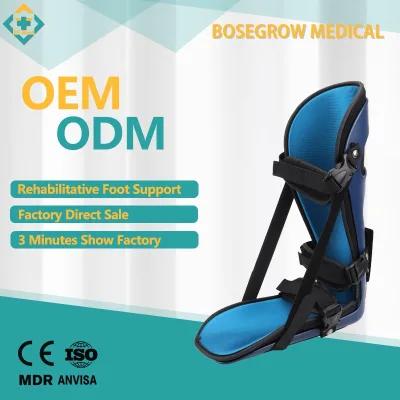
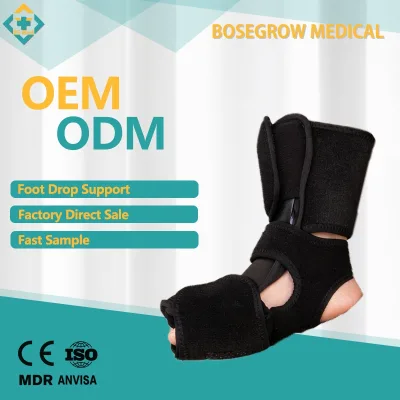
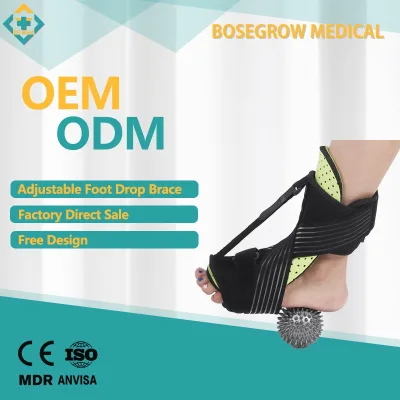
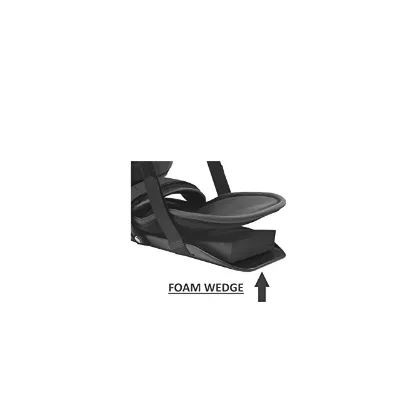
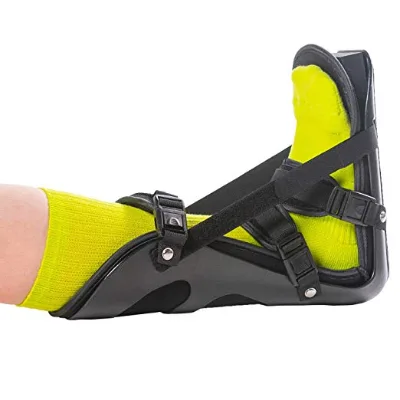
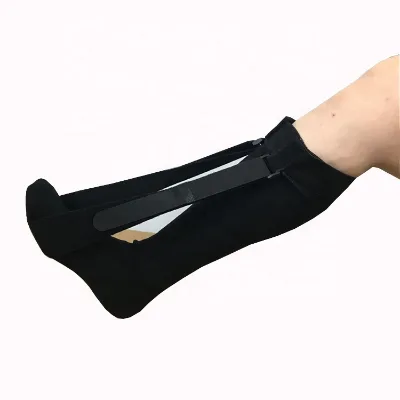
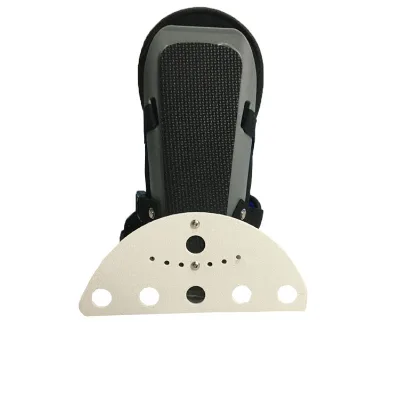
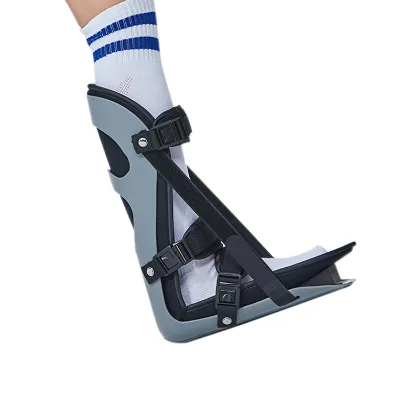
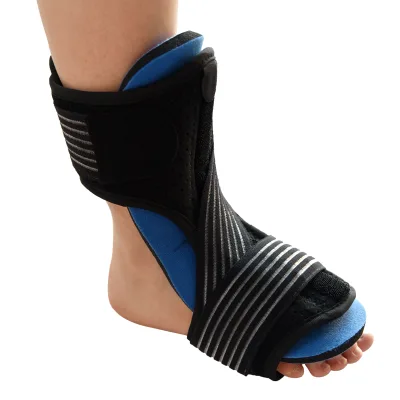
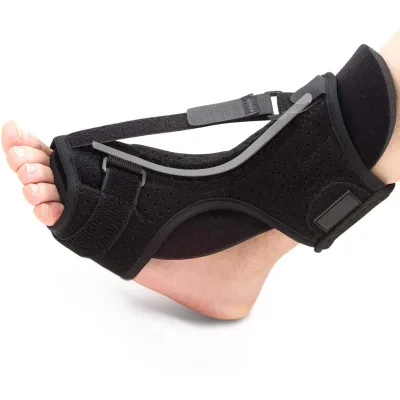
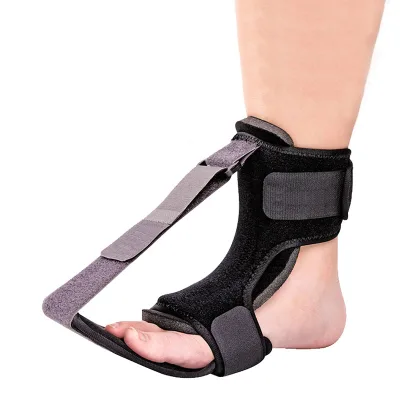
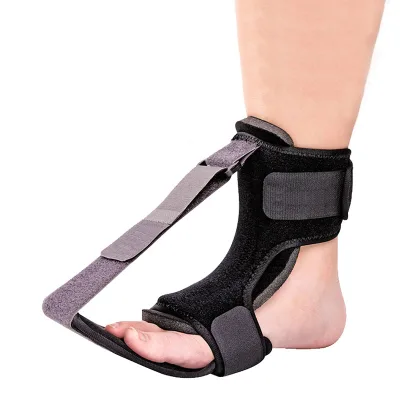
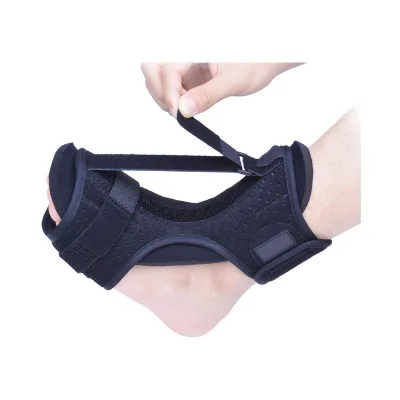
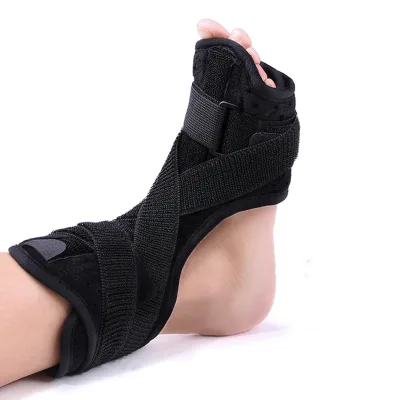
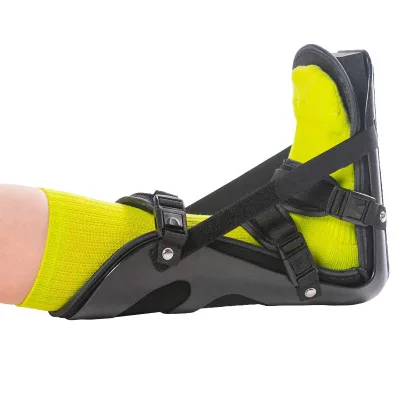
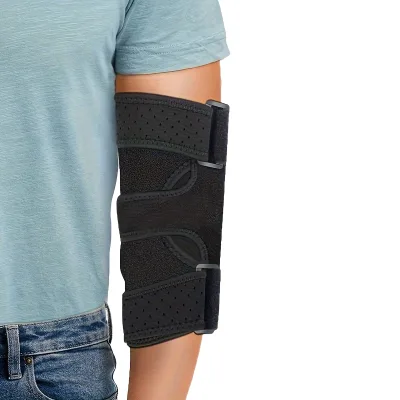


Adjustable Elastic Splint Plantar Fasciitis Night Splint Orthotic Foot Drop Brace
$7.00 - $11.00
MOQ: 100 Pieces


Comprehensive Sourcing Guide
Strategic Sourcing Guide for Adjustable Plantar Fasciitis Night Splints
Procuring adjustable plantar fasciitis night splints requires a disciplined approach that balances clinical efficacy with supply chain reliability. For B2B buyers in the medical device and rehabilitation sectors, the primary objective is to secure products that deliver consistent immobilization and pain reduction while adhering to strict regulatory and quality standards. The market offers a variety of configurations, from composite cloth constructions to nylon elastic bands with aluminum strips. A successful sourcing strategy begins with a deep understanding of the technical specifications that define product performance, followed by a rigorous evaluation of supplier capabilities and compliance documentation. This guide outlines the critical factors buyers must assess to ensure the acquisition of high-quality, compliant, and cost-effective inventory.
Technical Specifications and Material Composition
The core functionality of a night splint relies heavily on its material composition and structural design. When evaluating potential products, buyers must distinguish between different construction methods, as these directly influence durability, comfort, and the level of fixation provided. The supplied data indicates a divergence in material choices across available models. Some units utilize a composite cloth combined with a steel plate, offering a rigid structure suitable for strong fixation of the instep strain. In contrast, other models employ a blend of nylon elastic bands, sponge, velvet, and an aluminum strip. This combination suggests a focus on flexibility and comfort, which is essential for overnight wear where prolonged pressure can cause skin irritation.
The adjustable nature of these devices is a non-negotiable feature for broad market applicability. The presence of buckle closures allows for precise tension control, enabling the device to accommodate various foot sizes and shapes. This adjustability is critical for the "Universal" season classification observed in the product data, ensuring the device remains effective regardless of the time of year or patient swelling fluctuations. Furthermore, the size specifications vary significantly between models. While some are designated as "One size fits all" or "One size," others offer a range of S, M, and L sizes. Buyers must verify the size distribution of their target market before committing to a specific model number, such as AN-007, AN-025, or AN-026, to ensure inventory matches customer demographics.
Weight and volume are also critical logistical considerations. For instance, specific models are noted to have a weight of approximately 0.3Kg, while others may list single gross weights differently. These metrics impact shipping costs and the user experience; a lighter splint is generally preferred for night use to minimize fatigue. The application scope extends beyond simple foot drop fixation to include plantar fasciitis management and ankle fixation. Understanding whether the product is designed primarily for rehabilitation centers, hospitals, or home use is essential, as the required durability and feature set may differ between institutional and consumer-grade applications.
Compliance, Certification, and Regulatory Standards
In the medical device sector, compliance is the foundation of procurement. Buyers must verify that all potential suppliers possess the necessary certifications to operate legally in their target markets. The available data explicitly mentions CE and ISO13485 certifications for certain product lines. ISO13485 is the international standard for quality management systems specific to medical devices, indicating that the manufacturer has established processes for design control, risk management, and production consistency. The CE marking signifies conformity with health, safety, and environmental protection standards for products sold within the European Economic Area.
However, the presence of these certifications in the product data should be treated as a specific attribute of certain models rather than a universal guarantee for all listed items. Buyers must request current, valid certificates for the specific model numbers they intend to purchase. It is crucial to confirm that the certification covers the specific manufacturing facility and the exact product configuration, including the materials used. For example, a plastic-based model may have different regulatory requirements compared to a composite cloth and steel plate model.
Beyond the listed certifications, buyers should verify the product's classification within their local regulatory framework. Products intended for "Professional Protection" or medical applications often fall under Class I or Class II medical device categories, depending on the jurisdiction. The "OEM available" and "OEM/ODM" attributes suggest that suppliers are willing to customize products, but this customization must not compromise the underlying regulatory compliance. Any changes to materials, such as switching from aluminum to a different metal or altering the buckle mechanism, may require re-certification. Therefore, the procurement process must include a clause in the contract that mandates the supplier to maintain certification validity for any customized versions of the product.
Cost Drivers and Pricing Structures
Understanding the cost structure of adjustable plantar fasciitis night splints is vital for budgeting and margin analysis. The observed price range in the market spans from 1 to 25 USD, a wide variance that reflects differences in material quality, complexity of design, and order volume. Several factors drive these costs. First, the material composition is a primary driver; models utilizing aluminum strips and specialized velvets may command higher prices than those made from basic plastic or composite cloth. Second, the level of customization, such as the acceptance of customized logos or specific branding, can influence the unit cost, particularly for smaller order quantities.
The Minimum Order Quantity (MOQ) is another significant cost driver. The data reveals a wide range of MOQs, from as low as 2 pieces to as high as 1000 pieces. For buyers testing the market or those with niche requirements, a low MOQ allows for smaller initial investments and reduced inventory risk. However, purchasing at the lower end of the volume spectrum often results in a higher unit price. Conversely, buyers with large volume requirements can leverage the higher MOQ thresholds to negotiate better pricing, potentially accessing the lower end of the observed price range.
It is important to note that the "Selling Units" are typically listed as single items, meaning the price per unit is the baseline for calculation. Buyers should also consider the packaging specifications, such as the single package size of 40x20x15 cm for certain models. Larger packaging dimensions increase shipping volume and freight costs, which can erode the savings gained from a lower unit price. Therefore, a comprehensive cost analysis must include the total landed cost, factoring in material, manufacturing, packaging, and logistics.
Typical Applications and Target Demographics
The versatility of adjustable plantar fasciitis night splints allows them to serve a diverse range of applications and user demographics. The product data indicates that these devices are applicable for "Adults" and "Youth," suggesting a broad market reach. The "Unisex" attribute further expands the potential customer base, making these products suitable for a wide demographic without the need for gender-specific inventory segmentation. The applications listed include rehabilitation centers, hospitals, and home use, indicating that the devices are designed for both clinical and personal management of foot conditions.
Specific conditions targeted by these splints include foot drop fixation, plantar fasciitis, and instep strain. The "Function" attributes highlight the dual purpose of reducing pain and helping the patient walk, which is a key selling point for rehabilitation professionals. For home users, the "Type" classification as a "Night Splint" or "Medical plantar fascitis splint" implies a focus on overnight immobilization to stretch the plantar fascia and Achilles tendon, preventing morning stiffness.
The "After-sale Service" attribute, specifically "Online technical support," is particularly relevant for home-use products. Since patients may struggle with proper fitting or adjustment, access to remote support can reduce return rates and improve patient compliance. For institutional buyers, the "Professional Protection" classification suggests that the devices meet the rigorous demands of clinical environments. Buyers should align their procurement strategy with their specific target audience; for instance, a hospital procurement team might prioritize models with robust fixation and easy cleaning, while a home healthcare distributor might focus on comfort and ease of adjustment.
Supplier Evaluation and OEM/ODM Capabilities
Selecting the right supplier is as critical as selecting the right product. The data indicates that many suppliers offer OEM (Original Equipment Manufacturer) and ODM (Original Design Manufacturer) services, with "OEM available" and "OEM/ODM Aceptable" being common attributes. This flexibility allows buyers to brand the products with their own logos, which is essential for distributors and private labelers. However, the acceptance of customized logos does not automatically imply that the supplier has the capacity to handle large-scale customizations or complex design changes.
Buyers should evaluate suppliers based on their ability to maintain consistent quality across customized orders. The "Brand Name" attribute often lists "OEM" or "LongStar OEM /ODM," indicating that the supplier is accustomed to producing for other brands. Buyers must verify the supplier's track record in handling similar customization requests. Additionally, the "Place of Origin" is listed as Fujian, China, a region known for its manufacturing capabilities in medical devices. While this provides a baseline for understanding the supply chain, buyers should conduct on-site audits or request third-party audit reports to ensure that the manufacturing processes meet international quality standards.
The "After-sale Service" provision is another key evaluation metric. Suppliers offering "Online technical support" demonstrate a commitment to customer success beyond the point of sale. For B2B buyers, this support can be crucial for troubleshooting issues with end-users. Buyers should also assess the supplier's responsiveness and the clarity of their communication channels. A supplier that is transparent about their capabilities, limitations, and lead times is more likely to be a reliable long-term partner.
Quality Control and Long-Term Procurement Considerations
Ensuring consistent quality is paramount in the medical device industry. The "Properties" of the splints, such as "Foot Stretch & Immobilization" and "Strong fixation for instep strain," must be verified through rigorous quality control processes. Buyers should require suppliers to implement strict inspection protocols, including checks on material integrity, buckle functionality, and stitching quality. The "Type" of the product, whether it is a flexible splint or a rigid night splint, dictates the specific quality tests required. For instance, a flexible model must undergo stress testing to ensure the elastic bands do not lose tension over time.
Long-term procurement considerations involve establishing a sustainable supply chain. The "MOQ" of 200 for some models suggests that suppliers may have production batches that require minimum volumes to be economically viable. Buyers should negotiate contracts that allow for flexible ordering within a defined period to manage inventory levels effectively. Additionally, the "Lead time" and "Single volume" data should be used to forecast demand and plan production schedules. Buyers must also consider the shelf life of the materials, particularly the sponge and velvet components, which may degrade over time if not stored correctly.
Finally, buyers should maintain a proactive approach to regulatory changes. As standards evolve, the certifications required for these products may change. A supplier that is proactive in updating their compliance documentation and maintaining their ISO13485 and CE certifications will be better positioned to support the buyer's long-term growth. By focusing on these quality control and strategic planning aspects, buyers can ensure a steady supply of high-quality adjustable plantar fasciitis night splints that meet the needs of their customers and regulatory bodies.
Comparative Analysis of Product Attributes
To facilitate decision-making, the following table summarizes the key attributes observed across the different model numbers, highlighting the variations in specifications that buyers must consider.
| Attribute | Model AN-007 | Model AN-025 | Model AN-026 | Model FG-1002 |
|---|---|---|---|---|
| Material | Composite cloth + steel plate | Universal (All sizes) | Nylon elastic, sponge, velvet, aluminum | Plastic |
| Size Options | S, M, L | One size | One Size Fits | Not specified |
| Color | Blue | Black | Not specified | Not specified |
| Type | Flexible | Medical plantar fascitis splint | Night Splint | Night splint plantar fasciitis |
| MOQ | 2 pcs | 2 Pcs | 200 | Not specified |
| Certification | Not specified | Not specified | CE / ISO13485 | Not specified |
| Application | Foot | Rehabilitation centers, hospitals, homes | Ankle Fixation | Healthcare |
| Weight | Not specified | Not specified | 0.3Kg | Not specified |
This comparison underscores the importance of matching product specifications to specific market needs. For example, a buyer targeting a hospital setting might prefer the AN-026 model for its aluminum strip and specific certification, while a distributor focusing on home care might opt for the AN-007 for its adjustable sizing and flexible nature. By carefully analyzing these attributes, buyers can make informed decisions that align with their strategic objectives and customer requirements.
FAQs
What materials are used in adjustable plantar fasciitis night splints?
Materials vary by model, including composite cloth with steel plates or nylon elastic bands with aluminum strips. Some units also incorporate sponge and velvet for comfort during overnight wear.
Which certifications are available for these medical devices?
Certain models hold CE and ISO13485 certifications to ensure compliance with international medical device standards. Buyers must verify that these specific certifications apply to the exact model and manufacturing facility.
Can I customize the logo on these night splints?
Yes, many suppliers accept customized logos and offer OEM or ODM services. This allows buyers to brand the products, though customization must not compromise the underlying regulatory compliance of the device.
What is the minimum order quantity for these splints?
The minimum order quantity ranges from 2 pieces to 200 pieces depending on the specific model and supplier. Lower MOQs allow for smaller initial investments, while higher volumes may reduce unit costs.
Where are these adjustable splints manufactured?
The products originate from Fujian, China, a region known for medical device manufacturing capabilities. Buyers should verify the specific factory location and audit reports to ensure quality standards are met.
How do the sizes fit different users?
Sizes include specific ranges like S, M, and L, as well as universal one-size-fits-all options. This variation ensures the splints can accommodate different foot shapes and sizes for both adults and youth.