Source Adjustable Polyester Bag Strap for Travel and Bags
Find 30 Adjustable Polyester Bag Strap options from verified suppliers. Compare features like custom colors, eco-friendly materials, and heavy-duty nylon constructions. Source reliable luggage and shoulder bag accessories with flexible MOQs and fast production times; compare the available evidence and request quotations based on your requirements.
Key considerations
Products List


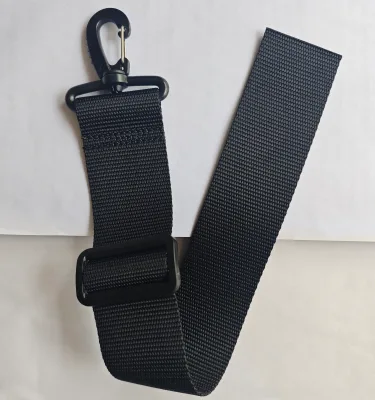
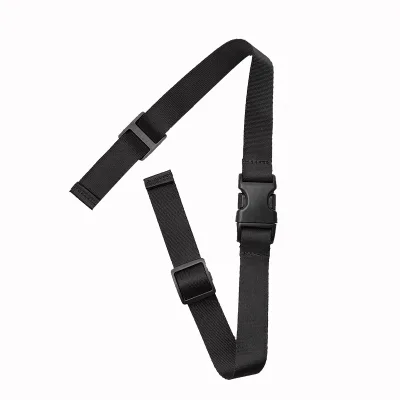


Custom Pattern Flat Twill Classic Bag Strap 25mm Nylon Polyester Webbing
$0.09 - $0.18
MOQ: 3000 Yards


Double Clips Adjustable Sublimation Printing Promotion Luggage Strap Belt
$0.65 - $0.75
MOQ: 500 Pieces


Adjustable Luggage Strap, Suitcase Polyester Luggage Belt, Cross Packing Strap
$0.55 - $0.65
MOQ: 1000 Pieces

Adjustbable Travel Luggage Belt for Travel, Luggage Strap, Adjustbable Bag Strap
$0.55 - $0.60
MOQ: 1000 Pieces

Baggage Belt, Luggage Bag Strap, Baggage Strap, Number Local Luggage Strap
$0.65 - $0.70
MOQ: 1000 Pieces

Comprehensive Sourcing Guide
Adjustable Polyester Bag Strap Sourcing Guide
Procuring adjustable polyester bag straps requires distinguishing between generic textile components and specialized hardware-integrated solutions. The observed market data indicates a diverse range of offerings, from simple fabric straps to complex assemblies featuring gold plating and specific hardware like nylon and POM components. Buyers must carefully align their specific application needs, such as luggage reinforcement or handbag replacement, with the precise material composition and structural features listed by suppliers.
The supply landscape reveals significant variation in minimum order quantities and customization capabilities, ranging from 500 pieces to 3,000 pieces depending on the specific model and supplier. While some listings highlight eco-friendly and washable features, others focus on heavy-duty replacement capabilities with adjustable lengths. Understanding these distinctions is critical before initiating contact, as the ability to customize colors, logos, and dimensions often dictates the feasibility of the order for smaller procurement volumes.
Product Scope and Observed Listing Signals
The product scope encompasses a wide array of strap types, including travel luggage straps, shoulder bag straps, and backpack chest straps, each serving distinct functional roles. Listings frequently specify materials such as fabric, PP, and nylon combined with POM hardware, indicating that the core keyword often covers both simple textile bands and complex mechanical assemblies. Buyers should verify whether the listed product is a standalone strap or a complete set, as packaging and unit definitions vary significantly between single items and sets.
Observed listing signals highlight a strong emphasis on customization, with many suppliers offering custom colors, logos, and specific dimensions like 5cm by 180cm or 50mm widths. The presence of gold plating on certain models suggests a premium segment targeting fashion accessories, while other listings focus on utility with features like heavy-duty construction and eco-friendly certifications. This divergence means that a single search term can yield vastly different product categories, requiring buyers to scrutinize the specific model numbers and feature lists to ensure alignment with their design requirements.
Technical Specifications to Verify
Technical verification must begin with the precise material composition, as listings show a mix of fabric, PP, and nylon with POM hardware that affects durability and flexibility. Buyers should confirm the exact width and length specifications, noting observed ranges from 45cm to 180cm and widths of 50mm, to ensure the strap fits the intended bag or luggage dimensions. The presence of adjustable mechanisms and specific hardware types, such as buckles or clips, must be validated against the functional requirements of the final product assembly.
Further verification is required for the production standards and model numbers, which vary from LMC651 to ET-8102A and ZC-JD5002, each potentially implying different manufacturing tolerances. The listed standards, described as custom or specific sizes like 5cmx180cm, indicate that generic specifications may not apply to all units. Buyers must explicitly request detailed technical drawings or samples to confirm that the adjustable features, plating quality, and material strength meet the rigorous demands of their specific application before committing to a bulk order.
Compliance and Safety Documentation
Compliance verification is essential when sourcing straps that may be marketed as eco-friendly or washable, as these claims require substantiation through recognized testing protocols. While some listings mention ISO features or eco-friendly certifications, buyers must request valid documentation to confirm that the materials and production processes meet international safety and environmental standards. This is particularly important for products intended for consumer use, where chemical safety and material durability are critical for brand reputation and regulatory adherence.
Safety documentation should also address the mechanical integrity of the hardware components, such as the gold plating and POM parts, to ensure they do not pose a risk of breakage or injury during use. Buyers should verify that the supplier has conducted appropriate stress tests on the adjustable mechanisms and stitching points, especially for heavy-duty applications. Without clear evidence of these safety validations, the risk of product failure increases, potentially leading to liability issues and customer dissatisfaction in the final market.
Cost Drivers and Commercial Terms
Cost drivers in this category are heavily influenced by the level of customization, including specific colors, logos, and unique dimensions that deviate from standard offerings. The observed sample fees of USD50 per piece and varying minimum order quantities, ranging from 100 to 3,000 pieces, significantly impact the initial investment and unit economics. Buyers must calculate the total cost of ownership, factoring in the sample development phase and the potential economies of scale that only become apparent at higher volume thresholds.
Commercial terms regarding lead times and production schedules vary, with sample times ranging from 7 to 15 days and production times extending from 20 to 30 days. These timelines can fluctuate based on the complexity of the customization and the specific supplier's capacity, making it crucial to negotiate clear delivery schedules in the purchase agreement. Understanding these variables allows buyers to plan their inventory and launch schedules effectively, avoiding delays that could disrupt the supply chain and market entry strategies.
Supplier Qualification and Quality Control
Supplier qualification should focus on verifying the origin and manufacturing capabilities, as listings indicate production in regions like Zhejiang and Hubei, China, with varying levels of specialization. Buyers must assess the supplier's ability to maintain consistent quality across different models, such as the transition from simple fabric straps to complex hardware-integrated designs. This includes evaluating their quality control processes for critical attributes like plating adhesion, stitching strength, and the functionality of adjustable mechanisms.
Quality control protocols must be established to ensure that the final products match the approved samples in terms of material, color, and dimensions. Given the observed variation in packaging, from OPP bags to poly bags, and the diverse range of models, a rigorous inspection plan is necessary to catch defects early. Buyers should implement pre-shipment inspections that specifically target the customization elements, such as logo placement and color accuracy, to ensure the delivered goods meet the agreed-upon specifications and brand standards.
Long-Term Procurement Checks
Long-term procurement success depends on establishing a reliable supply chain that can adapt to changing design requirements and volume fluctuations. Buyers should maintain open communication channels with suppliers to monitor production capacity and ensure that the ability to customize colors and logos remains consistent over time. This proactive approach helps mitigate risks associated with supply disruptions and ensures that the product line can evolve alongside market trends and consumer preferences.
Regular performance reviews of the supplier's adherence to lead times, quality standards, and cost structures are vital for maintaining a competitive edge. Buyers should track key performance indicators such as defect rates, on-time delivery percentages, and the responsiveness to customization requests to identify any areas for improvement. By continuously evaluating the supplier relationship, buyers can foster a partnership that supports innovation and reliability, ensuring a steady flow of high-quality adjustable polyester bag straps for their business needs.
FAQs
Can I customize the color of the Adjustable Polyester Bag Strap?
Yes, custom colors are available for the Adjustable Polyester Bag Strap. Buyers can select from options like blue, pink, black, or brown, or request specific custom shades. This flexibility allows brands to match their product lines or marketing themes effectively while maintaining the strap's durability and functional design for luggage or handbags.
What is the minimum order quantity for custom adjustable polyester bag straps?
The minimum order quantity varies by supplier, typically ranging from 500 to 1,000 pieces. Some manufacturers may accept orders as low as 100 pieces, while others require up to 3,000 pieces. Buyers should verify the specific MOQ with their chosen vendor to ensure it aligns with their inventory needs and budget constraints.
How long does production take for custom adjustable polyester bag straps?
Production time generally takes between 20 to 30 days after sample approval. Some suppliers offer faster turnaround times of about 20 days, while others may require up to 25 days for standard orders. Buyers should plan their procurement schedule accordingly to avoid delays in their product launch or inventory replenishment cycles.
What materials are used for adjustable polyester bag straps?
Adjustable polyester bag straps are commonly made from fabric, nylon, or PP materials. Some variants include nylon combined with POM components for enhanced durability. These materials ensure the straps are eco-friendly, washable, and heavy-duty, making them suitable for various applications including luggage, shoulder bags, and backpacks with reliable performance.
Is there a sample fee for adjustable polyester bag straps?
Yes, a sample fee is typically charged, often around USD 50 per piece. This fee helps cover the cost of producing custom samples before bulk manufacturing begins. Buyers should confirm the sample policy with their supplier, as fees and refund conditions may vary depending on the manufacturer and the complexity of the customization requested.
What certifications do adjustable polyester bag straps have?
Some adjustable polyester bag straps come with ISO certifications, indicating adherence to quality management standards. Additionally, products may be labeled as eco-friendly and washable, reflecting sustainable manufacturing practices. Buyers should request specific certification documents from suppliers to verify compliance with their regional regulations and corporate sustainability goals before placing large orders.