Source Adjustable Speed Jump Rope for fitness, training, and cardio
Compare 30 Adjustable Speed Jump Rope listings from verified Chinese manufacturers. Buyers can evaluate specifications like rope length, handle material, and customization options to find the right equipment for speed training and general fitness.
Key considerations
Products List


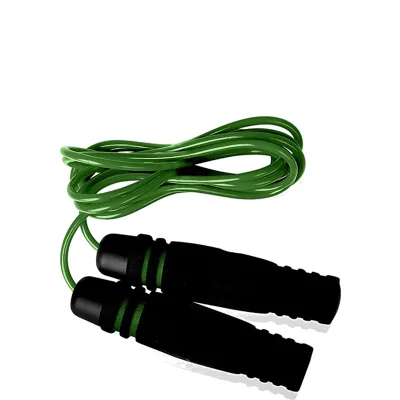
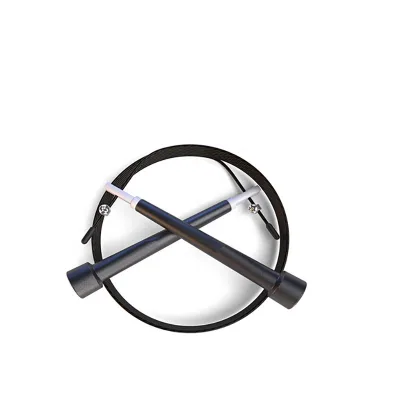


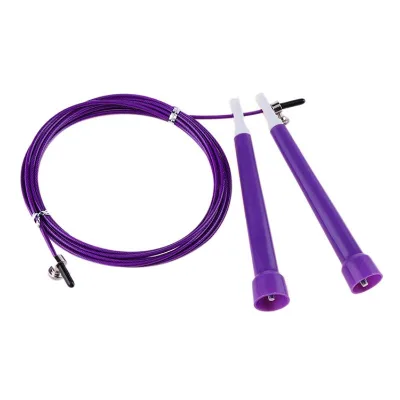


Fitness Anti-Slip Cable Jump Rope Fitness Speed Skipping Rope with Foam Handle
$3.15 - $3.55
MOQ: 100 Pieces


Comprehensive Sourcing Guide
Adjustable Speed Jump Rope Sourcing Guide
Sourcing adjustable speed jump ropes requires a careful balance between performance specifications for athletic training and commercial flexibility for branding. These products are primarily designed for high-intensity interval training, cardio fitness, and professional speed drills, where the rope’s ability to rotate rapidly without tangling is critical. Buyers must distinguish between basic fitness models and specialized speed ropes, as the latter often feature specific bearing mechanisms and lightweight materials to minimize air resistance. The core value proposition lies in the adjustability of the rope length, allowing a single SKU to serve multiple user heights, which simplifies inventory management for distributors and retailers.
The procurement landscape for these items is characterized by a high degree of customization and OEM opportunities. Manufacturers frequently offer logo printing, color customization, and varied packaging options to help brands stand out in competitive fitness markets. However, this flexibility introduces complexity in quality control, as different materials and assembly methods can significantly impact the rope’s durability and spin consistency. Buyers need to establish clear technical requirements early in the negotiation process to ensure that the customizable elements do not compromise the functional integrity of the speed mechanism.
Product Scope and Observed Listing Signals
The current market for adjustable speed jump ropes presents a wide range of product configurations, with observed listing prices typically falling between $0.50 and $8.00 USD. This broad price spectrum reflects variations in material quality, bearing technology, and packaging sophistication. Lower-priced items often utilize basic plastic handles and simple wire constructions, while higher-end options may incorporate aluminum handles, ball bearings, and premium rope materials like PVC or steel-coated cables. Understanding this price variance is essential for budgeting, as the lowest price point may not align with the durability expectations required for commercial resale or professional athletic use.
Minimum Order Quantities (MOQs) generally range from 10 to 1,000 pieces, offering flexibility for both small startups and large-scale distributors. Many suppliers accept OEM orders, allowing buyers to customize product attributes such as color, logo placement, and packaging design. Some listings indicate a supply ability of around 500 pieces per day, which is a crucial metric for planning lead times and ensuring consistent stock replenishment. Buyers should verify if the quoted MOQ applies to customized orders, as branding requirements often increase the minimum threshold compared to standard off-the-shelf products.
Technical Specifications to Verify
Verifying the rope material and construction is the first step in ensuring product performance. Common materials include plastic-coated steel, pure PVC, or braided nylon, each offering different trade-offs between weight, durability, and speed. The handle material is equally important, with options ranging from durable plastic to lightweight aluminum, which can affect the overall balance and feel of the rope. Buyers should confirm the handle length and grip texture, as these factors influence user comfort during extended training sessions. Additionally, the presence or absence of a counter mechanism should be clarified, as speed ropes typically omit counters to reduce weight and complexity, focusing instead on pure rotational speed.
Adjustability features must be explicitly defined to prevent customer returns due to sizing issues. The rope length should be adjustable, with standard lengths often cited around 2.8 to 3.0 meters for personal use, allowing users to trim the rope to their specific height. It is critical to verify the adjustment mechanism, whether it involves a screw-lock system, a sliding clip, or a simple cut-to-size design. The model numbers, such as GM2013, GM2017, or JR, can serve as reference points for specific design iterations, but buyers should not rely solely on model numbers without confirming the actual physical specifications. The single package size and gross weight, often around 20x15x4 cm and 0.5 kg respectively, are vital for calculating shipping costs and storage requirements.
Compliance and Safety Documentation
Regulatory compliance is a non-negotiable aspect of importing fitness equipment, particularly when targeting markets with strict safety standards. Certifications such as CE mark the product as compliant with European health, safety, and environmental protection standards, which is often a prerequisite for selling in the EU. Buyers must request valid certification documents from suppliers to verify that the manufacturing process adheres to these regulations. Additionally, compliance with California Proposition 65 (Ca 65) and REACH regulations is crucial for markets concerned with chemical safety, ensuring that materials like plastics and metal coatings do not contain harmful substances.
Documentation should also cover material safety and product labeling requirements. Suppliers should provide declarations of conformity that specify the materials used in the handles and ropes, ensuring they are free from toxic substances. For products intended for adult use, clear labeling regarding age appropriateness and usage instructions is necessary to mitigate liability risks. Buyers should ensure that the packaging includes all required legal information, including the country of origin, manufacturer details, and any warning labels related to potential entanglement or tripping hazards.
Cost Drivers and Commercial Terms
Several factors influence the final cost of adjustable speed jump ropes, with material selection and customization being the primary drivers. Aluminum handles and ball-bearing mechanisms typically increase the unit cost compared to plastic handles and fixed-speed designs. Customization services, such as logo printing and custom packaging, often incur additional setup fees or higher per-unit costs, especially for smaller order quantities. Buyers should request a detailed breakdown of costs to understand how much of the price is attributed to materials, labor, and branding services.
Commercial terms, including packaging and shipping logistics, also play a significant role in the total landed cost. Packaging options range from simple polybags to more elaborate boxes or carry bags, each affecting the product’s retail appeal and shipping volume. The port of dispatch, commonly Shanghai for many Chinese suppliers, impacts transit times and freight costs. Buyers should clarify whether the quoted price includes export packaging standards that protect the product during transit, as inadequate packaging can lead to damage and returns. Understanding the supply ability and lead times is also essential for maintaining consistent inventory levels and meeting customer demand.
Supplier Qualification and Quality Control
Evaluating supplier qualifications is essential to ensure consistent product quality and reliable delivery. Buyers should verify the supplier’s production capacity and history, looking for evidence of experience in manufacturing fitness equipment. The place of origin, such as Jiangsu or Shandong in China, can provide insights into the local supply chain and manufacturing ecosystem. Suppliers with established OEM capabilities are often better equipped to handle customization requests and maintain quality standards across different product batches.
Quality control measures must be clearly defined before placing orders. Buyers should inquire about the supplier’s internal quality assurance processes, including inspection protocols for handle assembly, rope tension, and bearing functionality. Requesting pre-shipment samples is a critical step to verify that the final product matches the agreed-upon specifications. Additionally, buyers should consider third-party inspection services for larger orders to ensure that the production batch meets the required quality standards. Establishing a clear communication channel for addressing defects or discrepancies is also vital for maintaining a productive supplier relationship.
Long-Term Procurement Checks
Building a sustainable procurement strategy for adjustable speed jump ropes requires ongoing monitoring of supplier performance and market trends. Buyers should regularly review supplier delivery times, product quality consistency, and responsiveness to issues. Maintaining a diversified supplier base can mitigate risks associated with supply chain disruptions or quality failures. It is also important to stay updated on changes in regulatory requirements and certification standards in target markets to ensure continued compliance.
Continuous improvement in product offerings can be achieved by gathering feedback from end-users and retailers. This feedback can inform decisions on material upgrades, design modifications, or new feature additions, such as improved bearing systems or ergonomic handle designs. Buyers should also monitor competitor offerings and pricing trends to remain competitive in the market. By maintaining a proactive approach to supplier management and product development, buyers can ensure long-term success in the Adjustable Speed Jump Rope segment.
FAQs
What customization options are available for the jump rope?
Customization is available for this product, including customized logos and colors. Buyers can request specific branding details to match their business needs. The product supports OEM services, allowing for tailored designs while maintaining the core features like the plastic rope material and adjustable length.
Which certifications does the Adjustable Speed Jump Rope hold?
The product holds CE certification and complies with Ca 65 and Reach standards. These certifications ensure safety and regulatory compliance for international markets. Buyers should verify specific documentation for their target region, as these standards are key indicators of quality and material safety.
How is the rope length adjusted on this model?
The jump rope features a length adjustment mechanism to suit different user heights. The standard length is 300cm, with options for 2.8m or 3m personal lengths. This adjustability makes it suitable for speed jump training and various fitness levels among adult users.
Can I order samples with a low minimum quantity?
Yes, the minimum order quantity ranges from 10 to 1000 pieces depending on the specific supplier and customization level. Some listings indicate an MOQ of 100 pieces for customized orders. Buyers should confirm the exact MOQ with the manufacturer before placing an order.
What materials are used for the rope and handles?
The rope is made of plastic, while the handles typically combine plastic and aluminum with a steel rope core. This construction ensures durability and fast speed for training. The product is designed as a single skip rope with a portable and lightweight build.
Where are these jump ropes manufactured and shipped from?
Products originate from Jiangsu and Shandong provinces in China. The port of dispatch is typically Shanghai. Buyers can expect supply capabilities of around 500 pieces per day from these manufacturing locations, ensuring steady availability for bulk orders.