Source Adjustable Sport Sweatbands for Gym, Running, and Yoga
Find 30 Adjustable Sport Sweatbands for fitness and athletic use. Compare options made from silicon, cotton, and spandex/nylon blends. Evaluate features like non-slip grip, eco-friendly materials, and custom logo printing for your brand needs.
Key considerations
Products List
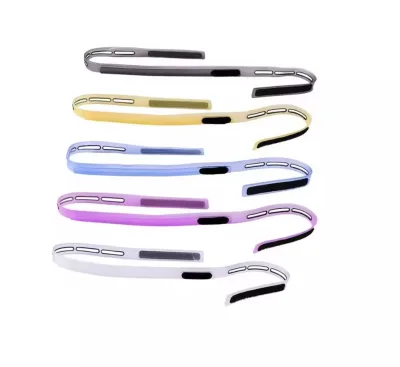
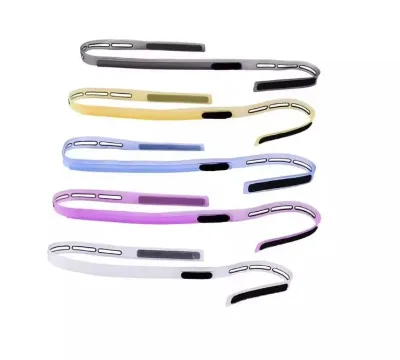


$2.00 - $2.30
MOQ: 1000 Pieces


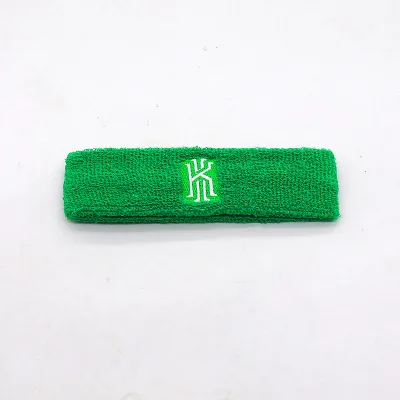
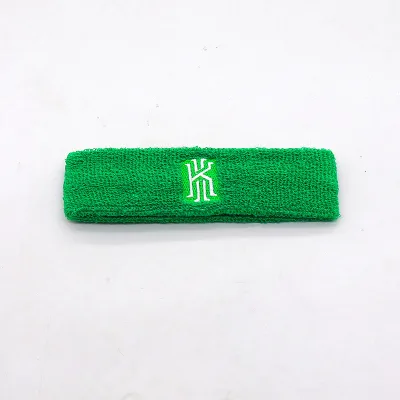


Comprehensive Sourcing Guide
Adjustable Sport Sweatbands Sourcing Guide
The adjustable sport sweatband serves as a critical accessory for athletes seeking to manage perspiration while maintaining a secure fit during high-intensity activities. Based on observed market data, these products are primarily engineered for bodybuilding, general fitness, and exercise routines where moisture control and head stability are paramount. The core functionality relies on non-slip properties and elastic materials, ensuring the band stays in place without restricting blood flow or causing discomfort during prolonged wear. Buyers should recognize that while the term "adjustable" is common in the category, specific listings may vary between fixed-width designs and those with customizable fit mechanisms, requiring careful verification of the "Adjusted" attribute in product specifications.
Procurement decisions for this category must account for the diverse material compositions found in current listings, ranging from silicon and cotton to blends of spandex and nylon. Each material offers distinct performance characteristics; for instance, silicon provides a high-grip, non-slip surface ideal for intense workouts, while cotton and spandex blends offer breathability and softness suitable for all-season use. The observed product range includes specific model numbers such as GP136 and XHJ-EW1289, which indicate that manufacturers often produce variations tailored to specific width and thickness requirements. Sourcing strategies should prioritize suppliers who can demonstrate consistency across these material types to ensure the final product meets the specific durability and comfort expectations of the target end-user.
Product Scope and Observed Listing Signals
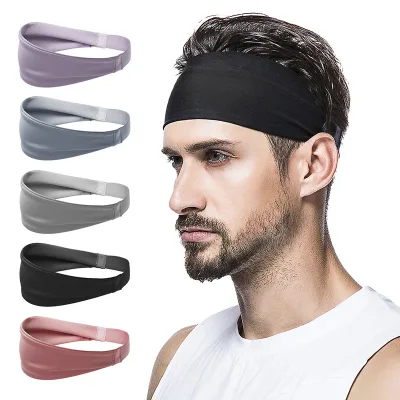
The market for Adjustable Sport Sweatbands displays a wide spectrum of color options and styling features, with listings frequently offering palettes that include black, yellow, white, purple, blue, grey, pink, and violet. This variety allows buyers to align product offerings with brand identity or seasonal trends, as the "Style" attribute is consistently categorized under "Sport" across the majority of listings. The "Feature" tags observed in the data highlight attributes such as portability, durability, and eco-friendliness, suggesting that modern consumers expect these accessories to be lightweight, long-lasting, and produced with environmentally friendly considerations in mind. Buyers must verify that the specific color and feature claims in a supplier's catalog match the physical samples, as "Coloured" and specific hue listings can sometimes vary in shade consistency between production batches.
Commercial signals in the current market indicate a flexible approach to minimum order quantities (MOQ) and packaging, with observed ranges spanning from single items to 1,000 units. While some listings specify an MOQ of 50 pieces, others may require larger commitments, such as 500 meters for material-based orders, reflecting the difference between finished goods and raw material procurement. Packaging is another critical variable, with options ranging from standard OPP bags to customized poly bags and bulk packaging solutions. The presence of "Customized Logo" and "Customized Brand Logo" options suggests that many suppliers are equipped for private labeling, but buyers should confirm the specific logo technology available, such as jacquard, print, or embossing, to ensure the branding method aligns with the chosen material and design complexity.
Technical Specifications to Verify
Dimensional accuracy is a primary technical consideration, as observed listings specify widths ranging from 1.5cm to broader variations and thicknesses between 0.2mm and 6mm. The "Size" attribute often cites specific dimensions like 65.5*1.5cm, which serves as a baseline for standard models, but buyers must verify if the product is truly adjustable or if the "Unadjustable" tag applies to specific SKUs. The "Type" attribute, described as "Soft" in several listings, indicates a focus on comfort against the skin, which is essential for preventing chafing during vigorous movement. When evaluating technical specs, procurement teams should request detailed dimension sheets that confirm the exact width and thickness of the finished product, as these factors directly influence the band's ability to absorb sweat and maintain its position on the head.
Material composition and construction techniques are equally vital for ensuring product longevity and performance. The observed data lists materials including silicon, cotton, and spandex/nylon blends, each requiring different quality control checks. For instance, silicon-based bands must be tested for elasticity and non-slip retention, while cotton and spandex blends require verification of their tensile strength and abrasion resistance. The "Technics" attribute mentions jacquard weaving, which is often used for creating durable, patterned logos that do not peel or fade. Buyers should explicitly verify the "Feature" claims of high tenacity and abrasion resistance through physical testing, as these properties determine whether the sweatband will withstand repeated washing and intense physical stress without degrading.
Compliance and Safety Documentation
Safety and compliance for sport sweatbands generally fall under basic protection standards, as the product is classified as a textile accessory rather than a medical device or high-risk equipment. However, the "Protection class" of "Basic Protection" implies that the materials used must be safe for direct, prolonged skin contact, particularly for individuals with sensitive skin or those engaging in heavy sweating. Buyers should request documentation confirming that the dyes and finishes used on the cotton, silicon, or synthetic blends are free from harmful substances, ensuring the product meets general textile safety expectations for the intended market. While specific certification names are not universally mandated for this category, verifying that the supplier adheres to standard environmental and safety protocols is essential for maintaining brand reputation.
Environmental sustainability is increasingly becoming a compliance expectation, with observed listings explicitly highlighting "Environmentally Friendly" and "Eco-Friendly" features. This suggests that buyers should inquire about the sourcing of raw materials and the manufacturing processes used to produce these sweatbands. Suppliers claiming eco-friendly status should be able to provide evidence regarding the recyclability of materials or the use of sustainable production methods, even if specific third-party certifications are not listed in the initial product data. The "Standard" attribute, noted as "standard or custom," indicates that buyers have the flexibility to define their own compliance requirements, making it crucial to establish clear contractual obligations regarding material safety and environmental impact before finalizing any order.
Cost Drivers and Commercial Terms
The cost structure for Adjustable Sport Sweatbands is heavily influenced by material selection, customization complexity, and order volume. Listings show a price range from $0.05 to $2.80, reflecting the significant variance between basic, unbranded items and those featuring custom logos, specialized materials like silicon, or intricate jacquard weaving. The "Selling Units" being listed as "Single item" suggests that unit pricing can fluctuate based on the quantity ordered, with economies of scale likely reducing the per-unit cost for larger batches. Buyers must analyze the trade-off between material quality and price, as higher tenacity and durability often command a premium, while basic cotton or standard silicon options may offer a lower entry point for budget-conscious procurement.
Commercial terms regarding packaging and logistics also play a significant role in the total landed cost. The observed data indicates options for "Opp Bag" packaging, "Poly Bag" packaging, and fully "Customized Packaging," each carrying different cost implications. Custom packaging, which often includes branded boxes or specific labeling, adds to the unit cost but can enhance the product's marketability. Additionally, the "Place of Origin" is consistently listed as Jiangsu, China, which provides insight into the logistical baseline for shipping and potential tariffs. Buyers should negotiate clear terms regarding lead times and shipping responsibilities, as the "MOQ" requirements can vary widely from 50 pieces to 500 meters, affecting the overall inventory investment and cash flow planning.
Supplier Qualification and Quality Control
Supplier qualification for sport sweatbands requires a thorough assessment of their manufacturing capabilities, particularly regarding their ability to handle diverse materials and customization requests. The presence of multiple model numbers and material types in the data suggests that capable suppliers possess versatile production lines capable of switching between silicon, cotton, and spandex/nylon blends. Buyers should verify the supplier's experience with "Customized Brand Logo" applications, ensuring they have the necessary equipment for jacquard, print, or embossed techniques without compromising the structural integrity of the band. A qualified supplier should also demonstrate consistency in their "Product Name" and "Brand Name" alignment, ensuring that the final output matches the agreed-upon specifications and branding guidelines.
Quality control protocols must be rigorous, focusing on the consistency of color, elasticity, and stitching. The observed "Feature" tags like "Elastic" and "Non-Slip" require physical verification to ensure the product performs as advertised under stress. Buyers should implement a sampling process that tests the "Thickness" and "Width" against the specified dimensions, as deviations can affect the fit and comfort of the sweatband. Furthermore, the "Packaging" quality should be inspected to ensure that items are protected during transit, preventing damage to the "Soft" texture or the "Customized Logo." Establishing a clear quality assurance framework with the supplier, including acceptance criteria for color variance and material defects, is essential for maintaining product standards across all production batches.
Long-Term Procurement Checks
Sustaining a successful procurement relationship for Adjustable Sport Sweatbands involves regular audits of supplier performance and product consistency over time. Buyers should monitor the supplier's ability to maintain the "All Seasons" usability of the product, ensuring that the materials do not degrade or lose their elasticity in varying environmental conditions. The "Sustainability Features" and "Eco-Friendly" claims should be re-verified periodically to ensure the supplier continues to adhere to environmental standards as regulations and consumer expectations evolve. Long-term checks should also include a review of the "Logo Technology" to ensure that branding remains crisp and durable through multiple wash cycles, preserving the brand's visual identity.
Finally, the procurement strategy must remain adaptable to changes in market demand and supply chain dynamics. As the "MOQ" and "Price" ranges observed in the market can shift, buyers should maintain open communication with suppliers to anticipate cost fluctuations and availability issues. Regular reviews of the "Product Scope" will help ensure that the supplier continues to offer the necessary color options and styles that align with current fashion and fitness trends. By maintaining a proactive approach to supplier management and quality verification, buyers can secure a reliable supply of high-performance sport sweatbands that meet the evolving needs of their customers while mitigating the risks associated with long-term sourcing agreements.
FAQs
What materials are used for Adjustable Sport Sweatbands?
These sweatbands are made from silicon, cotton, or spandex and nylon blends. The material choice depends on the specific model, with options like silicon providing durability and cotton offering comfort for various fitness activities.
Which customization options are available for these headbands?
Customized logos are available through techniques like jacquard, print, or embossing. Buyers can request specific branding designs, and packaging can be customized to meet individual requirements for retail or promotional use.
How does the minimum order quantity affect purchasing?
The minimum order quantity varies by product, typically starting at 50 pieces for standard items. Some specific models or bulk orders may require higher quantities, so buyers should check the specific product details before ordering.
Can I find sweatbands with specific width specifications?
Yes, specific models are available with a width of 1.5cm and a size of 65.5 by 1.5cm. These dimensions ensure a proper fit for universal application during exercise and other physical activities.
What colors are available for these sports headbands?
Multiple color options exist including black, yellow, white, purple, blue, grey, pink, red, and brown. Buyers can select from these varied colors to match team uniforms or personal style preferences for fitness gear.
Are these sweatbands suitable for all seasons?
Yes, these products are designed for use in all seasons. Their features like being non-slip and durable make them suitable for year-round fitness activities regardless of the weather conditions.
What is the origin of these sport headbands?
The products originate from Jiangsu, China. This location is a known manufacturing hub, ensuring that the goods meet standard production requirements for export and international distribution.