Source Polyester Ballet School Bag for Travel, Dance, and Gym
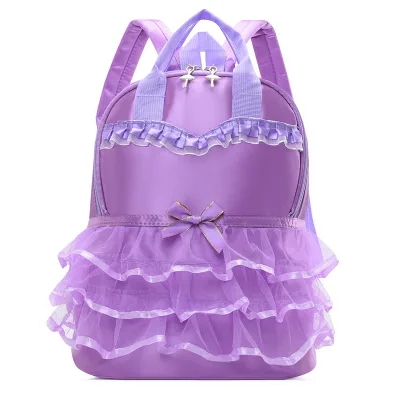
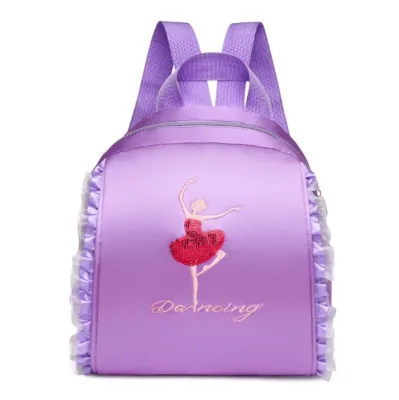
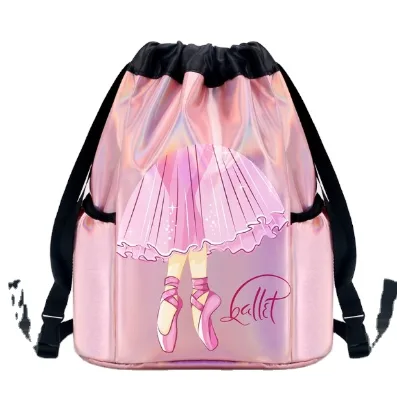
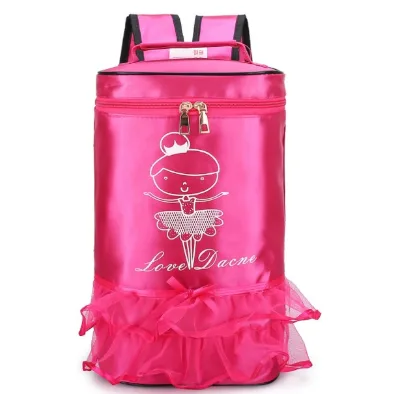
Find and compare 30 Polyester Ballet School Bag options from China. These drawstring bags feature canvas or nylon materials, suitable for girls, kids, and adults. Compare specs for traveling, dance practice, and gym use; compare the available evidence and request quotations based on your requirements.
Key considerations
Products List







Comprehensive Sourcing Guide
Polyester Ballet School Bag Sourcing Guide
Sourcing polyester ballet school bags requires a nuanced understanding of material properties, intended usage, and supplier capabilities. Buyers must distinguish between general-purpose canvas options and specialized polyester constructions that offer superior durability and water resistance. The market presents a variety of models, ranging from simple drawstring shoe bags to more structured backpacks, each serving different logistical needs for dance students and instructors. Understanding these distinctions is critical for aligning procurement with specific operational requirements, whether for individual student use or bulk institutional distribution.
This guide focuses on evidence-based procurement strategies for polyester-based dance and school bags. It addresses key technical specifications, compliance documentation, cost drivers, and supplier qualification metrics. By adhering to verified product attributes and industry standards, buyers can mitigate risks associated with quality inconsistencies and supply chain disruptions. The following sections provide a structured approach to evaluating suppliers, verifying product specifications, and establishing long-term procurement relationships that ensure consistent quality and value.
Product Scope and Observed Listing Signals
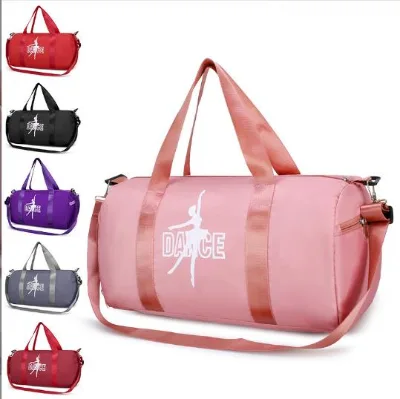
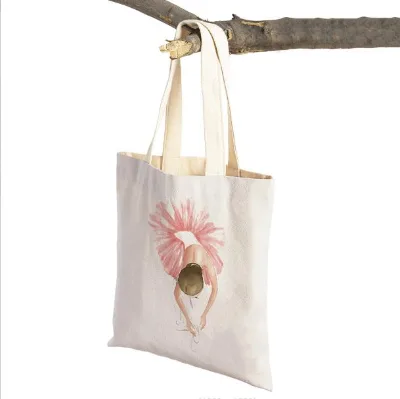
The observed product landscape includes a diverse range of dance-related bags, with materials varying from polyester to canvas and nylon blends. Listings indicate a strong emphasis on customization, with many suppliers offering OEM/ODM services and logo personalization. The primary use cases identified include ballet shoe storage, general dance bag functionality, and school bag applications. Buyers should note that while some products are explicitly marketed as "waterproof," others are labeled as "not waterproof," necessitating careful verification of material specifications to ensure suitability for specific environmental conditions.
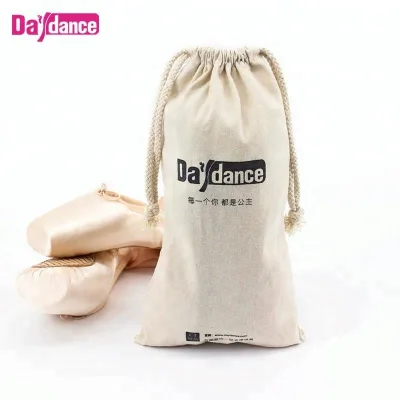
Gender and age group targeting are also significant factors in product selection. Many listings specify suitability for girls, kids, and children, while others cater to adult users. The design features often include drawstring closures, which are prevalent in shoe bags and lightweight dance sacks. Additionally, packaging methods such as OPP bags are commonly observed, indicating a focus on cost-effective and protective shipping solutions. Buyers must carefully review these attributes to ensure alignment with their target demographic and functional requirements, avoiding assumptions based on generic product titles.
Technical Specifications to Verify
Technical verification begins with material composition and weight. Buyers should confirm whether the bag is constructed from pure polyester, canvas, or a blend, as this impacts durability and water resistance. Fabric weight, such as the observed 360 grams for certain models, serves as a key indicator of material thickness and potential longevity. Additionally, single gross weight and package dimensions, like 40x35x2 cm or 27x21x1 cm, are critical for calculating shipping costs and storage efficiency. These metrics directly influence the total landed cost and logistical planning for bulk orders.
Dimensional accuracy and closure mechanisms are equally important. Specifications such as length, width, and height must be verified against actual product samples to ensure they meet storage needs for shoes, costumes, or personal items. The prevalence of drawstring closures in the observed listings suggests a preference for quick access and lightweight design, but buyers should also inquire about alternative closure types if security or weather protection is a priority. Model numbers and product codes, such as SU-BKK-019 or PS912, should be used to track specific variants and ensure consistency across reorder cycles.
Compliance and Safety Documentation
Compliance documentation is essential for ensuring that dance bags meet safety and quality standards, particularly when targeting younger demographics. Buyers should request evidence of material safety certifications, such as REACH or CPSIA compliance, to verify that fabrics and dyes are free from harmful substances. Although specific certification statuses are not provided in the observed listings, suppliers should be able to produce relevant test reports upon request. This is particularly important for products marketed towards children, where regulatory scrutiny is higher.
Quality control standards and manufacturing practices also play a crucial role in compliance. Buyers should inquire about the supplier’s adherence to international quality management systems, such as ISO 9001, and their internal testing protocols for durability and colorfastness. The observed "Other" technics category suggests a need for detailed clarification on manufacturing processes, including whether items are handmade or machine-produced. Understanding these details helps buyers assess the consistency and reliability of the product, ensuring that it meets both regulatory requirements and customer expectations.
Cost Drivers and Commercial Terms
Cost drivers for polyester ballet school bags include material selection, customization complexity, and order volume. The observed price range of $0.5 to $8.5 USD reflects significant variation based on material quality, design intricacy, and branding requirements. Customization options, such as logo printing and color selection, can impact unit costs, with higher volumes typically yielding better economies of scale. Buyers should negotiate based on clear specifications to avoid hidden fees associated with design changes or additional packaging requirements.
Minimum order quantities (MOQs) and payment terms are critical commercial considerations. The observed MOQ range of 1 to 1000 units offers flexibility for both small-scale and large-scale procurement. Buyers should align their order size with their inventory management strategy, considering lead times and storage capacity. Additionally, understanding the supplier’s packaging standards, such as the use of OPP bags, can help optimize shipping costs. Clear communication regarding these terms ensures transparency and prevents unexpected expenses during the procurement process.
Supplier Qualification and Quality Control
Supplier qualification involves assessing manufacturing capabilities, quality control processes, and customer service responsiveness. Buyers should prioritize suppliers who provide detailed product specifications and are willing to share samples for evaluation. The observed emphasis on customization and OEM/ODM services indicates a supplier base that is adaptable to specific buyer requirements. However, buyers must verify these claims through direct communication and sample testing to ensure that the supplier can consistently deliver on their promises.
Quality control measures should be established before placing large orders. This includes defining clear acceptance criteria for materials, stitching, and overall construction. Buyers should request information on the supplier’s defect rate and return policy to gauge their commitment to quality. Additionally, understanding the supplier’s production capacity and lead times is essential for maintaining a steady supply chain. Regular audits and performance reviews can help identify potential issues early and foster a collaborative relationship with the supplier.
Long-Term Procurement Checks
Long-term procurement success depends on continuous monitoring of supplier performance and market trends. Buyers should establish key performance indicators (KPIs) to track delivery times, product quality, and responsiveness to issues. Regular feedback loops with suppliers can help identify areas for improvement and strengthen the partnership. Additionally, staying informed about changes in material availability and pricing trends can help buyers anticipate cost fluctuations and adjust their procurement strategies accordingly.
Sustainability and ethical sourcing are increasingly important considerations for long-term procurement. Buyers should inquire about the supplier’s environmental practices, such as the use of recycled materials or energy-efficient manufacturing processes. This not only aligns with growing consumer demand for sustainable products but also mitigates reputational risks. By maintaining a proactive approach to supplier management and market analysis, buyers can ensure a resilient and efficient supply chain for polyester ballet school bags.
FAQs
Can I customize the logo on these dance bags?
Yes, customized logos are available for these dance bags. The product page explicitly states that logo customization is an offered service. Buyers can work with the supplier to apply their branding to the polyester or canvas materials. This option supports OEM and ODM services, allowing for tailored designs that meet specific brand requirements for school or dance use.
What materials are used for these ballet school bags?
These bags are constructed from polyester and canvas materials. Some listings also mention nylon blends for specific models. The fabric weight is noted as 360 grams for certain items, providing durability for daily use. These materials are selected to balance lightweight portability with strength, ensuring the bags can withstand the rigors of travel and dance practice while remaining easy to clean.
What are the standard dimensions for these dance bags?
Standard sizes include a length of 29cm, width of 14cm, and height of 35cm for one model. Another common specification is a length of 30cm and width of 16.5cm. Single package sizes vary slightly, such as 40x35x2 cm or 27x21x1 cm. These dimensions are designed to fit standard dance shoes and accessories, offering practical storage for young dancers and students.
Are these bags suitable for both boys and girls?
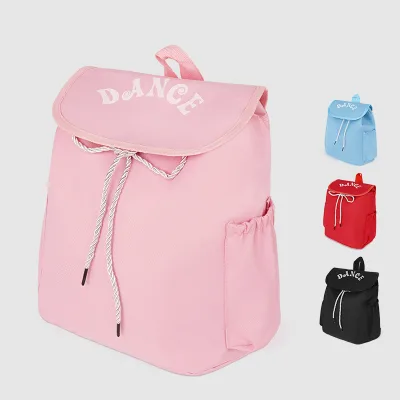
Yes, the bags are designed as unisex items suitable for all genders. While marketed as dance bags for girls, the product attributes list gender as unisex. Colors like pink, black, red, and light blue cater to various preferences. The design is versatile enough for school bags, shoe bags, or general travel use for kids, children, and adults alike.
What packaging is used for these dance bags?
The bags are packaged in OPP bags for individual protection. This packaging method is standard for retail and bulk shipping to prevent dust and damage during transit. The single gross weight is typically around 0.350 kg for larger models and 0.050 kg for smaller drawstring styles. This lightweight packaging helps reduce shipping costs while maintaining product integrity upon arrival.
Is there a minimum order quantity for customization?
The observed minimum order quantity ranges from 1 to 1000 units. This flexibility allows buyers to order small samples or larger bulk quantities. Customization services, including logo printing, are available within this range. Buyers should confirm specific MOQ requirements with the supplier for custom designs, as these may vary based on the complexity of the customization and the chosen material.