Source Adjustable Unisex Baseball Cap for retail, events, and outdoor sports
Find 27 Adjustable Unisex Baseball Cap options from verified suppliers in China. Compare features like embroidery, materials, and customization to select the right caps for retail, events, or outdoor sports.
Key considerations
Products List


Comprehensive Sourcing Guide
Strategic Sourcing Guide for Adjustable Unisex Baseball Caps
Understanding Core Product Specifications and Variability
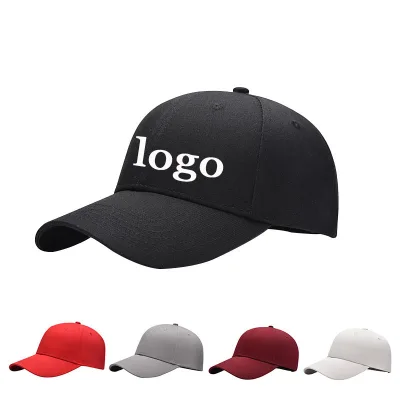
When sourcing adjustable unisex baseball caps, buyers must first navigate a landscape of diverse technical specifications that often appear contradictory in aggregated listings. The core product definition centers on a headwear item designed for adults, featuring a distinct structure with a brim and a crown. The most prevalent construction observed in the market involves a six-panel design, which provides the classic rounded silhouette associated with baseball caps. The closure mechanism is a critical differentiator; while many listings specify a plastic buckle for adjustable sizing, other variations exist that allow for a "one size fits most" fit or custom sizing solutions. The standard size range for these caps typically falls between 56cm and 60cm, though custom sizing is frequently available to meet specific demographic needs.
Material composition is another primary variable. While the dominant material cited in high-volume listings is 100% cotton, other entries reference general cotton fabric types or warp knitting methods. This distinction is vital for procurement, as 100% cotton offers specific breathability and texture characteristics, whereas warp knitting may imply different durability or drape properties. The color palette is equally diverse, ranging from standard black to colorful, multi-hue options. Buyers should verify the exact fabric type and color consistency, as "colourful" can encompass a vast array of dyeing techniques. Furthermore, the product is often marketed with a wide array of special features, including windproofing, washability, UV resistance, sun protection, quick-dry capabilities, and antimicrobial treatments. Some listings even mention niche features like ponytail holes, ear warmers, or foldability, which suggests a highly segmented market where specific functional needs dictate the product selection.
Technical Construction and Customization Capabilities
The manufacturing process for these caps involves specific pattern technologies that define the final aesthetic and structural integrity. Embroidery is the most common method cited, with flat embroidery being a specific variation that offers a smooth, professional finish suitable for brand logos. However, the customization landscape extends far beyond simple embroidery. Buyers can expect options for hot stamping, four-color printing, and UV printing for logo application. The availability of customized logos is a standard feature, allowing brands to integrate their identity directly into the product.
Customization also applies to the packaging and standard specifications. While standard packaging often involves carton boxes, clients frequently have the option for customized packaging solutions. Similarly, product standards can be either standard specifications or fully customized to meet unique regulatory or branding requirements. The production model numbers, such as HS001-12, H-H0003, or MT02, indicate that suppliers maintain distinct SKUs for different design iterations. This variety allows buyers to select a base model that aligns with their specific aesthetic or functional requirements before applying custom branding. The ability to accept custom orders is a key indicator of a supplier's flexibility, enabling the creation of unique cap designs that deviate from mass-market templates.
Compliance, Certification, and Quality Verification
In the realm of B2B procurement, verifying compliance and quality is paramount, yet the provided data presents a complex picture regarding certifications and standards. The listings mention "Standard Specifications or Customized" standards, but do not explicitly name international safety or quality certifications such as ISO or specific textile safety standards. Consequently, buyers cannot assume a product meets any specific regulatory requirement without direct verification. The origin of these products is primarily identified as China, with specific mentions of Guangdong as a manufacturing hub. This geographic concentration suggests a mature supply chain, but it also necessitates rigorous due diligence regarding local and international export compliance.
Quality control should focus on the tangible attributes listed rather than assumed certifications. Buyers must verify the "Fabric Feature," which is described as "common" in some listings, implying a need to assess the actual thread count, weave density, and colorfastness. The presence of features like "antimicrobial" or "UV resistant" claims requires physical test results to validate. Without supplied test data, these attributes should be treated as observations or potential capabilities rather than guaranteed performance metrics. The "Standard Specifications" for packaging are sometimes listed with dimensions like 10x20x8 cm, which serves as a baseline for logistics planning but should be confirmed for every specific order.
Cost Drivers and Pricing Dynamics
The cost structure for adjustable unisex baseball caps is influenced by several dynamic factors, primarily material composition, customization level, and order volume. The observed price range in the market spans from 0.99 to 3.9 USD, indicating a highly competitive market with significant variance based on quality and complexity. This wide range suggests that the lower end of the spectrum likely corresponds to basic cotton caps with minimal customization, while the higher end reflects premium materials, complex embroidery, or specialized features like UV resistance and antimicrobial treatments.
Minimum Order Quantity (MOQ) is a critical cost driver. The market data reveals a broad MOQ range from 1 to 1000 units, with some specific listings requiring volumes as high as 5000 pieces. This disparity highlights the difference between sample orders, small-batch custom runs, and large-scale mass production. Buyers must align their order volume with the supplier's MOQ to avoid prohibitive per-unit costs. Additionally, the cost of customization plays a significant role. While some suppliers offer free samples for simple designs, others charge sample fees that may be refundable upon order placement. The "Freight Collect" sample policy indicates that shipping costs are often borne by the buyer, adding to the initial procurement expense. Understanding these variables is essential for accurate budgeting and negotiating favorable terms.
Supplier Evaluation and Operational Logistics
Evaluating a supplier for baseball cap production requires a deep dive into their operational capabilities and logistical transparency. The supply chain for these products is rooted in China, specifically the Guangdong region, which is known for its textile and garment manufacturing prowess. When assessing potential partners, buyers should verify the supplier's ability to handle the full spectrum of customization, from logo printing to packaging design. The availability of "Ready Samples" and the option for "Refundable Sample Charges" are positive indicators of a supplier's confidence in their product quality and willingness to engage in the sampling process.
Lead times and sample production are also critical evaluation criteria. The standard sample time is observed to be between 7 and 10 days, which serves as a benchmark for initial prototyping. However, for custom orders involving complex embroidery or specific material sourcing, lead times may extend significantly. Buyers should explicitly request production timelines for their specific order volume and customization requirements. The "Customized" nature of the product packing and standards suggests that suppliers are flexible, but this flexibility must be balanced against potential delays. A reliable supplier will provide clear communication regarding production milestones, quality checkpoints, and shipping schedules to ensure the procurement process remains on track.
Strategic Procurement and Long-Term Considerations
For buyers looking to establish a long-term relationship with a supplier, the strategic focus should shift from transactional purchasing to collaborative development. The "Brand Retail" usage category indicates that these caps are intended for commercial distribution, making brand consistency and reliability crucial. Buyers should prioritize suppliers who demonstrate a commitment to quality control through rigorous testing of the special features listed, such as windproofing and washability. The ability to adapt to changing market trends, such as the demand for "quick dry" or "lightweight" materials, is a valuable asset for a supplier.
Long-term procurement also involves managing the risks associated with customization. While the ability to customize logos, packaging, and standards is a significant advantage, it introduces complexity into the supply chain. Buyers must ensure that all custom specifications are clearly documented and agreed upon before production begins to avoid discrepancies. Furthermore, the "Adjustable" nature of the cap, often achieved through plastic buckles or other closure mechanisms, requires consistent quality control to ensure the fit remains secure and durable over time. By focusing on suppliers who offer transparent communication, flexible customization options, and a proven track record in the textile industry, buyers can secure a reliable supply of high-quality adjustable unisex baseball caps that meet their brand's standards and market demands.
Comparative Analysis of Product Attributes
To facilitate decision-making, the following table summarizes the key attributes observed in the market, highlighting the variability buyers must navigate.
| Attribute Category | Common Observation | Variability / Customization Options |
|---|---|---|
| Material | 100% Cotton | Cotton, Warp Knitting, Custom Fabric Types |
| Closure | Plastic Buckle | Adjustable Buckle, One Size Fits Most, Custom |
| Pattern Tech | Embroidered / Flat Embroidery | Hot Stamping, Four-Color Printing, UV Printing |
| Season | Spring / Autumn | Winter, Summer, All-Season Options |
| Special Features | Windproof, Washable | UV Resistant, Quick Dry, Antimicrobial, Ponytail Hole |
| Packaging | Carton Box | Standard, Customized, Client's Option |
| Origin | China (Guangdong) | Customized Origin (Verification Required) |
| MOQ | 1 - 1000 | Up to 5000 PCS for specific models |
| Sample Time | 7-10 Days | Variable based on design complexity |
This comparison underscores the necessity for buyers to define their requirements precisely. The market offers a vast array of options, but the final product must align with the specific needs of the target audience. By carefully evaluating these attributes against the supplier's capabilities, buyers can ensure they procure a product that delivers value, quality, and brand consistency.
FAQs
What material is used for adjustable unisex baseball caps?
The primary material is 100% cotton, though some variations use warp knitting methods. Buyers should verify the specific fabric type as listings may also mention general cotton fabric or custom options depending on the supplier.
Can I customize the logo and packaging for these caps?
Yes, customized logos and packaging are standard features available for these products. Suppliers offer options like hot stamping, four-color printing, and UV printing, along with carton boxes or fully customized packaging solutions.
What is the typical minimum order quantity for these caps?
The minimum order quantity ranges from 1 to 1000 units, with some specific models requiring up to 5000 pieces. Buyers must align their order volume with the supplier's specific MOQ to ensure cost-effective procurement.
How long does it take to produce a sample?
Sample production typically takes between 7 to 10 days for standard designs. Some suppliers may offer free samples for simple designs, while others charge fees that can be refunded upon order placement.
Which closure types are available for adjustable sizing?
Most caps feature a plastic buckle for adjustable sizing, allowing the size to be modified by the back closure. Other options include one-size-fits-most designs or fully custom sizing solutions to meet specific demographic needs.
Where are these baseball caps manufactured?
These products are primarily manufactured in China, with specific production hubs located in Guangdong. Buyers should verify the exact origin and ensure compliance with local and international export regulations.