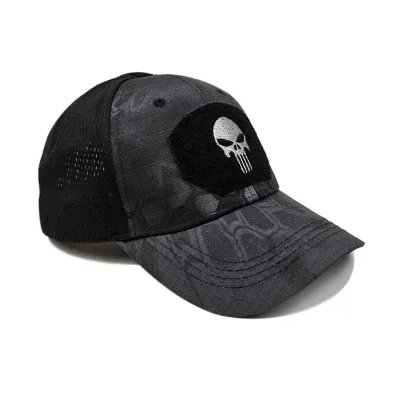
Source Adjustable Unisex Tactical Cap for outdoor, sport, and leisure
Find 30 Adjustable Unisex Tactical Cap options with features like windproof, rip-stop, and breathable materials. Buyers can compare specifications, customization, and pricing from verified Chinese manufacturers for outdoor and sport applications.
Key considerations
Products List



Comprehensive Sourcing Guide
Strategic Sourcing Guide for Adjustable Unisex Tactical Caps
The global market for tactical headwear has expanded significantly, driven by the convergence of military requirements, law enforcement needs, and the growing outdoor leisure sector. For procurement professionals seeking an Adjustable Unisex Tactical Cap, the sourcing landscape requires a disciplined approach that balances technical performance with supply chain reliability. This guide synthesizes observed market data and industry standards to provide a framework for evaluating potential suppliers and products. The focus remains on evidence-based criteria, ensuring that buyers can navigate the complexities of B2B procurement without relying on unverified claims or speculative market data.
Technical Specifications and Material Composition
When evaluating an Adjustable Unisex Tactical Cap, the primary technical differentiator lies in the material composition and structural integrity. The core product attributes observed in the current market indicate a strong preference for synthetic blends, specifically Polyester and Cotton/Polyester combinations. These materials are selected for their durability and ability to withstand harsh environmental conditions. For tactical applications, the fabric must offer a balance between breathability and protection.
A critical specification to verify is the fabric weight and weave. Market data highlights a specific standard of "rip stop 210g," which serves as a benchmark for durability. Rip-stop technology is essential for tactical gear, as it prevents small tears from propagating across the fabric, thereby extending the product's lifespan in rugged environments. The thickness of the material is generally categorized as "normal," suggesting a balance between insulation and ventilation. Buyers should confirm that the fabric meets this weight standard to ensure the cap can withstand the rigors of outdoor and leisure use without compromising comfort.
The structural design of the cap is equally important. The product type is consistently identified as a "Cap," with specific features such as an "Open Fronted" structure and "Regular" or "S-XXXL" sizing. The adjustable nature of the cap is a fundamental requirement for a unisex product, ensuring a secure fit across a wide demographic. The length specifications, often noted as "Adult" or "Fit," indicate that the design is tailored to accommodate standard adult head circumferences. When sourcing, buyers must verify that the adjustable mechanism, whether it be a buckle, strap, or Velcro closure, aligns with the "Open Fronted" description and provides a stable fit during high-movement activities.
Functional Performance and Environmental Adaptability
The functional requirements of a tactical cap extend beyond simple head coverage; they encompass protection against various environmental elements. The observed product attributes list "Windproof," "Waterproof," and "Cold-proof" as key features. These claims necessitate a rigorous verification process, as not all products labeled as tactical will possess all these capabilities simultaneously. The "Breathable" attribute is equally critical, particularly for summer applications, to prevent heat buildup and ensure user comfort during prolonged wear.
The usage scenarios for these caps are diverse, ranging from "Outdoor" and "Leisure" to specific "Sport" applications. The "Camouflage" function is also noted, indicating that a subset of the market caters specifically to tactical or military-style aesthetics. However, buyers must distinguish between aesthetic camouflage patterns and functional concealment capabilities. The "Wearproof" attribute suggests that the cap is designed to resist abrasion, a vital characteristic for tactical gear that may come into contact with rough surfaces or equipment.
To ensure the cap meets these functional demands, procurement teams should request detailed test data regarding water resistance and wind penetration. While the market lists "Waterproof" as a feature, the specific rating (e.g., hydrostatic head) is often not provided in general listings. Similarly, the "Cold-proof" claim should be backed by thermal insulation metrics. The "Rip-Stop" feature, mentioned in conjunction with the 210g standard, is a non-negotiable baseline for tactical durability. Buyers should verify that the rip-stop weave is consistent across the entire cap, including the brim and crown, to maintain structural integrity.
Compliance, Standards, and Certification Verification
In the realm of tactical gear, compliance and adherence to standards are paramount. The supply chain for these products is heavily concentrated in China, with specific origins noted in Fujian and Wuhan. While the "prod_standard" field often lists packaging dimensions (e.g., "563739" or "55.00cm * 38.00cm * 38.00cm"), true product standards regarding safety and performance are less frequently detailed in general listings. Buyers must actively seek out certifications that validate the material safety and performance claims.
There is no single universal certification for tactical caps, but industry best practices suggest looking for compliance with international textile safety standards. The "rip stop 210g" standard mentioned in the data serves as a material specification rather than a formal certification. Buyers should verify if the supplier adheres to ISO standards for textile testing or specific military specifications if the end-use is for government contracts. The absence of explicit certification data in the provided context means that procurement teams must treat all compliance claims as observations that require independent verification.
Furthermore, the "Custom Logo" support indicates that many suppliers offer branding services. This customization process must be scrutinized for compliance with intellectual property rights and safety standards regarding inks and dyes used for logos. The "Customization: Available" attribute is a significant value-add, but it introduces variables in the quality control process. Buyers should ensure that the customization method (e.g., embroidery, printing) does not compromise the "Wearproof" or "Breathable" properties of the base fabric.
Cost Drivers and Pricing Dynamics
Understanding the cost structure of tactical caps is essential for effective budgeting and negotiation. The observed price range in the market is between 1 and 10 USD, which suggests a highly competitive and volume-driven market. However, this range is broad and likely reflects variations in material quality, customization levels, and order volume. The "Min Qty" (MOQ) is observed to range from 1 to 1000, with a specific high-confidence fact noting a minimum of 100 PCS for certain products. This variability allows buyers to tailor their orders based on immediate needs versus long-term stockpiling.
Several factors drive the cost of these caps. The material composition is a primary driver; Polyester and Cotton/Polyester blends vary in price based on fiber quality and processing. The "Rip-Stop" technology and "Waterproof" treatments add to the manufacturing cost. Additionally, the "Custom Logo" service incurs additional setup and per-unit costs. The "Production Time" of 30 days is a standard lead time, but this can fluctuate based on the complexity of the customization and the supplier's current workload.
Payment terms are another critical cost consideration. The "T/T" (Telegraphic Transfer) method is the standard payment term observed. Buyers should negotiate payment schedules that align with production milestones to mitigate financial risk. The "prod_packing" specifications, such as "Carton" or "1 Poly Bag 20 Carton," also impact the final landed cost, as packaging efficiency affects shipping volume and freight charges.
Supplier Evaluation and Supply Chain Reliability
Selecting the right supplier is a critical step in the procurement process. The market data indicates that suppliers are located in specific regions of China, such as Fujian and Wuhan. These regions are known for their textile manufacturing capabilities, but buyers must conduct due diligence to ensure the supplier's reliability. The "Production Time" of 30 days is a key metric for supply chain planning. Buyers should verify the supplier's ability to meet this timeline consistently, especially during peak seasons.
The "Customization: Available" and "Custom Logo: Support" attributes suggest that many suppliers are flexible and capable of meeting specific client requirements. However, flexibility should not come at the expense of quality. Buyers should evaluate the supplier's track record in handling custom orders, including their ability to maintain consistency in color, fit, and material quality. The "prod_model" codes, such as "RX18035," "MZ06," and "M080," indicate a diverse product portfolio. Buyers should request samples of these specific models to assess the quality of the "Open Fronted" structure and the "Regular" sizing.
Supplier evaluation should also include an assessment of their quality control processes. Given the "Wearproof" and "Rip-Stop" requirements, the supplier must have robust testing protocols in place. Buyers should inquire about their internal quality assurance measures and whether they conduct random sampling or 100% inspection before shipment. The "prod_origin" being China is a common fact, but the specific city of origin (Fujian or Wuhan) can provide insights into the local supply chain ecosystem and potential logistical advantages.
Quality Control and Long-Term Procurement Strategy
Implementing a rigorous quality control (QC) strategy is essential for maintaining the integrity of the tactical cap supply. The "Standard" attributes, such as "56CM40CM38CM," refer to packaging dimensions, but the product standards for the cap itself must be verified through physical inspection. Key QC checkpoints include the integrity of the "Rip-Stop" weave, the effectiveness of the "Waterproof" treatment, and the durability of the adjustable closure mechanism.
For long-term procurement, buyers should establish a relationship with suppliers that offers stability and consistency. The "30days" production time is a baseline, but long-term partners may offer expedited options or priority scheduling. The "Custom Logo" capability should be standardized to ensure brand consistency across multiple orders. Buyers should also consider the environmental impact of the materials used, as sustainability is becoming an increasingly important factor in B2B procurement.
The "Season: Summer" attribute suggests that tactical caps are often designed for warmer climates, but the "Cold-proof" feature indicates versatility. Buyers should ensure that the product line can adapt to different seasonal demands. The "Usage: Outdoor, Leisure" and "Application: Sport" attributes highlight the dual nature of these products. A successful procurement strategy will balance the tactical requirements with the comfort needs of the end-user.
Comparison of Key Product Attributes
To facilitate decision-making, the following table summarizes the key attributes observed in the market for adjustable unisex tactical caps. This comparison highlights the variability in specifications and the need for careful verification.
| Attribute Category | Observed Values | Verification Requirement |
|---|---|---|
| Material | Polyester, Cotton/Polyester | Confirm fiber blend ratio and weight (e.g., 210g). |
| Key Features | Windproof, Rip-Stop, Breathable, Waterproof, Cold-proof | Request test data for water resistance and wind penetration. |
| Structure | Open Fronted, Adjustable | Verify fit range (S-XXXL) and closure mechanism durability. |
| Usage | Outdoor, Leisure, Sport, Body | Ensure design aligns with intended activity intensity. |
| MOQ | 1 - 1000 (High confidence: 100 PCS) | Negotiate based on budget and storage capacity. |
| Lead Time | 30 Days | Confirm ability to meet deadlines during peak seasons. |
| Origin | China (Fujian, Wuhan) | Assess logistics and potential for regional supply chain risks. |
| Customization | Available (Logo Support) | Verify color matching and print/embroidery quality. |
Conclusion
Sourcing an Adjustable Unisex Tactical Cap requires a meticulous approach that prioritizes technical specifications, material quality, and supplier reliability. The market offers a wide range of options, from basic polyester caps to advanced tactical gear with rip-stop and waterproof features. By focusing on the verified attributes such as the "rip stop 210g" standard, the "Open Fronted" structure, and the "30 days" production timeline, buyers can make informed decisions that align with their operational needs. The absence of universal certifications necessitates a proactive verification strategy, ensuring that all claims regarding performance and durability are substantiated through testing and inspection. Ultimately, a successful procurement strategy hinges on building strong relationships with suppliers who can deliver consistent quality while meeting the specific demands of the tactical and outdoor markets.
FAQs
What materials are used for adjustable unisex tactical caps?
These caps are primarily made from Polyester or Cotton/Polyester blends. This material choice ensures durability and comfort while meeting the rip stop 210g standard required for tactical applications.
Can buyers customize logos on these tactical caps?
Yes, customization is available including support for custom logos. Buyers should note that production time is typically 30 days and minimum order quantities often start at 100 pieces.
Which features make these caps suitable for outdoor use?
Key features include windproof, waterproof, and breathable properties. The rip-stop construction and wearproof design ensure the cap withstands harsh outdoor and leisure environments effectively.
How is the sizing determined for unisex tactical caps?
Sizing ranges from Regular to S-XXXL to accommodate various head sizes. The length is specified as Adult or Fit, ensuring a secure and adjustable fit for all users.
What is the minimum order quantity for these caps?
The minimum order quantity is typically 100 pieces. Some suppliers may accept orders as low as one piece, but standard bulk orders usually require at least 100 units.
Where are these tactical caps manufactured?
Manufacturing locations include Fujian and Wuhan in China. These regions are known for textile production, ensuring reliable supply chains for outdoor and tactical gear.
What packaging standards apply to these tactical caps?
Caps are packed in cartons or poly bags within cartons. Standard packaging dimensions vary, such as 56*37*39 cm, ensuring safe transport and storage during shipping.