Source Advanced Bleaching Teeth Whitening Strips for home, office, clinic
Compare 30 listings for Advanced Bleaching Teeth Whitening Strips with varying ingredients, flavors, and certifications. Buyers can evaluate options for home, office, or clinic use with MOQs ranging from 1 to 10,000 units.
Key considerations
Products List
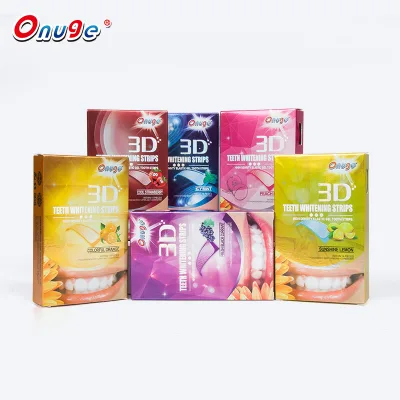
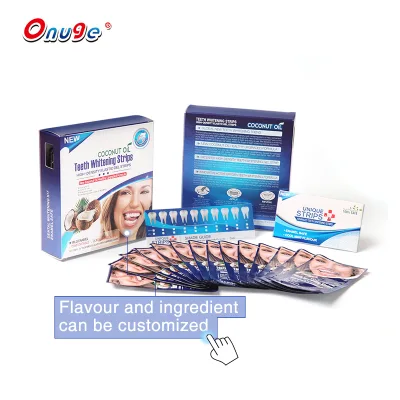
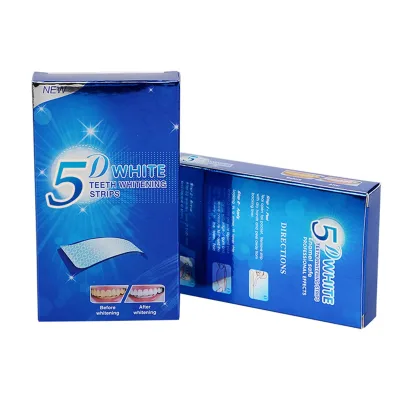

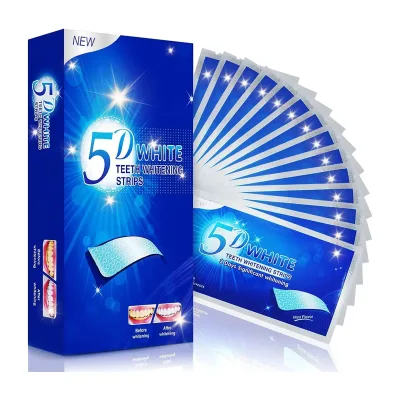
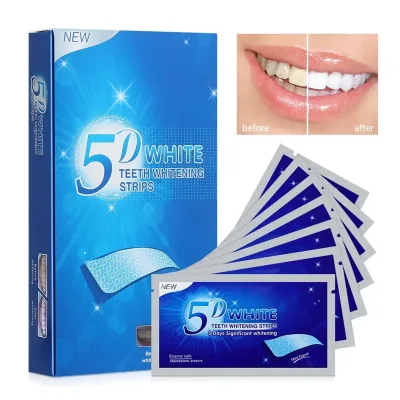
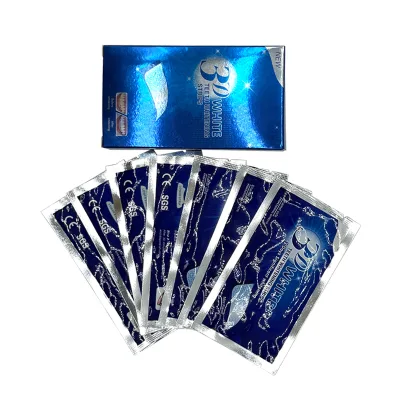
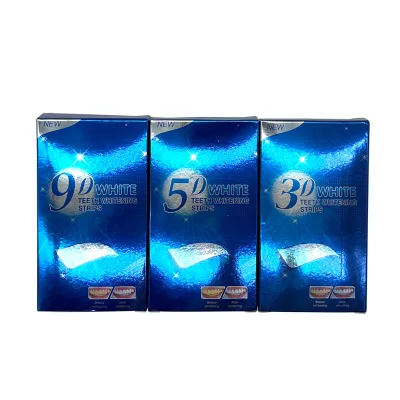
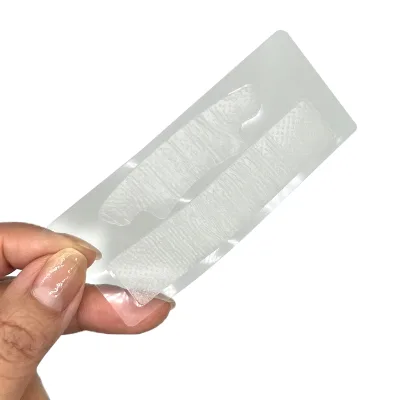
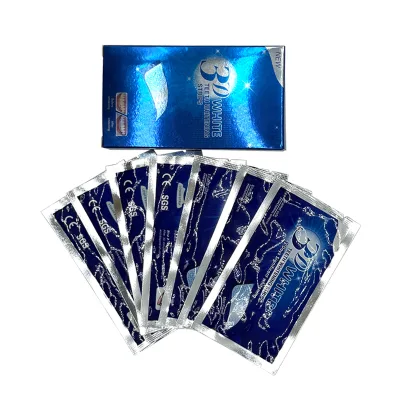
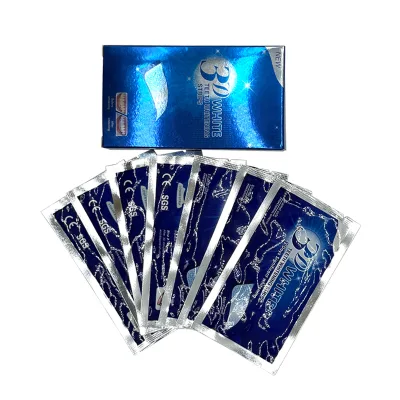
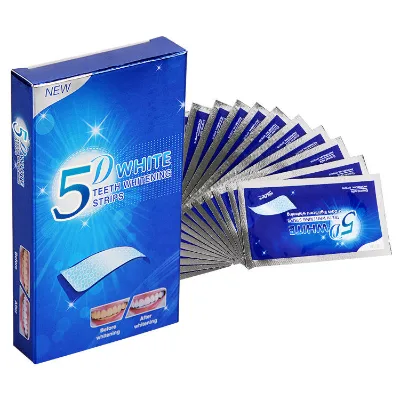


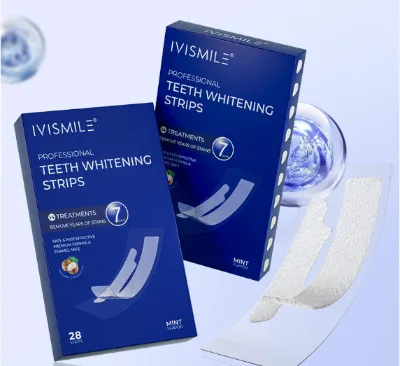

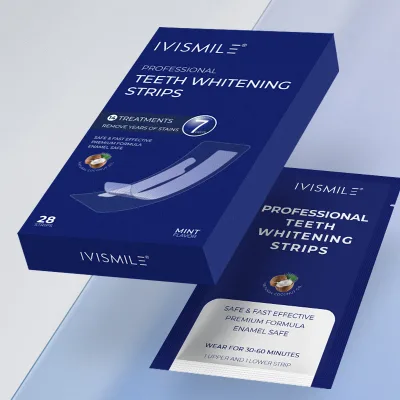


Non-Peroxide Mint Flavor Sensitive Teeth Whitening Strips Whitening Wet Strips
$3.63 - $3.65
MOQ: 10000 Bags

Private Label Residue -Free Dental Strips Organic Teeth Whitening Strips
$4.78 - $4.80
MOQ: 10000 Bags

Comprehensive Sourcing Guide
Strategic Sourcing Guide for Advanced Bleaching Teeth Whitening Strips
Understanding Product Variants and Technical Specifications
When sourcing Advanced Bleaching Teeth Whitening Strips, buyers must first navigate the diverse technical specifications available in the current market. The product landscape is not monolithic; it consists of distinct variations in formulation, packaging, and intended application. Based on current market observations, the core product is identified as "Dental Bleaching Tooth Strip Whitening Teeth Whiten Strips," designed primarily for the removal of teeth stains. A critical technical distinction lies in the active ingredients. Some listings indicate the availability of non-peroxide formulations, while others specify a 6% hydrogen peroxide (HP) concentration. This variance is significant because the concentration directly dictates the bleaching efficacy and the potential for tooth sensitivity. Buyers must verify the exact chemical composition before placing orders, as the mechanism of action differs between peroxide-based and non-peroxide alternatives.
Packaging specifications also vary widely, influencing logistics and retail presentation. Observed data shows single package sizes ranging from approximately 11.7 cm by 6.7 cm by 1.7 cm to larger formats measuring 13 cm by 14 cm by 5 cm. The unit count per box is another key variable; standard configurations include 7 pairs per box or 14 pairs per box. These differences impact the gross weight, which has been observed ranging from 0.03 kg for smaller units to 0.150 kg or even 0.500 kg for larger cartons. The material composition is typically described as "teeth whitening gel" contained within a strip, though some descriptions reference "food grade pc," suggesting variations in the backing material or packaging substrate. Understanding these physical attributes is essential for calculating shipping costs and determining the optimal product mix for different market segments.
Compliance, Certification, and Regulatory Verification
Navigating the regulatory landscape is paramount when importing dental care products. The market listings indicate that suppliers often provide specific certifications, including MSDS (Material Safety Data Sheet), ISO standards, CE marks, and FCC/SDS/ROHS compliance. However, buyers must exercise caution and treat these as supplier-claimed attributes rather than universal guarantees. The presence of an MSDS is critical for understanding the chemical safety of the bleaching agents, particularly for products containing hydrogen peroxide. Similarly, the CE mark suggests conformity with health, safety, and environmental protection standards for products sold within the European Economic Area, but this must be verified against the specific target market's regulations.
The supply chain also references standards such as ISO 13485 for medical devices and ISO 9001:2015 for quality management, alongside ISO 22716:2007 for cosmetic good manufacturing practices. While these are listed in background data, they should not be assumed to apply to every product without direct verification from the supplier. For advanced bleaching strips, which often border the line between cosmetic and medical devices depending on the active ingredient concentration, the distinction is vital. A product claiming to be a cosmetic whitener may face different regulatory hurdles than one marketed as a medical bleaching device. Buyers should request valid, up-to-date certificates for the specific batch or model number being procured. Additionally, the "food grade" designation mentioned in some material descriptions requires rigorous scrutiny to ensure it aligns with the safety standards of the destination country's food and drug administration.
Cost Drivers and Pricing Structure Analysis
The pricing structure for teeth whitening strips is influenced by several dynamic factors, including formulation complexity, packaging volume, and order quantity. The observed price range in the market spans from $0.01 to $6.91 USD per unit, a wide disparity that reflects differences in brand positioning, ingredient quality, and order volume. The lower end of this spectrum likely corresponds to basic, non-peroxide formulations or bulk generic packaging, while the higher end may reflect specialized 6% HP formulations, custom branding, or smaller retail-ready packs.
A primary cost driver is the Minimum Order Quantity (MOQ). The market data indicates an MOQ range from 1 unit to 10,000 units. For buyers seeking to minimize upfront capital expenditure, suppliers with an MOQ of 1 or 100 are accessible, allowing for market testing. However, achieving the most competitive unit price typically requires negotiating higher volume orders, potentially approaching the 10,000-unit threshold. Supply ability is another factor; some suppliers claim a capacity of 1,000,000 boxes per week, which suggests they can accommodate large-scale orders without significant lead time delays. Conversely, smaller suppliers may have tighter constraints. Buyers should also consider the cost implications of customization services like OEM (Original Equipment Manufacturer) and custom packaging, which often incur additional setup fees or higher per-unit costs compared to standard stock items.
Typical Applications and Target Demographics
The versatility of advanced bleaching strips allows them to serve multiple application environments. The product attributes explicitly list usage scenarios including home use, office use, and clinic use. This tripartite application strategy expands the potential customer base significantly. For home use, the product is marketed as a convenient solution for individuals seeking to remove stains without visiting a dental professional. The "office use" category suggests a niche market for professionals who require quick, discreet whitening solutions, potentially leveraging the compact packaging sizes observed in the market. Clinic use implies a professional-grade application, where the strips might be used as a supplementary treatment or a take-home kit prescribed by dentists.
Target demographics are also clearly defined. The age specification consistently points to "above 12" years old, with an age group categorized as "Adult." This restriction is likely due to the potential effects of bleaching agents on developing dentition in younger children. The flavor profiles, ranging from various fruit strips to mint flavors, are designed to enhance user compliance and mask the taste of the active ingredients. The "Advanced" nature of these strips often implies a focus on efficacy for adult users who may have accumulated years of staining from coffee, tea, or tobacco. The "dental use" feature further reinforces the product's positioning as a specialized tool for oral hygiene rather than a general cosmetic item.
Supplier Evaluation and Operational Capabilities
Evaluating a supplier for teeth whitening strips requires a holistic view of their operational capabilities and service offerings. Key attributes to verify include the place of origin, which is frequently listed as Guangdong or Shaanxi, China, and the port of dispatch, typically Guangzhou or Shenzhen. These locations are major manufacturing and logistics hubs, which can facilitate efficient shipping. However, buyers should confirm the specific factory location to assess the supply chain's resilience and the potential for quality control audits.
Service flexibility is a critical differentiator. Suppliers offering "Wholesales, retails, OEM" services provide a range of options for different buyer profiles. OEM services, including custom packaging and logo application (e.g., "KAIXIN" or "Onuge"), are essential for brands looking to establish a unique market presence. The ability to accept custom orders with varying MOQs is also a strong indicator of a supplier's adaptability. Buyers should also examine the shelf life and expiry guarantees; a standard two-year quality guarantee or 24-month shelf life is common, but this must be aligned with the buyer's inventory turnover rates to prevent stock obsolescence. Additionally, the availability of different flavors and colors (such as blue or white packaging) allows for product differentiation, which is a valuable asset in a competitive market.
Quality Control and Long-Term Procurement Considerations
Implementing a robust quality control (QC) strategy is essential for maintaining brand integrity and consumer safety. Given the chemical nature of bleaching strips, consistent gel application and strip adhesion are critical quality metrics. Buyers should request detailed product specifications, including the single gross weight and package dimensions, to ensure consistency across batches. The "Two years quality guarantee" mentioned in some listings serves as a baseline, but buyers should establish their own QC protocols, such as random sampling for seal integrity and gel leakage.
Long-term procurement considerations involve building a sustainable supply chain. The "Supply Ability" of 1,000,000 boxes per week suggests that high-volume suppliers can support long-term growth, but buyers must verify this capacity during peak seasons. Lead times, while not explicitly detailed in the provided facts, are a crucial factor in inventory planning. Buyers should negotiate clear timelines for production and dispatch from ports like Guangzhou or Shenzhen. Furthermore, the "Warranty" of 1 year for certain product lines indicates a supplier's confidence in their manufacturing process, which can be a proxy for overall reliability.
To mitigate risks, buyers should diversify their supplier base and avoid over-reliance on a single source. Regular audits of the manufacturing facility, particularly regarding the "food grade" materials and "teeth whitening gel" production processes, are recommended. Finally, staying informed about evolving standards and certifications, such as the specific ISO standards referenced in the background data, will ensure that the procurement strategy remains compliant with international regulations. By focusing on these technical, regulatory, and operational factors, buyers can secure a reliable supply of Advanced Bleaching Teeth Whitening Strips that meet both market demands and safety standards.
FAQs
What are the available active ingredients for these strips?
The strips are available with non-peroxide formulations or a 6% hydrogen peroxide concentration. Buyers must verify the exact chemical composition before ordering, as the concentration dictates bleaching efficacy and sensitivity levels.
Which certifications do the suppliers typically provide?
Suppliers often provide MSDS, ISO, CE, FCC, and ROHS certificates. Buyers should request valid, up-to-date certificates for the specific batch or model number to ensure compliance with target market regulations.
How does the minimum order quantity vary for these products?
The minimum order quantity ranges from 1 to 10,000 units depending on the supplier. Lower MOQs allow for market testing, while higher volumes typically secure more competitive unit prices and better supply capacity.
Can these strips be customized for specific branding needs?
Yes, suppliers offer OEM services including custom packaging and logo application. This allows brands to establish a unique market presence, though customization may incur additional setup fees compared to standard stock items.
What is the typical shelf life and quality guarantee period?
The standard shelf life is 24 months with a two-year quality guarantee. Buyers should align this duration with their inventory turnover rates to prevent stock obsolescence before the product expires.
Where are the primary manufacturing locations and dispatch ports?
Products originate from Guangdong or Shaanxi, China, with dispatch ports in Guangzhou or Shenzhen. These locations are major logistics hubs that facilitate efficient shipping, but factory location audits are recommended for quality control.