Source Advanced Collagen Snail Repairing Cream for face, body, and night care
Compare 30 options of Advanced Collagen Snail Repairing Cream from verified suppliers in China. Buyers can evaluate formulations featuring snail extract, hyaluronic acid, and vitamin C for anti-aging, whitening, and moisturizing needs across all skin types.
Key considerations
Products List








Comprehensive Sourcing Guide
Strategic Sourcing Guide for Advanced Collagen Snail Repairing Cream
Understanding Product Specifications and Formulation Profiles
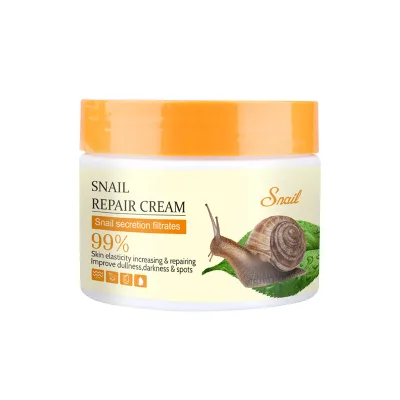
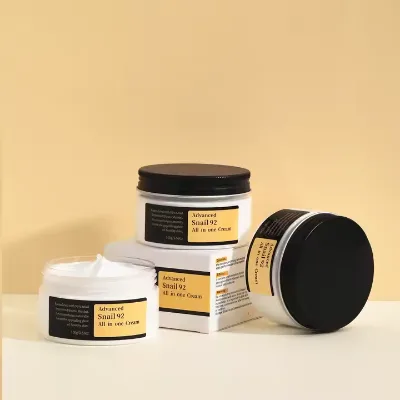
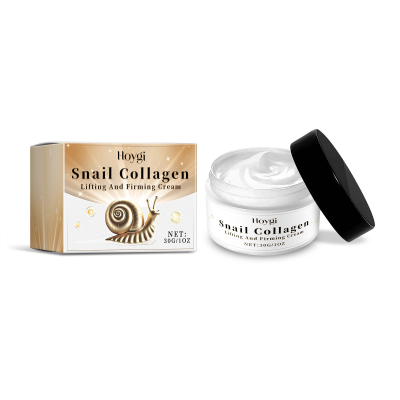
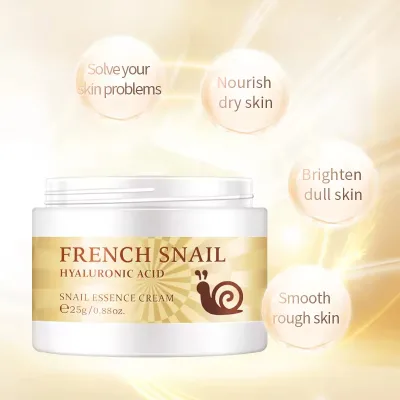
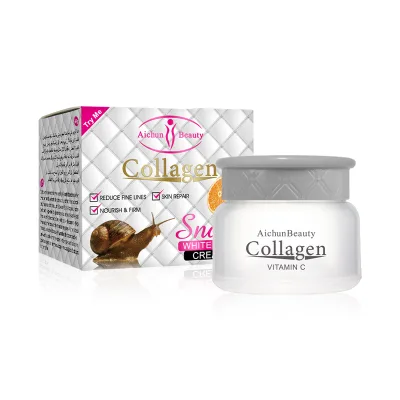
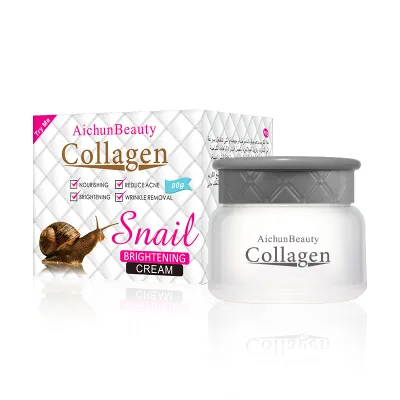
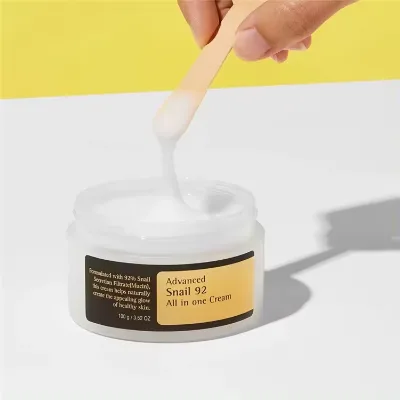
When sourcing an Advanced Collagen Snail Repairing Cream, buyers must first establish a precise understanding of the product's technical specifications. The market offers variations in formulation, with specific listings highlighting a combination of potent active ingredients designed for comprehensive skin repair. The core formulation typically centers on snail extract, often listed as a primary active component, working in synergy with collagen and Vitamin E to support skin regeneration. Additional formulations may incorporate Aloe Vera, Hyaluronic Acid, and Vitamin C to enhance hydration and brightening effects.
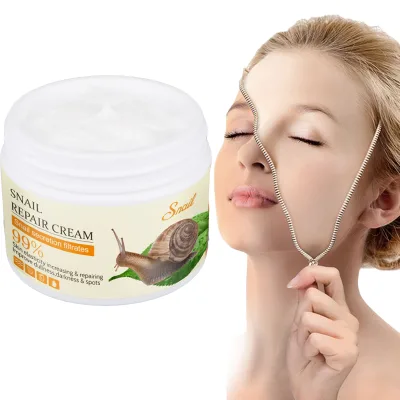
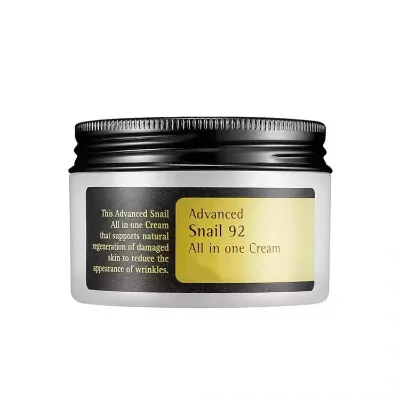
The physical attributes of the product are equally critical for logistics and shelf-life planning. Standard packaging volumes observed in the market include 50ml and 100g options, with customization available to meet specific branding requirements. The product generally presents as a white cream with a texture suitable for both day and night application, though some specific variants are optimized for night-time repair while others are formulated for daytime use. The single package dimensions are compact, typically ranging from 6x5x5 cm to 6x6x5 cm, with a net weight of approximately 50 ml to 100g depending on the selected volume. The shelf life is a significant factor in inventory management, with standard industry expectations for these formulations often extending up to three years when stored correctly.
Buyers should note that while the core keyword implies a specific "advanced" formulation, the actual ingredient profile can vary between suppliers. Some listings emphasize a "private label" or "OBM" (Original Brand Manufacturing) model, allowing for significant customization of the formula. Others may feature specific certifications such as being sulfate-free, silicone-free, paraben-free, and cruelty-free. The target demographic is primarily adults, with specific attention to all skin types, including those seeking anti-wrinkle, whitening, and firming benefits. The product is categorized as a facial moisturizer and skin revitalizer, addressing concerns such as pigmentation, blemishes, and pore shrinking.
Compliance Verification and Certification Standards
Navigating the regulatory landscape is a fundamental step in sourcing skincare products, particularly those claiming advanced repair capabilities. The global market for cosmetics is subject to varying regulations, and verifying compliance is essential to mitigate legal and reputational risks. In the context of sourcing from major manufacturing hubs like Guangdong, China, buyers should expect suppliers to provide documentation for key international standards.
Common certifications observed in this product category include EEC (European Economic Community) compliance, FDA (Food and Drug Administration) registration, GMP (Good Manufacturing Practice), and MSDS (Material Safety Data Sheet) availability. These documents serve as evidence that the manufacturing facility adheres to specific hygiene, safety, and quality control protocols. However, it is crucial for buyers to verify the validity of these certifications directly with the issuing bodies rather than relying solely on supplier assertions. The presence of a GMP certificate, for instance, indicates that the production environment meets strict quality standards, while FDA registration suggests the facility is recognized by US authorities, though it does not necessarily imply product approval in all jurisdictions.
Furthermore, ingredient safety is paramount. Buyers should verify that the product is free from prohibited substances in their target markets. Many suppliers highlight "Sulfate-Free," "Silicone-Free," and "Paraben-Free" formulations as key selling points, aligning with consumer demand for cleaner beauty products. Additional claims such as "Vegan," "Organic," and "Cruelty-Free" require specific documentation to substantiate. For example, a "Cruelty-Free" claim often requires certification from recognized animal welfare organizations, while "Organic" status depends on adherence to specific agricultural and processing standards.
The origin of the product also plays a role in compliance. Products originating from China must meet the import regulations of the destination country. For the European market, this involves compliance with the EU Cosmetics Regulation (EC) No 1223/2009, which mandates a Product Information File (PIF) and a safety assessment by a qualified safety assessor. In the United States, the FDA regulates cosmetics under the Federal Food, Drug, and Cosmetic Act, focusing on labeling and safety rather than pre-market approval. Buyers must ensure that their suppliers can provide the necessary documentation to clear customs and meet local regulatory requirements.
Cost Drivers and Pricing Dynamics
The pricing of Advanced Collagen Snail Repairing Cream is influenced by a complex interplay of factors, including ingredient quality, packaging, customization levels, and order volume. The observed price range in the market spans from approximately $0.60 to $7.00 USD per unit, reflecting the diversity of product tiers available. This wide range indicates that price is not solely a function of the product's existence but is heavily dependent on the specific configuration and the level of service provided.
One of the primary cost drivers is the concentration and quality of active ingredients. Formulations featuring high-purity snail extract, premium collagen, and stabilized Vitamin C or Hyaluronic Acid will command higher prices compared to those with lower concentrations or synthetic alternatives. The inclusion of additional beneficial ingredients like Aloe Vera, Shea Butter, or Green Tea can also increase the formulation cost. Buyers should request detailed ingredient breakdowns to understand the value proposition of each price point.
Packaging and branding are significant secondary cost factors. The standard single package size is compact, but the choice of packaging material—whether glass, plastic, or airless pumps—can drastically affect the unit cost. Customized packaging, including private labeling and logo application, adds to the overall expense. Suppliers offering OEM (Original Equipment Manufacturer) and ODM (Original Design Manufacturer) services typically charge a premium for these customization capabilities, as they involve additional design, tooling, and quality control processes.
Order volume is another critical determinant of cost. The Minimum Order Quantity (MOQ) for these products typically ranges from 3 pieces to 1,000 pieces, with lower MOQs often associated with higher unit prices. Bulk orders allow suppliers to optimize production runs and reduce per-unit costs, making them more attractive for established brands. Buyers should negotiate based on their projected volume, keeping in mind that the MOQ can vary significantly depending on whether the product is a standard stock item or a fully customized private label solution.
Typical Applications and Target Market Segmentation
The Advanced Collagen Snail Repairing Cream is designed to address a wide spectrum of skincare concerns, making it versatile for various market segments. The primary applications focus on anti-aging, skin whitening, and repair. The product is marketed as a solution for adults seeking to reduce the appearance of wrinkles, improve skin texture, and achieve a more even skin tone. The inclusion of ingredients like snail extract and collagen targets the restoration of skin elasticity and firmness, while Vitamin C and other brightening agents address pigmentation and dullness.
The product is suitable for all skin types, which broadens its market appeal. Whether the target consumer has dry, oily, combination, or sensitive skin, the formulation aims to provide nourishing and moisturizing benefits without causing irritation. The "All Skin Types" claim is a significant advantage for retailers looking to stock a single SKU that can serve a diverse customer base. Additionally, the product is often positioned as a gender-neutral or female-specific skincare item, with specific marketing materials targeting female demographics.
In terms of usage, the cream is versatile enough to be used as part of a daily skincare routine. Some formulations are optimized for night-time application, leveraging the skin's natural repair cycle during sleep, while others are designed for daytime use, potentially offering a lighter texture or added sun protection properties. The product can be integrated into various skincare regimens, from basic moisturizing routines to advanced anti-aging protocols.
The target market also includes the growing segment of consumers interested in "clean beauty" and ethical sourcing. The presence of certifications such as "Vegan," "Cruelty-Free," and "Organic" appeals to environmentally conscious buyers. These consumers are often willing to pay a premium for products that align with their values, making the Advanced Collagen Snail Repairing Cream a strong candidate for niche markets.
Supplier Evaluation and Selection Criteria
Selecting the right supplier is critical to the success of any procurement strategy. Buyers should evaluate potential partners based on a comprehensive set of criteria that goes beyond price and product specifications. The first step is to verify the supplier's manufacturing capabilities and capacity. Suppliers offering OEM, ODM, and private label services should demonstrate a robust infrastructure capable of handling both small and large orders. The ability to customize formulations, packaging, and branding is a key differentiator, allowing buyers to create a unique product identity.
Quality control systems are another vital consideration. Buyers should inquire about the supplier's internal quality assurance processes, including raw material testing, in-process controls, and final product inspection. The presence of certifications like GMP and ISO standards can provide confidence in the supplier's commitment to quality. Additionally, buyers should request samples to evaluate the product's texture, scent, and performance firsthand.
Communication and responsiveness are also important factors. A reliable supplier should be transparent about their capabilities, lead times, and any potential challenges. They should be willing to provide detailed documentation, including certificates of analysis, safety data sheets, and compliance reports. The supplier's location, typically in Guangdong, China, should be considered in terms of logistics and shipping costs, as well as the time zone difference for effective communication.
Finally, buyers should assess the supplier's financial stability and reputation. A supplier with a long history of successful transactions and positive feedback from other clients is more likely to deliver consistent quality and service. Checking for any history of regulatory violations or product recalls can also help mitigate risks. By conducting a thorough due diligence process, buyers can identify suppliers that are capable of meeting their specific needs and supporting their long-term business goals.
Quality Control and Long-Term Procurement Considerations
Ensuring consistent quality is a continuous process that extends beyond the initial purchase. Buyers should implement a robust quality control plan that includes regular sampling, testing, and inspection. This plan should cover all aspects of the product, from raw material sourcing to final packaging. Regular audits of the supplier's facilities can help identify potential issues before they impact the product quality.
Long-term procurement considerations involve building a strategic partnership with the supplier. This relationship should be based on mutual trust, clear communication, and shared goals. Buyers should work with suppliers to optimize the supply chain, reduce costs, and improve efficiency over time. This may involve negotiating better pricing terms, consolidating orders, or exploring new product variations.
Sustainability is another emerging consideration in the skincare industry. Buyers should evaluate the supplier's commitment to sustainable practices, such as using eco-friendly packaging, reducing waste, and sourcing ingredients responsibly. This not only aligns with consumer trends but also helps future-proof the business against potential regulatory changes.
Finally, buyers should plan for scalability. As the business grows, the supplier should be able to increase production capacity without compromising quality. This requires a supplier with a flexible manufacturing process and a strong supply chain network. By focusing on these long-term considerations, buyers can ensure a stable and successful procurement strategy for Advanced Collagen Snail Repairing Cream.
Comparative Analysis of Product Variants
To assist buyers in making informed decisions, the following table compares key attributes of common product variants found in the market. This comparison highlights the differences in formulation, packaging, and certification that may influence procurement choices.
| Attribute | Variant A (Standard) | Variant B (Premium) | Variant C (Customized) |
|---|---|---|---|
| Main Ingredients | Snail Extract, Collagen, Vitamin E | Snail Extract, Collagen, Vitamin E, Hyaluronic Acid, Vitamin C | Customizable (e.g., Aloe Vera, Shea Butter) |
| Volume | 50ml | 100g | Customized |
| Packaging | Standard Box (6x6x5 cm) | Premium Box (6x5x5 cm) | Customized Design |
| Certifications | GMP, MSDS | GMP, FDA, EEC, MSDS | GMP, FDA, EEC, MSDS, Organic |
| MOQ | 3 pcs | 100 pcs | 1000 pcs |
| Shelf Life | 3 Years | 3 Years | 3 Years |
| Application | Night | Day/Night | Day/Night |
| Key Features | Anti-Wrinkle, Moisturizing | Anti-Wrinkle, Whitening, Firming | Full Customization |
This table illustrates that while the core functionality remains consistent, the level of customization and certification varies significantly. Buyers should align their choice with their specific market requirements and budget constraints.
FAQs
What are the main ingredients in the Advanced Collagen Snail Repairing Cream?
The cream typically contains snail extract, collagen, and Vitamin E as primary actives. Additional formulations often include Aloe Vera, Hyaluronic Acid, and Vitamin C to support hydration and brightening effects for all skin types.
Can buyers customize the packaging and branding for this product?
Yes, customization is available for private labeling, logos, and packaging designs. Suppliers offer OEM and ODM services allowing buyers to specify volumes like 50ml or 100g with customized box packaging and branding.
Which certifications should buyers verify for this skincare cream?
Buyers should verify certifications such as EEC, FDA, GMP, and MSDS availability. These documents confirm adherence to hygiene and safety protocols, though validity must be checked directly with issuing bodies before procurement.
How does the minimum order quantity affect the unit price?
The minimum order quantity ranges from 3 to 1000 pieces, influencing the final cost. Lower MOQs often result in higher unit prices, while bulk orders allow suppliers to optimize production and reduce per-unit costs significantly.
What is the shelf life and storage requirement for this cream?
The standard shelf life is three years when stored correctly. Buyers should plan inventory management around this duration, ensuring proper storage conditions are maintained to preserve the efficacy of ingredients like snail extract and collagen.
Which skin types and age groups is this cream suitable for?
The product is formulated for all skin types and primarily targets adult consumers. It addresses concerns like anti-aging, whitening, and wrinkle reduction, making it versatile for diverse customer demographics seeking skin revitalization.
What is the typical price range for sourcing this advanced cream?
The observed price range spans from 0.60 to 7.00 USD per unit depending on configuration. Pricing varies based on ingredient quality, packaging choices, and the level of customization required for private label or OBM models.