Source Advertising Display Inflatable Shield for Events, Beaches, and Pools
Find 30 suppliers offering the Advertising Display Inflatable Shield for outdoor events, beach advertising, and poolside displays. Buyers can compare sizes, materials, and customization options to select the right solution for their needs.
Key considerations
Products List


Inflatable Logo Billboard Advertising Banner Custom Inflatable Sign Brand Printing
$159.00 - $600.00
MOQ: 1 Pieces


TPU Inflatable Display Model for Trade Shows, Waterproof—Inflatable Model
$69.00 - $159.00
MOQ: 1 Pieces

Waterproof Portable TPU Inflatable Display Model, Custom—Inflatable Model
$69.00 - $159.00
MOQ: 1 Pieces

TPU Inflatable Portable Display Model, Waterproof, Green—Inflatable Model
$69.00 - $159.00
MOQ: 1 Pieces


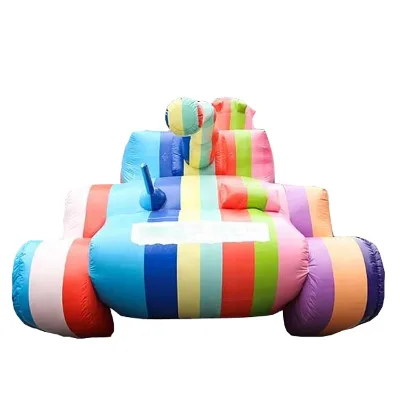
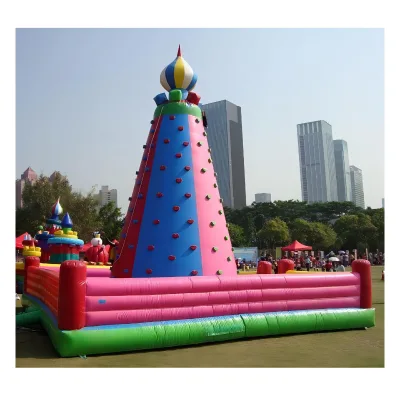
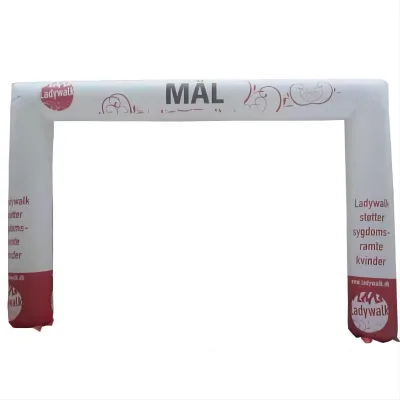
Advertising Inflatable Archway with Printed logo and Advertisement Display
$399.00 - $899.00
MOQ: 1 Minimum
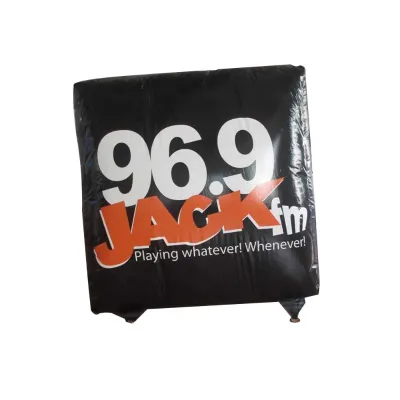

Custom Design Outdoor Advertising Inflatable Pillar for Promotion Sports Event
$99.00 - $299.00
MOQ: 1 Pieces
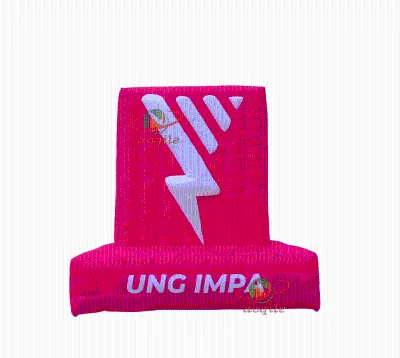
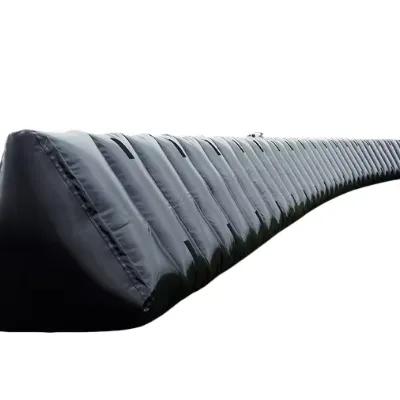
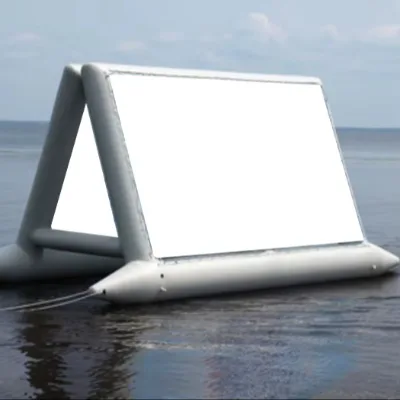
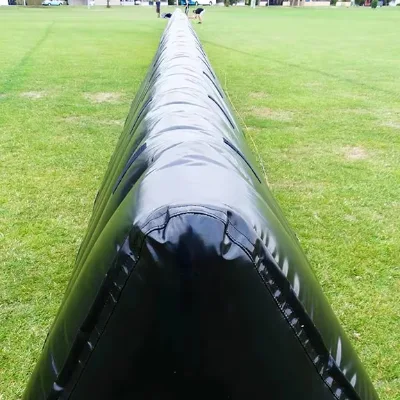
Comprehensive Sourcing Guide
Strategic Sourcing Guide for Advertising Display Inflatable Shields
Understanding Product Definitions and Core Variants
In the B2B procurement landscape, the term "Advertising Display Inflatable Shield" often encompasses a broad spectrum of promotional structures, ranging from rigid-looking billboards to flexible archways and floating units. Based on available market data, these products are primarily categorized by their structural form and intended deployment environment. The most common variants identified in current listings include the "Inflatable Billboard," "Inflatable Arch," and "Inflatable Floating Billboard." While the core keyword suggests a shield-like barrier, the functional reality in the advertising sector frequently involves vertical display surfaces or overhead arches designed to capture attention in high-traffic areas.
The "Inflatable Billboard" is a dominant category, often specified with heights ranging from 1 to 5 meters, with specific models available at 3 meters, 5 meters, or fully customized dimensions. These units are engineered to serve as large-scale outdoor advertising media, utilizing high-visibility graphics printed on durable materials. Distinct from standard billboards, these structures rely on continuous air pressure to maintain their shape, offering a dynamic visual presence that static structures cannot match. Another significant variant is the "Inflatable Arch," which serves as a gateway or entrance marker, often utilized in events to create a branded threshold. Additionally, specialized units such as "inflatable floating billboards" are designed for aquatic environments, including swimming pools, beaches, water parks, lakes, and rivers, expanding the reach of advertising campaigns to recreational water zones.
The material composition is a critical differentiator among these variants. The primary material cited for these structures is PVC (Polyvinyl Chloride), selected for its balance of durability, flexibility, and resistance to environmental factors. Some listings also reference "Strong Oxford Cloth" or "PVC Tarpaulin" in the context of packaging or specific fabric grades, indicating that material selection can vary based on the specific application and durability requirements. The customization options are extensive, with suppliers offering "Customized" solutions where size, color, and graphics are tailored to the client's specific branding needs. This flexibility allows buyers to adapt the product to unique spatial constraints or branding guidelines, ensuring the "Advertising Display Inflatable Shield" functions effectively as a targeted marketing tool.
Technical Specifications and Performance Metrics
When evaluating the technical specifications of inflatable advertising displays, buyers must focus on dimensions, inflation mechanisms, and material integrity. The physical dimensions are a primary consideration, with observed height ranges spanning from 1 to 5 meters. Specific standard models are available at 1.8 meters, 3 meters, and 5 meters, though the market also supports fully custom sizing where the buyer can specify "as You Require" or "Different Size Can Be Chosen as Your Wish." The width and depth of these units are similarly flexible, often falling within a range of 1.5 to 6 meters, allowing for the creation of massive visual statements or compact, targeted displays.
The inflation system is the heart of the product's operation. Most units utilize a "Constant Blower" or an "Airtight" system to maintain structural integrity. The inflation method is consistently described as "Air Compression," utilizing "Air" as the primary gas. The blower requirements are often standardized, with accessories including "CE/UL Inflatable Pump" units to ensure safe and reliable operation. The anti-wind capability is a crucial technical metric, with products rated as having "Strong" resistance to wind forces, a necessary feature for outdoor deployment where weather conditions can be unpredictable.
Material properties further define the product's longevity and performance. The primary material, PVC, is noted for being "Waterproof," making these displays suitable for outdoor use regardless of precipitation. The construction technique is typically "Sewing," which ensures the seams are robust enough to withstand the internal pressure of the blower and external wind loads. The durability of the product is further supported by a standard warranty period of 3 years, indicating a manufacturer's confidence in the material's resistance to wear and tear. Additionally, the inclusion of "Repair Kits" in the package suggests that the design anticipates potential minor damages and provides the buyer with the means to maintain the asset in the field. The "Features" of these products are generally described as durable, attractive, versatile, safe, and environmentally friendly, reflecting a holistic approach to product design that balances aesthetics with functional resilience.
Compliance, Certification, and Safety Standards
Navigating the regulatory landscape is essential for B2B procurement, particularly when importing goods for international markets. The supplied data indicates a strong emphasis on compliance, with several key certifications and standards frequently appearing in product specifications. The most prominent certification observed is "CE," which signifies conformity with health, safety, and environmental protection standards for products sold within the European Economic Area. This certification is often listed alongside "UL" (Underwriters Laboratories) and "SGS" (Société Générale de Surveillance), suggesting that reputable suppliers adhere to rigorous international safety and quality benchmarks.
The presence of "UV" certification is particularly relevant for outdoor advertising displays, as it implies that the materials and inks used are resistant to ultraviolet radiation, preventing fading and degradation under direct sunlight. This is a critical factor for the longevity of the advertising message. Furthermore, the products are described as meeting "ENUsage:Advertising" standards, which may refer to specific European norms governing the usage of advertising equipment. While some background information mentions standards like "EN14960" or "ASTM F2374," these should be treated as general industry references rather than guaranteed attributes of every listed product. Buyers must verify that the specific unit they purchase carries the necessary documentation to meet local regulations in their target market.
Safety is also addressed through the design of the inflation system. The use of "CE/UL Inflatable Pump" accessories ensures that the electrical components powering the blower meet safety standards for electrical equipment. The "Waterproof" nature of the PVC material and the "Strong" anti-wind capability contribute to the overall safety of the installation, reducing the risk of collapse or structural failure in adverse weather. The "Warranty: 3 Years" serves as a formal acknowledgment of the product's compliance with quality expectations, providing a layer of protection for the buyer. When sourcing, it is imperative to request copies of these certificates to ensure that the specific batch of goods being purchased is compliant, rather than relying solely on general supplier claims.
Cost Drivers and Pricing Structure Analysis
The pricing of advertising display inflatable shields is influenced by a complex interplay of factors, including customization, material quality, and order volume. The observed price range in the market is extensive, spanning from $2.04 to $3,989 USD. This wide variance reflects the diversity of products available, from small, simple arches to large, custom-engineered billboards with complex printing and specialized blower systems. The Minimum Order Quantity (MOQ) also plays a significant role in cost determination, with observed ranges from 1 piece to 500 pieces. This flexibility allows buyers to procure single units for testing or small events, as well as bulk orders for large-scale campaigns.
Several specific cost drivers must be considered. First, the level of customization is a primary determinant. Products that are "Customized" or "Custom Printing" often command higher prices due to the additional design, prototyping, and production time required. The size of the unit is another critical factor; larger dimensions require more material and more powerful blowers, directly increasing the cost. The material grade, while generally PVC, can vary in thickness and quality, affecting both the price and the durability of the final product. Additionally, the inclusion of accessories such as repair kits, specific blower types, and specialized packaging (e.g., "PVC Bag or Carton" vs. "PVC Tarpaulin Bag") can influence the final unit price.
The pricing terms are typically quoted on an EXW (Ex Works) basis, meaning the price includes the cost of the goods at the supplier's location but excludes shipping, insurance, and import duties. Buyers must factor in logistics costs, which can be significant given the volume and weight of inflatable structures. The payment terms often require a deposit, with one listing specifying "35% as Deposit, Balance Before Shipment," which is a standard practice in international trade to mitigate risk for both parties. Lead times are also a cost consideration, with delivery times ranging from 3-4 days to 3-7 working days after payment. While these lead times are relatively short, they can vary based on the complexity of the order and the supplier's current workload. Understanding these cost drivers allows buyers to budget accurately and negotiate effectively with potential suppliers.
Typical Applications and Deployment Scenarios
The versatility of advertising display inflatable shields makes them suitable for a wide array of applications across various industries. The primary use case is "Outdoor Advertising," where these structures serve as high-visibility billboards in urban centers, highways, and public squares. Their ability to be customized in size and shape allows them to fit into diverse urban landscapes, from narrow alleyways to expansive plazas. The "Inflatable Billboard" is particularly effective for brand awareness campaigns, as its dynamic, moving nature attracts more attention than static signage.
Beyond traditional outdoor advertising, these products have specialized applications in the leisure and hospitality sectors. The "Inflatable Floating Billboard" is specifically designed for aquatic environments, including "Swimming Pool, Beach, Water Park, Lake, River, Sho" (likely short for Shore). This application allows brands to reach audiences in recreational settings, creating a unique and memorable brand experience. The "Inflatable Arch" is commonly used as an entrance marker for events, festivals, sports competitions, and trade shows. Its role as a gateway creates a ceremonial atmosphere and reinforces brand presence at the point of entry.
The "Useage" of these products extends to promotional events, product launches, and corporate gatherings. The "Customized" nature of the product allows companies to tailor the display to specific event themes or branding requirements. The "Durable" and "Waterproof" characteristics ensure that these displays can withstand the rigors of outdoor events, including rain and wind. The "Strong" anti-wind capability is particularly valuable for events held in open areas where weather conditions can be unpredictable. Whether used as a standalone billboard, a floating advertisement on a lake, or an archway at a festival entrance, the inflatable shield offers a flexible and impactful solution for modern marketing strategies.
Supplier Evaluation and Quality Control Protocols
Selecting the right supplier is critical to ensuring the quality and reliability of the Advertising Display Inflatable Shield. The supply chain for these products is largely centered in China, with specific origins noted as "China" and "Guangzhou China." Guangzhou is a major manufacturing hub for inflatable products, offering a concentration of suppliers with specialized expertise in this niche. When evaluating potential suppliers, buyers should prioritize those who demonstrate transparency in their certifications and manufacturing processes. The presence of "CE," "UL," "SGS," and "UV" certifications should be verified through official documentation, not just marketing claims.
Quality control should be a multi-step process involving pre-production, during-production, and post-production checks. Buyers should verify that the material used is indeed "PVC" and meets the specified thickness and durability standards. The construction technique, specifically "Sewing," should be inspected to ensure that seams are tight and uniform, preventing air leaks. The functionality of the "Constant Blower" or "Airtight" system must be tested to ensure it maintains the correct pressure and does not overheat. The "Anti-wind Capability" should be validated through wind tunnel testing or third-party verification, especially for large-scale installations.
Packaging is another critical aspect of quality control. The product should be packed in a "PVC Bag or Carton" or "PVC Tarpaulin Bag" that protects the inflatable from damage during transit. The "Package Size" should be appropriate for the product dimensions, and the "prod_packing" should be robust enough to withstand handling. The inclusion of "Repair Kits" and "Accessories" should be confirmed to ensure that the buyer receives all necessary components for installation and maintenance. Finally, the "Warranty: 3 Years" should be clearly defined in the contract, outlining the terms of coverage and the process for claims. By rigorously evaluating suppliers against these criteria, buyers can mitigate risks and ensure a successful procurement experience.
Long-Term Procurement and Maintenance Strategies
Sourcing an Advertising Display Inflatable Shield is not just a one-time transaction but the beginning of a long-term relationship with the supplier and the product. The "3 Years" warranty is a significant factor in long-term planning, but it is essential to understand the scope of this coverage. Buyers should establish a maintenance protocol that includes regular inspections of the material for signs of wear, checking the blower for proper operation, and ensuring that the sewing remains intact. The inclusion of "Repair Kits" is a valuable asset for long-term maintenance, allowing for quick fixes to minor damages without needing to return the product to the manufacturer.
Storage is another critical consideration for the longevity of the product. The "PVC Bag or Carton" packaging should be used to store the inflatable when not in use, protecting it from dust, moisture, and UV degradation. The "Waterproof" nature of the material helps during storage, but proper drying before packing is essential to prevent mold growth. Buyers should also consider the logistics of storage, ensuring that the "Package Size" fits within their available space. The "Customized" nature of the product means that storage requirements may vary, so planning ahead is necessary.
Future procurement should be guided by the supplier's ability to provide consistent quality and support. The "Delivery Time" of 3-7 working days is a positive indicator of a responsive supply chain, but buyers should verify this lead time for future orders, especially during peak seasons. The "EXW" pricing term requires buyers to manage logistics effectively, so building a relationship with reliable freight forwarders is advisable. By adopting a proactive approach to maintenance and storage, and by fostering a strong relationship with a reliable supplier, buyers can maximize the return on investment from their advertising display inflatable shields.
FAQs
What certifications do these inflatable billboards have?
These products hold CE, UL, SGS, and UV certifications. The blower accessories specifically include CE and UL ratings to ensure electrical safety during operation in outdoor environments.
How long is the delivery time after payment?
Delivery typically occurs within 3 to 7 working days after receiving payment. Some listings specify a faster turnaround of 3 to 4 days, depending on the specific order complexity and supplier capacity.
What is the minimum order quantity for these units?
The minimum order quantity can be as low as one piece. However, some suppliers may require up to 500 pieces for certain bulk configurations or specific customization levels.
Can I customize the size and color of the billboard?
Yes, customization is available for size, color, and graphics. Buyers can specify heights ranging from 1 to 5 meters or request dimensions as required, with colors tailored to customer needs.
What material is used to construct these inflatable shields?
The primary material used is PVC, which is waterproof and durable. Some listings also reference Strong Oxford Cloth or PVC Tarpaulin for specific packaging or fabric grade requirements.
Where are these products manufactured and shipped from?
Products originate from China, with specific manufacturing locations noted in Guangzhou. The shipping terms are typically EXW, meaning the price covers goods at the supplier's location before logistics costs.
What warranty is provided for the inflatable structures?
A standard warranty of 3 years is provided for these products. This warranty covers the durability of the material and construction, ensuring long-term performance for outdoor advertising campaigns.