Source Advertising Inflatable Bottle for events, trade shows, and promotions
Explore 30 listings for the Advertising Inflatable Bottle to compare customization options, materials like PVC and Oxford cloth, and shipping methods. Buyers can evaluate digital printing capabilities and delivery times ranging from 5 to 15 days for various applications.
Key considerations
Products List
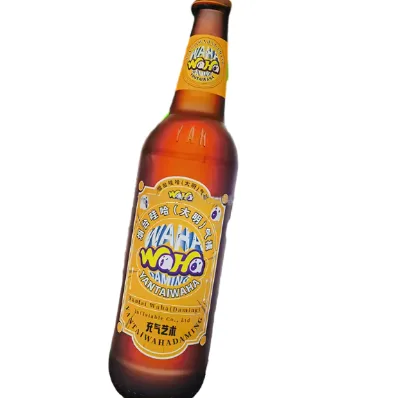


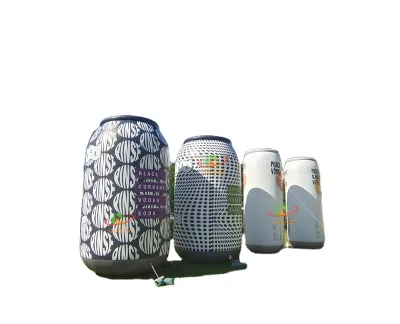
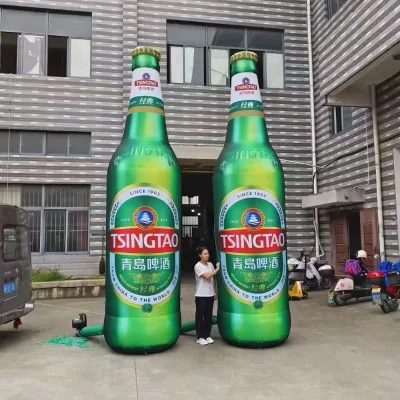
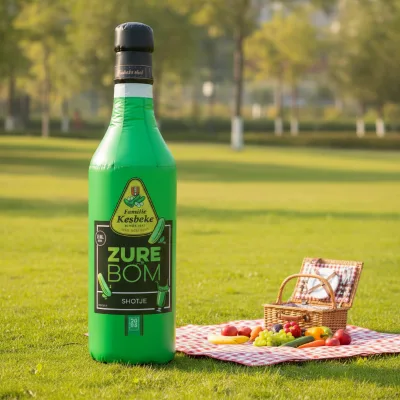
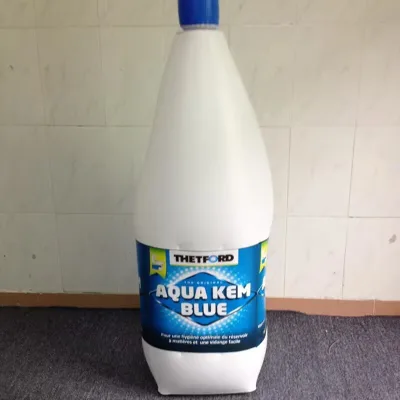
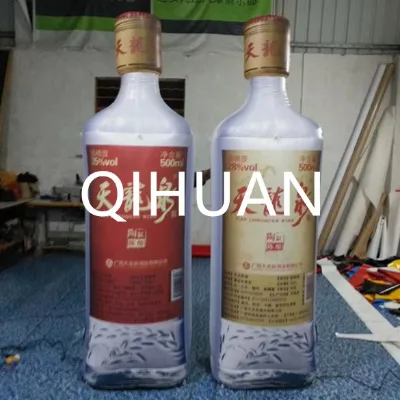
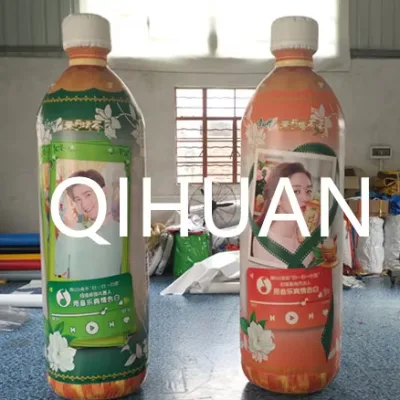
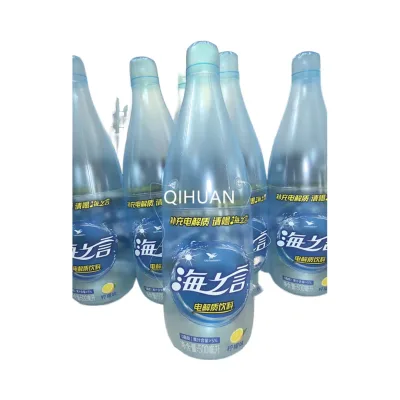
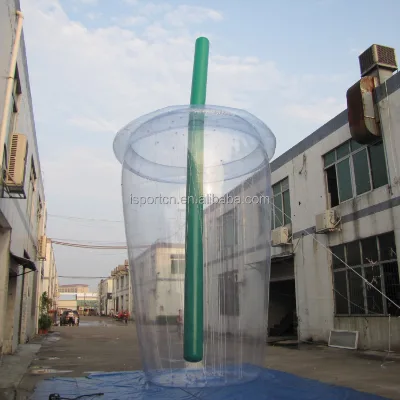
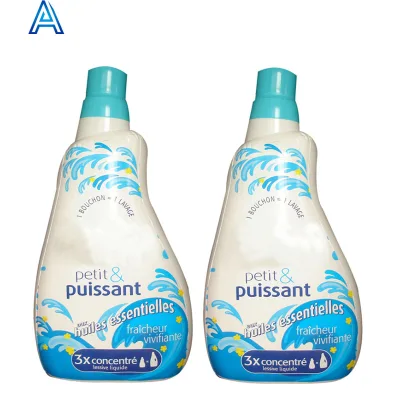
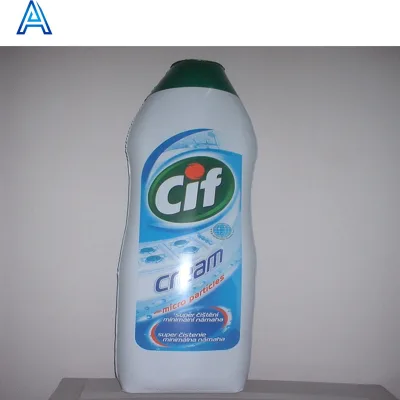
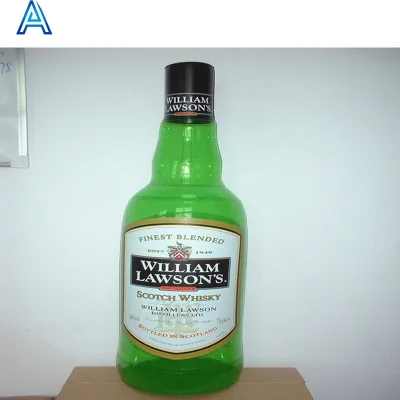
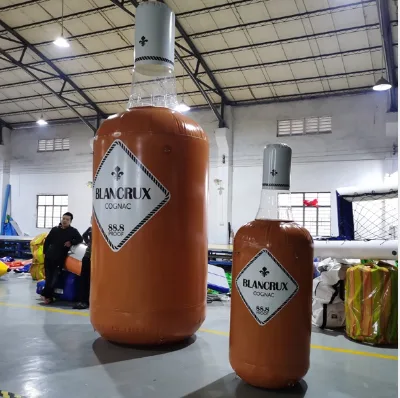
Inflatable Advertising Drink Bottle Inflatable Bottle Model PVC Advertising
$199.00 - $599.00
MOQ: 1 Minimum
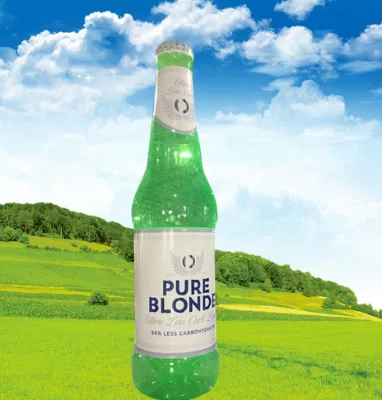
Outdoor Decorative Custom giant inflatable advertising bottle for sale
$199.00 - $599.00
MOQ: 1 Minimum

Advertising Drink Beer Bottle Inflatable Wine Bottle for Marketing Promotions
$800.00 - $1000.00
MOQ: 1 Pieces




Comprehensive Sourcing Guide
Strategic Sourcing Guide for Advertising Inflatable Bottles
Understanding Product Specifications and Material Variations
When sourcing advertising inflatable bottles, buyers must first navigate the diverse technical specifications that define the product's performance and suitability for specific campaigns. The core product category encompasses various models, often identified by specific model numbers such as INF, B-4, B-5, B-6, B-8, and 01. These identifiers often correlate with distinct dimensions and structural designs, though the exact size is frequently customizable to meet unique branding requirements. The physical form factor is generally designed to mimic a water bottle or beverage container, serving as a large-scale visual aid for brand visibility.
A critical technical differentiator lies in the material composition. Market listings indicate the use of multiple material types, including Oxford Cloth and various grades of PVC. Specifically, some high-durability options utilize 0.6mm PVC Tarpaulin, which is engineered to offer superior resistance against environmental stressors. The choice between Oxford Cloth and PVC often dictates the product's weight, texture, and resistance to tearing. For outdoor applications where wind and rain are concerns, the 0.6mm PVC Tarpaulin is often preferred for its robustness. The inflation method is consistently achieved via a fan, utilizing air as the primary inflation gas. This mechanical inflation system ensures the structure remains stable and upright during display. The construction technique typically involves welding, a process that creates airtight seams essential for maintaining pressure over extended periods.
Compliance, Certification, and Safety Standards
For B2B procurement, verifying compliance with international safety and quality standards is non-negotiable, particularly when products are deployed in public spaces or trade shows. The supply chain for these items often references a range of certifications, including CE, SGS, EN71, EN14960, and UL. These standards are not merely marketing terms but represent specific testing protocols regarding material safety, structural integrity, and fire resistance.
Buyers must exercise caution when interpreting certification claims. While some product listings explicitly state compliance with CE and EN71, others may only list CE or UL. The EN71 standard is particularly relevant for products that may be accessible to children, ensuring the materials are non-toxic. Similarly, EN14960 relates to specific safety requirements for inflatable structures, focusing on stability and anchoring. The UL standard often pertains to electrical safety if the inflatable includes integrated lighting, though the core product relies on air inflation.
The following table summarizes the potential certification landscape based on observed product attributes, highlighting the need for verification:
| Certification Standard | Typical Application Context | Verification Requirement |
|---|---|---|
| CE | European market compliance | Verify specific directive scope (e.g., Low Voltage, Machinery) |
| SGS | General quality and safety testing | Request specific test report for the batch |
| EN71 | Safety for toys and public interaction | Confirm material toxicity and flammability tests |
| EN14960 | Inflatable structure safety | Check for anchoring and stability test results |
| UL | Electrical and fire safety (if applicable) | Verify if the standard covers the specific component |
Buyers should not assume that a single listing covers all standards. Instead, they must request documentation proving that the specific model number and material batch have undergone the necessary testing. The presence of a "Warranty" period, often cited as one year, is also a contractual indicator of the manufacturer's confidence in their compliance and durability claims, but this must be backed by the aforementioned certifications.
Cost Drivers and Pricing Dynamics
The pricing structure for advertising inflatable bottles is influenced by several variable factors, creating a wide observed range from $0.51 to $1000 USD. This variance is not arbitrary but reflects differences in material quality, customization complexity, and order volume. The minimum order quantity (MOQ) is a significant cost driver, with observed ranges spanning from 1 piece to 1000 pieces. For small-scale promotional events, the ability to order single units (1 PCS) allows for lower upfront capital expenditure, though the unit cost may be higher. Conversely, bulk orders typically benefit from economies of scale, reducing the per-unit cost significantly.
Material costs play a pivotal role in the final price. Products utilizing 0.6mm PVC Tarpaulin generally command a higher price point compared to those made from standard Oxford Cloth due to the raw material cost and the specialized welding required. Customization is another major cost factor. While "Customized" is listed as available, the extent of this customization—such as unique model numbers, specific digital printing requirements, or non-standard dimensions—directly impacts the manufacturing time and material waste, thereby increasing the price.
Shipping methods also contribute to the total landed cost. Options include sea, air, and express shipping. Express shipping offers the fastest delivery, typically within 5 to 15 days, but at a premium cost. Sea freight is more economical for large orders but extends the lead time significantly. Buyers must balance the urgency of their event against the budget constraints, considering that the 5-15 day delivery window is a standard expectation for express or air freight, whereas sea freight will extend this timeline considerably.
Typical Applications and Usage Scenarios
The primary application for advertising inflatable bottles is promotional and advertising in high-traffic environments. The product is explicitly designed for use in events, trade shows, promotions, and general advertising campaigns. The large, eye-catching nature of the inflatable bottle makes it an effective tool for brand awareness, drawing attention to booths, retail entrances, or outdoor festivals.
The versatility of the product allows for diverse usage scenarios. In trade shows, these inflatables serve as static or dynamic focal points that can be customized with brand logos and colors. The "full color" capability and digital printing options ensure that branding is vibrant and clear. For outdoor events, the durability features such as being water and fire-proof are critical. These attributes ensure the inflatable can withstand varying weather conditions without degrading, maintaining its visual impact throughout the event duration.
The "Function" of the product is consistently listed as advertising, reinforcing its role as a marketing asset rather than a functional item. The ability to customize the color "as your require" allows brands to match their corporate identity precisely. Whether used as a standalone display or part of a larger installation, the inflatable bottle acts as a high-visibility beacon for the brand. The inclusion of a warranty suggests that the product is intended for repeated use or long-term display, making it a viable investment for recurring marketing campaigns.
Supplier Evaluation and Operational Capabilities
Evaluating suppliers for advertising inflatable bottles requires a focus on manufacturing capabilities, logistical reliability, and customization flexibility. The supply base is primarily located in China, with specific origins noted in Zhejiang and Guangzhou. These regions are known for their manufacturing expertise in textiles and PVC products, offering a robust ecosystem for sourcing.
When assessing a potential supplier, buyers should verify their customization capabilities. The market data indicates that "Customization" is available, with options for design and size modifications. However, conflicting data points such as "Non-Customized" in some listings suggest that not all suppliers or models offer this flexibility. Buyers must explicitly confirm the scope of customization before placing an order. The production technique, specifically welding, is a key indicator of quality. Suppliers utilizing advanced welding techniques are more likely to produce airtight, durable products.
Logistical capabilities are equally important. The observed delivery time of 5-15 days suggests a relatively efficient production and shipping process, likely relying on air or express freight. Buyers should confirm if this timeline applies to the specific model and customization level they require. Payment terms, such as Bank Transfer, are standard, but buyers should ensure secure payment methods are in place. The packaging method, typically involving carton packing with internal protection like cloth bags or PVC bags, is essential for preventing damage during transit. A supplier that uses robust packaging demonstrates a commitment to product integrity.
Quality Control and Long-Term Procurement Considerations
Ensuring consistent quality in inflatable advertising products requires a proactive approach to quality control (QC). Given the reliance on digital printing and welding, defects such as color fading, seam separation, or air leakage can occur. Buyers should implement a QC protocol that includes pre-shipment inspections. This involves verifying the print quality against the approved design, checking the integrity of the welded seams, and testing the inflation stability.
Long-term procurement considerations extend beyond the initial purchase. The "Warranty" of one year is a significant factor in the total cost of ownership. Buyers should clarify the terms of this warranty, including what constitutes a defect and the process for claims. For organizations planning to use these inflatables repeatedly, the durability of the material is paramount. The 0.6mm PVC Tarpaulin is highlighted for its durability, water resistance, and fire resistance, making it a superior choice for long-term use compared to lighter materials.
Furthermore, the maintenance of the inflatable is a critical long-term consideration. Buyers should inquire about the recommended care instructions, storage methods, and repair kits. Proper storage in the provided carton and PVC bags can extend the product's lifespan. The digital printing quality, described as "High Quality," should be verified for colorfastness to ensure the branding remains vibrant over time.
In summary, sourcing advertising inflatable bottles requires a balanced approach that weighs technical specifications, compliance, cost, and supplier reliability. By focusing on verified certifications, understanding the cost drivers related to material and customization, and implementing rigorous quality control measures, buyers can secure high-performance advertising assets that effectively enhance their brand visibility in competitive markets. The availability of various models and customization options provides the flexibility needed to tailor these inflatables to specific campaign goals, ensuring a return on investment through sustained brand exposure.
FAQs
How long does delivery take for these inflatables?
Delivery typically takes 5 to 15 days via express shipping. This timeline applies to orders placed with manufacturers in Zhejiang or Guangzhou who use air or express freight methods for rapid fulfillment.
What materials are used to make these bottles?
Products are constructed from Oxford Cloth or PVC, with some high-durability options using 0.6mm PVC Tarpaulin. The material choice affects weight and resistance to environmental stressors like wind and rain.
Can I customize the size and color of the bottle?
Yes, customization is available for both size and color to match your brand requirements. Buyers must confirm the specific scope of customization with the supplier as some models may have fixed designs.
Which certifications ensure safety for public use?
Common certifications include CE, EN71, EN14960, and UL depending on the specific model and intended application. Buyers should request test reports to verify that the specific batch meets these safety standards.
What is the minimum order quantity for these items?
The minimum order quantity can be as low as 1 piece for many suppliers. However, bulk orders ranging up to 1000 pieces are common and often benefit from lower per-unit costs due to economies of scale.
How are these products packaged for shipping?
Items are packed in cartons with internal protection such as cloth bags or PVC bags. This robust packaging method prevents damage during transit and ensures the inflatable arrives in good condition.