Source Advertising Queue Stanchion Sign for Airport Mall Hotel
Compare 30 Advertising Queue Stanchion Sign options featuring stainless steel construction and customizable sizes. Buyers can evaluate specifications like pole diameter, belt length, and base dimensions for use in airports, malls, and hotels.
Key considerations
Products List
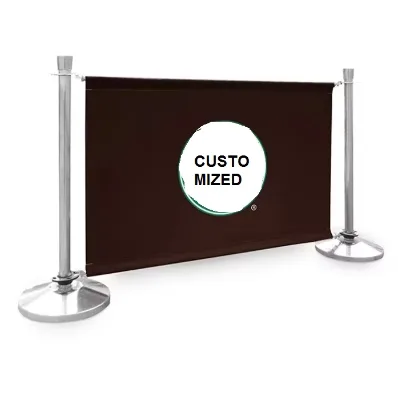


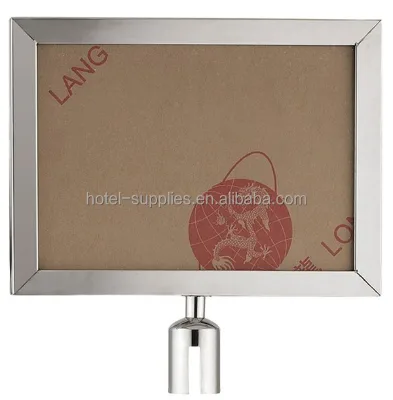
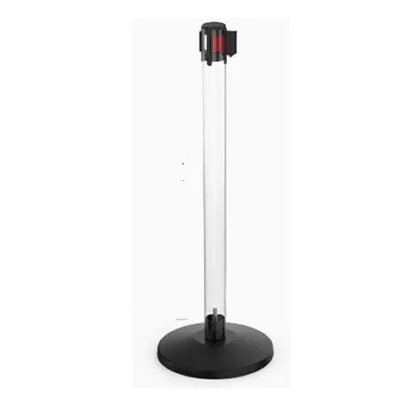


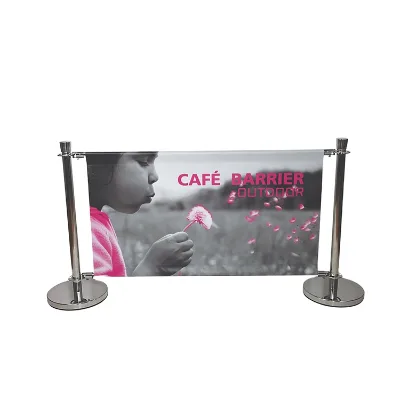
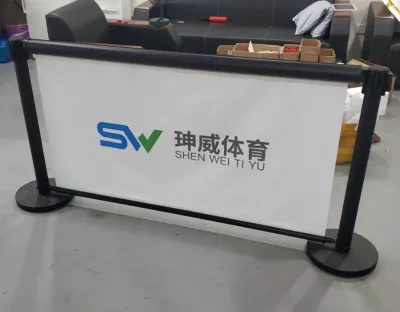
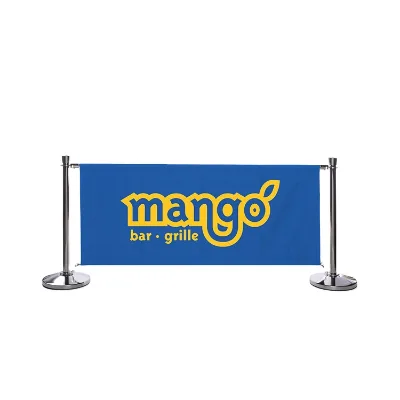
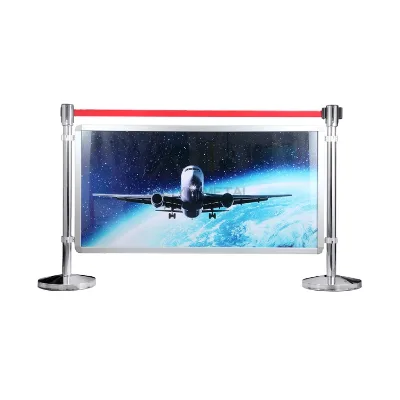
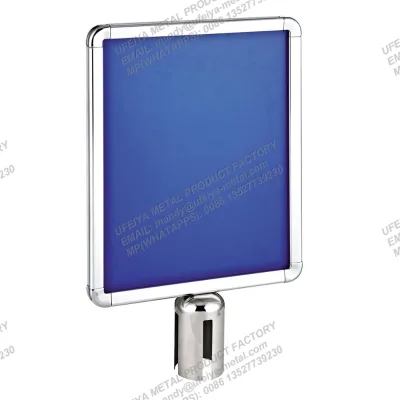

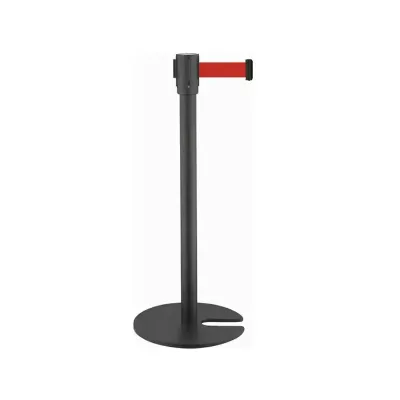
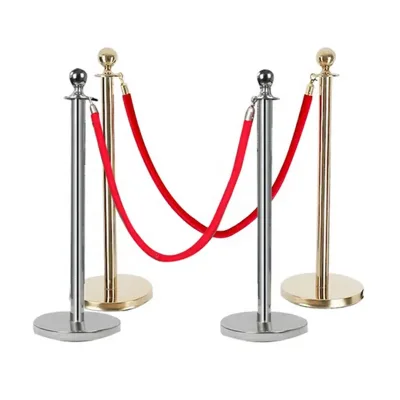
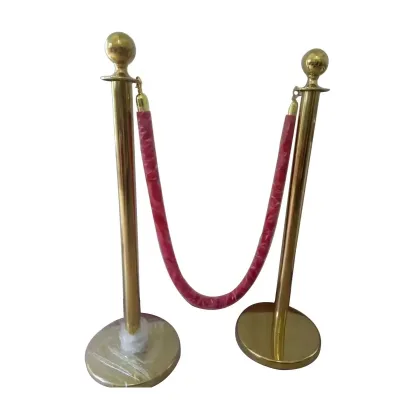
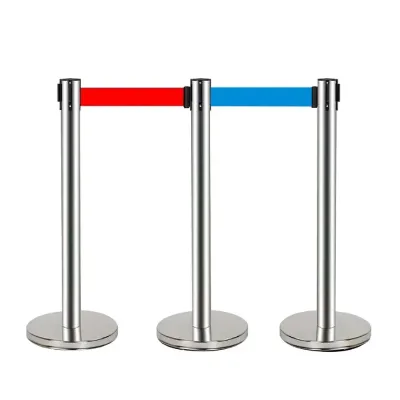
Comprehensive Sourcing Guide
Strategic Sourcing Guide for Advertising Queue Stanchion Sign Systems
Procuring Advertising Queue Stanchion Sign systems requires a disciplined approach that balances aesthetic customization with structural integrity and regulatory compliance. For buyers in the B2B sector, the market offers a diverse array of products ranging from simple crowd control barriers to complex, thematic signage holders. This guide synthesizes observed product attributes, technical specifications, and compliance data to provide a framework for evaluating suppliers and selecting the right equipment for high-traffic environments such as airports, malls, and banks.
Technical Specifications and Material Composition
The foundation of a reliable stanchion system lies in its material composition and dimensional accuracy. Based on available product data, the primary material for these units is stainless steel, which is selected for its durability and resistance to corrosion. Buyers should verify that the specific grade of stainless steel meets the requirements for the intended environment, particularly for outdoor applications where weather resistance is critical. The observed product attributes indicate that these units are designed to be rustproof, reusable, impact-resistant, and weatherproof, ensuring longevity in demanding public spaces.
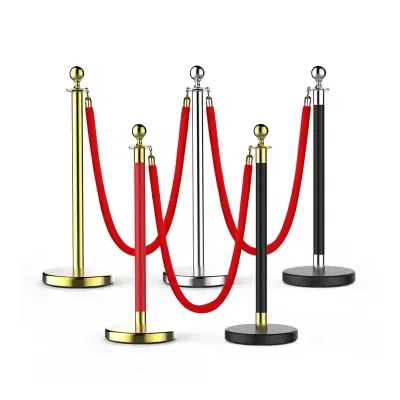
Dimensional consistency is another critical technical factor. The supply chain data reveals specific measurements for various components. For instance, the pole diameter is observed at 6.6cm, while the base diameter is specified as 32cm with a total height of 92cm. However, buyers must remain vigilant as specifications can vary significantly between models. Some listings indicate a "Customized Size" or specific dimensions like 6.92cm by 22cm for certain components, while others list a single package size of 110x48x48 cm. The belt length is consistently noted as 200cm, with a belt width of 5cm. When sourcing, procurement teams must confirm the exact dimensions required for their space, as the "Size" attribute is frequently listed as "Customized" or "Custom Size," allowing for tailored solutions but requiring precise communication with the supplier.
The construction method is also a key technical differentiator. The data points to a "Connect" build method, suggesting modular assembly rather than a single-piece cast structure. This modularity can be advantageous for shipping and storage, as indicated by the "Folded" attribute found in some product descriptions, which contrasts with "Unfolded" states in others. The post fixation method is typically "Embedded Type," which implies a permanent or semi-permanent installation requiring floor anchoring. Buyers should clarify the installation requirements during the sourcing phase to ensure their facility's flooring can support the embedded fixation method.
Compliance, Certification, and Safety Standards
In the realm of public infrastructure, compliance with international standards is non-negotiable. The observed product data explicitly lists "CE" and "ISO9001" as certifications associated with these stanchion systems. These certifications are vital indicators that the manufacturer adheres to specific quality management and safety protocols. The CE marking suggests conformity with health, safety, and environmental protection standards for products sold within the European Economic Area, while ISO9001 indicates a certified quality management system.
However, buyers must exercise caution regarding the scope of these certifications. While the data lists these standards, it is essential to verify that the specific batch or model being purchased is covered under the current certification. The distinction between "High-confidence facts" and "Low-confidence background" in the data suggests that while CE and ISO9001 are present, the depth of their application varies. Procurement teams should request valid, up-to-date certification documents from the supplier before finalizing any order. Additionally, the "Feature" attribute lists "Recycled" materials as a possibility, which may appeal to sustainability-focused organizations. Buyers should verify the percentage of recycled content and the source of these materials to ensure they align with corporate sustainability goals.
Cost Drivers and Pricing Dynamics
Understanding the cost structure of advertising queue stanchions is essential for budget planning. The observed price range in the market spans from 1.88 USD to 30.15 USD. This wide variance is driven by several factors, including material thickness, customization levels, and the complexity of the design. The "Single item" selling unit suggests that pricing is often calculated per piece, but bulk discounts may apply based on the Minimum Order Quantity (MOQ).
The MOQ is a significant cost driver. The data indicates an observed MOQ range of 10 to 100 units, with specific listings citing an MOQ of 20 pieces. For smaller organizations, an MOQ of 100 may be prohibitive, whereas larger enterprises might find the 20-piece threshold more manageable. Buyers should negotiate based on their volume requirements, keeping in mind that customization often increases the unit cost. The "Customization" attribute is marked as "Available," which implies that tailored colors, logos, or dimensions will likely incur a premium over standard silver or black models. Furthermore, the "Single Gross Weight" varies, with some listings showing 12.000 kg and others 1.500 kg. This discrepancy highlights the importance of verifying the actual weight of the specific model, as shipping costs are directly proportional to the gross weight and package dimensions.
Typical Applications and Functional Versatility
Advertising Queue Stanchion Sign systems are designed for a wide spectrum of applications, primarily focused on crowd control and information display. The "Usage" attribute explicitly lists "Queue barrier" and "Multi-Application Crowd Control Stanchion," confirming their primary role in managing pedestrian flow. The "Application" field further details specific environments, including airports, malls, hotels, banks, cinemas, and ticket windows. These locations require high-traffic durability and clear visual guidance, which the stanchion's "Function" of separation, obstruction, warning, and aesthetics addresses.
The "Style" is described as "Thematic," allowing these units to blend with the interior design of the venue. For example, a hotel might opt for a sleek, modern design, while a theme park might require a more colorful or character-driven approach. The "Position" is noted as "Central Isolation Barrier," indicating their utility in creating designated pathways or separating queues from service areas. Additionally, the "Print" attribute mentions "UV High-Definition Printing," which is crucial for the "Advertising" aspect of the keyword. This printing method ensures that logos and promotional messages remain vibrant and legible even under intense lighting conditions, making these stanchions effective marketing tools in addition to safety barriers.
Supplier Evaluation and Verification Protocols
Selecting the right supplier requires a rigorous evaluation process that goes beyond price comparison. Buyers should prioritize suppliers who can demonstrate a clear understanding of the product's technical specifications. The data shows multiple model numbers, such as SP99001, J16, and J29, indicating that different suppliers may use different internal coding systems. A reliable supplier will be able to map these model numbers to specific physical attributes and provide detailed technical drawings.
Geographic origin is another factor to consider. The "Place of Origin" data lists both "Zhejiang" and "Guangdong, China." While both regions are known for manufacturing, buyers should verify the specific factory location to assess logistics and potential lead times. The "Brand Name" "Aroad" is observed in the data, but buyers should not limit their search to a single brand. Instead, they should evaluate the supplier's capacity to meet the "Customization" requirements and their track record in delivering products that meet the "CE" and "ISO9001" standards.
When evaluating suppliers, procurement teams should request samples to verify the "Belt Color" options, which include black, red, and blue. The "Product Name" variations, such as "Stainless Steel Stanchion" versus "Stanchion Sign Holder," suggest that some suppliers may specialize in the barrier aspect while others focus on the signage component. A comprehensive supplier should be able to provide a complete system that integrates both elements seamlessly.
Quality Control and Long-Term Procurement Considerations
Quality control is paramount when sourcing equipment that will be subjected to constant use and potential abuse. The "Durability" attributes of rustproof, reusable, and impact-resistant materials are key indicators of quality. However, buyers must verify these claims through independent testing or by reviewing past performance data. The "Single Gross Weight" discrepancies (12.000 kg vs. 1.500 kg) serve as a reminder that weight specifications can vary wildly between models, affecting both stability and shipping costs.
Long-term procurement considerations include the availability of replacement parts and the ease of maintenance. The "Connect" build method suggests that components can be replaced individually, which is beneficial for long-term ownership. Buyers should inquire about the warranty period and the supplier's policy on damaged goods. The "Customized Color" and "Custom Size" options offer flexibility but may complicate future reorders if the supplier changes their production capabilities. Therefore, it is advisable to lock in specifications and maintain a relationship with a supplier who can guarantee consistency over time.
Furthermore, the "Product Packing" is listed as "Carton," which is standard for protecting goods during transit. Buyers should ensure that the packaging is robust enough to prevent damage, especially given the "Single package size" of 110x48x48 cm for some models. The "Standard" dimensions like 89x35x32 cm and 65x35x32 cm also highlight the need for precise packaging specifications to optimize container loading and reduce shipping costs.
In conclusion, sourcing Advertising Queue Stanchion Sign systems involves a careful balance of technical verification, compliance checks, and strategic supplier selection. By focusing on the observed attributes such as stainless steel construction, specific dimensions, and available certifications, buyers can make informed decisions that ensure safety, durability, and aesthetic appeal in their operational environments. The wide range of customization options allows for tailored solutions, but it also demands a high level of communication and verification to ensure that the final product meets all project requirements.
FAQs
What material is used for advertising queue stanchion signs?
The primary material is stainless steel, ensuring rustproof and weatherproof durability. This construction supports reuse and impact resistance in high-traffic environments like airports and malls.
Which certifications are available for these stanchion systems?
Products often carry CE and ISO9001 certifications to indicate quality and safety compliance. Buyers should verify specific batch coverage to ensure the standards apply to their order.
How can I customize the size of the stanchion?
Customized sizes are available, allowing for tailored dimensions to fit specific venue requirements. Buyers must communicate exact measurements to the supplier to ensure the final product meets spatial needs.
What is the typical MOQ for ordering these stanchions?
The minimum order quantity ranges from 10 to 100 units, with some listings specifying 20 pieces. This threshold affects unit pricing and is a key factor for budget planning.
Can I get the stanchion in specific colors like black or red?
Yes, belt colors include black, red, and blue, and pole colors can be silver or black. Customized colors are also available for thematic designs, though they may incur a premium.
Where are these stanchions typically manufactured?
Manufacturing locations include Zhejiang and Guangdong, China. Buyers should verify the specific factory origin to assess logistics and potential lead times for their specific order.