Source Agriculture Rice Transplanter for Paddy, Corn, and Fertilization
Source 30 Agriculture Rice Transplanter models for paddy fields, corn planting, and precision sowing. Compare semi-automatic and automatic options with CE certification, gasoline or diesel power, and continuous ditching features to find the right machinery for your farming needs.
Key considerations
Products List


$2761.58 - $2986.81
MOQ: 1 Pieces


6-Row Rice Transplanting Machine Paddy Rice Field Transplanter Paddy Planting Machine
$4799.00 - $4999.00
MOQ: 100 Pieces
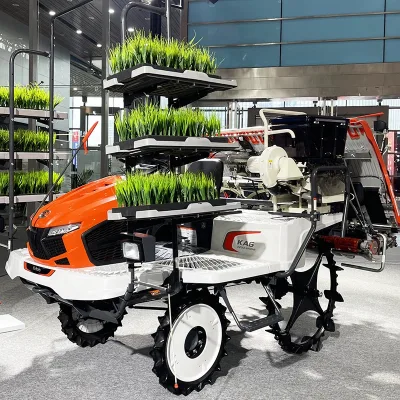


Efficient Robust Rice Transplanter for Modern Agricultural Applications
$8000.00 - $12000.00
MOQ: 1 Sets


Reliable 8 Rows Rice Transplanter for Streamlined Agricultural Planting Process
$10300.00 - $10500.00
MOQ: 1 Pieces

8 Rows Rice Transplanter: Agricultural Equipment with 4-Wheel Drive Capability
$10300.00 - $10500.00
MOQ: 1 Pieces

8 Rows Rice Transplanter for Efficient Agricultural Planting with 4-Wheel Drive
$10300.00 - $10500.00
MOQ: 1 Pieces


High-Performance 8 Rows Rice Transplanter for Precision Agricultural Planting
$10300.00 - $10500.00
MOQ: 1 Pieces

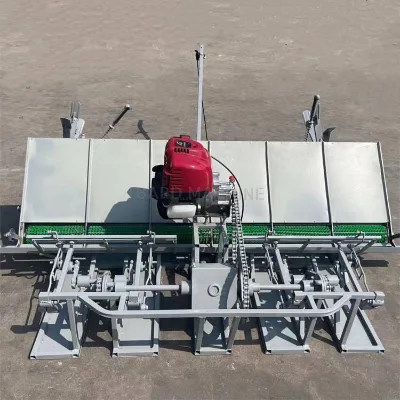

Comprehensive Sourcing Guide
Agriculture Rice Transplanter Sourcing Guide
Sourcing agricultural machinery for paddy fields requires a precise understanding of mechanization levels, power sources, and specific planting methodologies. The market offers a diverse range of equipment, from semi-automatic seedling planters to fully automatic rice transplanters, each tailored to different farm sizes and operational needs. Buyers must navigate a landscape where product attributes vary significantly, including drive types, sowing methods, and customization options. This guide provides evidence-based procurement advice to help buyers select the right machinery, verify technical specifications, and ensure compliance with safety and quality standards.
The following sections detail the critical factors in sourcing rice transplanters and related paddy field machinery. By focusing on observed listing signals, technical verification, and commercial terms, buyers can mitigate risks associated with equipment performance, after-sales support, and long-term operational efficiency. The guidance is structured to support informed decision-making, ensuring that procurement strategies align with both immediate operational requirements and long-term agricultural goals.
Product Scope and Observed Listing Signals
The current market for rice transplanters and associated paddy field machinery exhibits a wide range of product types and specifications. Listings indicate the presence of seedling planting machines, direct rice seeders, and dual seeding and fertilization units. These machines are primarily designed for rice cultivation, with some models also supporting corn planting. The observed product attributes highlight a mix of semi-automatic and automatic mechanization levels, catering to different scales of agricultural operations. Buyers should note that while some machines are labeled as "automatic," others are classified as "semi-automatic," which significantly impacts operational workflow and labor requirements.
Observed listing signals reveal variations in power sources, with gasoline and diesel engines being the most common. The color of the machinery varies, with blue and green being frequently observed, though this is largely aesthetic and does not impact performance. Dimensions and weights also vary, with some models measuring approximately 21401630910mm and weighing around 160kg, while larger units may reach 23701855910mm and weigh up to 258kg. These physical attributes are crucial for logistics planning, including transportation and storage on the farm. Buyers must carefully review these specifications to ensure the machinery fits their operational space and handling capabilities.
Technical Specifications to Verify
When evaluating rice transplanters, buyers must verify key technical specifications to ensure compatibility with their farming practices. The planting machine type is a critical factor, with options including seedling planting machines and direct rice seeders. The sowing method, such as broadcast seeder or precision seeder, determines the accuracy and efficiency of the planting process. Additionally, the ditching mode, whether continuous or intermittent, affects soil preparation and seed placement. Buyers should confirm the drive type, such as three-wheel drive or chain drive, as this influences maneuverability in wet paddy fields.
Power source and engine specifications are equally important. Gasoline and diesel engines offer different performance characteristics, with diesel often providing more torque for heavy-duty tasks. Buyers should verify the working efficiency, which can range from 0.5 to 0.7 hectares per hour, to assess the machine's productivity. Row spacing, typically around 28cm, is another critical specification that affects crop growth and yield. Furthermore, the fertilizing machine type, whether pneumatic wide fertilizer or full-size fertilizer, impacts the machine's ability to integrate fertilization with planting. Buyers must ensure these specifications align with their agronomic requirements.
Compliance and Safety Documentation
Compliance with international standards is essential for the safe and legal operation of agricultural machinery. The CE certification is a common requirement for machines sold in many markets, indicating conformity with health, safety, and environmental protection standards. Buyers should verify that the machinery carries the CE mark and request relevant documentation to ensure compliance. Additionally, ISO 9001 certification may be present, indicating that the manufacturer follows quality management principles. However, buyers should not assume that all listed products hold these certifications without explicit confirmation from the supplier.
Safety documentation is another critical aspect of procurement. Buyers should request user manuals, maintenance guides, and safety instructions to ensure proper operation and maintenance of the machinery. These documents should provide clear guidance on emergency procedures, regular maintenance schedules, and safety precautions. Buyers should also verify that the machinery meets local safety regulations, which may vary by region. Ensuring compliance with these standards helps prevent accidents, reduces downtime, and extends the lifespan of the equipment.
Cost Drivers and Commercial Terms
The cost of rice transplanters is influenced by several factors, including mechanization level, power source, and additional features. Automatic machines generally command higher prices than semi-automatic models due to their advanced technology and higher efficiency. Diesel engines may also contribute to higher costs compared to gasoline engines, depending on the market and availability. Buyers should consider the total cost of ownership, including maintenance, spare parts, and fuel consumption, rather than just the initial purchase price.
Commercial terms such as MOQ (Minimum Order Quantity) and packaging options also impact procurement decisions. Observed MOQ ranges vary from 1 to 100 units, allowing for flexibility in order sizes. Packaging is typically wooden or carton-based, which affects shipping costs and protection during transit. Buyers should negotiate clear terms regarding delivery, payment, and after-sales service. Understanding these commercial terms helps in budgeting and planning for the procurement process, ensuring that the total investment aligns with the expected return on investment.
Supplier Qualification and Quality Control
Supplier qualification is a critical step in ensuring the reliability and quality of the machinery. Buyers should verify the supplier's production capabilities, quality control processes, and after-sales service offerings. The presence of engineers available for after-sales support is a positive indicator, suggesting that the supplier can provide technical assistance and maintenance services. Buyers should also check the supplier's reputation and history in the industry, looking for reviews or references from other buyers.
Quality control measures should be clearly defined and communicated by the supplier. Buyers should request information on testing procedures, quality assurance protocols, and warranty terms. Ensuring that the machinery undergoes rigorous testing before shipment helps minimize the risk of defects and performance issues. Buyers should also consider the supplier's location, as this can impact shipping times and costs. Establishing a strong relationship with a qualified supplier is essential for long-term success in agricultural procurement.
Long-Term Procurement Checks
Long-term procurement success depends on regular maintenance, spare parts availability, and continuous support from the supplier. Buyers should establish a maintenance schedule and ensure that spare parts are readily available to minimize downtime. The supplier's ability to provide timely technical support and training is crucial for the effective operation of the machinery. Buyers should also monitor the performance of the machinery over time, tracking metrics such as working efficiency and fuel consumption to identify any issues early.
Regular communication with the supplier is essential for addressing any concerns and ensuring that the machinery continues to meet operational needs. Buyers should also stay informed about advancements in agricultural technology and consider upgrading or replacing machinery as needed. By maintaining a proactive approach to procurement and maintenance, buyers can maximize the value of their investment and ensure sustainable agricultural operations. Long-term checks help in building a resilient supply chain and supporting the overall productivity of the farm.
FAQs
What is the power source for these rice transplanter machines?
The machines utilize gasoline or diesel power sources depending on the specific model selected. Some units are designed with gasoline engines while others operate on diesel fuel to suit different field conditions and operational requirements.
Which certifications do the Agriculture Rice Transplanter products hold?
The products hold CE certification and some models also meet ISO 9001 standards. These certifications indicate compliance with specific safety and quality management requirements for machinery used in agricultural applications.
Can buyers request customization for the planting machine specifications?
Yes, customization is available for the planting machines to meet specific buyer needs. Buyers can request tailored features or configurations while the standard condition remains new for all listed units.
What is the typical working efficiency of the rice transplanter?
The working efficiency ranges from 0.5 to 0.7 hectares per hour for the listed models. This capacity allows for effective planting operations in paddy fields while maintaining consistent performance levels.
How are the machines packaged for shipping from the origin?
The machines are packaged in wooden boxes, wooden packages, or paper cartons depending on the model. Some units may also be shipped as CBU or SKD to ensure safe transport from the origin.
What is the weight range of the Agriculture Rice Transplanter units?
The weight of the units varies between 160kg and 258kg across different models. Specific models like the 2ZS-4G/6G weigh 160kg while others reach up to 258kg for enhanced stability.