Source AI Tracking Camera Gimbal for Drones, Phones, and Cameras
Source the AI Tracking Camera Gimbal from 30 verified listings. Compare 3-axis handheld stabilizers, IP cameras, and infrared modules. Evaluate specs like 640x512 resolution, 24VDC voltage, and waterproof ratings for drones, mobile phones, and video cameras.
Key considerations
Products List
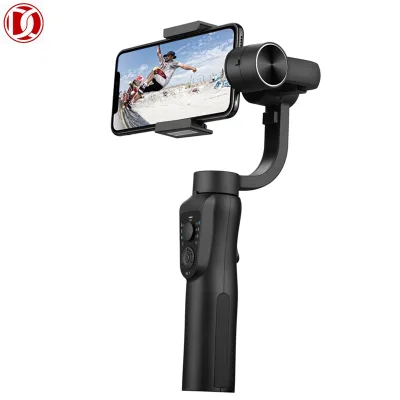


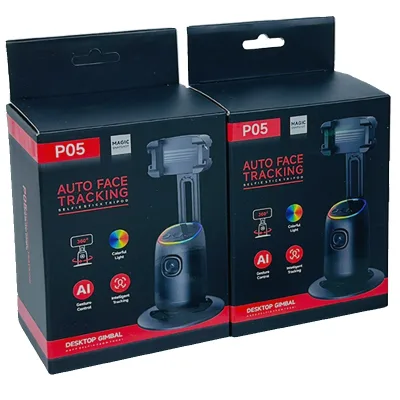
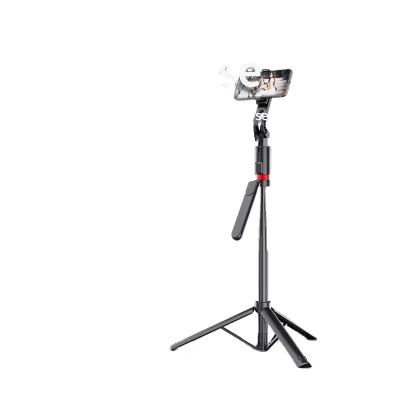
Handheld Vlog Camera Gimbal with 360 Rotation Ai Tracking and APP Control
$41.20 - $48.00
MOQ: 50 Pieces


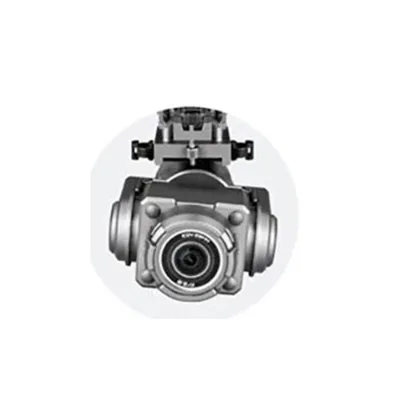
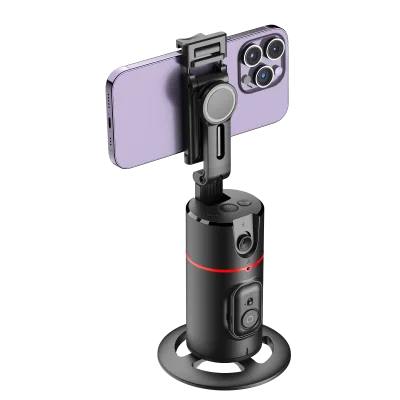
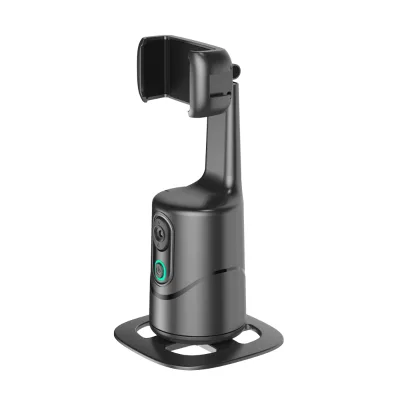
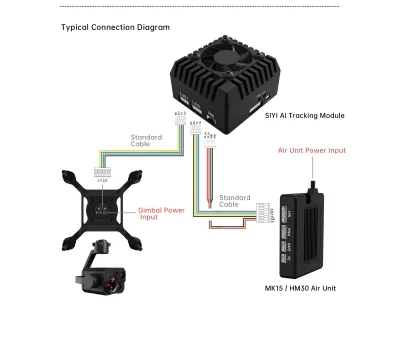


High-Performance Waterproof IP66 Gimbal Camera with Smart Motion Detection
$1765.00 - $2850.00
MOQ: 1 Pieces
Comprehensive Sourcing Guide
AI Tracking Camera Gimbal Sourcing Guide
Sourcing an AI Tracking Camera Gimbal requires a nuanced understanding of the convergence between mechanical stabilization and intelligent image processing. These devices are not merely passive stabilizers; they are active systems that combine motorized axes with software-driven subject recognition to maintain framing automatically. For procurement professionals, this distinction is critical because it shifts the evaluation criteria from simple hardware durability to the reliability of algorithmic performance and sensor integration. The market offers a wide spectrum of solutions, ranging from basic handheld units for mobile phones to robust, weather-resistant systems designed for professional video cameras and industrial CCTV applications. Understanding this breadth allows buyers to align their procurement strategy with specific operational needs, whether for content creation, security surveillance, or specialized industrial inspection.
The complexity of these systems introduces multiple layers of verification requirements. Buyers must navigate a landscape where product attributes often overlap, such as distinguishing between a standard gimbal stabilizer and an integrated AI tracking camera system. Observed market data indicates a significant variance in specifications, with some units focusing on lightweight portability for mobile devices while others emphasize heavy-duty capabilities for larger cameras. This divergence means that a one-size-fits-all approach to sourcing is ineffective. Instead, procurement teams must develop detailed technical requirements that specify the exact nature of the AI tracking functionality, the type of sensors involved, and the environmental conditions under which the device must operate. This disciplined approach ensures that the selected product meets the precise functional demands of the end-use case.
Product Scope and Observed Listing Signals
The current market landscape for AI tracking camera gimbals reveals a diverse array of product types, primarily categorized by their intended use and mechanical design. Listings frequently highlight "3 axis gimbal" configurations, which are the industry standard for achieving smooth, cinematic stabilization across pitch, roll, and yaw axes. These units are often marketed under generic or OEM brand names, indicating a high degree of customization potential for buyers seeking private labeling or specific feature sets. The observed product range includes handheld stabilizers designed for mobile phones and digital cameras, as well as more specialized units that may integrate directly with CCTV or IP camera systems. This variety suggests that buyers should carefully distinguish between consumer-grade handheld gimbals and professional-grade systems that may require additional power sources or mounting interfaces.
Observed listing signals also point to significant variations in physical specifications and operational capabilities. Data indicates that product weights can range from lightweight units under 260 grams to heavier systems capable of supporting loads up to 3.5 kilograms. This disparity is crucial for buyers who need to match the gimbal’s payload capacity with their specific camera equipment. Furthermore, features such as "Face Object Tracking" and "Pan/Tilt" styles are commonly advertised, suggesting that the AI component is often focused on subject recognition and automated framing. Some listings also mention remote control capabilities and specific lens types, such as zoom or manual focus lenses, which may be integrated into the system or compatible with it. Buyers must verify whether these features are intrinsic to the gimbal unit or require separate accessories, as this impacts the total cost of ownership and system complexity.
Technical Specifications to Verify
When evaluating the technical specifications of an AI Tracking Camera Gimbal, the sensor type and resolution are paramount for determining image quality and tracking accuracy. Listings often specify sensors such as CMOS or CCD, with resolutions ranging from 480tvl to 650tvl, and some advanced units may feature higher-resolution detectors like 640×512 uncooled focal plane detectors. These specifications are particularly relevant for security or industrial applications where low-light performance and detailed image capture are essential. Buyers should verify the sensor size, such as 1/3 inch, and the lens type, whether it is a zoom lens, manual focus, or autofocus, to ensure compatibility with their existing camera infrastructure. The HDMI format, often cited as 1080P, is another key metric that dictates the output quality and connectivity options available for recording or live streaming.
The mechanical and environmental robustness of the gimbal is equally important for ensuring long-term reliability in diverse operating conditions. Key specifications to verify include the maximum loading capacity, which must exceed the weight of the intended camera setup, and the protection level, which may range from basic indoor use to weatherproof or even rain-resistant designs. Some units are rated for peak acceleration of 20g, indicating their ability to withstand shock and vibration, which is critical for mobile or outdoor applications. Additionally, the rated working voltage, often 24VDC for industrial models, must be compatible with the power supply systems in place. Buyers should also check the effective distance of tracking capabilities, which may be specified as greater than 30 meters, to ensure the AI tracking function performs adequately at the required operational range.
Compliance and Safety Documentation
Compliance with international standards is a non-negotiable aspect of sourcing AI tracking camera gimbals, particularly for products intended for export or use in regulated industries. Certifications such as CCC, EMI/EMC, and ISO9001 are frequently cited in product listings, indicating that the manufacturer adheres to specific quality management and electromagnetic compatibility standards. These certifications are vital for ensuring that the electronic components within the gimbal do not interfere with other devices and that the manufacturing process maintains consistent quality. Buyers should request valid certification documents and verify their authenticity with the issuing bodies, as counterfeit or expired certificates are a risk in global supply chains. The presence of these certifications also often correlates with better after-sales support and warranty terms.
Safety documentation must also address the operational risks associated with motorized equipment and electronic components. Given that some gimbals are designed for outdoor use or heavy-duty applications, buyers should ensure that the product includes clear safety warnings regarding payload limits and environmental exposure. For instance, units rated to "fly in light rain" require specific sealing and corrosion-resistant materials, which should be documented in the product specifications. Additionally, the impact condition ratings, such as peak acceleration limits, provide insight into the mechanical safety margins of the device. Buyers should verify that the manufacturer provides comprehensive user manuals and safety guidelines, particularly for models with high-voltage requirements or complex AI tracking features that may require specific setup procedures to prevent malfunction or injury.
Cost Drivers and Commercial Terms
The cost structure of AI tracking camera gimbals is influenced by several key factors, including the complexity of the AI tracking algorithm, the quality of the motors and gimbal axes, and the integration of additional features like remote control or weatherproofing. Products with advanced face and object tracking capabilities typically command higher prices due to the software development and sensor integration required. Similarly, units designed for heavier payloads or harsh environments involve more robust materials and engineering, which increases manufacturing costs. Buyers should analyze the price range relative to these technical specifications to ensure they are paying for the appropriate level of performance and durability for their specific use case.
Commercial terms, such as minimum order quantities (MOQ) and customization options, also play a significant role in the total procurement cost. Observed MOQs can vary widely, from single units for sampling to larger batches for bulk orders, allowing buyers to scale their purchases according to demand. The availability of private molds and customization services enables buyers to tailor the product to their brand identity or specific technical requirements, but these services often come with additional costs and longer lead times. Buyers should negotiate clear terms regarding customization fees, tooling costs, and production timelines to avoid unexpected expenses. Additionally, understanding the packaging specifications, such as carton dimensions and gross weight, is essential for calculating logistics costs and storage requirements.
Supplier Qualification and Quality Control
Supplier qualification is a critical step in ensuring the reliability and consistency of AI tracking camera gimbals. Buyers should prioritize suppliers who demonstrate a strong track record in manufacturing electronic stabilization devices and who have established quality control processes. The presence of ISO9001 certification is a positive indicator, but buyers should also conduct on-site audits or request third-party inspection reports to verify the supplier’s manufacturing capabilities and quality management systems. It is essential to assess the supplier’s ability to handle custom orders, including private labeling and technical modifications, as this indicates their flexibility and commitment to meeting specific buyer requirements.
Quality control measures should be integrated into the procurement process to minimize the risk of receiving defective products. Buyers should establish clear acceptance criteria based on the technical specifications discussed earlier, including payload capacity, tracking accuracy, and environmental resistance. Pre-shipment inspections are recommended to verify that the products meet these criteria and are free from manufacturing defects. Additionally, buyers should request sample units for rigorous testing before placing large orders, allowing them to evaluate the AI tracking performance and mechanical stability in real-world conditions. Establishing a clear communication channel with the supplier for addressing quality issues and requesting replacements or repairs is also crucial for maintaining supply chain continuity.
Long-Term Procurement Checks
Long-term procurement success depends on the ability to monitor supplier performance and adapt to evolving market trends. Buyers should regularly review supplier metrics, such as on-time delivery rates, product defect rates, and responsiveness to quality issues, to ensure that the partnership remains productive and reliable. It is also important to stay informed about advancements in AI tracking technology and gimbal design, as these developments can impact the relevance and competitiveness of the sourced products. Buyers should engage in ongoing dialogue with suppliers to discuss potential improvements, new features, or alternative solutions that may better meet their changing needs.
Sustainability and regulatory compliance are increasingly important considerations in long-term procurement strategies. Buyers should verify that their suppliers adhere to environmental regulations and ethical labor practices, as non-compliance can pose reputational and legal risks. Additionally, buyers should plan for the end-of-life management of electronic products, ensuring that suppliers provide guidance on recycling or disposal in accordance with local regulations. By maintaining a proactive approach to supplier management and staying ahead of industry trends, buyers can secure a stable supply of high-quality AI tracking camera gimbals that support their operational goals and business growth.
FAQs
What is the maximum loading capacity for this gimbal?
The maximum loading capacity is 0.2 kg. This limit applies to the specific 3 axis gimbal model S5B designed for mobile phones and small digital cameras.
Can this device track objects automatically?
Yes, the device features Face Object Tracking functionality. It utilizes a 3 Axis Handheld design to stabilize footage while following subjects during video recording.
Which certifications does the product hold?
The product holds CCC, EMI/EMC, and ISO9001 certifications. These standards ensure safety and quality compliance for the camera stabilizer used in various environments.
What is the single package size for shipping?
The single package size is 32X13X5 cm. This compact dimension facilitates efficient shipping and storage for the individual item sold as a single unit.
Is customization available for this gimbal?
Customization is available for this product. Buyers can request specific modifications while the manufacturer maintains a private mold status for unique production runs.
What is the origin location of the product?
The place of origin is Guangdong, China. This region is known for manufacturing electronic components and camera accessories like the 3 axis gimbal stabilizer.
Does the camera support high definition video?
Yes, the camera supports High Definition video with HDMI Format 1080P. It uses a CMOS sensor to capture clear images for professional video applications.