Source Aircraft Field Aluminum Foil Sheets for Decorations, Door & Window, Heat Sink
Compare 30 listings of Aircraft Field Aluminum Foil Sheets from Chinese manufacturers. Buyers can evaluate grades like 7000 Series and 5000 Series, surface finishes, and certifications for applications in decorations, door and window, and heat sinks.
Key considerations
Products List


high valued 2A12 aluminum plate price aluminum copper alloy for aircraft production
$2000.00 - $3000.00
MOQ: 2 Tons


Aluminum Foil Coated Factory Provided for Aircraft and Automotive Industry
$0.20 - $0.30
MOQ: 5000 Square Meters

Aluminum Foil Coated Used in The Construction of Roof Wall Insulation, Subway Station, Airport
$0.20 - $0.30
MOQ: 5000 Square Meters
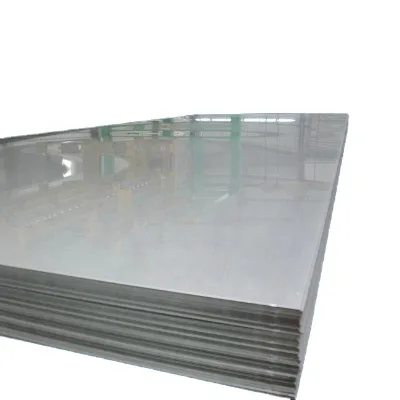
Hot Sale 6061 Aluminum Sheet 3 mm T6 Aircraft Grade 40mm Thickness Plate
$3393.53 - $3804.87
MOQ: 1 Minimum


Comprehensive Sourcing Guide
Aircraft Field Aluminum Foil Sheets Sourcing Guide
Procuring aluminum foil sheets for aerospace and aviation applications requires a rigorous approach to material selection, as the structural and thermal demands of aircraft components are significantly higher than those of general industrial uses. While the term "foil" often implies thin, flexible material, aircraft-grade aluminum sheets and plates are typically thicker, high-strength alloys designed for structural integrity, heat dissipation, or specific decorative finishes. Buyers must distinguish between thin foils used for insulation or shielding and the robust sheet products used in fuselage panels, heat sinks, or interior decorations. The sourcing strategy must prioritize alloys that offer a favorable strength-to-weight ratio, corrosion resistance, and fatigue life, ensuring that the selected material meets the stringent safety and performance standards inherent to the aviation industry.
The market for aircraft field aluminum products is diverse, with suppliers offering a wide range of series from 1000 to 7000, each serving different functional roles. High-strength 7000 series alloys, such as 7075, are frequently specified for critical structural parts due to their exceptional strength, while 5000 and 6000 series alloys are often chosen for their weldability and corrosion resistance in less critical or exterior applications. Understanding the specific application, whether it be for door and window frames, glass walls, or heat sinks, is the first step in narrowing down the supplier pool. Buyers should focus on verifying the exact alloy composition and temper condition to ensure compatibility with the aircraft’s design specifications and regulatory requirements.
Product Scope and Observed Listing Signals
The current market landscape for aluminum sheets and plates includes a variety of product types, ranging from flat sheets to coils, with surface finishes that vary from mill finish to polished or printed options. Observed listings indicate a broad spectrum of customization availability, including logo printing and specific pattern applications, which may be relevant for interior cabin decorations or branded components. However, buyers must exercise caution when interpreting these signals, as many listings describe general-purpose aluminum products rather than certified aerospace-grade materials. The presence of terms like "decorations" or "door & window" suggests a mix of industrial and architectural applications, requiring buyers to filter for suppliers who explicitly state compliance with aviation standards.
Price and minimum order quantity (MOQ) ranges observed in the market vary significantly, reflecting the diversity of product specifications and supplier capabilities. Prices can range from low-cost general-purpose sheets to high-value, precision-engineered aerospace components, while MOQs may range from small batches for prototyping to large volumes for production runs. Buyers should not assume that all listed products are suitable for aircraft use based on price or availability alone. It is essential to verify that the supplier can provide the specific alloy, temper, and surface treatment required for the application, as generic aluminum sheets may lack the necessary mechanical properties or quality control measures for aviation environments.
Technical Specifications to Verify
Verifying the alloy series and temper condition is critical when sourcing aluminum sheets for aircraft applications. The 7000 series, including grades like 7075, is known for its high strength and is often used in structural applications, while the 5000 series offers good corrosion resistance and weldability. Buyers must confirm the specific temper, such as T351 to T651 for high-strength alloys or O to H112 for annealed conditions, as this directly impacts the material’s formability and mechanical performance. Additionally, the thickness and width of the sheets must align with the design requirements, with standard widths often observed at 1000 mm or 1250 mm, though custom dimensions may be available upon request.
Surface treatment and finishing options also play a significant role in the suitability of aluminum sheets for aircraft use. Mill finish is common for structural components where additional coating is not required, while polished or coated surfaces may be specified for aesthetic or corrosion-resistant applications. Buyers should verify whether the surface treatment meets the required durability standards, especially for exterior components exposed to weather and UV radiation. Furthermore, the technique used to produce the sheets, whether hot rolled or cold rolled, affects the grain structure and mechanical properties, so buyers must ensure that the production method aligns with the intended application’s stress and fatigue requirements.
Compliance and Safety Documentation
Compliance with international standards is non-negotiable for aircraft field aluminum products. Buyers must verify that the supplier provides documentation confirming adherence to relevant standards such as ASTM, JIS, EN, and GB/T, which govern the chemical composition, mechanical properties, and testing procedures for aluminum alloys. Specific standards like ASTM B209 for aluminum and magnesium alloys in sheet and plate form are critical for ensuring material consistency and quality. Buyers should request certificates of compliance and material test reports (MTRs) that detail the chemical analysis and mechanical test results for each batch of material delivered.
Safety and quality certifications further validate the supplier’s ability to produce reliable aircraft-grade materials. Certifications such as ISO and specific industry standards demonstrate that the supplier has implemented robust quality management systems and follows strict production protocols. Buyers should inquire about the supplier’s history of audits and their ability to provide traceability for each batch of material, from raw aluminum ingots to the finished sheets. This traceability is essential for maintaining accountability and ensuring that any defects or issues can be traced back to their source, facilitating timely corrective actions and maintaining the integrity of the aircraft’s supply chain.
Cost Drivers and Commercial Terms
The cost of aircraft field aluminum sheets is influenced by several factors, including the alloy series, temper condition, surface treatment, and order volume. High-strength alloys like 7075 typically command a premium due to their complex manufacturing processes and superior mechanical properties. Buyers should also consider the cost of additional services such as custom cutting, polishing, or logo printing, which can add to the overall expense. Understanding these cost drivers helps buyers make informed decisions about material selection and budgeting, ensuring that they balance performance requirements with cost efficiency.
Commercial terms, including payment methods, shipping arrangements, and lead times, are also critical components of the procurement process. Buyers should negotiate clear terms regarding delivery schedules, packaging standards, and liability for damages during transit. Export-standard packaging, such as wooden pallets or carton boxes, is common, but buyers should verify that the packaging is suitable for protecting the sheets during long-distance shipping. Additionally, buyers should clarify the supplier’s policies on returns, replacements, and quality disputes to mitigate risks associated with potential material defects or non-conformities.
Supplier Qualification and Quality Control
Qualifying suppliers for aircraft field aluminum products requires a thorough assessment of their manufacturing capabilities, quality control processes, and industry experience. Buyers should evaluate the supplier’s production facilities, including their rolling mills, heat treatment lines, and surface treatment equipment, to ensure they can meet the required specifications. It is also important to verify the supplier’s experience in serving the aviation industry, as this indicates their familiarity with the stringent quality and documentation requirements of the sector. Suppliers with a proven track record in aerospace applications are more likely to deliver consistent, high-quality products.
Quality control measures, such as in-process inspections, final product testing, and third-party certifications, are essential for ensuring material reliability. Buyers should request detailed quality control plans that outline the testing procedures, acceptance criteria, and documentation provided for each batch. Additionally, buyers should consider conducting on-site audits or requesting samples for independent testing to verify the supplier’s claims. Establishing a strong relationship with a qualified supplier, based on transparency and mutual trust, is crucial for long-term procurement success and ensuring a steady supply of high-quality aluminum sheets for aircraft applications.
Long-Term Procurement Checks
Establishing long-term procurement relationships with aluminum sheet suppliers requires ongoing monitoring and evaluation of performance metrics. Buyers should regularly review supplier performance based on criteria such as delivery reliability, product quality, and responsiveness to issues. Implementing a supplier scorecard system can help track these metrics over time, providing a data-driven basis for supplier selection and contract renewals. Continuous feedback and communication with suppliers can also help identify areas for improvement and foster a collaborative environment focused on quality and efficiency.
Adapting to changes in industry standards and technological advancements is another key aspect of long-term procurement. Buyers should stay informed about updates to aviation standards, new alloy developments, and emerging manufacturing technologies that may impact material selection and sourcing strategies. Regularly reviewing and updating procurement policies and specifications ensures that the organization remains compliant with current regulations and leverages the latest advancements in aluminum technology. By maintaining a proactive approach to supplier management and industry trends, buyers can secure a reliable supply of high-quality aluminum sheets for their aircraft field applications.
FAQs
What certifications are available for these aluminum sheets?
These aluminum sheets come with EN, ASTM, JIS, GB/T, and ASTMB certifications. The specific grade and alloy determine which standard applies, ensuring compliance for various industrial applications like decorations or heat sinks.
Which aluminum grades are offered for these sheets?
The product list includes 7000 Series, 5000 Series, and 1000 Series grades. Specific models like 7075, 6061, and 5052 are available, providing options for different strength and corrosion resistance requirements in transportation or construction.
Can I customize the surface finish of these sheets?
Yes, customization is available for surface treatments including mill finish and polished options. Buyers can select from hot rolled or cold rolled techniques depending on the desired texture and mechanical properties for their specific project needs.
What are the standard temper ranges for these alloys?
Temper ranges vary by alloy, covering O to H112 and T351 to T651 conditions. Specific alloys like 7075 and 6061 offer T3 to T8 temper options, allowing selection based on required hardness and formability for door and window applications.
How are these aluminum sheets packed for export?
Packing options include export standard wooden pallets, brown paper covering, or cartons. The specific packaging method depends on the product model and size, ensuring safe transport for flat sheets or coils originating from China Henan.
What shapes are available for these aluminum products?
Products are available in flat sheet and coil shapes. The flat sheets are typically 1000 mm or 1250 mm wide, while coils offer flexibility for continuous processing in manufacturing applications like transportation tools or glass walls.