Source Airless Mist Vacuum Pump Bottle for Cosmetics, Personal Care, Chemical
Find 30 listings for the Airless Mist Vacuum Pump Bottle suitable for cosmetics, personal care, and chemical applications. Buyers can compare specifications, customization options, and pricing details across multiple suppliers offering round, transparent plastic bottles with various capacities.
Key considerations
Products List


as Airless Pump Bottle Plastic Skincare Bottles with Convenient Airless Pump System
$0.34 - $0.35
MOQ: 10000 Pieces

Multi Capacity Plastic Pump Bottle Cosmetic Cream Airless Bottles with Pump
$0.34 - $0.35
MOQ: 10000 Pieces


Dust Proof Non Oxidizing Good Sealing Performance Plastic Airless Pump Bottle
$0.80 - $1.00
MOQ: 10000 Pieces


Clean Hygienic Convenient Travel Shock Resistant Durable Airless Pump Bottle
$0.80 - $1.00
MOQ: 10000 Pieces


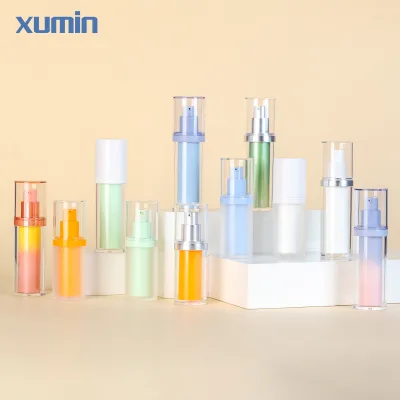


Replaceable Vacuum Lotion Pump Bottle 15ml 30ml 50ml Plastic Airless Bottle
$0.10 - $0.20
MOQ: 10000 Pieces
Comprehensive Sourcing Guide
Airless Mist Vacuum Pump Bottle Sourcing Guide
Sourcing airless mist vacuum pump bottles requires a nuanced understanding of packaging mechanics that differ significantly from standard cosmetic containers. These vessels utilize a piston-driven vacuum system to dispense product without exposing the formula to air, thereby preserving the integrity of sensitive ingredients such as antioxidants, retinoids, and probiotics. For procurement professionals, the primary challenge lies in balancing the mechanical reliability of the pump mechanism with the aesthetic and functional requirements of the brand. The market offers a variety of configurations, including round bottles with wide-mouthed designs and specialized sprayer types, each serving distinct application needs. Buyers must navigate a landscape where customization is prevalent, allowing for tailored solutions in color, logo printing, and volume capacity, but this flexibility often introduces complexity in quality assurance and supply chain management.
The decision to source these specific packaging units involves evaluating not just the container itself, but the entire dispensing ecosystem, including the pump head, actuator, and collar. Observed market signals indicate a strong preference for transparent or clear plastic materials, often polypropylene (PP), which allow consumers to monitor product levels while maintaining chemical resistance. The application scope is heavily concentrated in personal care and cosmetics, where the preservation of formula efficacy is paramount. Furthermore, the trend toward sustainability is influencing material choices, with recyclable features and disposable components becoming key differentiators. Procurement teams must therefore assess suppliers not only on their ability to produce the physical bottle but also on their capacity to provide sustainable, high-performance dispensing solutions that align with modern regulatory and consumer expectations.
Product Scope and Observed Listing Signals
The current market landscape for airless mist vacuum pump bottles reveals a diverse array of product models and specifications that cater to varying brand needs. Listings frequently highlight specific model identifiers such as Airless Bottles-081D, UL-69, and generic designations like "opp," indicating a fragmented supplier base with distinct product lines. Volume capacities observed range from small trial sizes like 10ml, 15ml, and 20ml to larger standard sizes of 30ml, 50ml, 80ml, and 100ml, with some suppliers offering options exceeding 500ml for bulk or professional use. This wide range allows buyers to select packaging that matches their product’s dosage requirements and shelf presence. The shape is predominantly round, often featuring a wide-mouthed bottle design that facilitates filling and cleaning during the manufacturing process, while the color palette is largely dominated by transparent or clear finishes that showcase the product inside.
Commercial signals from suppliers indicate a high degree of customization availability, which is a critical factor for brand differentiation. Many listings offer customized logos and surface handling techniques, including screen printing and UV printing, to enhance brand visibility on the container. The sealing type is consistently identified as a pump sprayer, with specific spraying shapes noted as liquid columns, suggesting a focus on fine mist or controlled liquid dispensing rather than foam or gel outputs. Additionally, the installation type is typically an external thread connection, ensuring compatibility with standard filling lines. Buyers should note that while customization is widely advertised, the extent of this customization—whether it involves mold modifications, color matching, or printing techniques—varies significantly between suppliers and requires detailed technical discussion to ensure feasibility and cost-effectiveness.
Technical Specifications to Verify
Verifying the technical specifications of airless mist vacuum pump bottles is essential to ensure compatibility with filling equipment and product formulation. The material composition is a primary concern, with polypropylene (PP) being a common choice due to its durability and chemical resistance. However, buyers must confirm the specific grade of plastic used, as different formulations may require different material properties to prevent interaction with the product. The bottleneck design, often described as wide-mouthed, must be precisely measured to match the filling nozzle of the production line. Additionally, the pump mechanism itself, whether it is a push sprayer or a more complex vacuum system, must be tested for consistency in spray pattern and volume per actuation. The spraying shape, such as a liquid column, should be evaluated to ensure it meets the aesthetic and functional expectations of the end-user.
Another critical technical aspect is the sterilization and safety profile of the packaging. Many suppliers indicate that their products are without ethylene oxide sterilization, which is a significant advantage for brands seeking to avoid residual chemical exposure in their cosmetics. The daily capacity of the supplier, ranging from 15,000 to 50,000 pieces, should be aligned with the buyer’s production volume to ensure timely delivery. Lead times, typically observed between 15 to 25 days, must be factored into the supply chain planning, especially for customized orders. The packing method, whether in polybags, cartons, or export cartons, also impacts logistics and storage efficiency. Buyers should request detailed technical drawings and specifications for each component, including the pump, collar, and bottle, to verify dimensional accuracy and functional reliability before placing large orders.
Compliance and Safety Documentation
Compliance and safety documentation are non-negotiable elements in the procurement of cosmetic packaging, particularly for products intended for global markets. While specific certification statuses may vary, buyers should insist on documentation that verifies the material’s compliance with relevant food-grade or cosmetic-grade standards. The absence of ethylene oxide sterilization is a positive indicator, but it should be supported by laboratory test results confirming the absence of harmful residues. Suppliers should provide Material Safety Data Sheets (MSDS) and declarations of conformity that detail the chemical composition of the plastic and any inks or coatings used in printing. These documents are crucial for ensuring that the packaging does not leach harmful substances into the product or pose a risk to consumer health.
Furthermore, buyers must verify the environmental compliance of the packaging, especially if the brand markets itself as sustainable. The recyclable nature of the plastic material should be confirmed with local recycling guidelines, as the recyclability of multi-component packaging like airless bottles can be complex. Suppliers may claim adherence to standards such as ISO9001, which indicates a quality management system, but buyers should verify the validity of these certifications through independent databases. Additionally, any claims regarding the biodegradability or use of recycled content must be substantiated with credible third-party certifications. Procurement teams should establish a clear requirement for comprehensive compliance documentation before finalizing any supplier agreement, ensuring that all regulatory obligations are met and that the brand is protected from potential liability issues.
Cost Drivers and Commercial Terms
The cost structure of airless mist vacuum pump bottles is influenced by several key drivers, including material costs, customization complexity, and order volume. The base price of the plastic material, such as polypropylene, fluctuates with market conditions, but the manufacturing process for vacuum pumps adds a significant premium due to the precision engineering required. Customization features, such as UV printing, screen printing, and custom colors, add to the unit cost and may also incur setup fees. The minimum order quantity (MOQ) is a critical commercial term, with observed ranges varying from 100 to 30,000 pieces depending on the supplier and the level of customization. Higher MOQs often result in lower unit prices, but they also increase inventory holding costs and risk for the buyer.
Lead times and payment terms are also significant factors in the total cost of ownership. Lead times of 15 to 25 days are common, but customized orders may require longer periods due to mold creation or printing setup. Buyers should negotiate clear payment terms, such as a deposit followed by balance upon shipment, to mitigate financial risk. The availability of free samples is a valuable commercial term that allows buyers to evaluate product quality before committing to a large order. However, buyers should be aware that sample costs may be deducted from the final order value. Additionally, the packing method, whether in individual polybags or bulk cartons, can impact shipping costs and should be factored into the overall budget. Clear communication regarding these commercial terms is essential to avoid unexpected costs and ensure a smooth procurement process.
Supplier Qualification and Quality Control
Qualifying suppliers for airless mist vacuum pump bottles requires a rigorous assessment of their manufacturing capabilities and quality control processes. Buyers should prioritize suppliers with a proven track record in producing cosmetic packaging, as this indicates familiarity with the specific requirements of the industry. The daily production capacity, ranging from 15,000 to 50,000 pieces, should be verified through site audits or third-party inspections to ensure that the supplier can meet demand without compromising quality. Suppliers should have robust quality control systems in place, including incoming material inspection, in-process checks, and final product testing. The ability to provide customized solutions, such as specific logos and surface finishes, should be validated through sample reviews and technical discussions.
Quality control should also extend to the functional performance of the pump mechanism. Buyers should request test reports that demonstrate the consistency of the spray pattern, the durability of the pump under repeated use, and the leak-proof integrity of the seal. The absence of ethylene oxide sterilization should be confirmed through batch-specific testing. Additionally, buyers should assess the supplier’s ability to handle defects and returns, as well as their responsiveness to quality issues. Establishing a clear quality agreement that defines acceptable defect rates and remediation procedures is essential. Regular audits and continuous monitoring of supplier performance are recommended to ensure that the quality of the packaging remains consistent over time, protecting the brand’s reputation and consumer safety.
Long-Term Procurement Checks
Long-term procurement of airless mist vacuum pump bottles requires ongoing monitoring of supplier performance and market trends to ensure continued value and reliability. Buyers should establish key performance indicators (KPIs) to track metrics such as on-time delivery, defect rates, and responsiveness to issues. Regular reviews of these metrics will help identify potential problems early and allow for corrective actions. Additionally, buyers should stay informed about changes in material costs and regulatory requirements that may impact the supply chain. The ability of the supplier to adapt to these changes, such as by sourcing alternative materials or updating compliance documentation, is a critical factor in long-term partnership success.
Sustainability is an increasingly important consideration in long-term procurement. Buyers should work with suppliers to explore opportunities for reducing the environmental impact of the packaging, such as by increasing the use of recycled content or improving recyclability. This may involve collaborating on design changes or investing in new technologies. Furthermore, buyers should maintain a diversified supplier base to mitigate risks associated with single-source dependencies. Regular communication and collaboration with suppliers can foster innovation and continuous improvement, ensuring that the packaging solutions remain competitive and aligned with evolving consumer preferences. By focusing on these long-term checks, buyers can build a resilient and sustainable supply chain for their cosmetic packaging needs.
FAQs
What customization options are available for these bottles?
Customization is available for logos, colors, and shapes. You can request specific branding on the round transparent bottles, and the surface handling supports screen printing or UV printing to meet your unique design requirements.
How is the product packed for shipping?
Products are packed individually in polybags, OPP bags, or boxes, and then placed into export cartons. This multi-layer packaging ensures the airless bottles remain secure during transit to international destinations.
What is the minimum order quantity for these items?
The minimum order quantity varies by product model, ranging from 100 to 30,000 pieces. Specific models like the Airless Bottles-081D may have different thresholds compared to other variants in the catalog.
Can I get free samples before placing a large order?
Free samples are available for potential buyers to evaluate product quality. This allows you to verify the pump sprayer functionality and bottle material before committing to a bulk purchase with a specific lead time.
What materials are used to manufacture these bottles?
The bottles are primarily made from plastic, including PP materials for specific models. These materials ensure durability and compatibility with cosmetics and personal care products stored inside the wide-mouthed containers.
How long does it take to produce a custom order?
Lead times typically range from 15 to 25 days depending on the order size and customization level. Daily production capacity can reach up to 50,000 pieces, ensuring timely delivery for most bulk requirements.