Source Aircraft Pallet Fence for factory, outdoor, and horse uses
Compare 30 listings for Aircraft Pallet Fence options including aluminum alloy and iron materials. Buyers can evaluate customizable dimensions, load capacities up to 2T, and various surface finishes like PVC coating for factory, outdoor, and horse fence applications.
Key considerations
Products List


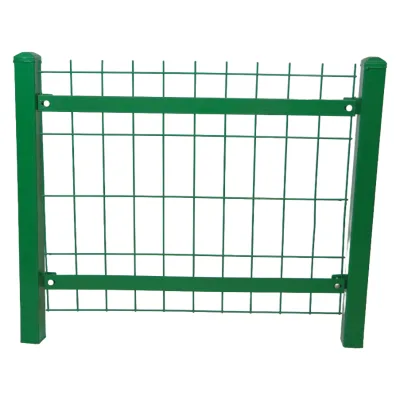


Aviation Logistics Center Security Chain Link Fence Roll 2.4m Height
$0.78 - $1.26
MOQ: 100 Square Meters

Customizable Heavy Duty Airport Cargo Yard Fencing for Logistics Security
$4.95 - $6.95
MOQ: 50 Square Meters


$7.60 - $7.80
MOQ: 2000 Square Meters

Welded Metal High-Security Airport Fence for Airport Construction Project
$30.00 - $240.00
MOQ: 10 Sets
Comprehensive Sourcing Guide
Aircraft Pallet Fence Sourcing Guide
Sourcing specialized fencing solutions for aircraft pallet storage and logistics environments requires a nuanced understanding of both industrial durability and spatial efficiency. The term "Aircraft Pallet Fence" often intersects with broader categories of heavy-duty industrial fencing, modular security barriers, and specialized storage containment systems. Buyers must navigate a market where products are frequently described using generic terms such as "3D wire mesh fence," "plastic net," or "aluminum alloy" structures, rather than explicit aviation-specific nomenclature. This guide synthesizes observed market data and trusted procurement principles to help buyers identify, verify, and procure fencing systems suitable for high-traffic, high-load industrial settings that may include aircraft pallet handling zones.
The procurement landscape for these systems is characterized by a wide variance in materials, from galvanized iron and PVC-coated steel to lightweight aluminum alloys and polypropylene nets. Observed listings indicate a strong emphasis on customization, with many suppliers offering adjustable dimensions, hole sizes, and surface finishes to meet specific site requirements. Buyers should approach this category with the understanding that "Aircraft Pallet Fence" is likely a functional description rather than a standardized product name. Consequently, the sourcing strategy must focus on verifying the physical attributes of the fence—such as load capacity, entry type, and corrosion resistance—against the rigorous demands of aircraft pallet logistics, which involve heavy machinery, frequent movement, and strict safety protocols.
Product Scope and Observed Listing Signals
The current market offers a diverse array of fencing products that can be adapted for aircraft pallet storage areas, with observed listings highlighting key attributes such as customizable dimensions, specific entry types, and varied material compositions. For instance, products are available with a load capacity of 2T and entry types designed for 4-way access, which are critical features for forklift and pallet jack maneuverability in tight storage bays. The presence of "easily assembled" features and standardized packing methods suggests that many suppliers prioritize rapid deployment and logistical ease, allowing facilities to install or reconfigure barriers with minimal downtime. Buyers should look for these operational efficiencies when evaluating potential fencing solutions for dynamic warehouse environments.
Material selection is a primary differentiator in this category, with observed products ranging from iron-based structures with PVC coatings to aluminum alloy frames and polypropylene nets. The "3D wire mesh fence" category, for example, often features galvanized iron posts and panels with hole sizes ranging from 50100mm to 55200mm, providing a balance of visibility and security. Additionally, some listings specify "conductive" insulation properties, which may be relevant for facilities requiring static dissipation or specific electrical safety standards. The color options, including army green and RAL-standardized finishes, allow for visual integration into existing facility aesthetics, while the "customizable" nature of most products ensures that buyers can tailor the fence height, panel shape, and post dimensions to fit specific aircraft pallet racking configurations.
Technical Specifications to Verify
When evaluating fencing systems for aircraft pallet applications, buyers must rigorously verify technical specifications to ensure compatibility with heavy loads and frequent mechanical interaction. Key parameters to confirm include the wire diameter, which observed listings suggest ranges from 3.0mm to 4.0mm or can be customized, and the post dimensions, such as 4060mm or 6060mm, which directly impact structural stability. The "hole size" and "mesh" dimensions are also critical, as they determine the security level and the ability to contain small debris or pallet components. Buyers should request detailed technical drawings that specify the exact geometry of the panels and posts, ensuring that the fence can withstand the impact of moving aircraft pallets without deformation or failure.
Surface treatment and corrosion resistance are equally important technical considerations, particularly in industrial environments where exposure to moisture, chemicals, or extreme temperatures is common. Observed products often feature a "galvanized then PVC coated" or "PVC spraying" finish, which provides a dual layer of protection against rust and physical abrasion. Buyers should verify the thickness of these coatings and the quality of the underlying metal to ensure long-term durability. Additionally, the "folded height" and "assembled dimensions" of the fence panels should be checked to confirm that they meet the spatial constraints of the storage area, especially if the fencing needs to be stored or transported efficiently. The "customizable" nature of these specifications allows for tailored solutions, but buyers must ensure that the final product meets their specific operational requirements.
Compliance and Safety Documentation
Safety compliance is paramount when installing fencing in areas where aircraft pallets are handled, as these zones often involve heavy machinery and high-value cargo. Buyers should request documentation that verifies the structural integrity of the fence, including load-bearing tests and impact resistance data. While specific aviation standards may not always be explicitly listed in general industrial fencing catalogs, buyers should ensure that the fencing meets relevant local safety regulations for industrial barriers and containment systems. This may include certifications for fire resistance, especially if the fencing is used near electrical equipment or in areas with strict fire codes.
Documentation should also cover the environmental and material safety aspects of the fencing products. For instance, if the fencing includes PVC coatings or polypropylene components, buyers should verify that these materials comply with environmental regulations regarding hazardous substances. The "standard export packing" mentioned in some listings suggests a level of professionalism in handling and shipping, but buyers should also inquire about the safety data sheets (SDS) for any coatings or treatments applied to the metal components. Ensuring that all materials are non-toxic and environmentally compliant is essential for maintaining a safe and sustainable workplace, particularly in facilities that handle sensitive aircraft components.
Cost Drivers and Commercial Terms
The cost of aircraft pallet fencing is influenced by several key factors, including material type, customization level, and order volume. Observed price ranges in the market vary significantly, from low-cost plastic nets to high-end aluminum alloy structures, reflecting the diversity of available options. Buyers should consider the total cost of ownership, which includes not only the initial purchase price but also installation, maintenance, and potential replacement costs. Customizable features, such as specific hole sizes or post dimensions, may incur additional charges, so buyers should clearly define their requirements upfront to avoid unexpected costs.
Commercial terms, such as minimum order quantities (MOQ) and lead times, also play a crucial role in the procurement process. Observed MOQs range from 1 to 2000 units, offering flexibility for both small-scale projects and large-scale facility upgrades. Buyers should negotiate favorable terms based on their volume requirements and delivery schedules. Additionally, the "standard export packing" or "carton" packaging options can affect shipping costs and handling requirements, so buyers should consider the logistics of receiving and storing the fencing materials. Clear communication with suppliers regarding these commercial terms can help streamline the procurement process and ensure timely delivery.
Supplier Qualification and Quality Control
Selecting a reliable supplier is critical to ensuring the quality and consistency of aircraft pallet fencing. Buyers should verify the supplier's manufacturing capabilities, including their experience with metal fabrication, PVC coating, and custom design services. The presence of "3D modeling" services, as noted in some listings, indicates that suppliers may offer advanced design support, which can be valuable for customizing fencing to specific site requirements. Buyers should also inquire about the supplier's quality control processes, including inspection protocols for material thickness, coating uniformity, and structural integrity.
Supplier qualification should also include an assessment of their reputation and track record in the industrial fencing market. Buyers can look for evidence of past projects, customer testimonials, and any relevant industry certifications. The "place of origin" and "brand name" information, such as "JIDEYUAN" or "Rizhao, Shandong, China," can provide insights into the supplier's geographic location and market presence. However, buyers should not rely solely on these details and should conduct thorough due diligence to ensure that the supplier meets their quality and service expectations. Establishing a strong relationship with a qualified supplier can lead to better pricing, improved service, and consistent product quality over time.
Long-Term Procurement Checks
Long-term procurement success depends on establishing ongoing checks and balances to ensure that fencing systems continue to meet operational needs over time. Buyers should implement regular inspection schedules to assess the condition of the fencing, looking for signs of wear, corrosion, or structural damage. This proactive approach can help identify potential issues before they lead to safety hazards or operational disruptions. Additionally, buyers should maintain open communication with their suppliers to stay informed about any updates in product technology or industry standards that may affect their fencing systems.
As facility requirements evolve, buyers may need to modify or expand their fencing installations. Establishing a framework for future procurement, including pre-negotiated terms for additional orders or custom modifications, can simplify this process. Buyers should also consider the scalability of their fencing solutions, ensuring that they can be easily adapted to changes in storage layout or aircraft pallet handling procedures. By focusing on long-term value and flexibility, buyers can maximize the return on their investment in aircraft pallet fencing and maintain a safe, efficient, and compliant storage environment.
FAQs
Can aircraft pallet fences be customized to specific dimensions?
Yes, aircraft pallet fences can be customized to specific dimensions. The product specifications indicate that dimensions are customizable, allowing buyers to request lengths of 3 meters or other custom sizes to fit their unique operational requirements.
What materials are used to construct these aircraft pallet fences?
These aircraft pallet fences are constructed from aluminum alloy, iron, and metal frames. Some variants also utilize plastic netting made of PP material, ensuring durability and suitability for various industrial applications like factory or outdoor fencing.
How is the surface of the Aircraft Pallet Fence treated for corrosion?
The surface is treated to resist corrosion through galvanization followed by PVC coating or painting. This process ensures the fence remains durable in outdoor environments, with available colors including army green and RAL standard options.
What is the typical load capacity for these aircraft pallet fences?
The typical load capacity for these aircraft pallet fences is 2 tons. This capacity supports heavy-duty usage in industrial settings, making them suitable for securing areas in factories or for horse fencing applications where strength is essential.
Which packaging methods are used for shipping these aircraft pallet fences?
Packaging methods include standard export packing, cartons, PP bags, or pallets according to customer requirements. This flexible approach ensures the products arrive safely, with options available to meet specific logistical needs of international buyers.
Can buyers request samples before placing a large order for aircraft pallet fences?
Yes, buyers can request samples before placing a large order. The supplier offers samples to allow potential clients to verify product quality, dimensions, and finish before committing to a bulk purchase of the fencing or trellis systems.
What is the origin location for these Aircraft Pallet Fence products?
The origin location for these Aircraft Pallet Fence products is China, specifically from regions like Hebei and Rizhao in Shandong. This sourcing location provides access to manufacturers capable of producing aluminum alloy and iron-based fencing solutions.