Source Airless Pump Lotion Bottle with Silkprint for Cosmetics
Find 30 listings for Airless Pump Lotion Bottle with Silkprint suitable for lotions, creams, and serums. Buyers can compare capacities from 15ml to 200ml, materials like PP and SAN, and customization options including logo printing and color requirements.
Key considerations
Products List


Wholesale Color Customize as Plastic Airless Pump Lotion Cosmetic Bottle
$0.38 - $0.44
MOQ: 10000 Pieces


Multi Capacity Plastic Pump Bottle Cosmetic Cream Airless Bottles with Pump
$0.34 - $0.35
MOQ: 10000 Pieces


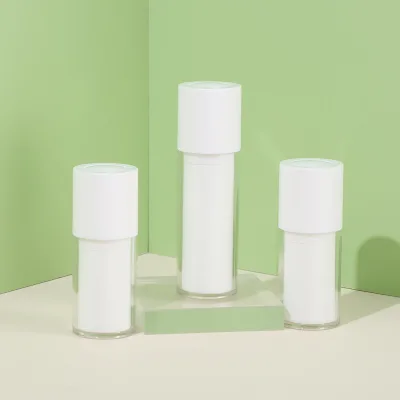
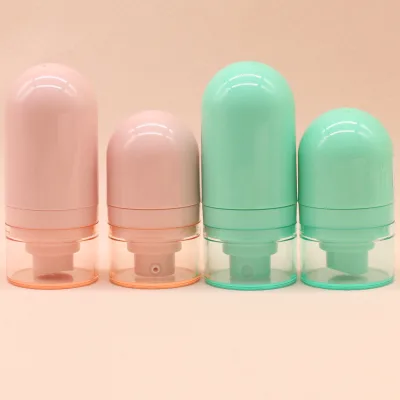


30ml 50ml Silkscreen White Skincare Airless Bottle Cosmetic Airless Lotion Pump Bottle
$0.20 - $1.00
MOQ: 5000 Pieces


Comprehensive Sourcing Guide
Strategic Sourcing Guide for Airless Pump Lotion Bottles with Silk Print
Understanding the Core Product Architecture and Technical Specifications
The airless pump lotion bottle represents a critical component in modern personal care and beauty packaging, designed specifically to protect sensitive formulations such as lotions, creams, essences, and serums. The fundamental architecture of these containers relies on a vacuum mechanism that prevents product oxidation and contamination, ensuring the integrity of the active ingredients within. When sourcing units featuring silk screen printing, buyers must recognize that the printing process is applied directly to the bottle surface, requiring specific material compatibility to ensure adhesion and durability.
The primary materials observed in this category include SAN (Styrene Acrylonitrile), ALU (Aluminum), and PP (Polypropylene). The body material is predominantly PP, chosen for its chemical resistance and flexibility, while the pump mechanism often involves a combination of plastic components. The standard shape for these units is round, facilitating ergonomic handling and efficient shelf stacking. Capacity ranges are diverse, with common specifications including 15ml, 30ml, 50ml, and extending up to 100ml, 150ml, and 200ml depending on the specific model. The sealing type is typically a screw cap or a pump sprayer mechanism, ensuring a secure closure that prevents leakage.
Surface treatment is a defining characteristic for buyers seeking custom branding. The process involves screen printing, also referred to as silk screen printing, which allows for the application of logos and designs directly onto the bottle. This method is distinct from labeling and offers a permanent finish. The printing capabilities often extend to include hot stamping and labeling options, providing flexibility for different aesthetic requirements. The color of the bottle can be customized to meet specific customer requirements, though the base material often dictates the available palette. The origin of these products is frequently traced to manufacturing hubs in China, specifically regions like Yuyao and Zhejiang, which are known for their concentration of plastic packaging manufacturers.
Compliance, Certification, and Material Safety Standards
In the realm of personal care packaging, compliance with international standards is non-negotiable. Buyers must verify that the airless pump bottles meet specific safety and quality benchmarks before committing to large-scale orders. The supply chain data indicates that products are often associated with SGS certification, a globally recognized testing, inspection, and verification company. This suggests that the manufacturers may undergo rigorous testing to ensure their products meet safety requirements for cosmetics and personal care items.
However, buyers should not assume that every listed product automatically satisfies all regulatory requirements without verification. The standard for the product itself is often defined by the capacity specifications, such as 15ml, 20ml, 30ml, or 50ml, rather than a singular universal standard. It is essential to confirm that the materials used, particularly the PP body and the pump components, are free from harmful substances like BPA (Bisphenol A), especially given the industrial use for cosmetics. The "BPA-free" attribute is a critical consideration for health-conscious brands, though specific test results must be requested from the supplier rather than assumed.
The recyclability of the packaging is another significant compliance factor. Many of these bottles are marketed as recyclable, aligning with global sustainability trends. Buyers should request documentation regarding the recyclability of the specific materials used (SAN, ALU, PP) to ensure they meet their corporate sustainability goals. Furthermore, the origin of the product, whether from Yuyao or Zhejiang, may influence the specific regulatory frameworks applied, such as EU regulations or FDA guidelines, depending on the target market. Verification of the manufacturer's quality management systems and their ability to provide batch-specific test reports is a vital step in the due diligence process.
Cost Drivers and Economic Factors in Procurement
The pricing structure for airless pump lotion bottles with silk print is influenced by several variable factors. The observed price range in the market spans from $0.11 to $1.50 USD per unit, though this is highly dependent on order volume, customization complexity, and material selection. The primary cost driver is the customization level; a standard round bottle with a single-color screen print will cost significantly less than a multi-color design or a bottle with complex surface treatments like hot stamping.
Order volume is the second most critical economic factor. The Minimum Order Quantity (MOQ) is a substantial barrier for smaller buyers, with typical requirements ranging from 10,000 pieces. Some suppliers may accept smaller orders, with MOQs as low as 10 pieces, but this often comes with a premium unit price or limited customization options. The "Small Orders: Accepted" attribute suggests flexibility exists, but buyers must negotiate the specific terms to avoid unexpected costs. The material composition also impacts cost; bottles made with higher-grade PP or those incorporating aluminum components may command a higher price point compared to standard plastic versions.
Payment terms play a role in the overall financial planning of the procurement. Standard payment methods include Cash, TT (Telegraphic Transfer), LC (Letter of Credit), DDP (Delivered Duty Paid), and OA (Open Account). The choice of payment method can affect the final landed cost, as DDP terms include shipping and duties, whereas other terms require the buyer to manage logistics and import fees. Additionally, the lead time, typically estimated at 15 to 25 days, influences inventory planning and potential rush fees. Buyers should factor in the cost of samples, which are often provided freely or at a low cost, to ensure the final product meets expectations before committing to the full MOQ.
Typical Applications and Industrial Use Cases
The versatility of airless pump lotion bottles makes them suitable for a wide array of applications within the personal care and beauty industries. The primary usage includes packaging for lotions, creams, essences, hand care creams, and serums. The airless mechanism is particularly beneficial for products containing active ingredients that are sensitive to air and light, such as vitamin C serums or retinol creams, as it prevents oxidation and extends shelf life.
The industrial use cases extend beyond skincare to include various personal care products. The "Industrial Use" attribute explicitly lists Personal Care and Beauty Packaging, indicating the broad applicability of these containers. The round shape and screw cap or pump sprayer design make them ideal for products that require precise dispensing, such as facial cleansers or moisturizers. The customization options, including color and logo printing, allow brands to differentiate their products on crowded retail shelves.
The specific model numbers, such as BN-AP-0887-#6240, KA1000, KA0310-A, and SWC-BPA35-20, suggest that manufacturers offer a range of specialized designs tailored to different product viscosities and dispensing needs. For instance, a 15ml bottle might be used for travel-sized serums, while a 100ml or 200ml bottle could be used for body lotions. The "Non Spill" feature is a critical attribute for products that are prone to leakage, ensuring a clean user experience. The ability to accept customized logos and colors further enhances the brand's ability to create a cohesive identity across their product line.
Supplier Evaluation and Selection Criteria
Selecting the right supplier for airless pump lotion bottles requires a rigorous evaluation process. Buyers should prioritize suppliers who demonstrate a clear understanding of the technical specifications and customization requirements. The availability of OEM (Original Equipment Manufacturer) and ODM (Original Design Manufacturer) services is a key indicator of a supplier's flexibility and capability to meet unique brand needs. The "OEM/ODM: Acceptable" attribute confirms that many manufacturers are willing to work with clients to develop custom solutions.
The location of the supplier is another critical factor. With origins in China, specifically Yuyao and Zhejiang, buyers should assess the logistical advantages and potential challenges of sourcing from these regions. Proximity to manufacturing hubs can reduce lead times and shipping costs, but it also requires careful management of communication and quality control. The "Small Orders: Accepted" and "Sample: Accept" attributes indicate that suppliers are open to building relationships with smaller clients, which can be a positive sign of customer service orientation.
Quality control is paramount. Buyers should verify the supplier's adherence to standards such as SGS and request samples to test the functionality of the airless pump, the durability of the silk screen print, and the overall build quality. The "Feature: Recyclable" and "Feature: Non Spill" attributes should be validated through physical testing. Additionally, the supplier's ability to provide consistent quality across large batches is essential. The "Delivery Time: 15-25days" suggests a standard production cycle, but buyers should confirm if this timeline can be adjusted for urgent orders and what the implications are for cost.
Quality Control and Long-Term Procurement Considerations
Implementing a robust quality control (QC) strategy is essential for maintaining product integrity throughout the procurement lifecycle. The first line of defense is the sample approval process. Buyers should insist on receiving samples that match the final production specifications, including the exact color, print quality, and pump functionality. The "Sample: One Free of Charge" and "Sample: Freely Provide" attributes suggest that suppliers are willing to support this process, but buyers must ensure the samples are representative of the mass-produced units.
Long-term procurement considerations involve building a sustainable supply chain. The "Package: Standard Carton Package" and "prod_packing: Carton" indicate that the products are shipped in bulk cartons, which must be evaluated for their ability to protect the bottles during transit. Buyers should assess the packaging for damage resistance, especially for fragile components like the pump mechanism. The "Printing: Silk Screen Printing, Hot Stamping, Labeling" options offer flexibility, but buyers must ensure that the chosen method does not compromise the structural integrity of the bottle or the adhesion of the print over time.
Sustainability is a growing concern in the packaging industry. The "Feature: Recyclable" attribute is a significant advantage, but buyers should verify the specific recycling protocols for the materials used. Long-term contracts with suppliers who demonstrate a commitment to environmental responsibility can enhance a brand's reputation. Additionally, the "Payment: Cash, Tt, LC, DDP, OA" options provide flexibility in financial management, allowing buyers to choose terms that align with their cash flow and risk management strategies.
Final Procurement Strategy and Implementation
The successful sourcing of airless pump lotion bottles with silk print requires a balanced approach that combines technical due diligence, cost analysis, and supplier relationship management. Buyers must navigate the complexities of MOQs, lead times, and customization requirements while ensuring that the final product meets all quality and compliance standards. The observed price range of $0.11 to $1.50 and MOQs of 10 to 10,000 pieces provide a framework for negotiation, but the final terms will depend on the specific needs of the buyer.
By focusing on the technical specifications, material safety, and supplier capabilities, buyers can secure a reliable supply chain for their personal care products. The ability to customize colors, logos, and capacities allows for significant brand differentiation, while the airless mechanism ensures product quality and consumer satisfaction. Ultimately, the goal is to establish a partnership with a supplier who can deliver high-quality, compliant, and cost-effective packaging solutions that support the brand's long-term growth and sustainability goals.
FAQs
What materials are used for airless pump lotion bottles with silkprint?
These bottles are primarily constructed from SAN, ALU, and PP materials. The body is predominantly made of PP plastic, which offers chemical resistance and flexibility suitable for cosmetics and personal care products.
Which capacities are available for airless pump lotion bottles with silkprint?
Standard capacities range from 15ml to 200ml, including specific options like 15ml, 30ml, 50ml, 100ml, 150ml, and 200ml. The exact capacity depends on the specific model number selected by the buyer.
Can I customize the color and logo on airless pump lotion bottles with silkprint?
Yes, customization is available for both color and logo. Buyers can request any color as a customer requirement, and logos can be applied via screen printing, hot stamping, or labeling methods.
What is the typical MOQ for airless pump lotion bottles with silkprint?
The standard Minimum Order Quantity is 10,000 pieces. However, some suppliers may accept small orders starting from 10 pieces, though this often depends on specific negotiation and customization requirements.
How long is the delivery time for airless pump lotion bottles with silkprint?
The typical delivery time is between 15 to 25 days. This timeline covers production and preparation for shipment, assuming standard customization and order volume conditions are met.
Which certifications are associated with airless pump lotion bottles with silkprint?
Products are often associated with SGS certification, indicating compliance with safety and quality benchmarks. Buyers should verify specific test reports to ensure materials meet international safety standards for cosmetics.
What sealing types are used for airless pump lotion bottles with silkprint?
The sealing types typically include a screw cap or a pump sprayer mechanism. These designs ensure a secure closure that prevents leakage and maintains the integrity of the product inside.