Source Aluminium Flooring Profile for Hotels, Doors, and Decoration
Find 20 Aluminium Flooring Profile options from Guangdong suppliers. Compare 6061 and 6063 alloys, T3-T8 tempers, and surface treatments like anodized or powder coated finishes. Source durable, eco-friendly profiles for hotels, doors, and industrial decoration with customized dimensions; compare the available evidence and request quotations based on your requirements.
Updated
Key considerations
Products List







Comprehensive Sourcing Guide
Aluminium Flooring Profile Sourcing Guide
Product Scope and Observed Listing Signals
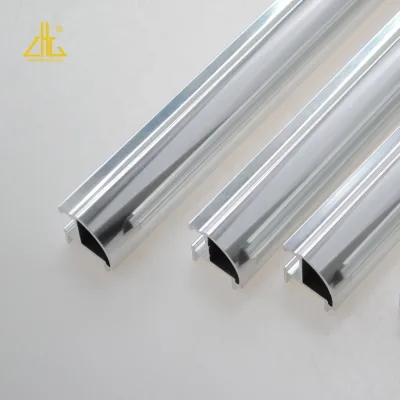
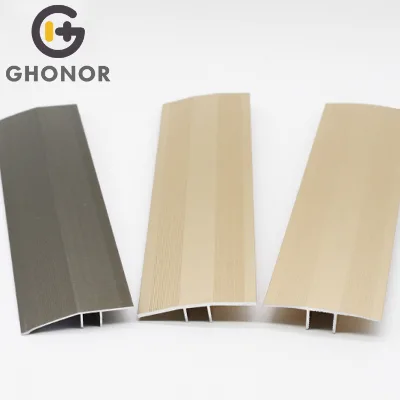
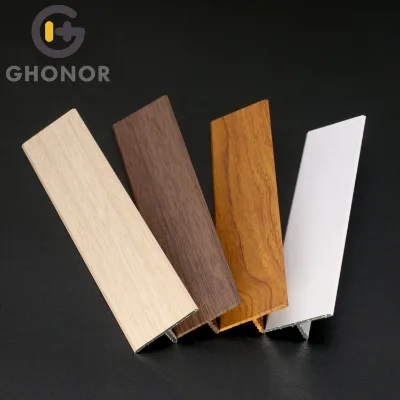
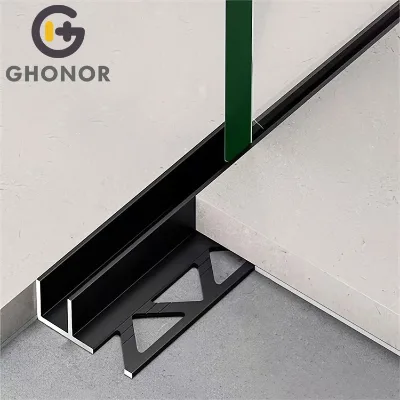
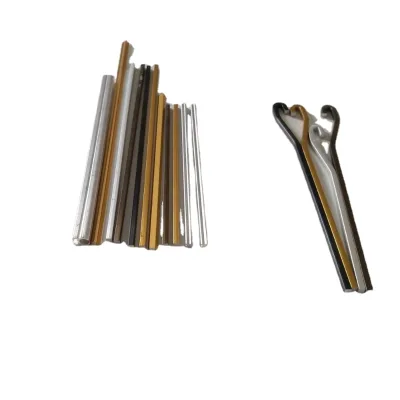
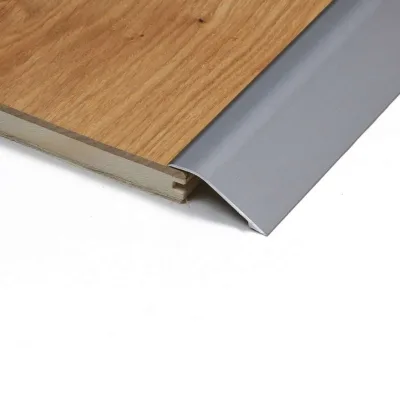
The market for aluminium flooring profiles includes specialized transition strips and edge trims designed for both residential and commercial environments. Listings indicate a strong focus on modern design aesthetics, with products frequently marketed for hotel applications and general decoration. Buyers will encounter items described as floor transition strips or tile trims, which serve to protect and decorate the edges of tiles, marble, UV boards, and glass. These components are essential for creating seamless visual transitions between different flooring materials while providing structural protection to vulnerable edges.
Observed product attributes highlight a variety of shapes, including square, round, and rectangular profiles, with customization options available to meet specific project requirements. The supply chain demonstrates significant capacity, with some manufacturers reporting production capabilities of up to 5,000 tons per month. This scale suggests that suppliers are equipped to handle large-scale industrial orders, making them suitable for major construction projects or bulk procurement needs where consistent supply and volume discounts are critical factors in the sourcing decision.
Technical Specifications to Verify
Technical verification must begin with the alloy composition, as listings specify materials such as 6061 and 6063 aluminium, often classified under the 6000 Series. Buyers should confirm whether the material is derived from 95% pure new aluminium, ensuring high quality and consistency in the final product. The temper range, observed as T3 to T8, significantly impacts the mechanical properties of the profile, so specifying the exact temper required for the intended load-bearing or decorative application is crucial for performance and durability.
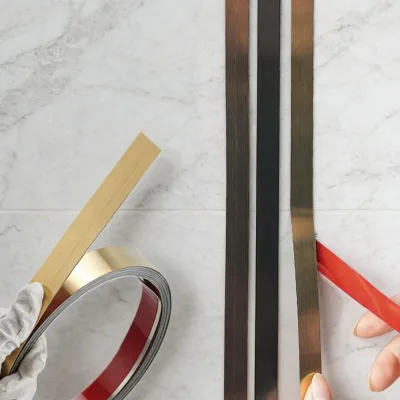
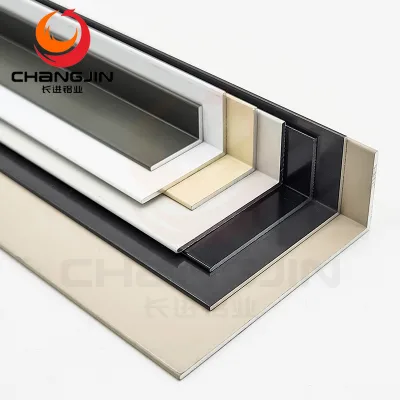
Dimensional accuracy is another critical parameter, with observed tolerances of ±3% and thicknesses ranging from 0.3mm to 3.0mm. Standard lengths often include 2.44m, 2.5m, and 3m, though customized dimensions are widely available. Surface treatments vary from anodizing and powder coating to electrophoresis and wood grain finishes, with general colors including silver, mirror, champagne, bronze, and black. Procurement teams must verify that the selected surface treatment aligns with the environmental conditions of the installation site, particularly regarding water resistance and eco-friendly requirements.
Compliance and Safety Documentation
Compliance verification requires checking for recognized certifications such as CQM, SGS, CE, BV, and SONCAP, alongside international standards like GB, ISO, JIS, and AS. These documents provide assurance that the manufacturing processes and final products meet specific quality and safety benchmarks. Buyers should request current certificates to ensure that the supplier’s quality management systems are actively maintained and that the products have undergone independent testing for the claimed attributes, such as durability and water resistance.
Additionally, the presence of standards like QUALICOAT indicates adherence to specific coating quality requirements, which is vital for maintaining the aesthetic and protective qualities of the aluminium profiles over time. It is essential to confirm that the supplier can provide test results or documentation supporting the eco-friendly claims often associated with these products. Ensuring that all regulatory and industry-specific standards are met helps mitigate risks related to product liability and ensures that the materials are suitable for their intended use in sensitive environments like hotels or public buildings.
Cost Drivers and Commercial Terms
Cost structures for aluminium flooring profiles are influenced by raw material prices, processing complexity, and surface treatment requirements. The observed price range of $0.5 to $2,900 USD reflects the diversity of products, from simple trim pieces to complex, customized industrial profiles. Minimum Order Quantities (MOQs) typically range from 50 to 1,000 units, which can impact the unit cost and overall project budget. Buyers should negotiate terms that balance volume discounts with the flexibility to order smaller quantities for prototype testing or smaller projects.
Packaging details also play a role in total landed cost, with standard practices including plastic protection films and waterproof craft paper or EPE foam wrapping. Customized packing is available, which may incur additional charges but can reduce damage during transit. Lead times and port of dispatch options, such as Shenzhen, Guangzhou, and Foshan, should be clarified early in the negotiation process. Understanding these commercial terms helps in accurately forecasting total costs and ensuring that the supply chain aligns with project timelines and logistical constraints.
Supplier Qualification and Quality Control
Supplier qualification involves assessing production experience and capacity, with some manufacturers boasting over 21 years of experience since 1993. A workforce of 800 to 1,000 employees suggests a substantial operational scale, capable of handling complex processing services like CNC, drilling, milling, and welding. Buyers should verify the supplier’s ability to provide OEM and ODM services, requiring drawings or samples to ensure that the final product meets specific design and functional requirements.
Quality control processes should include rigorous inspection of surface treatments, dimensional accuracy, and material purity. Suppliers offering online technical support and graphic design project solution capabilities can provide additional value during the procurement and installation phases. It is advisable to request samples before placing large orders to verify the quality of the anodized or powder-coated finishes and to ensure that the profiles meet the specified tolerances and aesthetic standards required for the project.
Long-Term Procurement Checks
Long-term procurement success depends on establishing a reliable supply chain that can adapt to changing project needs and market conditions. Buyers should monitor supplier performance metrics, including on-time delivery rates, product consistency, and responsiveness to technical support requests. Regular audits of the supplier’s quality management systems and certification status can help maintain high standards and ensure continued compliance with industry regulations and safety requirements.
Building a strong relationship with suppliers who offer customized solutions and have a proven track record in the aluminium profile industry can provide a competitive advantage. It is important to stay informed about advancements in surface treatment technologies and material innovations that may offer improved durability or aesthetic options. By maintaining open communication and conducting periodic reviews of supplier performance, buyers can ensure that their procurement strategy remains aligned with project goals and delivers long-term value.
FAQs
What materials are used for aluminium flooring profiles?
The profiles are made from 95% pure new aluminium, specifically using 6061 and 6063 alloys from the 6000 series. These materials ensure high strength and durability for industrial and decorative applications while maintaining a lightweight structure suitable for various flooring needs.
Which surface treatments are available for these profiles?
Available treatments include anodizing, powder coating, electrophoresis, wood grain finishes, and customized options. These processes enhance corrosion resistance and aesthetic appeal, allowing the profiles to match specific design requirements for hotels, windows, doors, and general decoration projects.
Can suppliers provide customized dimensions and shapes?
Yes, manufacturers offer customized dimensions and shapes including square, round, and rectangular profiles. Buyers can request specific lengths like 2.44m or 3m, and widths ranging from 4mm to 30mm, ensuring the product fits unique architectural or industrial installation requirements precisely.
What certifications do the aluminium profiles meet?
Products comply with multiple standards including CQM, SGS, CE, BV, SONCAP, GB, ISO, JIS, AS, and QUALICOAT. These certifications verify quality and safety, making the profiles suitable for international markets and ensuring they meet rigorous industry requirements for construction and decoration projects.
How is the packaging handled for shipping?
Each piece is wrapped in plastic protection film, and bundles are covered with waterproof craft paper or EPE foam. Customized packing is available to ensure safe transport, with single package sizes typically around 10x10x10 cm or larger depending on the specific order requirements.
What is the production capacity of the manufacturer?
The facility has a monthly production capacity of 5000 tons and an annual capacity of 60000 tons. With 800 to 1000 employees and 21 years of experience, the manufacturer can handle large volume orders efficiently while maintaining consistent quality and timely delivery schedules.
Which ports are used for dispatching the products?
Products are dispatched from major ports in Guangdong, China, specifically Shenzhen, Guangzhou, and Foshan. This strategic location facilitates efficient logistics and shipping to global destinations, ensuring reliable delivery times for international buyers sourcing aluminium flooring profiles and related accessories.