Source Extruded Aluminum Wall Baffles for Offices, Hotels, and Schools
Find 30 listings for Extruded Aluminum Wall Baffles suitable for office buildings, hotels, and schools. Compare specifications including fireproof, sound-absorbing, and moisture-proof features from suppliers in Guangdong, China. These products offer modern design styles with options for custom colors and sizes. Buyers can evaluate various thicknesses and surface treatments to meet specific project requirements for interior decoration.
Updated
Key considerations
Products List
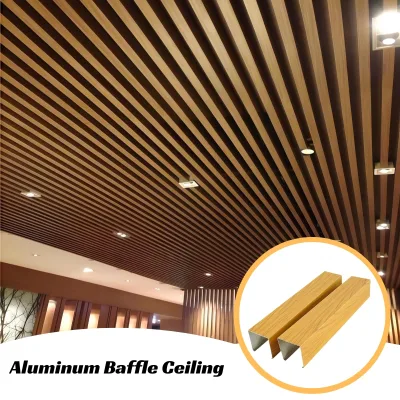
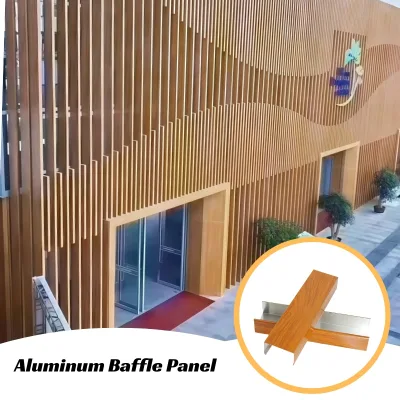
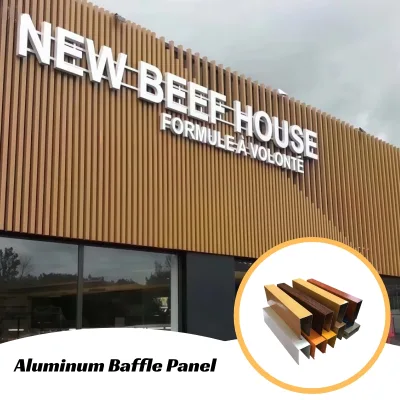
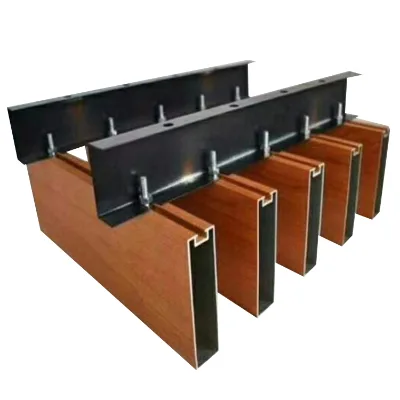


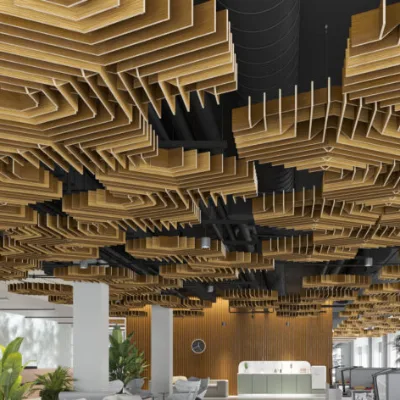
Style Interior Panel Decoration Material Suspended Ceiling Aluminum Wood Baffles
$30.12 - $45.21
MOQ: 50 Square Meters

Sound Reduction Panel Echo Wall Panel Decoration Aluminum Wood Baffle
$21.93 - $29.84
MOQ: 50 Square Meters
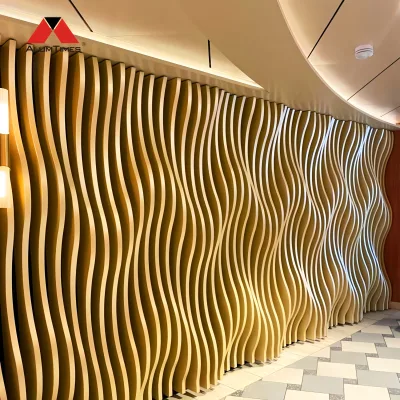


Sound Absorbing Material Proof Wall Panels Absorption Acoustic Baffles
$7.50 - $8.70
MOQ: 300 Square Meters
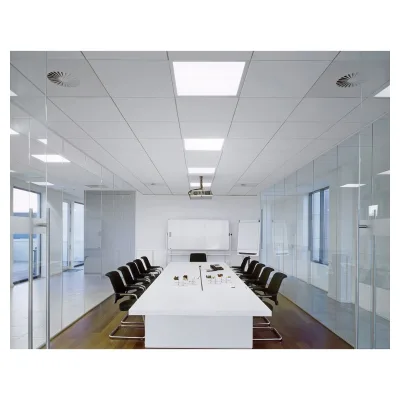
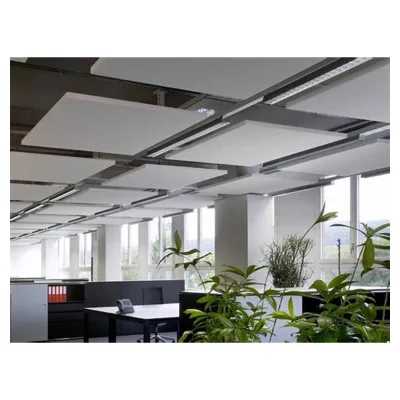
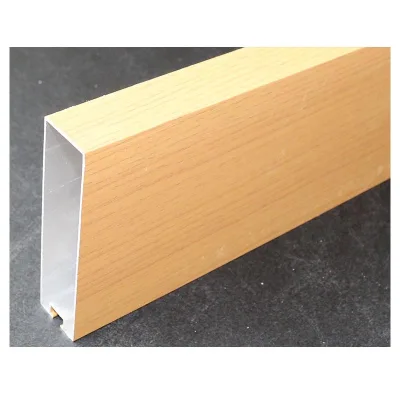
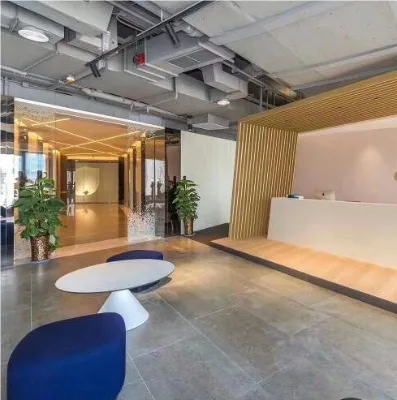


Roof V-Shaped Aluminum Ceiling Baffle with Small Infill Metal Strip Panel
$5.00 - $12.00
MOQ: 500 Square Meters
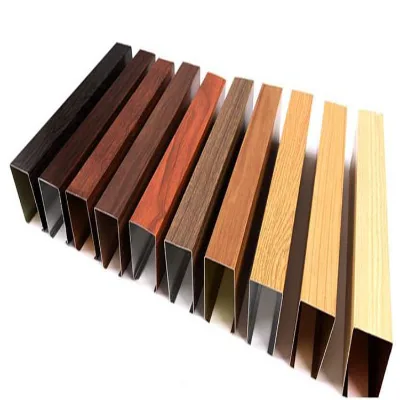

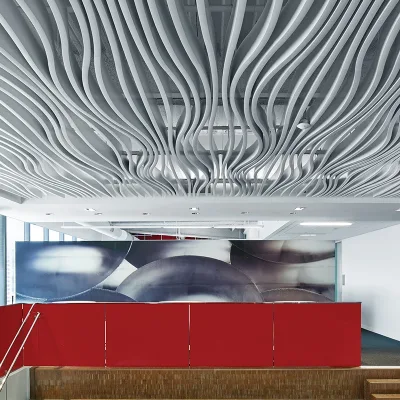
Factory Custom Wavy Curved Aluminum Baffles for Commercial Interior Ceiling Projects
$35.00 - $55.00
MOQ: 100 Square Meters
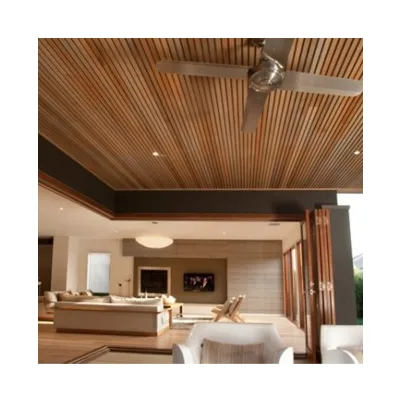
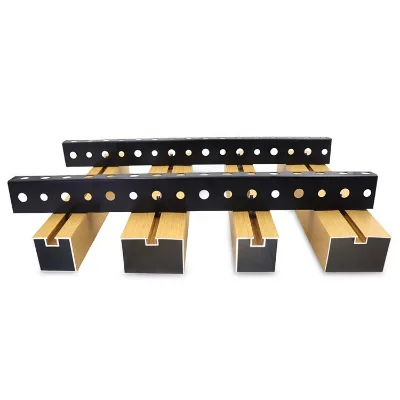
Curtain Wall Aluminum Profile Aluminum Baffle Ceiling Acoustic Ceiling Tiles
$8.2145 - $10.1354
MOQ: 50 square
Comprehensive Sourcing Guide
Extruded Aluminum Wall Baffles Sourcing Guide
Sourcing Extruded Aluminum Wall Baffles requires a clear understanding of the specific functional attributes and material properties available in the current market. Buyers must distinguish between products designed for interior acoustic control and those intended for exterior architectural cladding, as the manufacturing processes and performance expectations differ significantly. The observed product landscape includes items such as square tube ceilings and curtain walls, which share the core aluminum material base but vary in application scope. Understanding these distinctions is the first step in defining precise procurement requirements that align with project specifications.
Procurement teams should also evaluate the design style and surface treatment options to ensure aesthetic compatibility with the broader architectural vision. Modern design styles often pair with powder-coated finishes or wooden grain effects, while traditional applications might favor light grey or customized colors. The availability of customization, including size and color, allows for tailored solutions, but it also introduces complexity in quality control. Buyers need to verify that the supplier can consistently maintain these custom attributes across large production runs without compromising the structural integrity or finish quality of the aluminum profiles.
Product Scope and Observed Listing Signals
The current market offers a diverse range of aluminum ceiling and wall products, including square tube ceilings, curtain walls, and ceiling panels. These items are primarily manufactured in Guangdong, China, and are available in various configurations such as strip shapes or square profiles. The observed listings indicate a wide price range, reflecting differences in thickness, surface treatment, and customization levels. Buyers should note that some products are marketed with specific features like fireproofing, heat insulation, and sound absorption, which are critical for commercial and institutional projects.
Listing signals also reveal variations in application suitability, with some products targeting office buildings, malls, and hotels, while others are suited for villas or exterior building facades. The presence of features like anti-scratch properties, waterproofing, and easy assembly suggests a focus on durability and installation efficiency. However, buyers must carefully review the product names and descriptions to ensure they match the intended use case. For instance, a product labeled as a "curtain wall" may have different structural requirements compared to an "interior decoration material," even if both are made from aluminum.
Technical Specifications to Verify
Thickness is a critical technical specification that varies significantly across different product types, ranging from 10mm to 30mm for certain ceiling panels, while curtain walls may offer customized thickness options. Buyers must verify the exact thickness requirements for their specific project, as this directly impacts the structural stability and acoustic performance of the baffles. Additionally, the size specifications, such as 600x1200mm for square tube ceilings or customized sizes for other products, must align with the architectural plans to minimize waste and installation complexity.
Surface treatment and finishing processes are equally important, with options including powder coating, powder spraying, and mechanical polishing. These treatments not only affect the aesthetic appearance but also influence the durability and maintenance requirements of the aluminum profiles. Buyers should confirm the specific alloying ingredients and temper types, such as T3, to ensure the material meets the mechanical strength requirements of the application. Verifying these technical details early in the sourcing process helps prevent costly modifications or delays during the installation phase.
Compliance and Safety Documentation
Safety and compliance are paramount when selecting aluminum wall baffles, especially for public spaces like schools, hospitals, and commercial buildings. Buyers should prioritize products that offer fireproof and fire-resistant properties, as these features are essential for meeting building codes and ensuring occupant safety. The presence of certifications such as ISO9001 indicates a supplier's commitment to quality management systems, which can be a reliable indicator of consistent product quality and manufacturing standards.
In addition to fire safety, buyers should verify other relevant certifications and test results that may be required by local regulations or project specifications. While specific test data is not always provided in initial listings, suppliers should be able to provide documentation upon request. This includes evidence of moisture-proof, mould-proof, and smoke-proof capabilities, which are crucial for maintaining indoor air quality and structural integrity in various environmental conditions. Ensuring that all safety documentation is in order before placing an order is a key risk mitigation strategy.
Cost Drivers and Commercial Terms
The cost of Extruded Aluminum Wall Baffles is influenced by several factors, including the material thickness, surface treatment complexity, and the level of customization required. Products with customized sizes and colors typically command higher prices due to the additional manufacturing steps and setup costs involved. Buyers should also consider the minimum order quantity (MOQ) requirements, which can range from 1 to 500 units, as this affects the overall project budget and inventory management strategy.
Commercial terms such as warranty periods and after-sales service support are also important considerations. Many suppliers offer warranties of more than five years, which provides long-term value and peace of mind for the buyer. Additionally, the availability of online technical support and project solution capabilities, including graphic design and 3D model design, can add significant value by ensuring that the products are correctly specified and installed. Buyers should negotiate these terms carefully to maximize the return on investment and minimize potential risks.
Supplier Qualification and Quality Control
Supplier qualification is a critical step in the sourcing process, requiring a thorough evaluation of the manufacturer's capabilities and track record. Buyers should verify the supplier's place of origin and production facilities to ensure they have the necessary infrastructure to produce high-quality aluminum profiles. The ability to provide total solutions for projects, including 3D model design and graphic design, indicates a higher level of expertise and customer support, which can be beneficial for complex installations.
Quality control measures should be clearly defined and agreed upon before production begins. This includes specifying inspection criteria for surface finish, dimensional accuracy, and material composition. Buyers should request samples or conduct factory audits to assess the supplier's quality management practices firsthand. Establishing a clear communication channel for addressing any quality issues during production or delivery is essential for maintaining project timelines and ensuring customer satisfaction.
Long-Term Procurement Checks
Long-term procurement success depends on establishing a reliable supply chain that can meet evolving project needs. Buyers should regularly review supplier performance metrics, including on-time delivery rates, product quality consistency, and responsiveness to technical support requests. Maintaining a relationship with suppliers who offer comprehensive after-sales services, such as online technical support, ensures that any issues can be resolved quickly and efficiently.
Additionally, buyers should stay informed about industry trends and technological advancements in aluminum profile manufacturing. This includes monitoring changes in material standards, surface treatment technologies, and design styles. By staying proactive and engaged with the supplier network, buyers can leverage new innovations to improve project outcomes and maintain a competitive edge in the market. Regularly updating procurement strategies based on these insights helps ensure long-term value and sustainability.
FAQs
What materials are used for square tube ceilings?
Square tube ceilings are primarily manufactured from aluminum or aluminum alloy materials. These materials provide robust structural integrity while allowing for various surface treatments like powder coating. The choice of material ensures durability and resistance to environmental factors, making them suitable for diverse interior applications such as offices, malls, and hotels.
Can these ceiling panels be customized in size?
Yes, customization is available for many ceiling panel models, including those with customized sizes and colors. Buyers can specify dimensions to fit unique architectural requirements. This flexibility allows for tailored solutions in projects ranging from villas to large commercial spaces, ensuring the product integrates seamlessly with the intended design style and functional needs.
What certifications do these aluminum profiles hold?
These aluminum profiles typically hold ISO9001 certification, indicating adherence to quality management standards. This certification ensures consistent manufacturing processes and product reliability. Buyers can rely on these documented standards when sourcing materials for critical projects, ensuring that the components meet international quality benchmarks for safety and performance in various construction applications.
How thick are the available ceiling tiles?
Available ceiling tile thicknesses include 10mm, 15mm, and 30mm options. These variations allow buyers to select the appropriate depth for specific acoustic or structural requirements. The thickness directly influences the sound-absorbing and heat insulation properties, providing versatile solutions for different interior design needs while maintaining the artistic and modern aesthetic of the ceiling system.
What after-sale services are provided for these products?
Online technical support is provided as the primary after-sale service for these products. This support assists buyers with installation guidance and troubleshooting throughout the project lifecycle. It ensures that clients can resolve technical queries efficiently, facilitating smooth implementation of the ceiling systems in various settings such as schools, apartments, and office buildings without requiring extensive on-site assistance.
Where are these aluminum wall baffles manufactured?
These aluminum wall baffles and related products are manufactured in Guangdong, China. This region is a known hub for aluminum profile production, offering efficient supply chains and manufacturing capabilities. Buyers sourcing from this location benefit from established industrial infrastructure, which supports the production of high-quality extruded aluminum products for global distribution and diverse project requirements.